Britten-Norman Flies First Islander Built in the UK at Bembridge
Why It MattersBringing final assembly onshore lets a niche utility-aircraft manufacturer control build sequence and tooling directly, a structural shift that could support steadier output as it scales toward its stated cadence target.
What happened
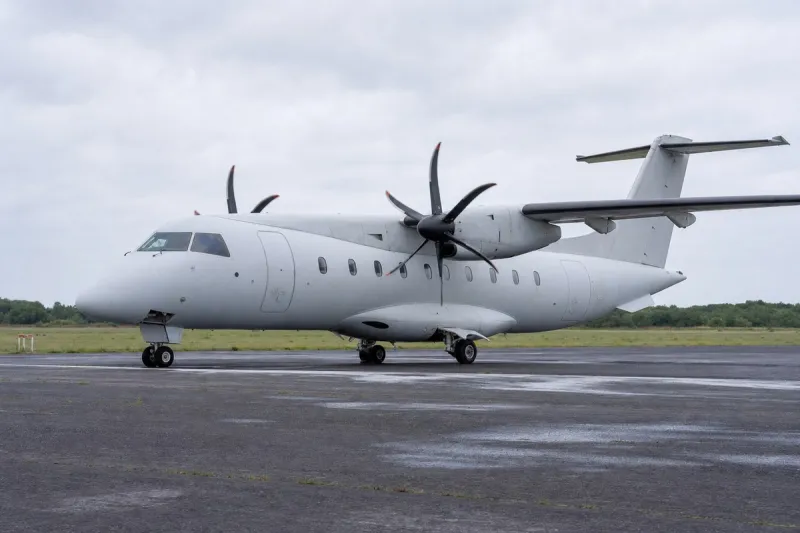
Britten-Norman has completed the first flight of an Islander assembled in the United Kingdom at its Bembridge facility. The aircraft is destined for the Falkland Islands Government Air Service and will proceed to final stages of its programme following completion of flight testing.
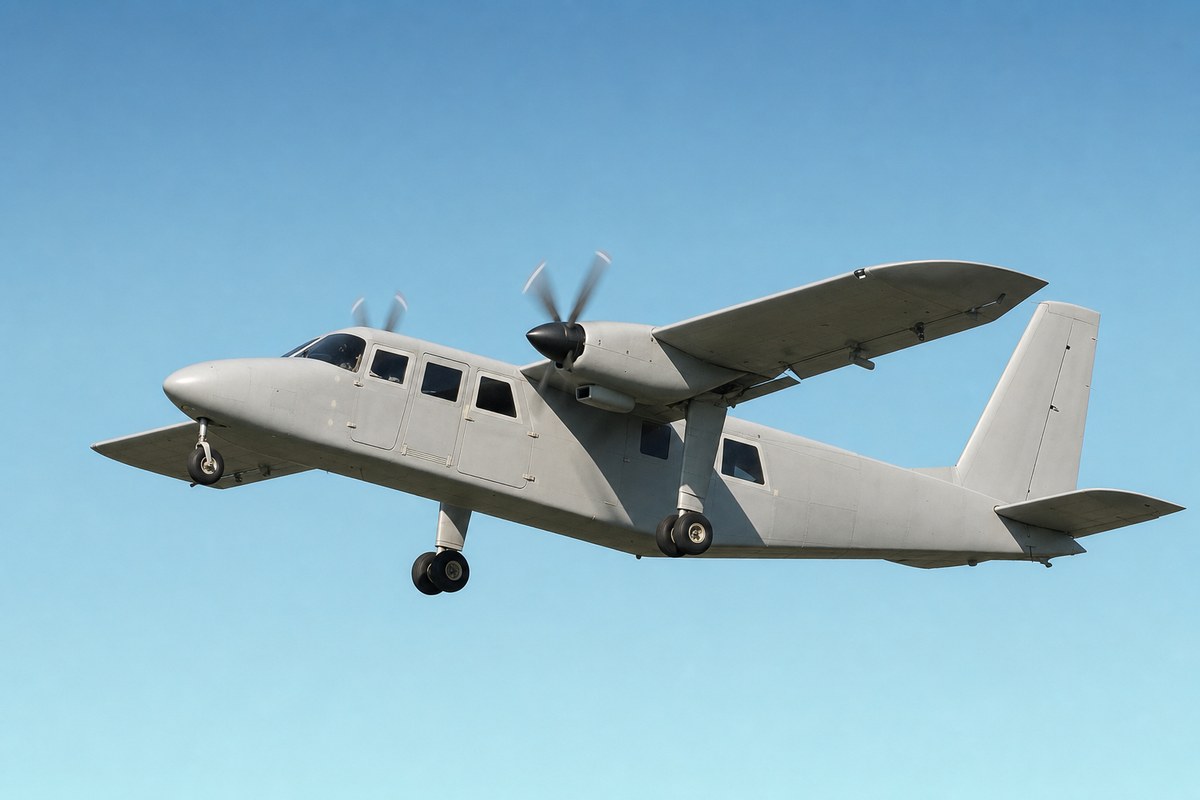
A second airframe is progressing through the same production line, with components for a third on order. The company is working toward a continuous production cadence with a strategic ambition of eight aircraft per year. Britten-Norman holds UK Civil Aviation Authority A2 design approval and is described as the UK's only civil A2 approved aircraft manufacturer, while the Islander also carries EASA and MoD design approvals.
The type is powered by Lycoming O-540 and IO-540 engines with Hartzell variable pitch propellers, and features twin-engine configuration with single-engine-inoperative capability. Approximately 350 Islanders are currently in service across more than 70 countries and six continents, with the fleet having accumulated around 20 million flying hours.
Bringing assembly to Bembridge
Assembling at Bembridge gives Britten-Norman direct control over the build sequence, tooling and quality gates. It also eliminates the need for road movement of major sub-assemblies across Europe during each build, a step the previous arrangement required.
The setup allows customer specifications to be incorporated during assembly rather than retrofitted afterward, which for a government customer like the Falkland Islands Government Air Service means mission-specific fit can be built in from the start rather than added later.
Industry impact & what to watch
Consolidating final assembly at a single home-country site is a common step for small-volume aircraft manufacturers seeking to move from bespoke, order-by-order builds toward a repeatable production line. Removing cross-border transport of sub-assemblies simplifies scheduling and reduces the handling risk that comes with shipping partially built airframes between facilities.
For a utility aircraft type sold in small annual batches, cadence is the real constraint: going from one-off deliveries to a stated ambition of eight aircraft per year depends on whether tooling, supplier components and quality gates can be repeated consistently across airframes two and three, not just the first.
The near-term signal to watch is how quickly the second airframe now on the line and the third with components on order move through assembly, since that pace will show whether Bembridge can sustain output rather than produce a single showcase aircraft.