Akasa Air and BPCL Complete Commercial Flight Using 1% SAF Blend
Why It MattersIndia's SAF adoption remains an early-stage, low-blend demonstration whose scale-up depends on aligning domestic supply, policy support and commercial viability across the fuel and airline ecosystem.
What happened
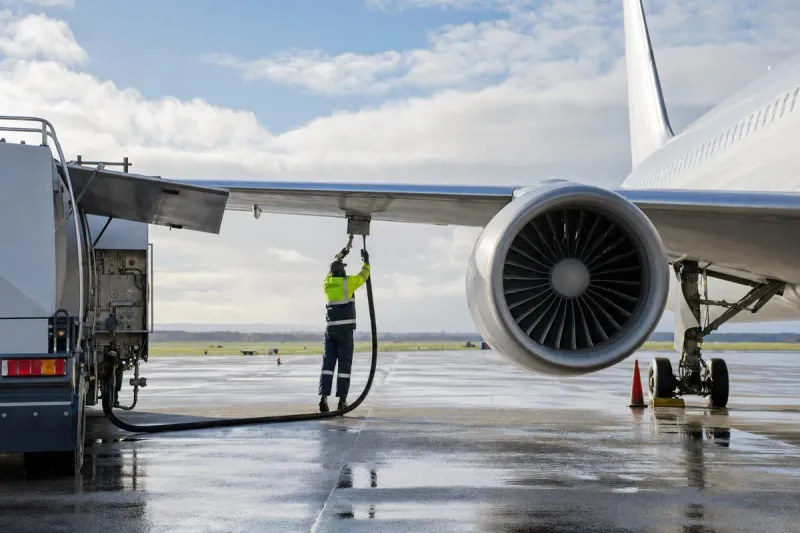
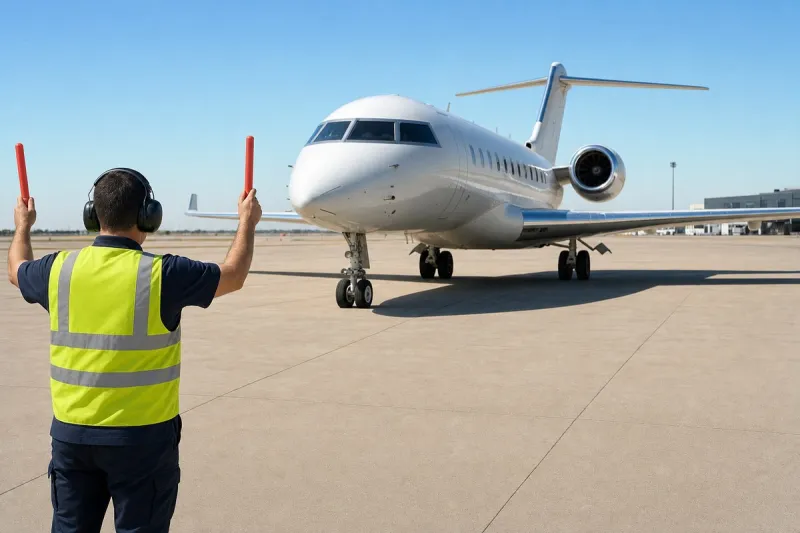
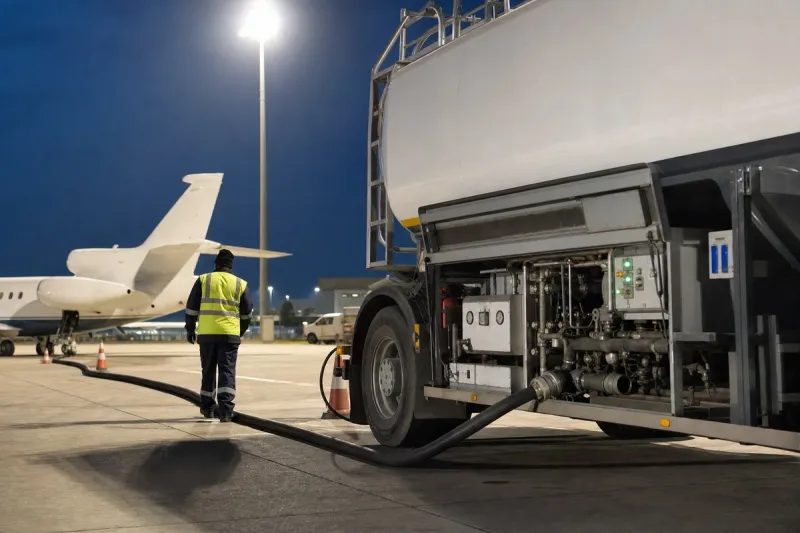
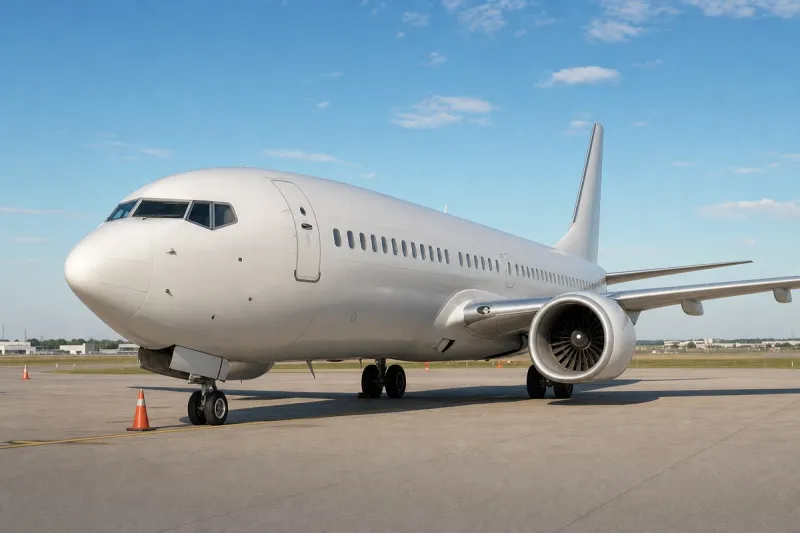
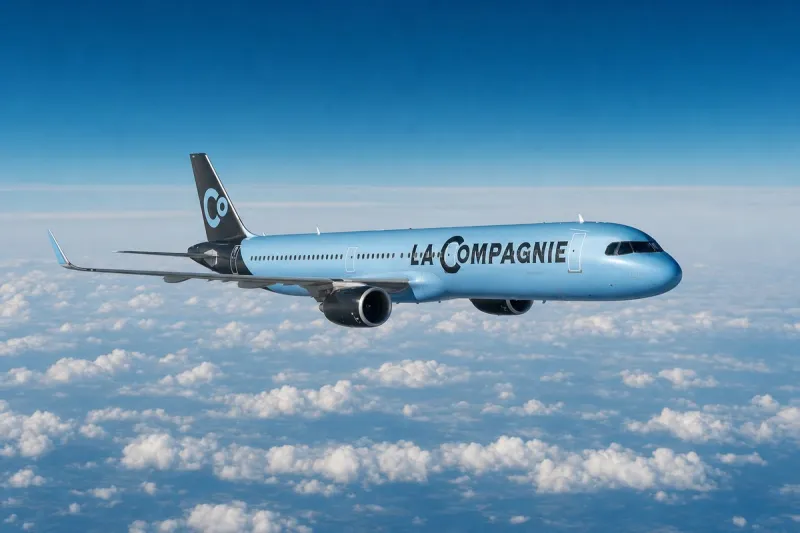
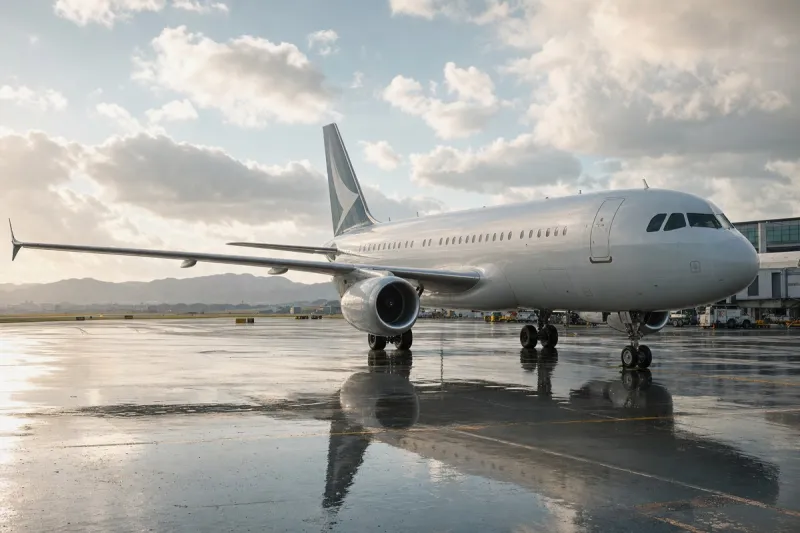
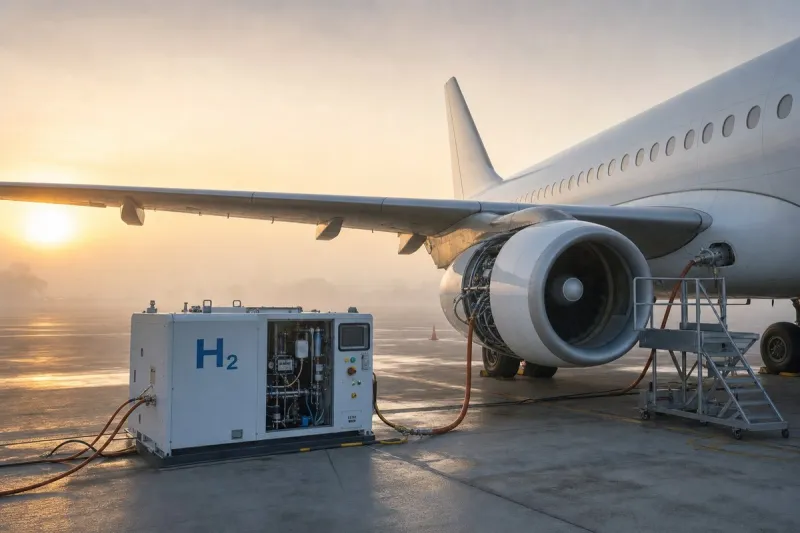
Akasa Air has operated a commercial flight using conventional aviation turbine fuel blended with 1% Sustainable Aviation Fuel (SAF), supplied by Bharat Petroleum Corporation Limited (BPCL). The flight builds on a Memorandum of Understanding the two companies signed in July 2026 to explore SAF adoption and other opportunities supporting aviation decarbonisation.
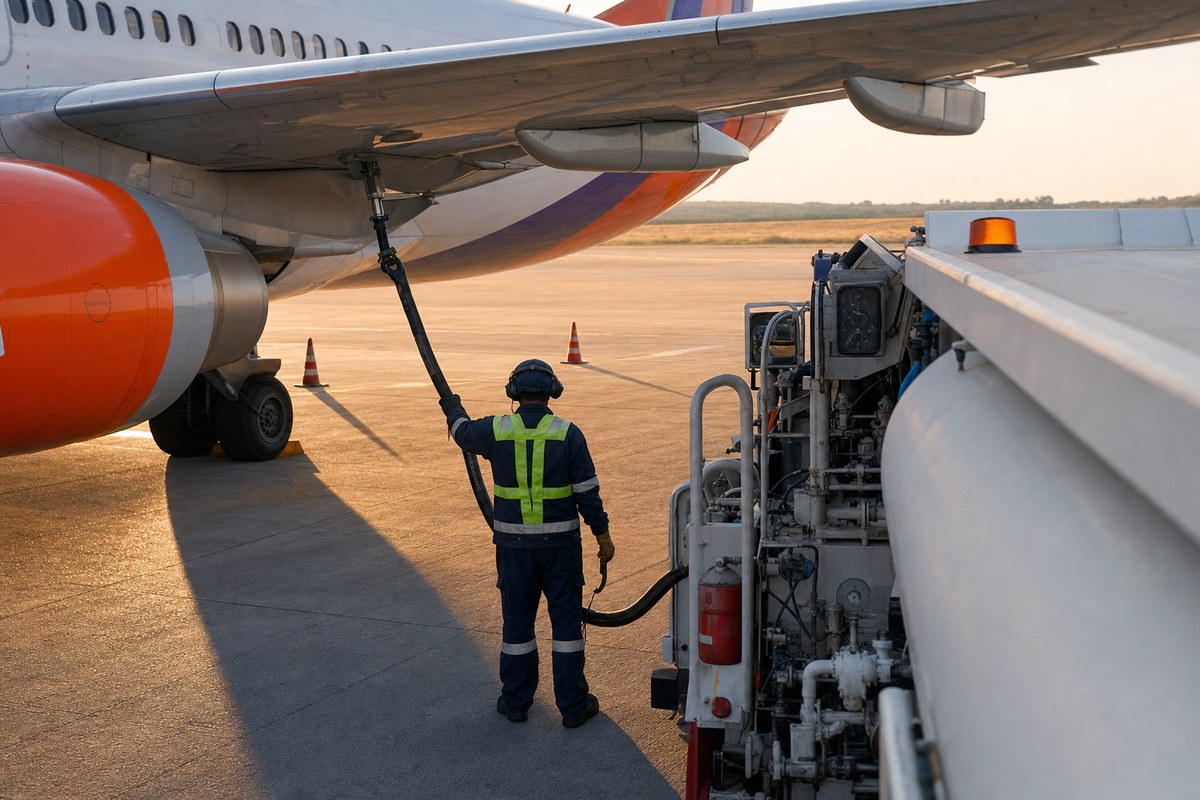
Akasa Air Chief Financial Officer Ankur Goel said the flight with BPCL "translates our partnership into tangible action," adding that scaling SAF in India would require coordinated efforts across the ecosystem, including domestic supply, enabling policy and commercial viability. BPCL Director (Marketing) Subhankar Sen described the transition to sustainable fuels as "both an environmental imperative and a strategic necessity for India."
The flight comes as India works toward a target of 5% SAF blending by 2030, aligning with the International Air Transport Association's goal of net-zero carbon emissions by 2050. Akasa Air operates a Boeing 737 MAX fleet powered by CFM International LEAP-1B engines with advanced-technology winglets, which the airline says reduces fuel use and emissions by 20% compared to the aircraft they replace. The airline has also partnered with OpenAirlines to implement SkyBreathe, a fuel management solution using analytics to reduce carbon emissions across its network.
Industry impact & what to watch
This flight belongs to a broader category of demonstration flights airlines and fuel suppliers use worldwide to test SAF logistics and blending before volumes scale: a single flight at 1% blend proves the supply chain works end to end, not that the fuel is available at scale. In markets building a domestic SAF industry, these early flights typically precede feedstock investment, refinery capacity and offtake agreements rather than following them.
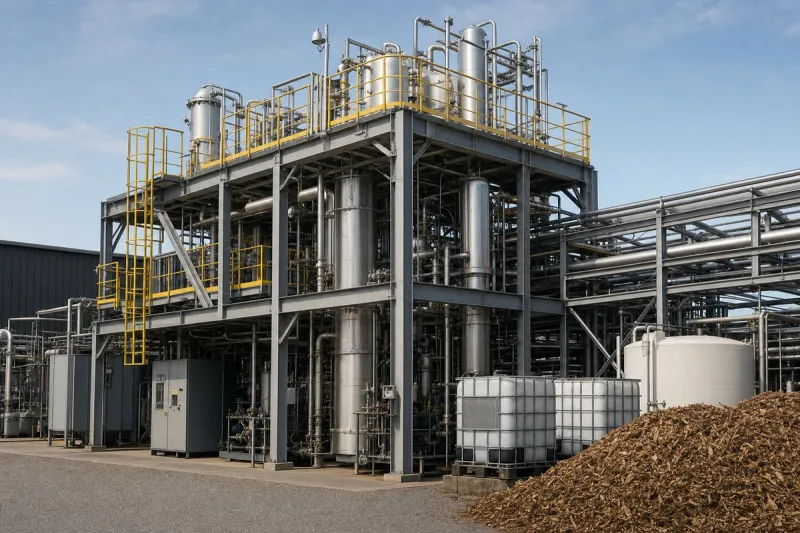
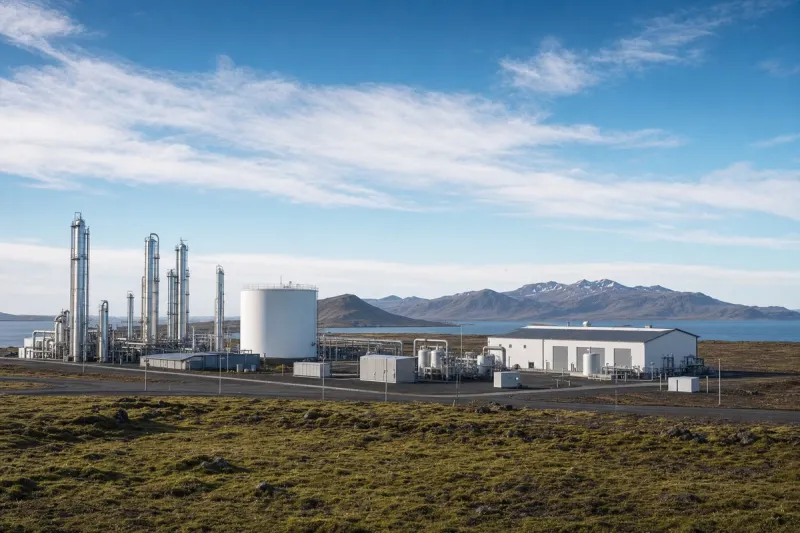
How far this goes depends on the same three constraints Goel named: domestic supply, enabling policy and commercial viability. India's 5% blending target by 2030 implies a large gap from the 1% demonstrated here, and closing it will require BPCL or other suppliers to bring dedicated SAF production online rather than relying on imported or blended test batches.
What happens next will show up in whether BPCL or other Indian refiners announce SAF production capacity, and whether policy incentives emerge to narrow the cost gap between SAF and conventional jet fuel.