EASA Advances Aviation-Specific AI Regulations at Cologne Conference
Why It MattersAviation's approach to AI certification is moving toward domain-specific rules layered on a general framework, meaning cockpit and safety-analysis tools face separate scrutiny before wider adoption.
What happened
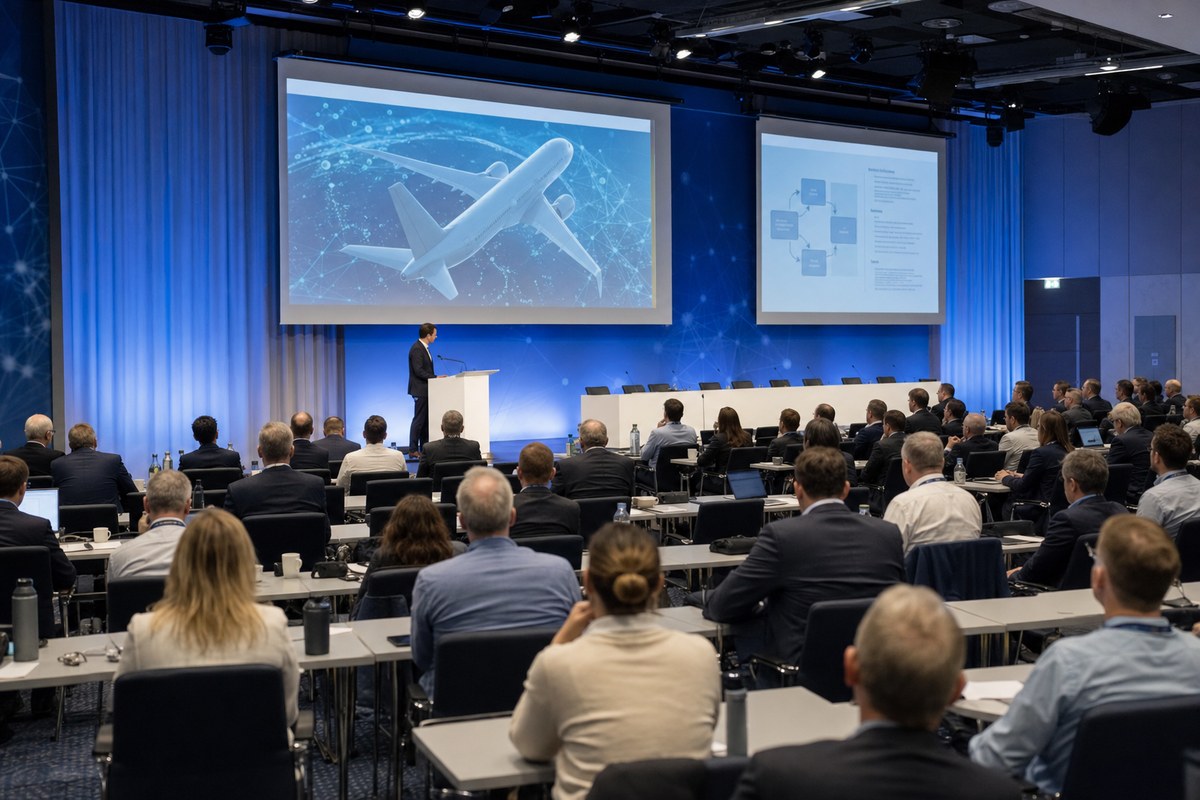
The European Union Aviation Safety Agency is advancing its artificial intelligence regulatory program toward aviation-specific rules, with developers showcasing cockpit decision-support, safety analysis and certification systems at EASA AI Days in Cologne, Germany. EASA's rulemaking manager for AI presented an update on RMT.0742, the agency's formal effort to establish requirements for AI use across regulated aviation activities.
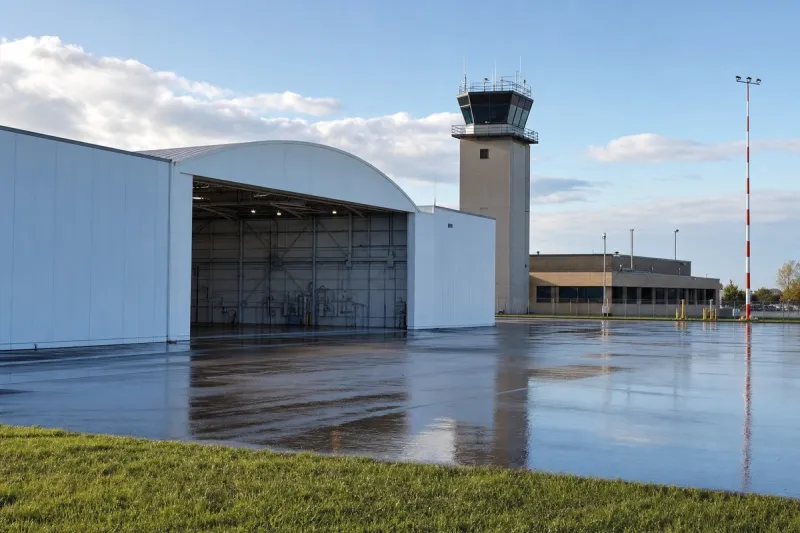
EASA published its first proposed AI regulations last November, setting general standards covering AI assurance, human factors and ethics for systems that assist or cooperate with people. Public comments closed in March, and the proposal is currently awaiting responses to comments. A second proposal will apply the general framework to individual aviation domains, including aerodromes. When EASA released the latest version of its concept paper in June, it expanded the scope to include reinforcement learning, symbolic AI and Level 3 systems, which the agency classifies as advanced automation. "These applications open the way to novel types of operations in which the human end user may be either remotely present, or not present during the operation," EASA said at the time.
The conference is also being used to evaluate 10 AI systems selected from 50 submissions for EASA's first AI Olympics. Finalists include Kairós Aeroespacial's FOR-DEC AI, a cockpit system designed to help crews organise operational information, compare options and identify uncertainty during decision-making. Other finalists include an AI tool for analysing aviation safety reports and Xcert AI, designed to assist engineers with certification and regulatory-compliance requirements. EASA published the finalist list on Wednesday, with conference attendees voting to award gold, silver and bronze. "The pilot remains the decision-maker," Kairós stated in describing its system, noting the software is intended to make its reasoning traceable to the flight crew rather than independently make operational decisions. Thursday's remaining sessions include research into large language models and reinforcement learning, followed by a panel on the benefits and risks of advanced automation.
Industry impact & what to watch
This is how aviation regulators typically approach a new technology category: a general framework first, covering assurance, human factors and ethics, then domain-specific rules layered on top for aerodromes, cockpits and other applications. RMT.0742's two-stage structure means the general standards published last November set the vocabulary and principles, while the domain rules still to come will determine what a cockpit decision-support tool or a certification-assistance tool actually has to demonstrate before deployment.
The AI Olympics finalists show where developers expect near-term approval to be easiest: systems like FOR-DEC AI and Xcert AI are built so the human stays the decision-maker and the AI's reasoning stays traceable, which lines up with the human-factors emphasis already in the November proposal. The expanded scope to reinforcement learning, symbolic AI and Level 3 systems signals that EASA is also preparing for automation where a human operator may not be present at all, a harder category to write rules for.
The proposal is currently sitting with responses to public comments still pending, and the second, domain-specific proposal covering aerodromes has not yet been published. Whichever comes first, the comment responses or the aerodrome-specific text, will show how much the general framework bends once it meets an individual operating environment.