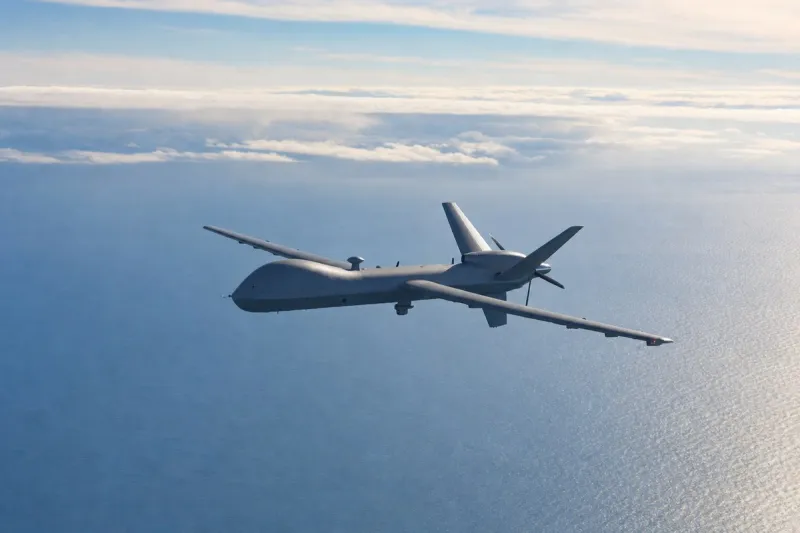
FAA, NASA and Industry Push Toward Autonomous Aircraft Networks by 2030
Why It MattersAutonomous aircraft certification is progressing through incremental, mission-specific demonstrations rather than a single approval, meaning traffic management and vertiport infrastructure must mature in parallel with the vehicles themselves.
What happened
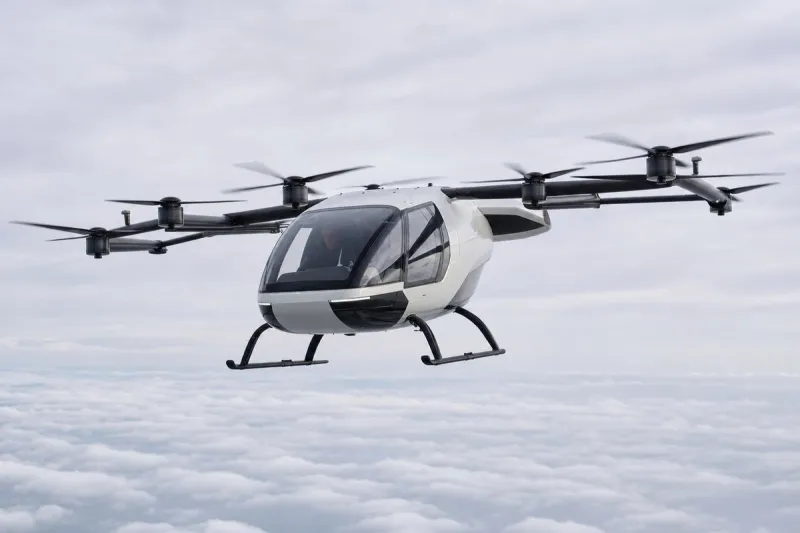
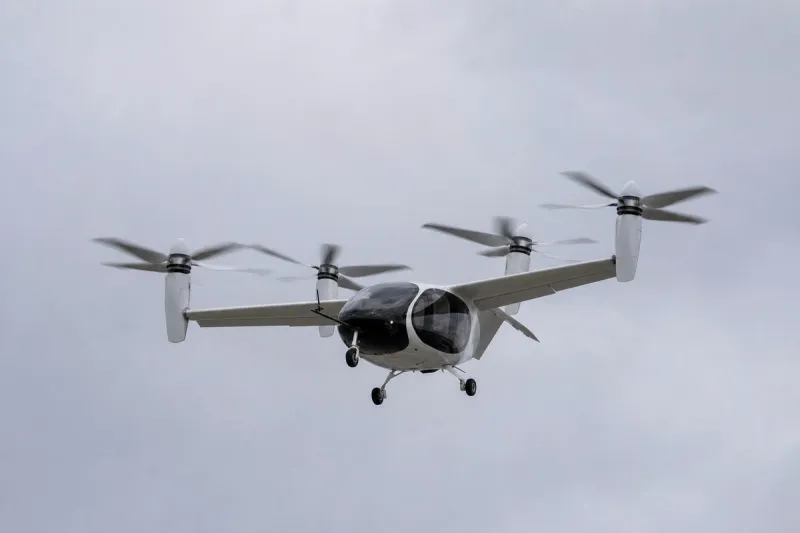
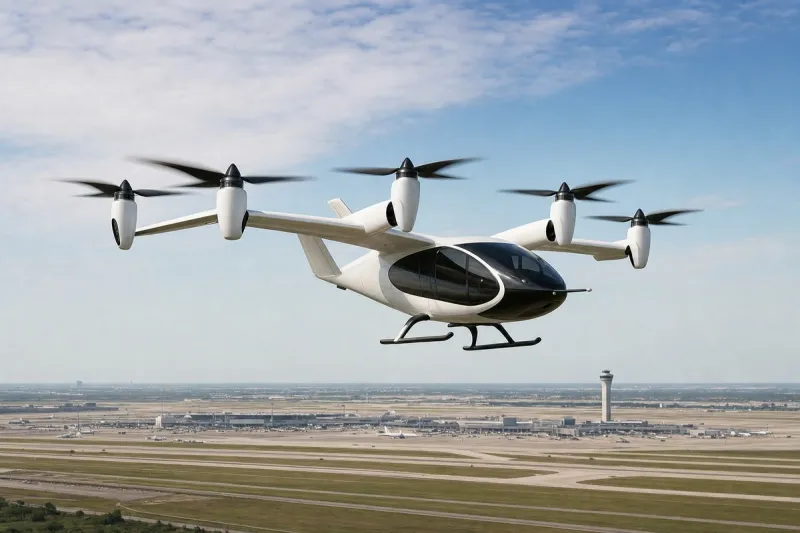
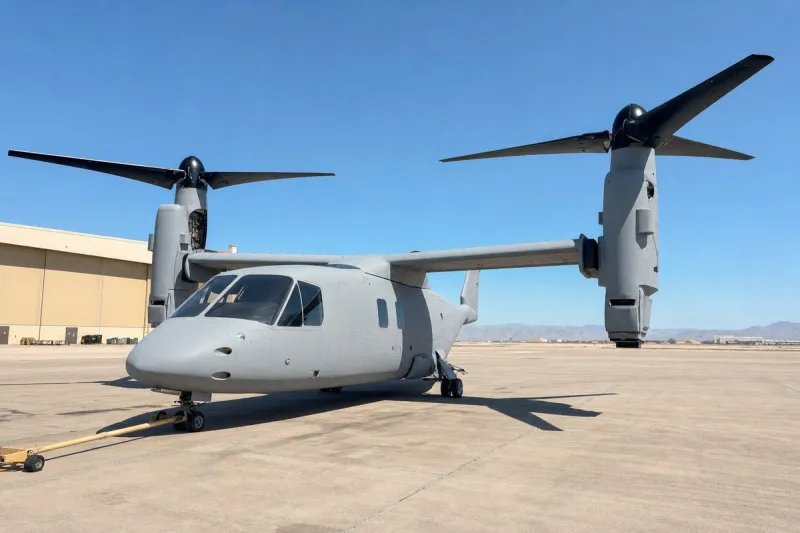
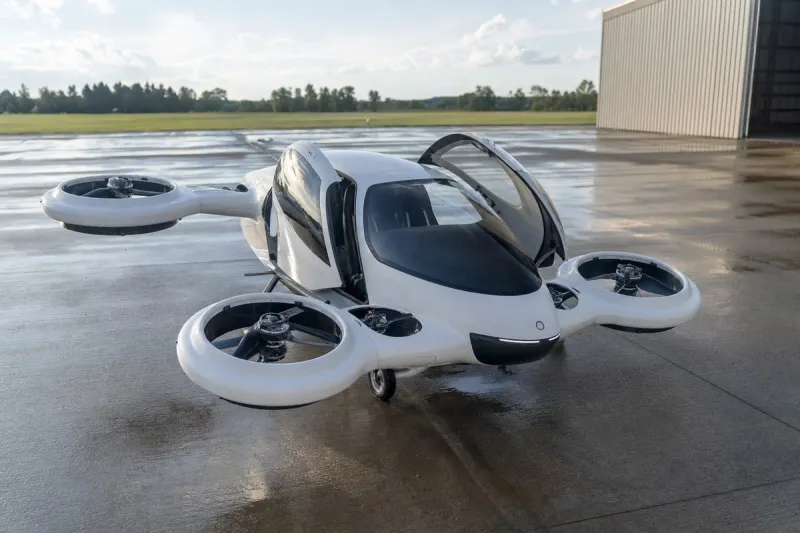
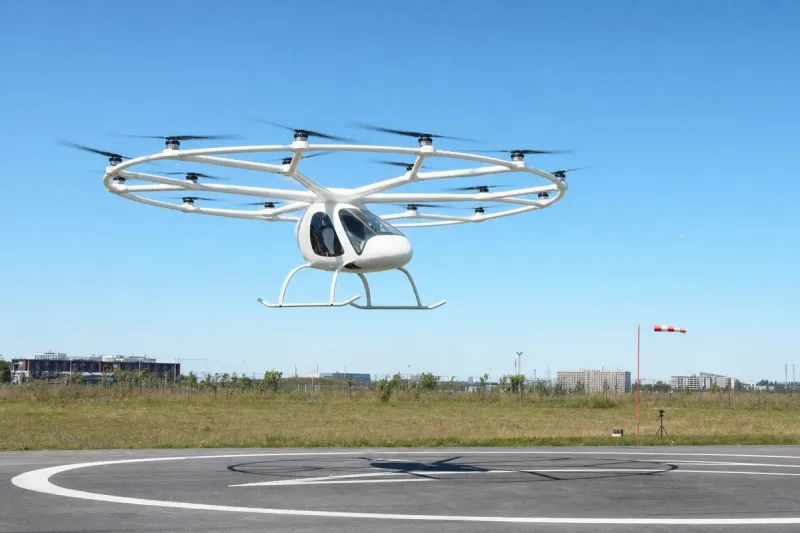
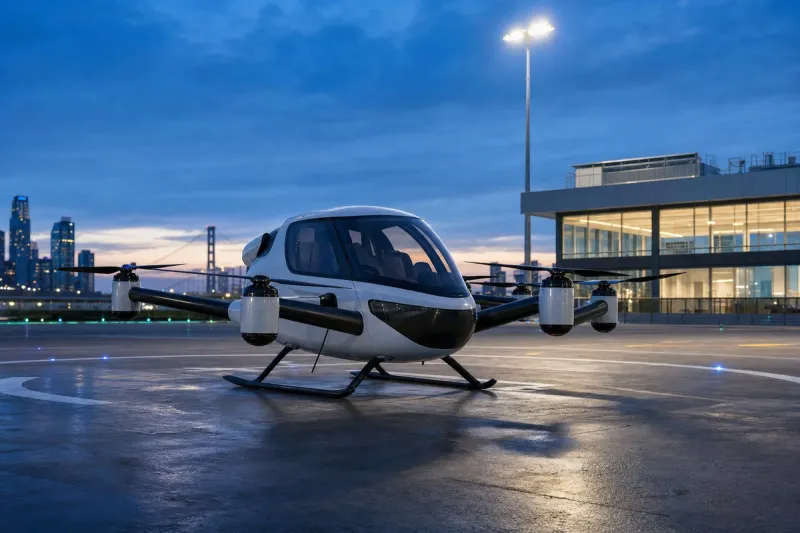
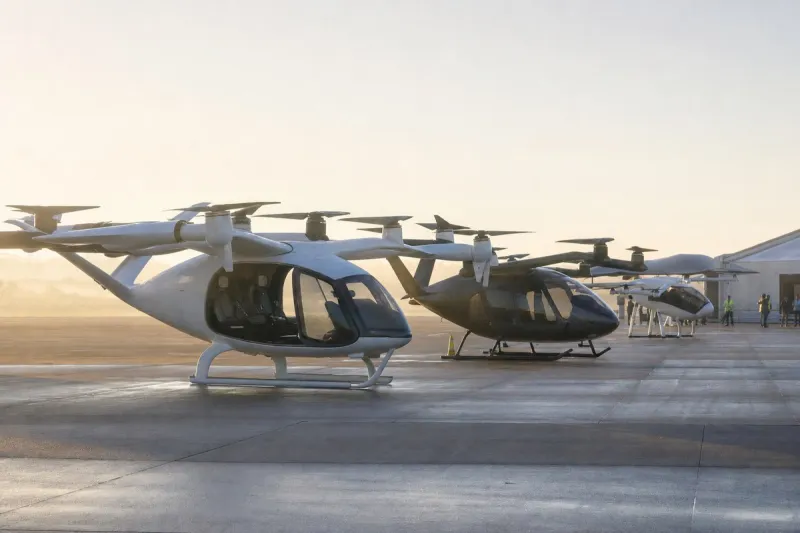
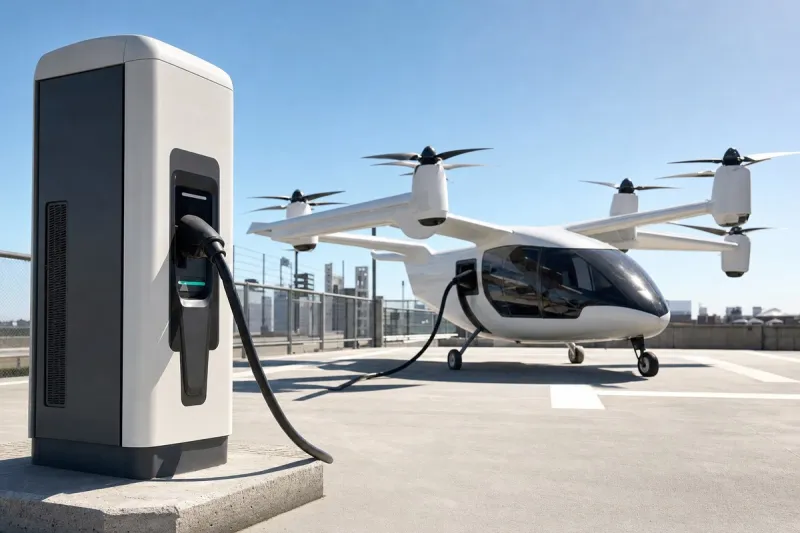
The FAA describes Advanced Air Mobility (AAM) aircraft as typically highly automated, often electrically powered vehicles capable of carrying people and cargo, and has established a regulatory framework for powered-lift aircraft while conducting real-world integration tests across the United States. NASA is targeting a flourishing AAM industry around 2030.
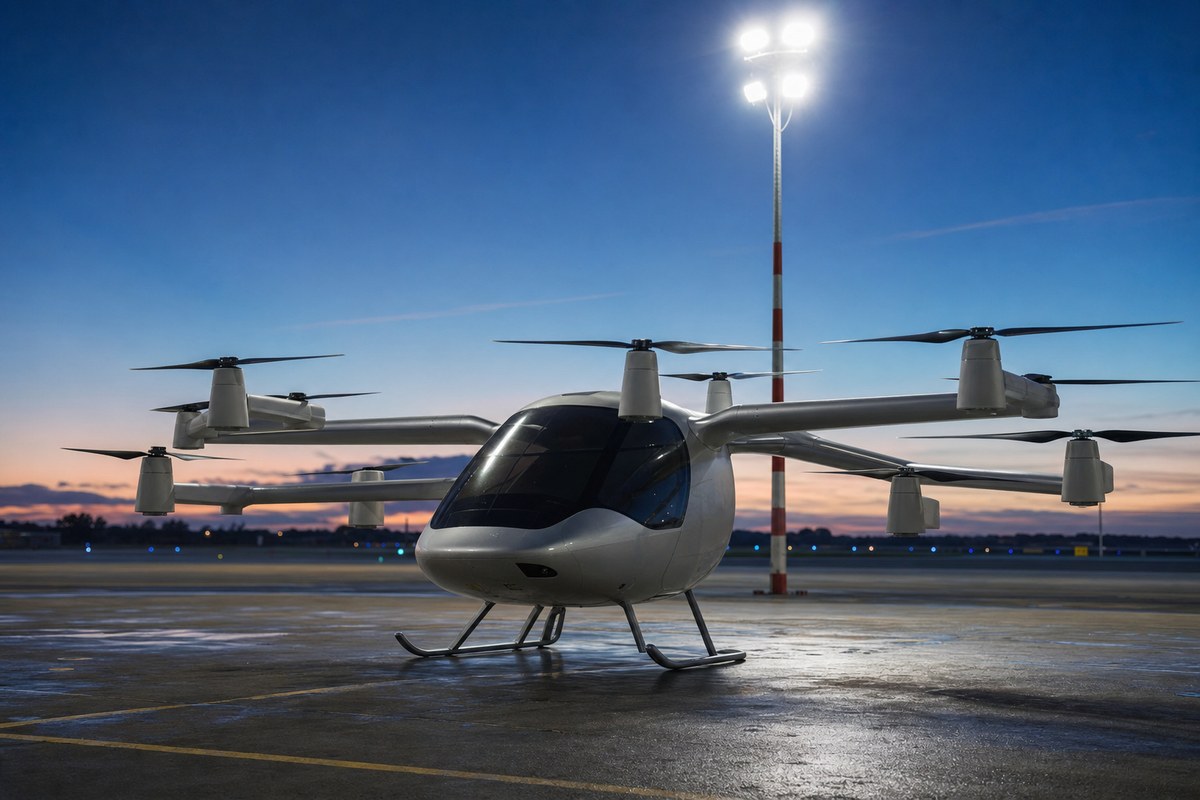
Several demonstrations have marked recent progress. In July 2026, the FAA announced a test involving BETA Technologies and United Therapeutics using electric aircraft to transport medical organs between Virginia and Maryland. In August 2026, Electra demonstrated hybrid-electric flights connecting smaller airports with major airline hubs. On August 31, 2026, the FAA announced the first remotely piloted hybrid-electric cargo demonstration under its eVTOL Integration Pilot Program.
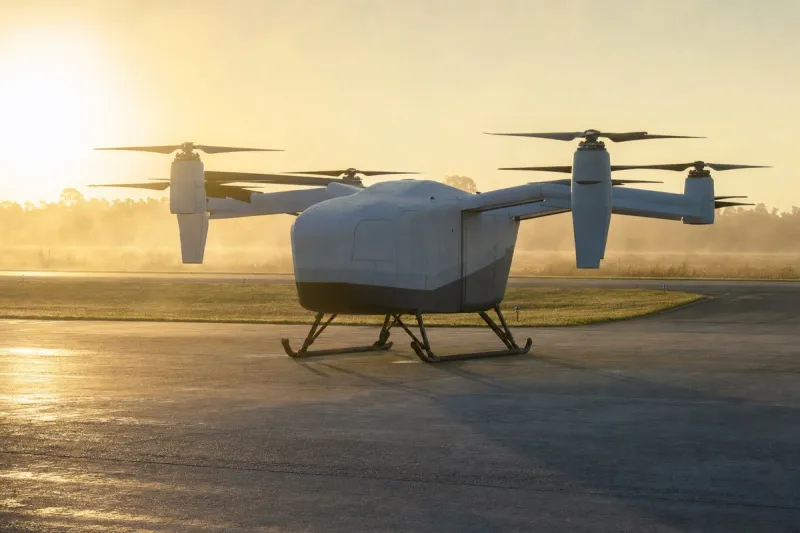
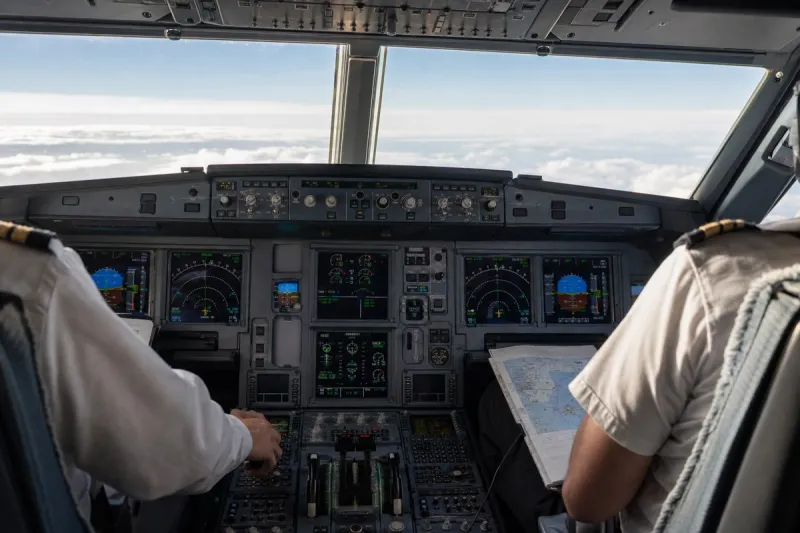
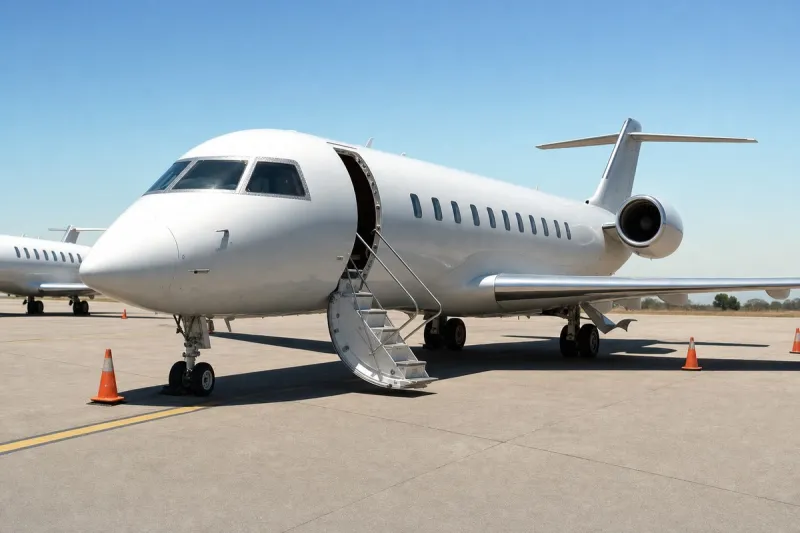
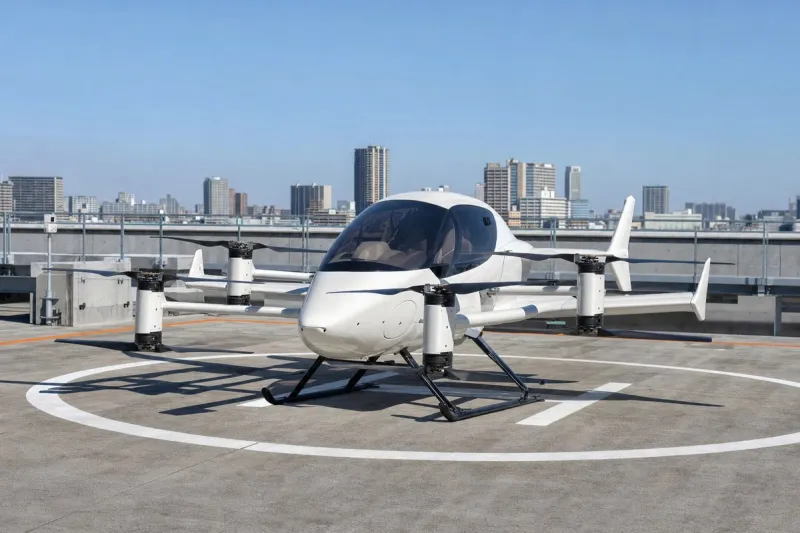
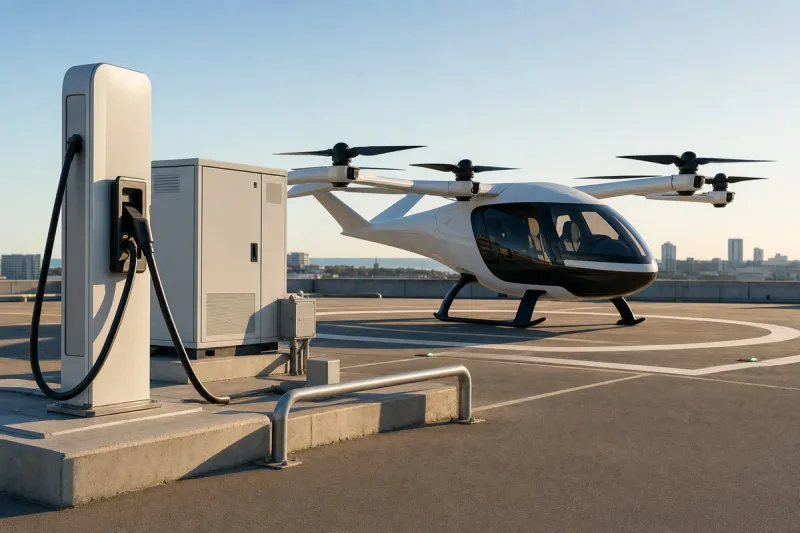
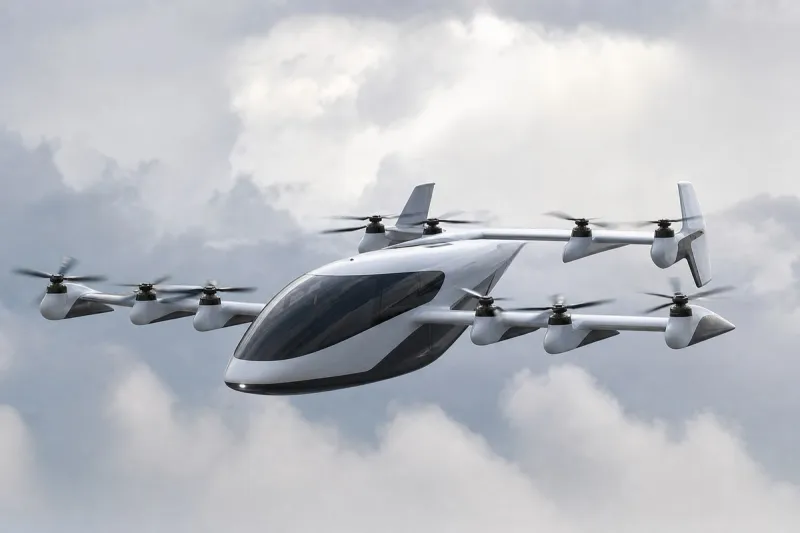
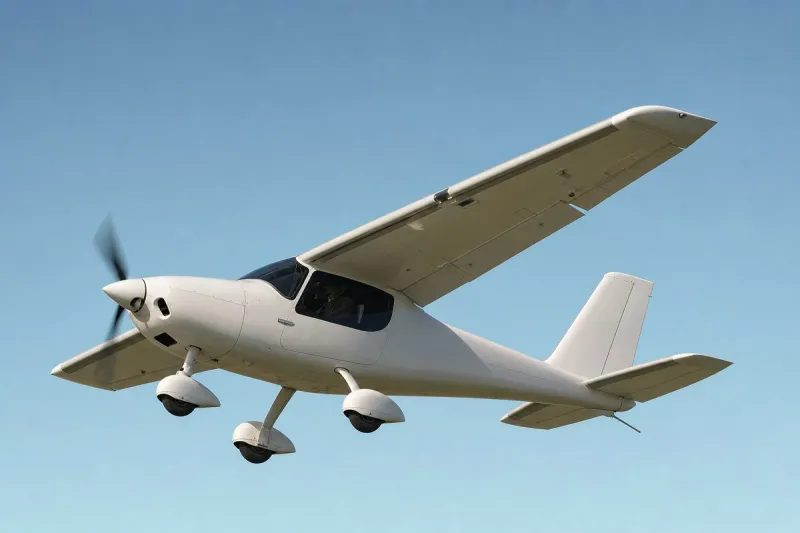
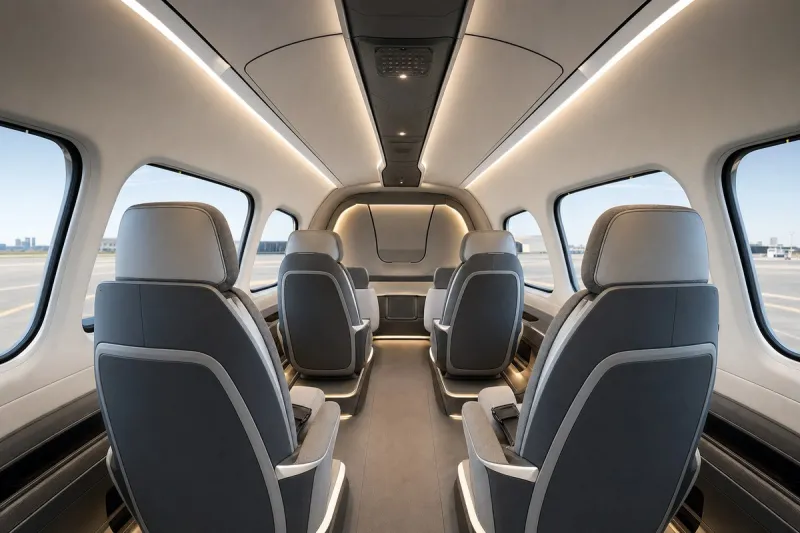
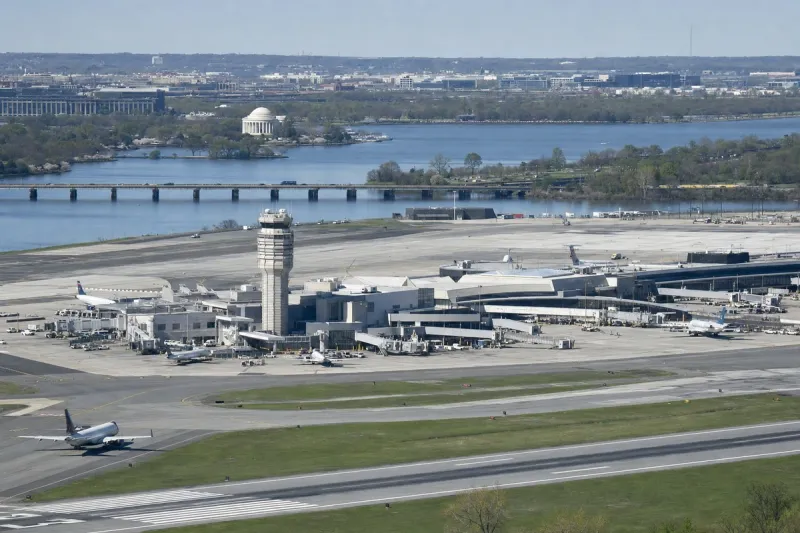
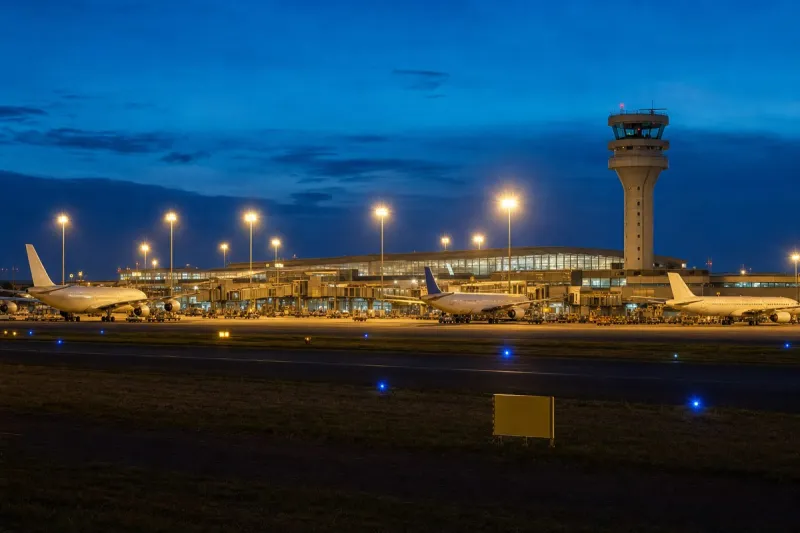
On the vehicle side, Wisk Aero, owned by Boeing, is developing a four-passenger electric aircraft designed for autonomous operation with human ground oversight. Its Generation 6 aircraft completed its first flight in December 2025, and a second aircraft joined the flight-test program in May 2026; Wisk describes Generation 6 as a candidate for what it hopes will be the first FAA-certified autonomous passenger-carrying aircraft in the United States. Separately, autonomy company Merlin is developing an AI-powered system designed to fly existing aircraft from takeoff to touchdown, reports completing hundreds of autonomous test flights, and is pursuing certification for commercial autonomous operations in New Zealand, targeting revenue service in 2027, while also working toward FAA validation. MIT's DINaMo research group published 2026 findings demonstrating decentralized systems in which autonomous aircraft coordinate movements using information about nearby traffic, reducing reliance on centralized air traffic control. The FAA expects AAM operations to use existing airports and heliports initially, eventually incorporating specialized facilities called vertiports and vertistops.
Industry impact & what to watch
This is a pattern of parallel, narrow demonstrations rather than one certification event: organ transport, hub-connecting hybrid-electric flights, remotely piloted cargo, and decentralized traffic coordination are each testing a different piece of the system before any of them combine into a public passenger network. Advanced Air Mobility depends on that combination working together — the aircraft, the automation, the traffic-management approach, and the ground infrastructure all have to mature on compatible timelines, since a certified aircraft with nowhere to land or no way to coordinate with other traffic does not produce a usable service.
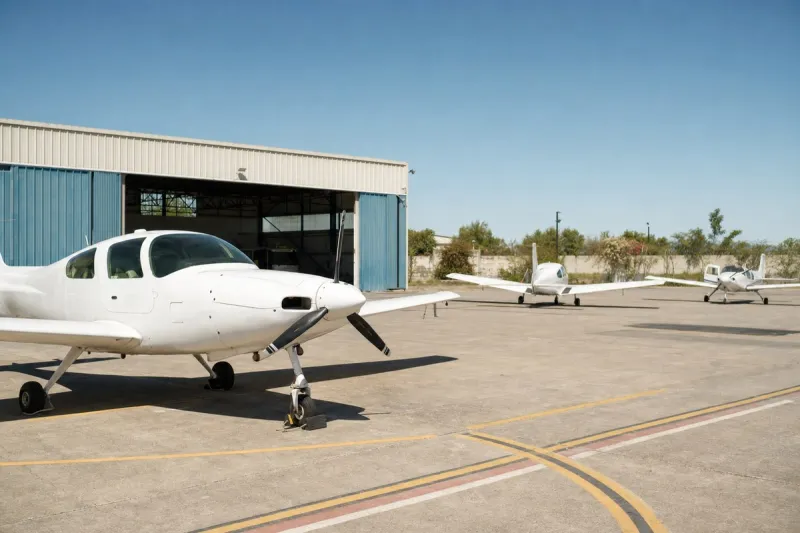
The segment's economics also hinge on where autonomy actually removes cost: Merlin's approach retrofits automation onto existing aircraft while Wisk is building a purpose-designed autonomous airframe, and New Zealand's push toward 2027 revenue service versus U.S. FAA validation shows certification paths diverging by jurisdiction even for the same underlying technology.
What happens next depends on whether Wisk's Generation 6 program advances toward the FAA certification it is seeking for autonomous passenger carriage, whether Merlin secures its targeted New Zealand approval on schedule, and whether decentralized coordination concepts like DINaMo's move from published research into systems the FAA is willing to test in the integration pilot programs already underway.