Virginia Senators to Introduce Bill Cutting Reagan National Airport Flights After 2025 DCA Midair Collision
Why It MattersCongressional slot and rate decisions at capacity-constrained airports increasingly hinge on post-accident safety findings rather than pure demand economics, reshaping how carriers plan schedules there.
What happened
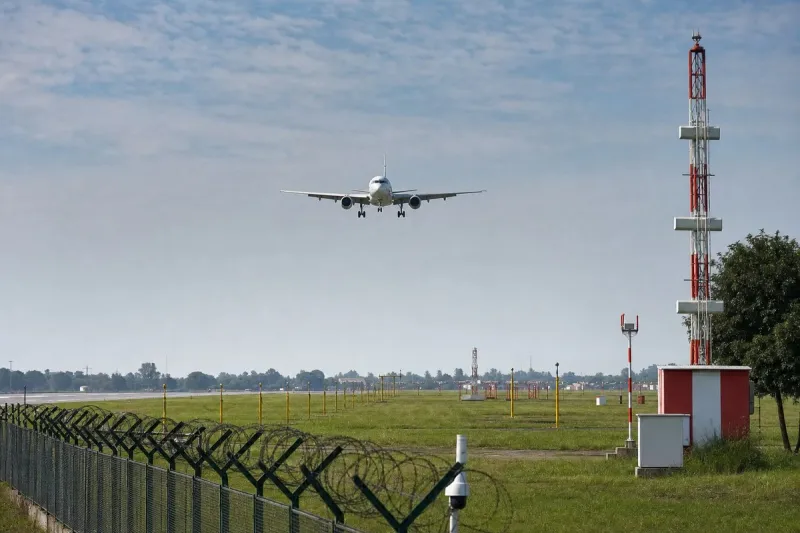
Virginia Democratic Senators Tim Kaine and Mark Warner plan to introduce the DCA Air Safety Act next week, legislation that would cap arrivals at Reagan National Airport (DCA) at no more than 28 aircraft per hour, down from the 36 per hour permitted before the January 2025 midair collision that killed 67 people over the Potomac River.
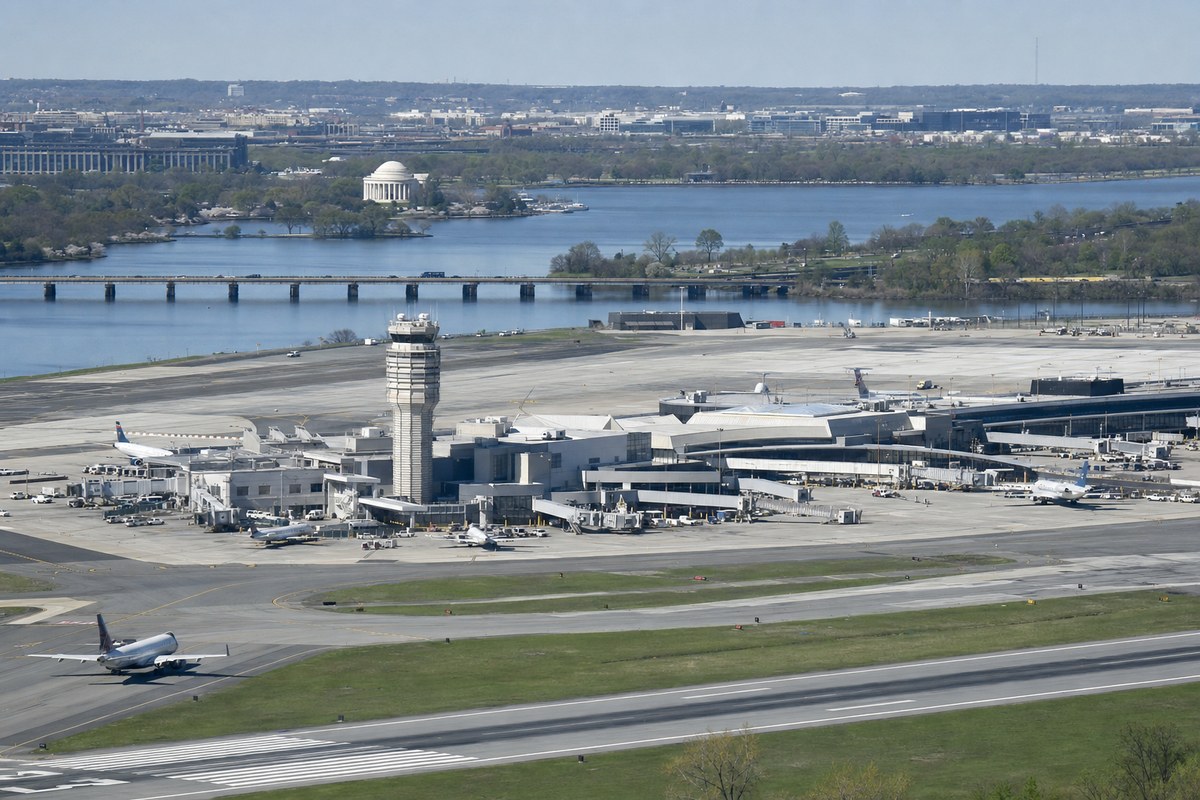
After that collision between an Army helicopter and an American Airlines regional jet — described as the deadliest domestic plane crash in over two decades — the FAA cut the arrival rate to 26 per hour before raising it to 30, where it currently stands. The bill would also eliminate 30 flight slots in phases between 2028 and 2032, resulting in 15 fewer arrivals and 15 fewer departures per day. The Metropolitan Washington Airports Authority (MWAA) has said Congress added 64 slot exemptions per day at National since 2000, despite the authority's opposition.
Kaine said, "The convenience of 535 members of Congress can't outweigh the safety of 25 million people who use that airport." Warner said, "The risks are now painfully clear, and Congress cannot wait for another tragedy to act." Michael McCormick, coordinator of the Air Traffic Management program at Embry-Riddle Aeronautical University, said National was already over capacity at 36 arrivals per hour, while Jeff Guzzetti, a former FAA and NTSB accident investigator, said the current 30-per-hour rate was still too high but expressed uncertainty about the precise right figure.
The NTSB has issued 52 recommendations following the crash, including mandating advanced-location receiving equipment for all aircraft and developing new visual-separation training, though most remain open. NTSB Chairwoman Jennifer Homendy said in a July statement, "We are no closer today to addressing many of the serious safety gaps that contributed to this terrible tragedy." The NTSB also found that between 2021 and 2024 there were 85 instances near National where aircraft came within 1,500 feet horizontally and 200 feet vertically of each other, and in early August determined that White House construction contributed to a safety incident involving Marine One, which took off from a temporary location at the Ellipse and caused a momentary loss of separation with a commercial aircraft.
Legislative and airspace context
The Senate and House remain at an impasse over two related aviation safety bills: the Rotor Act, which passed the Senate unanimously but failed in the House, and the Alert Act, which carries less stringent equipment requirements. A Senate Commerce Committee spokesperson said in August that work to reconcile the two bills continues.
Separately, the Trump administration is expected to submit plans for a 250-foot-tall triumphal arch, which would sit in the flight paths to and from National, for federal approval in November. A preliminary FAA feasibility study found no adverse impacts on airport operations but noted the structure would require red blinking obstruction lights at its top.
Industry impact & what to watch
This bill fits into a broader pattern where slot and arrival-rate limits at a single congested airport become a proxy fight over aviation safety policy following a fatal accident. National's rates have already moved twice since January 2025 — from 36 to 26, then to 30 — showing regulators treating capacity as an adjustable safety lever rather than a fixed operational constant.
Slot-controlled airports like National operate under rules where congressional add-ons, FAA rate-setting and now proposed statutory caps interact directly with how airlines can schedule service into a capacity-limited market near a major population center. Disagreement among aviation experts over whether 28, 30 or a lower number is the right hourly rate shows there is no settled technical consensus, only competing judgments about acceptable risk margins.
What happens next depends on whether the DCA Air Safety Act can move through Congress any faster than the stalled Rotor Act and Alert Act, both of which have been stuck reconciling equipment requirements. The NTSB's 52 open recommendations, the unresolved Marine One incident findings, and the pending FAA review of the proposed arch's obstruction lighting all sit alongside the slot debate as separate threads that could each affect how National operates in the coming years.