AAIB Report: Boeing 747-400 G-ONEE Suffered Cascading Electrical Failures and Frozen Pitot Tubes After Water Entered Generator Control Units Through Open L1 Door
Why It MattersThe findings highlight recurring water-ingress vulnerabilities in 747-400 electrical racks, pressuring regulators and operators toward stricter inspection requirements for drip shields, floor seals and door mats.
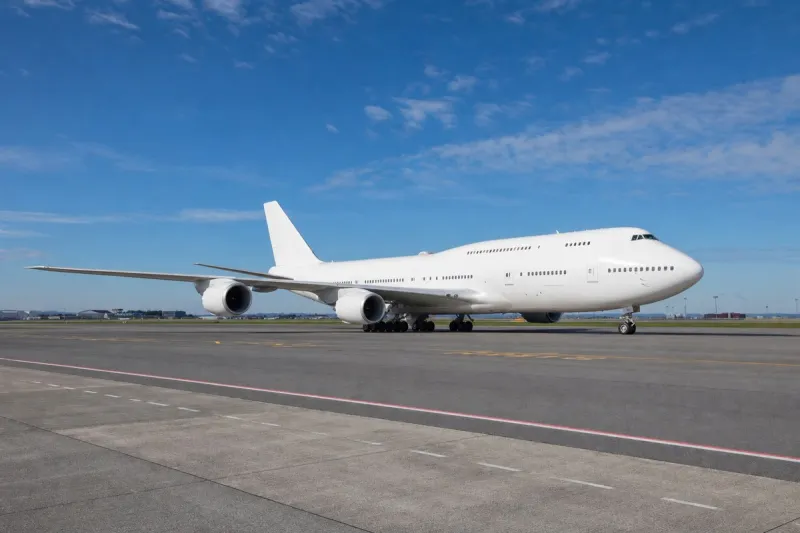
The UK Air Accidents Investigation Branch has published Bulletin 9/2026 on a serious incident involving Boeing 747-400 G-ONEE, which was preparing to depart Heathrow for Hong Kong with no cargo aboard. Maintenance work overnight had left the left forward L1 door open throughout, during which 4.6 mm of rain fell in the two hours before maintenance ended at 0700 hrs, blown toward the open door by a 6–10 kt easterly wind; the crew, boarding around 0615 hrs, found water on the door mat and surrounding floor.
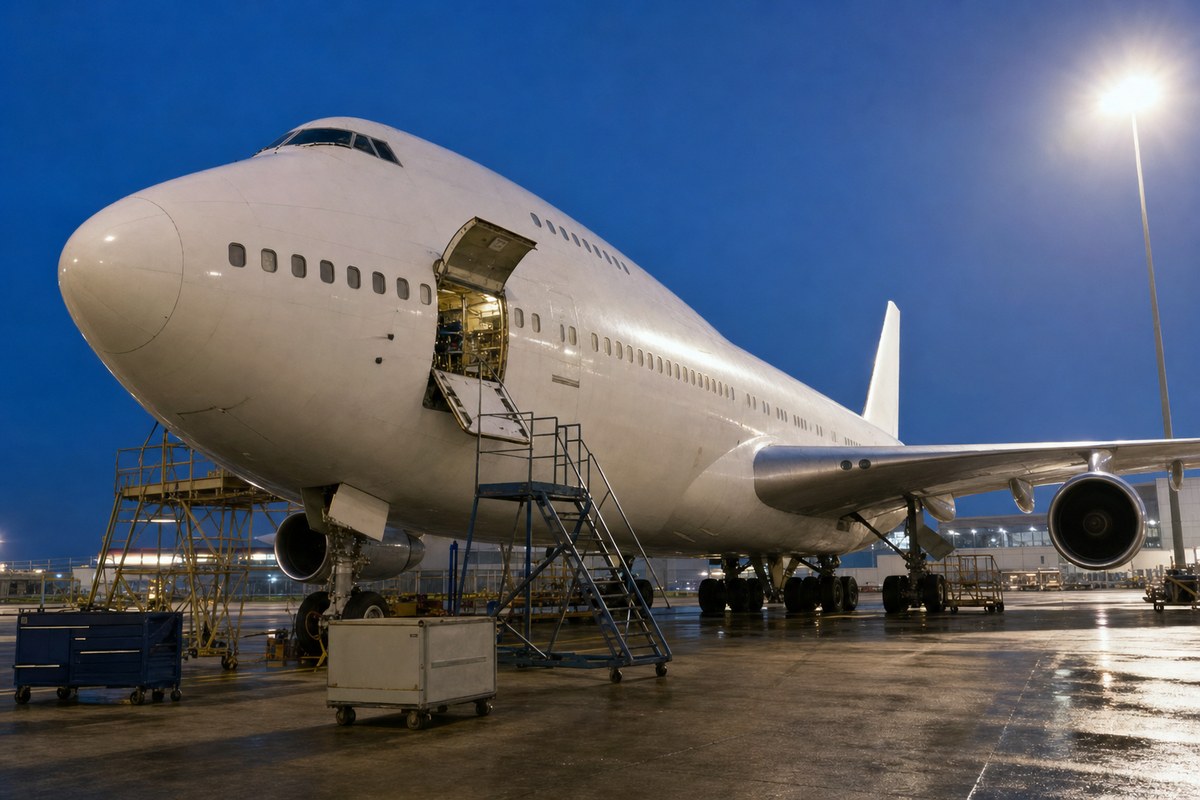
During takeoff, at a weight of 299 tonnes, multiple EICAS messages tied to AC electrical system 4 appeared after V1, the autothrottle disconnected, and the LNAV/VNAV modes became inoperative. About four minutes after the commander reported the electrical problem to ATC, AC Bus 1 also failed, knocking out the cockpit voice recorder for the rest of the flight. The crew reset AC Bus 4 three times over 20 minutes before it remained unpowered, and a PAN was declared.
With both buses down, pitot heating was lost across the aircraft. The crew diverted to Amsterdam Schiphol, which had clear weather, after weighing conditions against alternatives at Newcastle, Glasgow and Edinburgh; the aircraft was near its 290-tonne maximum landing weight at that point. During descent, cabin altitude rose through 8,600 ft, and the commander used FLCH mode to descend while consulting the QRH's unreliable-airspeed procedure. Passing about 12,000 ft, the aircraft entered icing conditions, airspeed dropped on all indicators, and the autopilot pitched nose-down to 7.6° with a descent rate of 6,240 ft/min before correct airspeed was regained below 10,000 ft.
The AAIB attributed the bus failures to water ingress into Generator Control Units 1 and 4 in the E1/E2 rack beneath the cargo deck, which caused contactors to open and isolate the buses; the precise path the water took could not be determined. The AAIB noted prior incidents of water ingress into 747-400 GCUs and E1/E2 rack contamination, and found that despite Service Bulletins and Airworthiness Directives adding a fibreglass overcoat to the drip shield, no requirement exists for repetitive inspection of the drip shield, floor panel seals, waterproof tape, power drive units or the L1 door floor mat.