UK Transport Secretary Says NATS Air Traffic Control Failure Was Avoidable; Independent Review Ordered
Why It MattersRecurring single-provider outages leave airlines absorbing disruption costs while the entity responsible for the failure faces limited financial consequence under the current regulatory framework.
What happened
UK Transport Secretary Heidi Alexander told Parliament that the technical failure of the National Air Traffic Services (NATS) system, which caused widespread flight disruption, was avoidable. She has ordered an independent investigation by the Civil Aviation Authority (CAA), with an update due in six months, and NATS has separately been asked to report on the incident within one week.
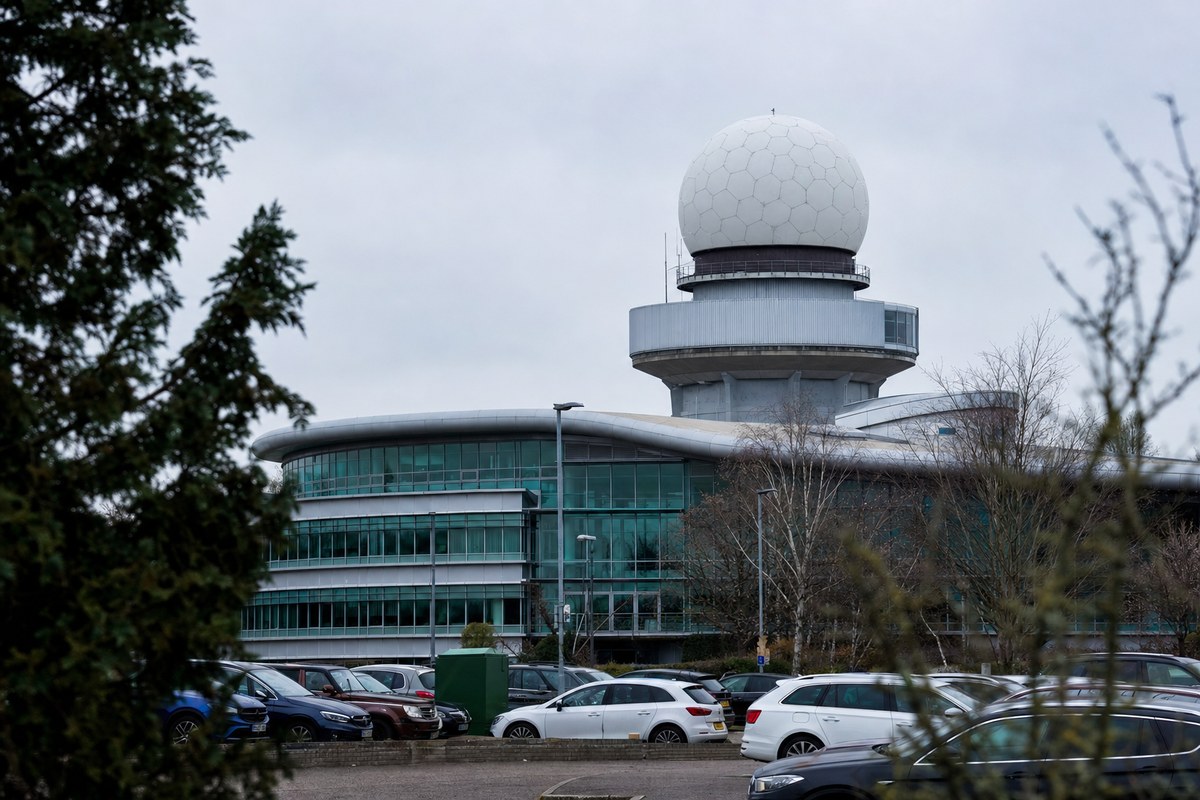
The outage began at 13:46 BST on Tuesday when NATS confirmed it was investigating a technical issue affecting flight departures. The fault originated at NATS' Swanwick Centre in Hampshire and was traced to the flight processing system, which handles flight plans and operational data used by controllers to manage UK airspace. The system was reported restored by 19:30, but disruption continued into a second day. More than 2,000 flights were cancelled or failed to depart, according to flight analytics firm Cirium. By Wednesday evening, airports including Heathrow, Gatwick, Manchester, Luton, Stansted, Bristol and Belfast City said flights had resumed, though several warned that knock-on effects were continuing as aircraft and crew repositioned.
Alexander said she met with NATS chief executive Martin Rolfe, who has led the organisation for 11 years, and confirmed that a cyberattack had been ruled out. She said there needed to be "tough questions about resilience of NATS systems" and that consumer redress issues also needed to be addressed. The government said it retained confidence in Rolfe, despite calls from airlines including Wizz Air and Ryanair for him to step down. NATS apologised for what Airlines UK described as its third major technical fault in three years, and Airlines UK chief executive Tim Alderslade wrote to Alexander to register "serious concerns," stating that under the current framework airlines bear the financial cost of failures by other parties who face little or no financial consequence.
NATS is a public-private partnership in which the government holds a 49% stake, with the remainder split among a group of UK airlines including British Airways, easyJet and Virgin Atlantic, as well as Heathrow Airport and NATS staff. A previous NATS computer shutdown over the August bank holiday weekend in 2023 caused disruption for approximately 700,000 passengers, and a smaller NATS outage in 2025 led to around 150 cancellations.
Ownership and accountability
NATS' structure as a public-private partnership, with the government holding a minority stake alongside airlines and Heathrow Airport, means the parties most affected financially by an outage are also part-owners of the system that failed. Airlines UK's letter frames this directly: airlines carry the cost of disruption while the entity responsible faces limited financial consequence, a point that becomes sharper when the same organisation has now had three major technical faults in three years.
Industry impact & what to watch
A single flight-processing system serving an entire national airspace concentrates risk in a way that repeated incidents make hard to ignore. When failures recur, at Swanwick in 2023, in 2025 and again now, the pattern points to systemic resilience questions rather than isolated technical glitches, which is why an independent CAA review rather than an internal NATS report has been ordered this time.
Air traffic control in the UK operates as a shared-ownership utility rather than a fully public or fully private service, which means governance and financial accountability sit awkwardly between government, airline shareholders and NATS management. Airlines UK's complaint that operators absorb costs while NATS faces little financial exposure highlights a structural gap in the consumer-redress framework that the Transport Secretary said needs addressing.
The CAA's six-month review and NATS' one-week incident report are the two concrete dated markers to watch. Whether Martin Rolfe remains in post, despite government-stated confidence and airline calls for his departure, will likely turn on what those reports establish about the root cause and whether comparable safeguards were in place after the 2023 and 2025 incidents.