FAA Proposes Airworthiness Directives for Bell Textron Helicopters and Dassault Falcon Jets Over Safety Concerns
Why It MattersCross-border safety findings increasingly propagate from one civil aviation authority into FAA directives, showing how EASA-driven fixes and supplemental-type-certificate issues can force fleet-wide compliance work regardless of an aircraft's country of registration.
What happened
The FAA published two proposed airworthiness directives in the Federal Register on September 10, 2026, addressing separate unsafe conditions on Bell Textron Canada Limited helicopters and five Dassault Aviation business jet models.
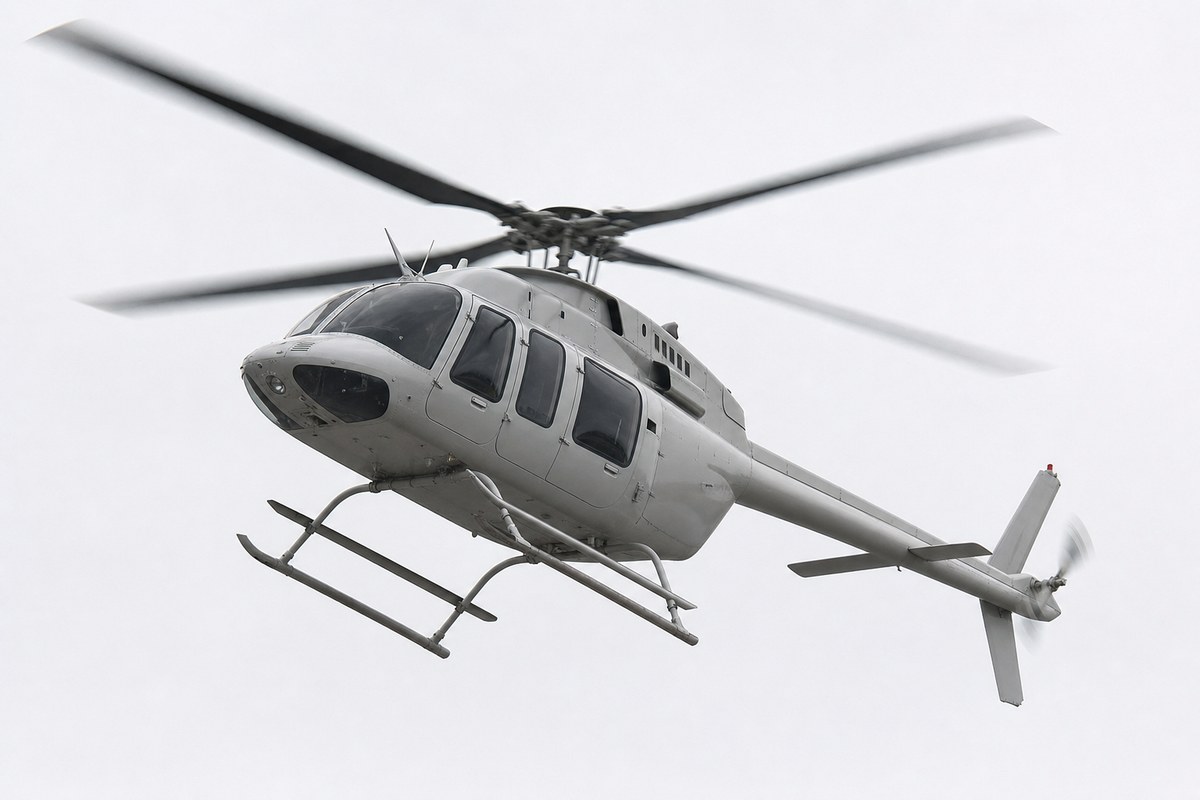
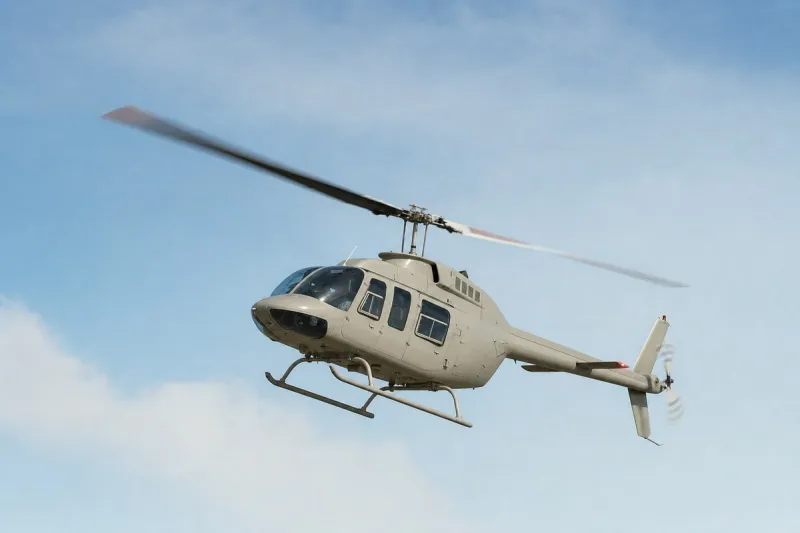
The first proposed AD covers Bell Textron Canada Limited helicopters equipped with FAA STC SR02684LA. It was prompted by an event in which an affected helicopter experienced moderate to severe vertical vibration that resulted in tail boom damage. To prevent structural failure and loss of control, the FAA proposes requiring operators to revise the rotorcraft flight manual within 30 days of the AD's effective date, inserting a Van Horn Aviation, L.L.C. Rotorcraft Flight Manual Supplement and a pen-and-ink limitation stating that VNE is 85 KIAS (98 MPH) under a specified gross weight condition.
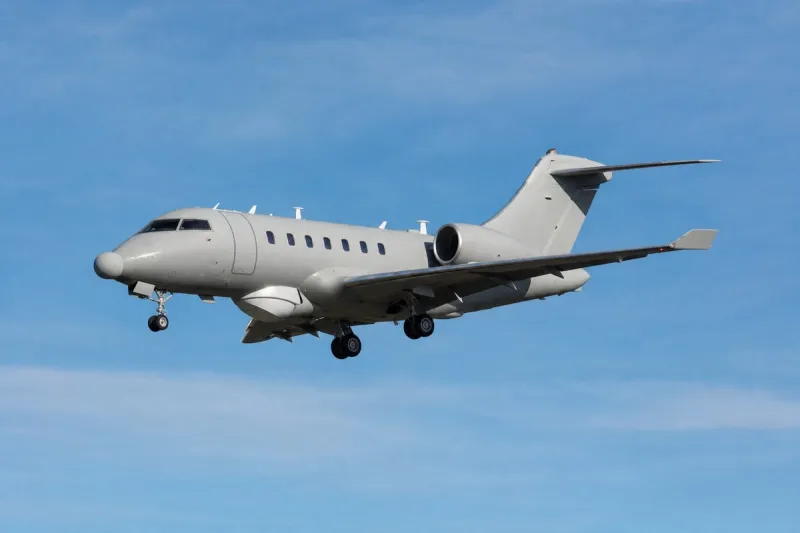
The second proposed AD applies to all Dassault Model FALCON 7X, MYSTERE-FALCON 900, FALCON 900EX, FALCON 2000, and FALCON 2000EX airplanes. It was prompted by reported occurrences of cabin seats sliding without passenger input, with the seat track locking mechanism found to jam in isolated conditions during taxi, take-off, and landing. The FAA states that if uncorrected, a seat could fail to remain in position during critical phases of flight, potentially injuring passengers. The proposed AD would require modifying or replacing each affected seat, and the action is based on a European Union finding.
Industry impact & what to watch
Both proposals follow a familiar mechanism in airworthiness oversight: a specific in-service event or foreign finding triggers a manual revision, hardware modification, or operating limitation rather than a fleet grounding. The helicopter case shows how a supplemental type certificate holder's design change can surface a vibration and structural issue years after installation, requiring a flight manual fix rather than a physical part swap. The Falcon case shows the opposite path, a hardware defect in seat track locking that requires physical modification or replacement across five distinct model variants spanning multiple production generations.
For business jet operators, the seat directive is the more operationally disruptive of the two, since it touches passenger-facing cabin equipment across a wide range of in-service Falcon airframes rather than a single supplemental installation. For helicopter operators flying under the affected STC, the RFM revision is a paperwork and limitation change with a tight 30-day compliance window once finalized.
What happens next is procedural: both items remain proposed rules, meaning the FAA will take public comment before issuing final directives, and the compliance timelines and scope could shift based on that process.