UK Air Traffic Control Outage Enters Second Day with Nearly 2,000 Flights Cancelled, Government Orders Review of NATS
Why It MattersRepeated technical failures in a single national air traffic control provider show how concentrated infrastructure risk can cascade into continent-wide schedule disruption and multi-carrier financial exposure.
What happened
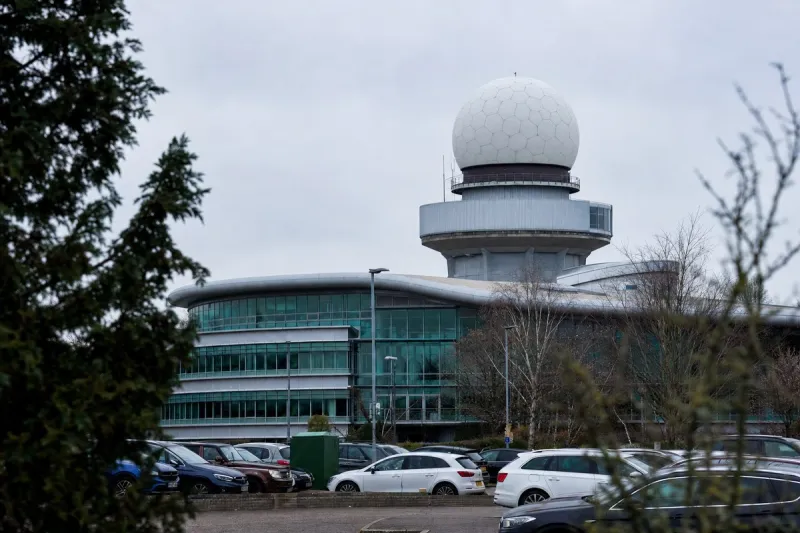
A technical failure in NATS's flight processing system has stretched into a second day of disruption across the United Kingdom, with roughly 2,000 flights cancelled as a direct result of the outage and its aftermath. More than 1,700 flights were cancelled on Tuesday 8 September alone, affecting Heathrow, Gatwick, Stansted, Manchester, Edinburgh and other airports, and a further 1,200 to 1,300 cancellations followed on Wednesday 9 September as airlines continued paring back schedules.
NATS said the root cause lay within its internal systems and ruled out a cyber attack, describing the problem as a failure in the flight processing system that handles aircraft movement data. The technical issue was resolved by late Tuesday, but aircraft and crew displaced across Europe and beyond complicated recovery, leaving midweek schedules heavily affected. Knock-on effects extended to flights serving European destinations, North America, the Middle East and Asia, with connecting passengers facing missed onward journeys, and some travellers told the earliest alternative flights may be several days away.
Passengers at major hubs reported long queues, crowded terminals and repeated rebookings, with some spending a second or third night sleeping in terminals as nearby hotels filled up. The UK Transport Secretary has summoned the NATS chief executive for urgent talks and given the company one week to produce an initial report on the failure and steps to prevent a recurrence. The UK Civil Aviation Authority has also been asked by the government to conduct an independent review examining the causes of the 8 September incident, assessing system resilience and considering whether further safeguards are required.
Initial industry estimates suggest airlines collectively face losses running into tens of millions of pounds from cancelled flights, crew costs, fuel and passenger care obligations, with one major low-cost carrier indicating it expects to lose several million pounds in revenue alone. An airline industry association described the disruption as "shocking," noting this is the third significant technical incident to affect UK air traffic control in three years, and called on the government to address staffing levels, system redundancy and contingency planning. The CAA has reminded passengers of their rights under UK and EU air passenger regulations, including entitlements to care, re-routing and refunds.
Regulatory response and accountability
The government's dual move — a one-week deadline for NATS's own report alongside a separate CAA review — sets up two parallel accountability tracks running on different timelines. NATS's internal report focuses narrowly on the 8 September failure and prevention steps, while the CAA's independent review has a broader remit: causes, system resilience, and whether further safeguards are needed across the network.
The airline association's framing of this as the third significant technical incident in three years places the review under pressure to address recurrence, not just this single event. That framing, combined with the government's short deadline, signals that the political tolerance for repeat failures in a single-provider system has narrowed.
Industry impact & what to watch
This incident illustrates how a single point of failure in national air traffic control infrastructure can cascade into losses and disruption far beyond the country where the fault occurred, because modern schedules depend on aircraft and crew rotating continuously across regions. When a processing system goes down for one day, the recovery tail — repositioning displaced aircraft and crew — can run for several more days, which is why Wednesday's cancellations nearly matched Tuesday's despite the technical issue itself being resolved by Tuesday evening.
For airlines, this exposes the asymmetry between a provider-side fault and carrier-side liability: airlines absorb crew costs, fuel, rebooking and passenger care obligations under UK and EU regulations even though the failure originated in NATS's systems, not their own operations. That dynamic is what typically drives industry calls for structural remedies — redundancy, staffing levels, contingency planning — since carriers have limited ability to hedge against a single air traffic control provider's outages.
Whether this incident produces lasting change depends on what NATS's report and the CAA's review actually recommend, and whether the government acts on findings this time given the pattern of repeated incidents cited by the airline association. The one-week deadline for NATS's initial report is the next fixed point at which more detail on cause and remedy should become public.