FAA relocates antenna and changes procedure after Marine One near-miss with passenger jet at Reagan National Airport
Why It MattersThe episode shows that even after a fatal 2025 collision prompted a ban on mixed helicopter-jet traffic near the airport, coordination gaps between military and commercial operations can persist.
What happened
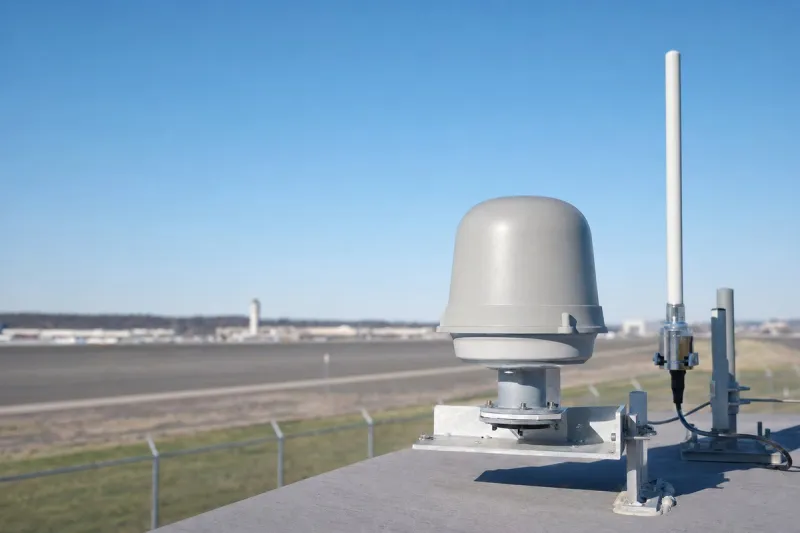
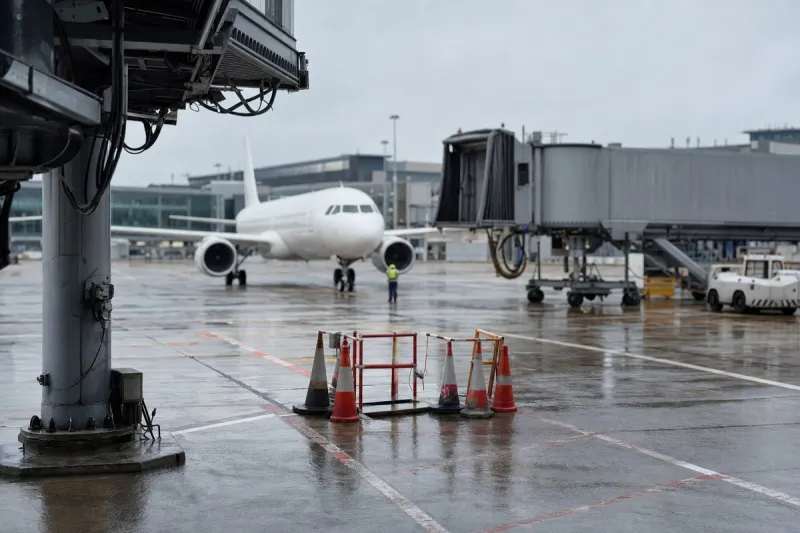
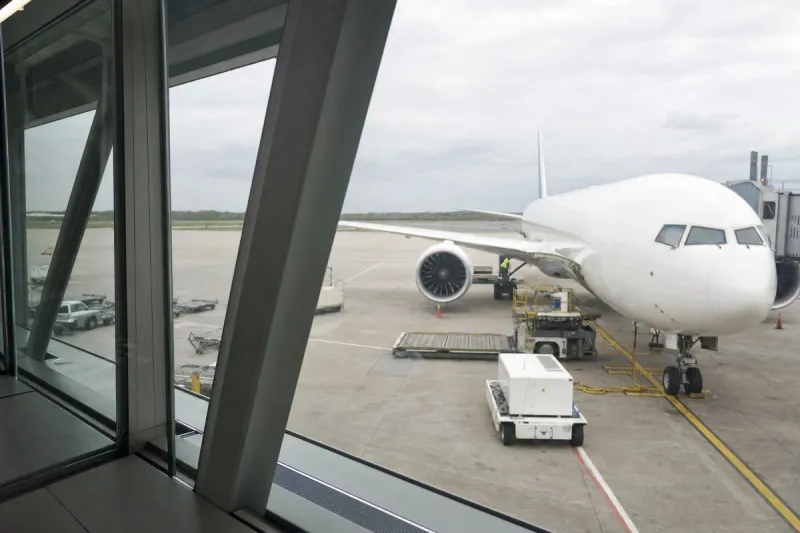
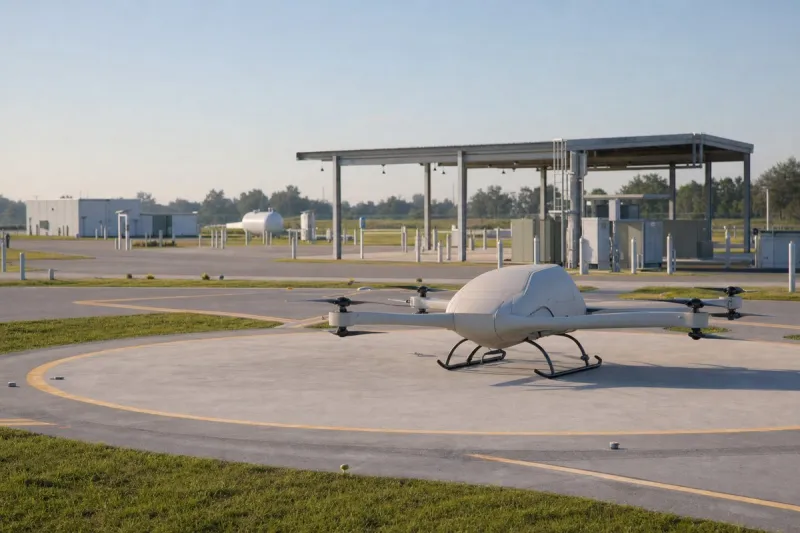
FAA Administrator Bryan Bedford told reporters Tuesday after an aviation event that an antenna was relocated and a procedure changed following an August 4 incident in which a military helicopter carrying President Donald Trump came too close to a passenger jet departing Reagan Washington National Airport. Bedford said he was confident the communication issue had been resolved.
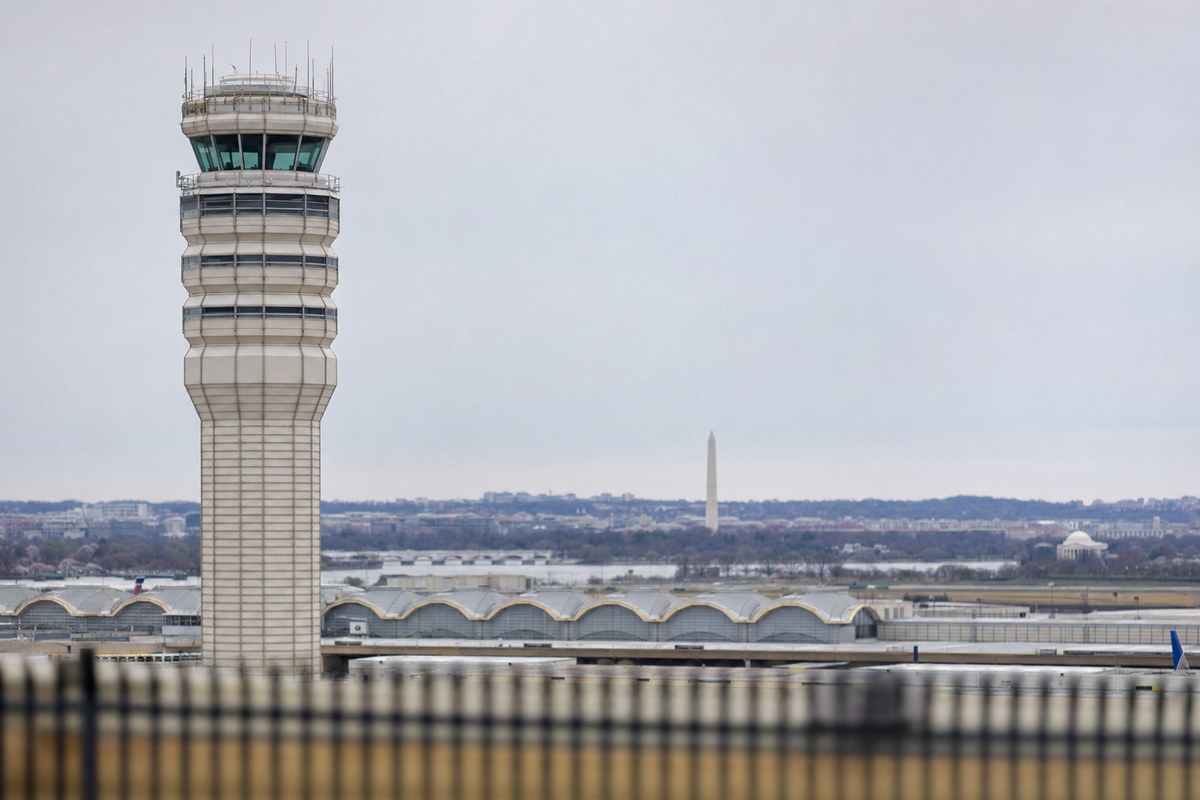
The National Transportation Safety Board is investigating the incident, which raised questions about why the passenger airplane was permitted to depart while Marine One was nearby, a period when commercial traffic is typically halted. The incident followed a January 2025 mid-air collision between a military helicopter and a commercial jet near the same airport that killed 67 people, after which the FAA barred mixed helicopter and jet traffic in the area.
Bedford also addressed broader FAA funding and modernization issues. Congress awarded the agency $12.5 billion last year to replace outdated air traffic control telecommunications infrastructure and radar surveillance systems, following a series of outages affecting Newark and Washington traffic and a 2023 system failure that forced a nationwide ground stop. Bedford has requested an additional $10 billion from Congress, warning that without further funding the agency would "fail to deliver modernization." The FAA plans to deploy a system called SMART, awarded under an $875 million, 12-year contract to Air Space Intelligence, to reduce congestion using predictive analytics to manage flights before departure, with testing set to begin September 14 in cooperation with several commercial airlines. The agency also extended mandatory flight cuts at Chicago O'Hare International Airport, where it ordered airlines in April to reduce 300 daily flights due to congestion, through October 2027.
Industry impact & what to watch
A near-miss occurring after a fatal collision and a subsequent traffic-separation rule at the same airport points to a gap between procedure on paper and coordination in practice, particularly where military and civilian flights share the same airspace and controllers must manage both under time pressure.
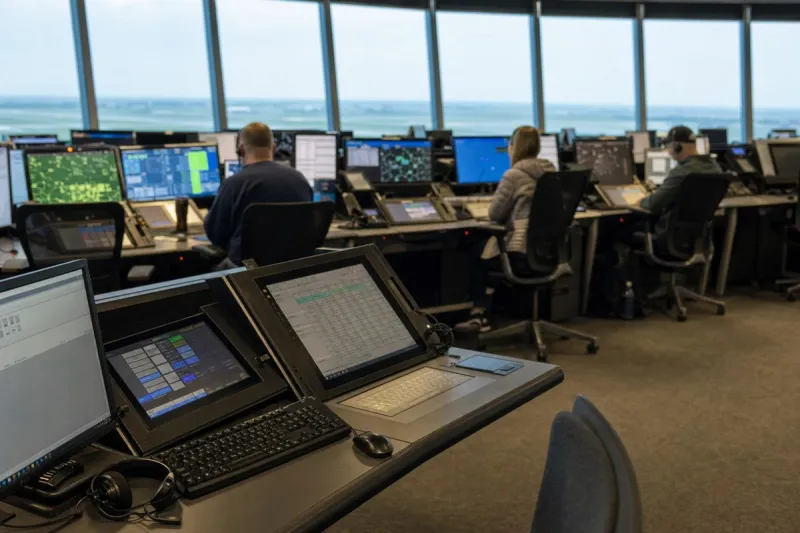
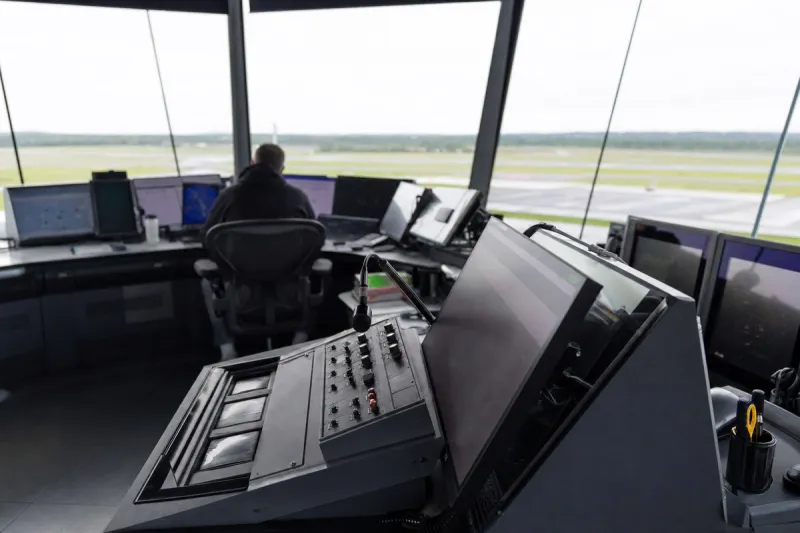
Airspace near Reagan Washington National works on close sequencing between air traffic control, the military flight and commercial departures, so a single communication lapse — here tied to antenna placement — can put a helicopter and an airliner in the same corridor even after a formal ban on mixed traffic. The FAA's broader funding request, the SMART rollout and the extended O'Hare flight cuts show an agency trying to modernize infrastructure and manage congestion at the same time it is still working through unresolved coordination risk at one of its most sensitive fields.
The NTSB investigation into the August 4 incident will determine whether the antenna relocation and procedural change fully address the underlying cause, and Bedford's request for an additional $10 billion in Congress will shape how much of the telecommunications and radar modernization actually proceeds on schedule.