Italy's ENAC Drafts Flight Cuts at Milan Malpensa Over EU Biometric Border Queues, Then Suspends the Plan
Why It MattersThe episode shows border-processing capacity, not runway or terminal space, can become the binding constraint on airport schedules, and that slot planning rests on assumptions about immigration throughput that regulators may revisit.
What happened
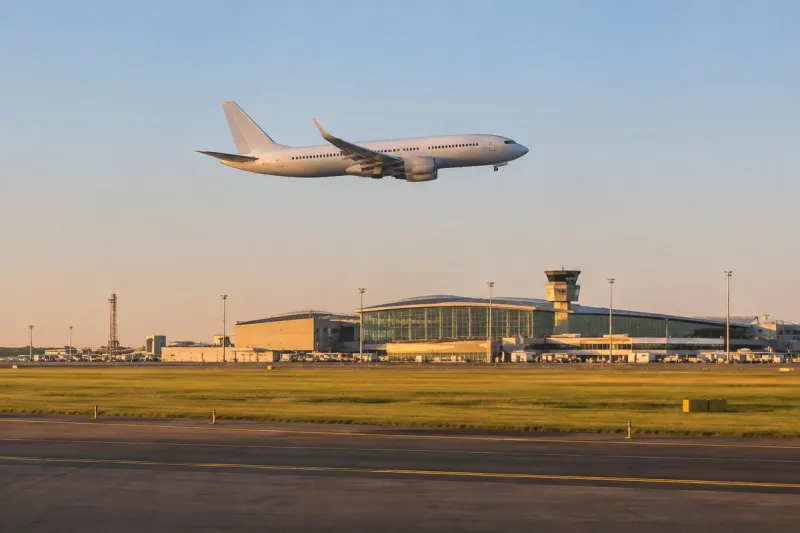
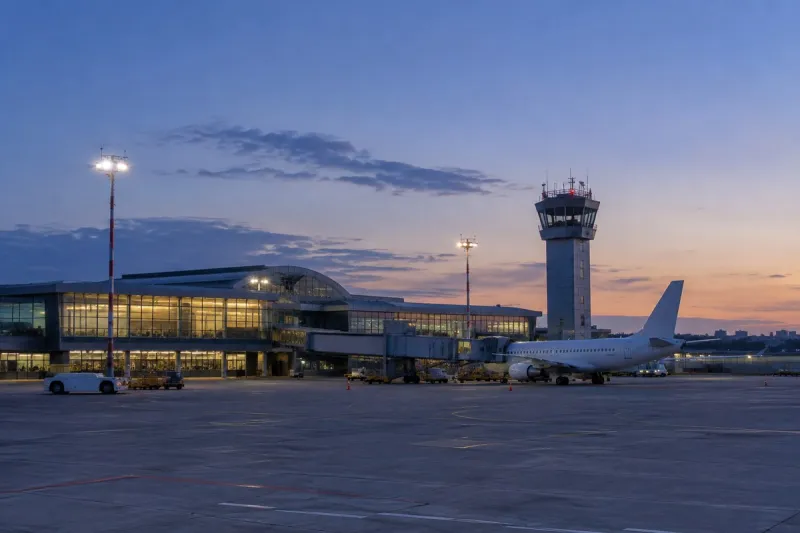
Italy's civil aviation authority, ENAC, drew up plans to reduce flights at Milan Malpensa Airport for the Summer 2027 season, citing concerns that the EU's Entry/Exit System (EES) biometric border controls would overwhelm the airport. After airlines and industry bodies objected, ENAC suspended the measure within hours of Italian newspaper Corriere della Sera reporting on it.
The EES was introduced gradually from October 2025. According to Corriere della Sera, it became fully operational on April 10, 2026. The system registers non-EU travellers entering the Schengen area by collecting fingerprints and a photograph. Passengers scan their passport, provide fingerprints and have a photo taken at a kiosk, then queue at a regular immigration counter where an officer decides on entry. The kiosks have suffered software crashes, and at some airports banks of kiosks sit idle, forcing passengers to have their biometrics collected at ordinary immigration counters.
In mid-October, ENAC's Lombardy regional directorate cited serious disruption linked to extra-Schengen passenger checks and security-check waiting times. It adopted new capacity parameters for Malpensa's Summer 2027 season, which runs from late March to late October. At Terminal 1, departing-passenger capacity would fall from 4,300 to 4,100 per hour, while Terminal 2, used only by easyJet, would stay at 2,500 passengers per hour. The 4,100 figure depended on expanding the security-checkpoint queuing areas by at least 200 square metres by May 2027. Corriere calculates this as roughly one flight fewer per hour.
Airports Council International Europe (ACI Europe) director general Olivier Jankovec wrote on November 19 to Transport Minister Matteo Salvini, copying Interior Minister Matteo Piantedosi and Tourism Minister Gianmarco Mazzi. He expressed "deepest concern", called the measure unprecedented and warned of damage to the connectivity of Milan, Lombardy and Italy, noting airlines had already planned their Summer 2027 schedules. ENAC then said Malpensa's 2027 summer capacity parameters had so far remained unchanged and that the note ordering the downsizing was suspended.
Separately, ACI Europe again called for discretionary EES measures to be extended into Summer 2027, warning that $45.4 billion in visitor spending was at risk.
Industry impact & what to watch
The Malpensa draft is an unusual case of a regulator treating passenger-processing capacity as a reason to trim schedules. Airport capacity is normally discussed in terms of runways, stands and terminal space; here the limiting step is the immigration hall, where manual biometric capture at ordinary counters slows every non-EU arrival. Where the border stage cannot absorb peak banks of extra-Schengen arrivals, pressure to throttle flights tends to follow, and Malpensa is one place where that pressure briefly became formal policy.
The speed of the reversal also shows how exposed such decisions are once schedules are set. Airlines had already planned Summer 2027, and a capacity change announced after that point lands on commercial plans rather than on a blank sheet. ACI Europe's intervention at ministerial level, and ENAC's retreat within hours of press coverage, indicate that cuts of this kind are likely to meet organised resistance from airlines and airport bodies.
The point still pending is the meeting ENAC said would follow with public and private stakeholders, which will show whether the capacity parameters stay unchanged or return in modified form. The 200-square-metre expansion of the security queuing areas by May 2027 is the other concrete marker, since the 4,100-per-hour figure was tied to it.