ICAO Framework for Certified International RPAS Operations Becomes Applicable on November 26, 2026
Why It MattersInternational RPAS flying is now treated as certified aviation, where operator, aircraft and pilot credentials and per-state approvals must align and can differ by country, so small-drone habits do not carry across.
What happened
ICAO's international framework for remotely piloted aircraft systems (RPAS) became applicable on November 26, 2026. It applies to RPAS that authorities certify under Annex 8 for international operations. It does not automatically replace domestic small-drone rules, and it does not authorize a cross-border mission on its own.
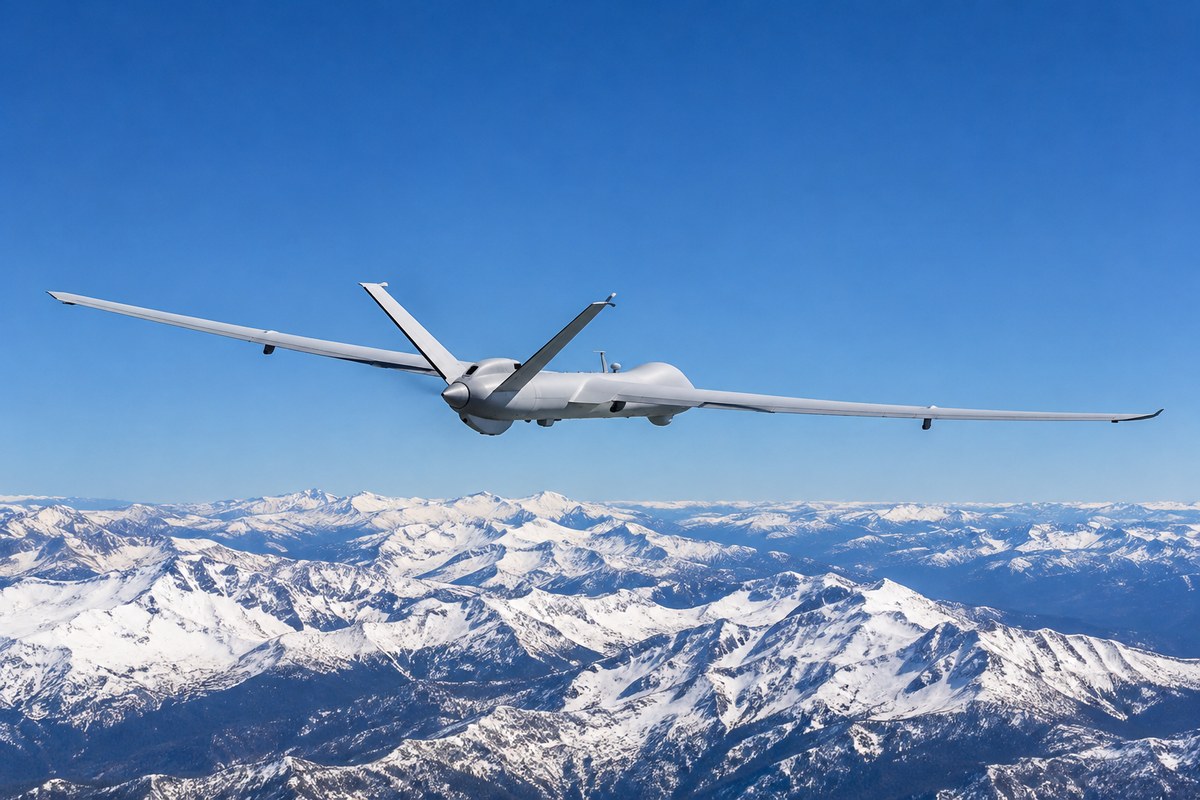
Annex 2 now requires an Annex 8 RPAS to have an operator certificate under Annex 6, Part IV. The remote pilot must hold an Annex 1 licence, or a state must validate that licence, and the aircraft and its system components must meet the relevant airworthiness and certification provisions. The ICAO Council's adoption notice describes three linked building blocks: a remote pilot licence, a certificate of airworthiness and an RPAS operator certificate. Annex 6, Part IV also covers operations manuals, performance limits, instruments and equipment, communications, navigation, maintenance and remote crew.
State authorization remains a separate requirement. Annex 2 requires the operator to obtain authorization from every state where the aircraft will operate, and unless a state says otherwise, the application must be made at least seven days before the flight. ICAO Annex 19 Amendment 2, also applicable from November 26, extends safety-management-system provisions to certified RPAS operators authorized for international operations and to approved maintenance organizations supporting them.
Where national rules differ
States can notify differences where their regulations do not match an ICAO provision, so the rules are not identical everywhere. The FAA's published ICAO differences state that RPAS-specific operational rules for international operations are not currently implemented in Title 14 of the Code of Federal Regulations.
The new applicability date does not by itself change rules for domestic Canadian small-RPAS work. Those remain governed by the Canadian Aviation Regulations, Transport Canada approvals and NAV CANADA airspace procedures.
Industry impact & what to watch
The framework separates two worlds that are often discussed together. Domestic small-drone work stays under national rules, while an internationally flown, certified RPAS is now treated like other certified aircraft: operator, aircraft and pilot credentials have to line up, and each state on the route has its own approval step. A commercial proposal that assumes one country's drone permissions will carry across a border no longer matches how the segment is set up.
The seven-day default for state applications makes lead time a fixed cost of any international mission, and the notified differences mean that lead time and conditions can vary from one state to the next. The FAA's published position shows that implementation is uneven: the ICAO text is applicable, but a state can still lack RPAS-specific operational rules of its own.
The items that will settle how workable this is in practice are the differences individual states notify to ICAO and the lead times they publish for authorization. Operators planning international missions are advised to identify every state on the route, map operator, aircraft and crew credentials against the requirements, review those notified differences, and build regulatory contingencies into commercial proposals.