COMAC Consolidates Development and Operating Protocols for CE25A, Its First All-Electric Commercial Aircraft, in Shanghai
Why It MattersElectric regional aviation depends less on the airframe than on grid capacity at secondary airports and on certification methods for large lithium batteries, which determine whether feeder-route economics can change.
What happened
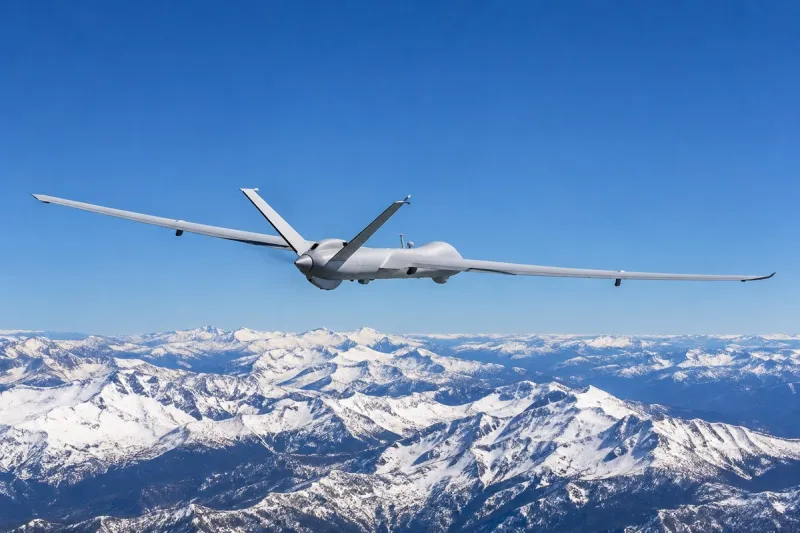
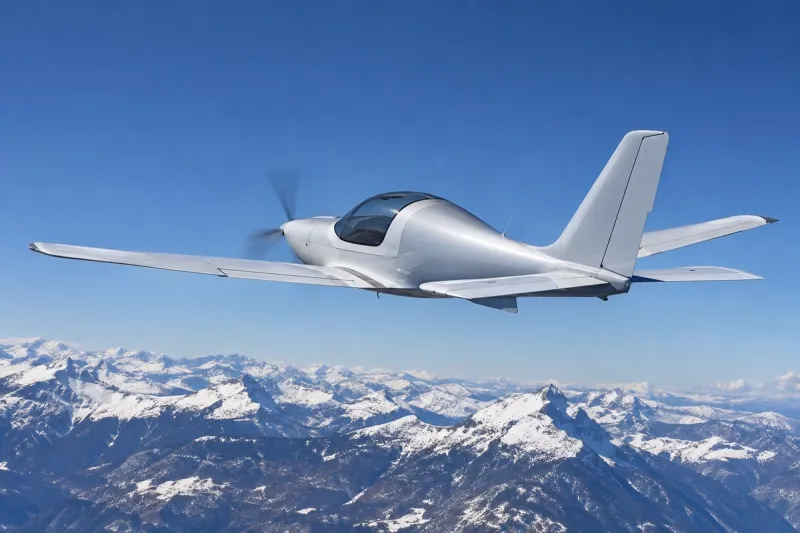
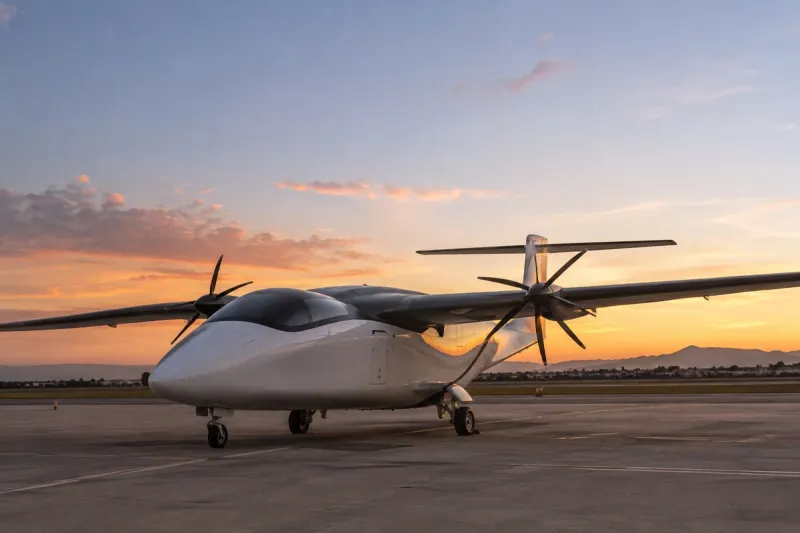
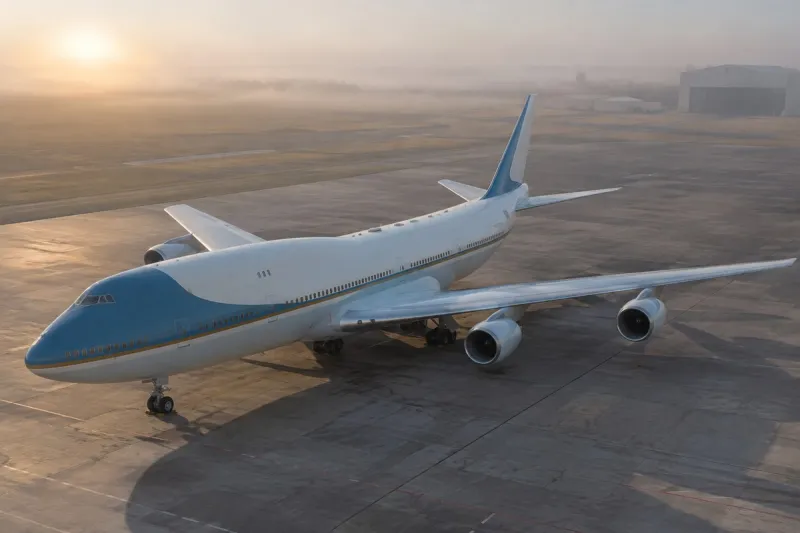
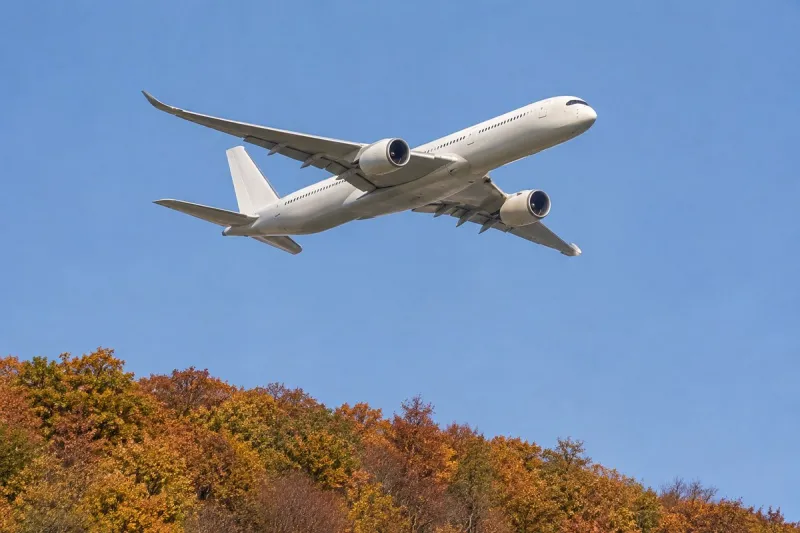
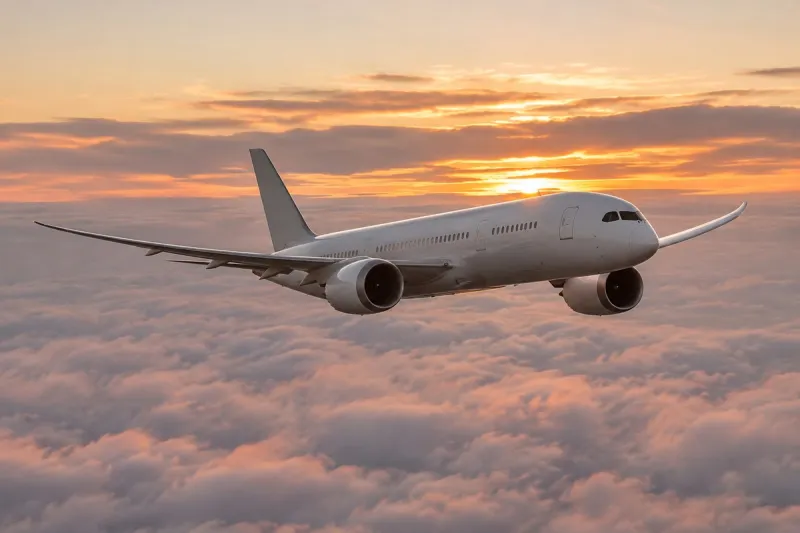
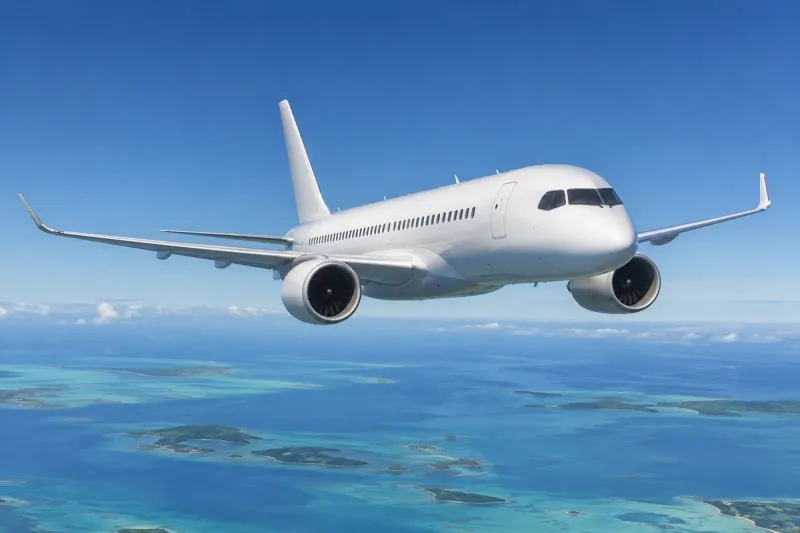
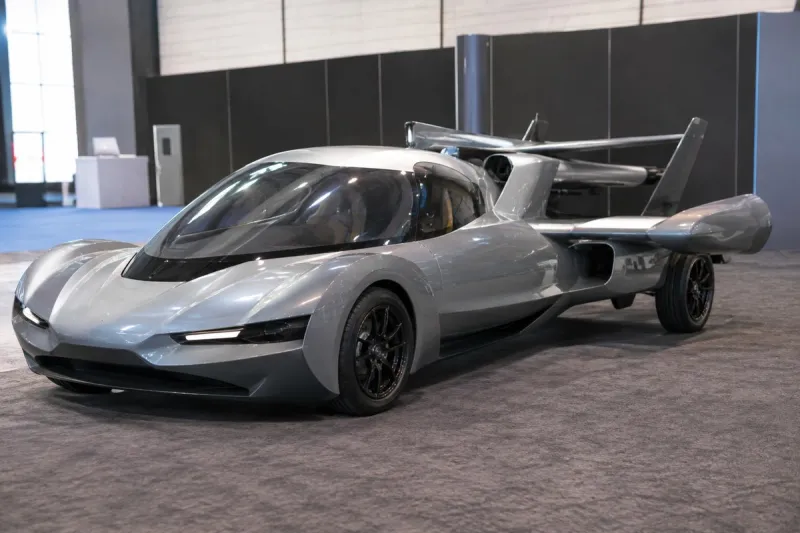
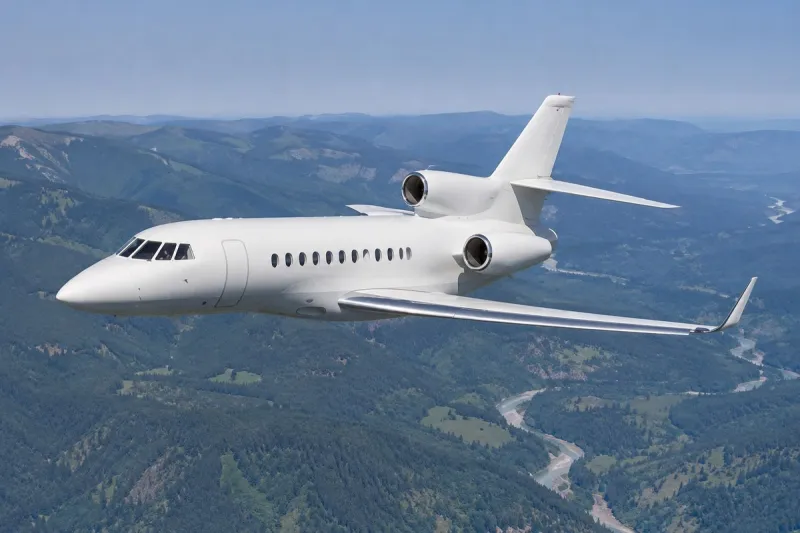
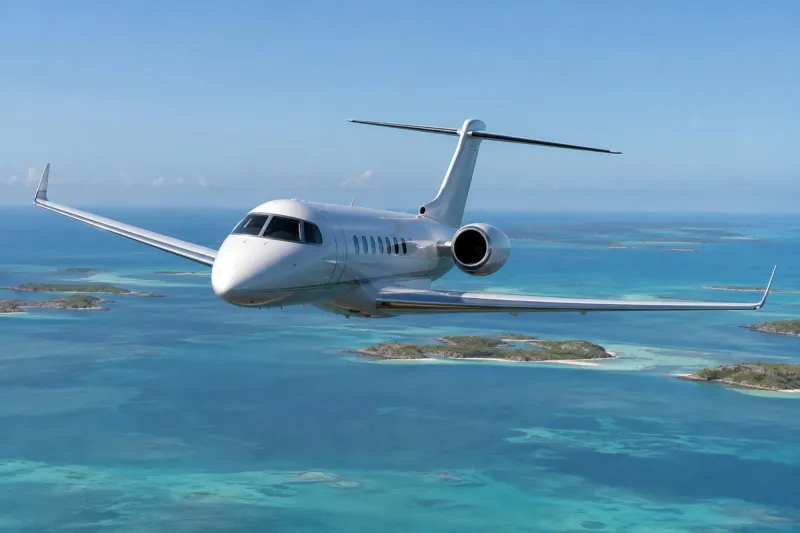
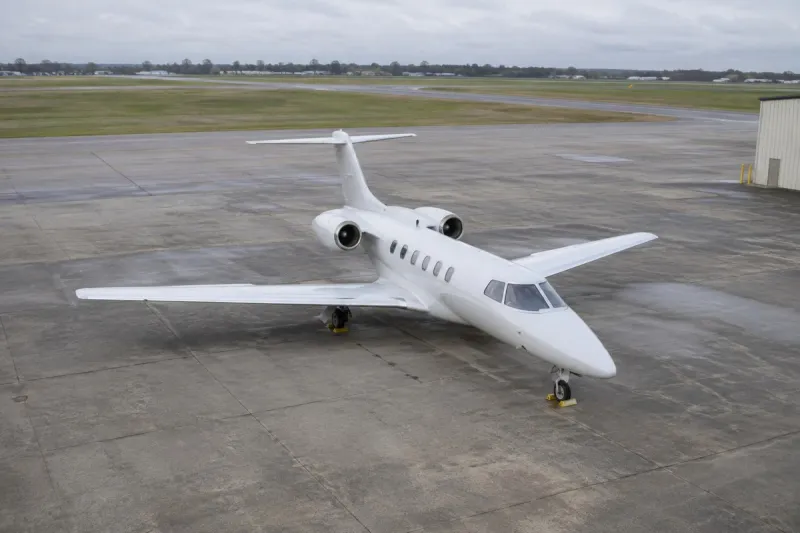
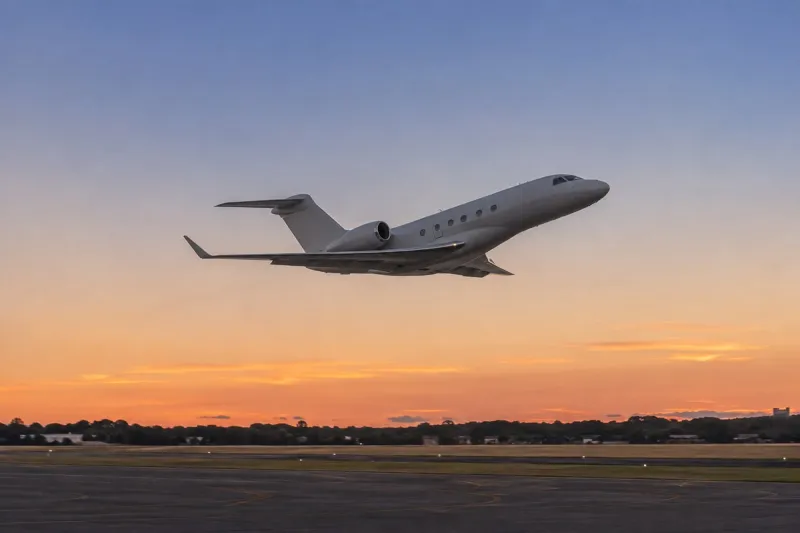
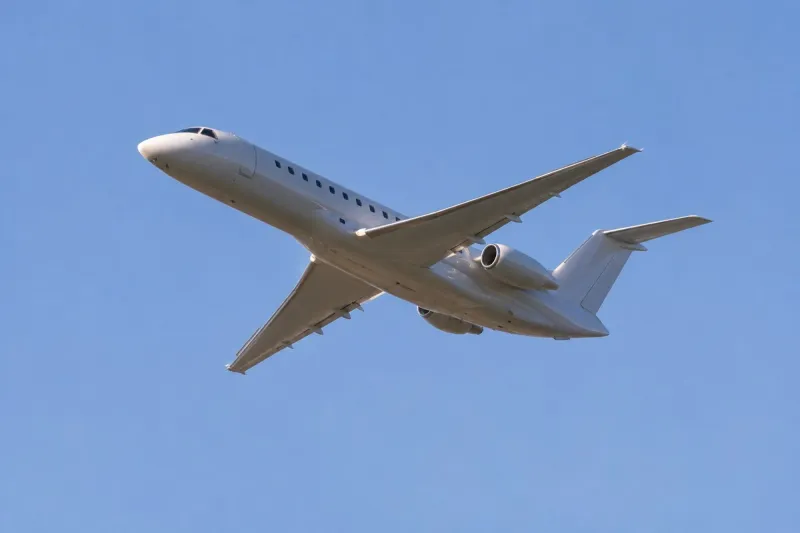
China's state-owned manufacturer Commercial Aircraft Corporation of China (COMAC) consolidated the development and operating protocols of the CE25A, its first commercial aircraft with 100% electric propulsion, at its research and development facilities in Shanghai during the 2026 industrial cycle. The move marks COMAC's formal entry into zero-emission regional aviation, targeting short-haul passenger and light-cargo transport in the domestic Chinese market and the wider Asia-Pacific region.
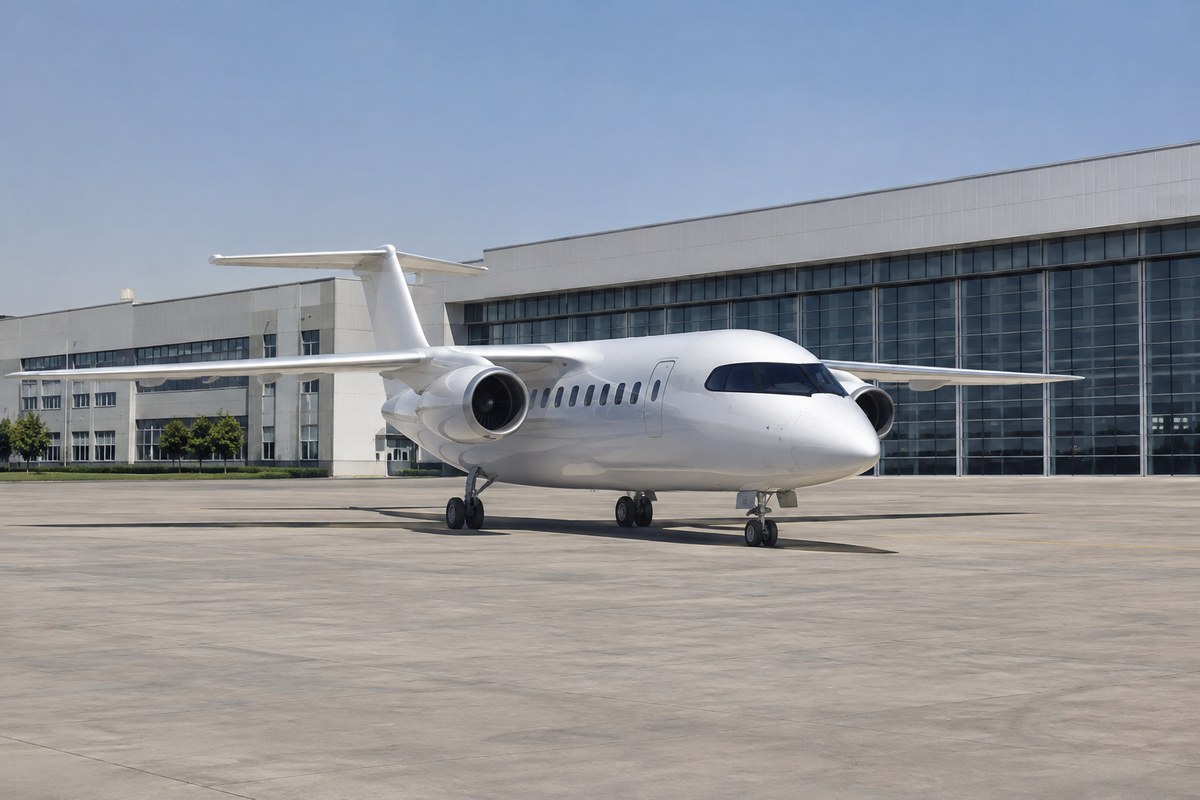
The project responds to energy-transition guidelines set by the central government in Beijing for the transport sector. By replacing internal combustion engines with electromechanical propulsion powered by high-energy-density batteries, the company aims to cut regional aviation's dependence on fossil fuels and lower operating costs for airlines flying feeder routes between secondary cities.
The aircraft's engineering combines a carbon-fibre composite fuselage designed to offset battery mass, elongated wings to improve glide efficiency, and permanent-magnet synchronous electric motors paired with silicon-carbide (SiC) power controllers. This architecture is stated to deliver energy conversion efficiency above 95%, against thermal efficiency below 40% for conventional turbine engines. Multiple independent electrical distribution buses are intended to allow safe landing after the failure of a single battery module.
Battery supplier CATL has worked with aeronautical research institutes on semi-solid-state cells with energy densities above 400 Wh/kg, and China holds more than 70% of the world's lithium refining and energy-storage cell production capacity. Estimated reductions run up to 40% in maintenance, repair and overhaul (MRO) costs and up to 60% in noise compared with turboprops. Fuel typically accounts for 25% to 35% of a regional airline's total costs.
Infrastructure and certification hurdles
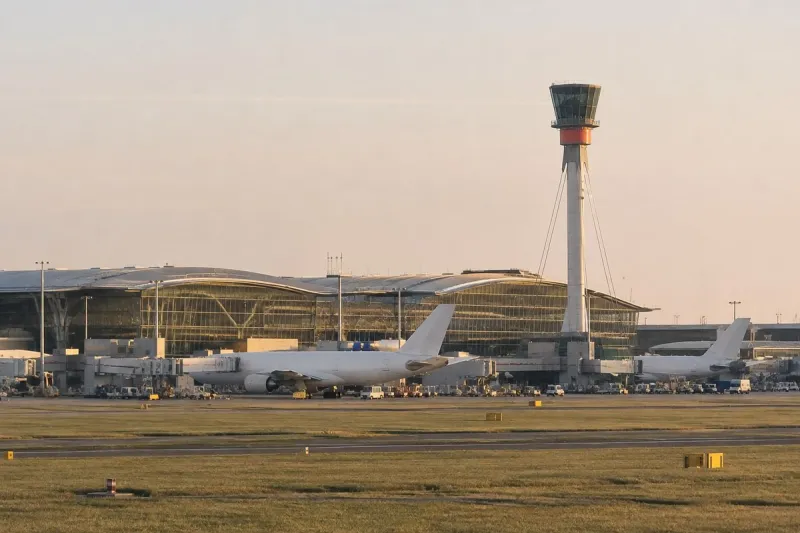
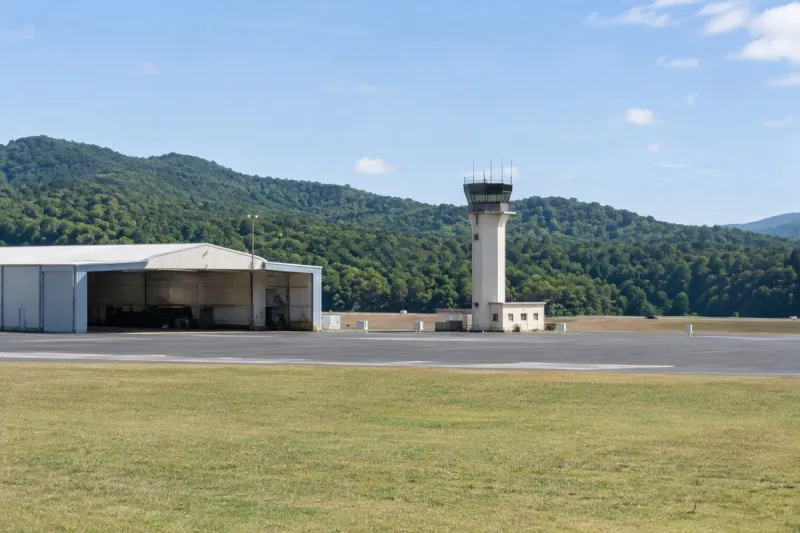
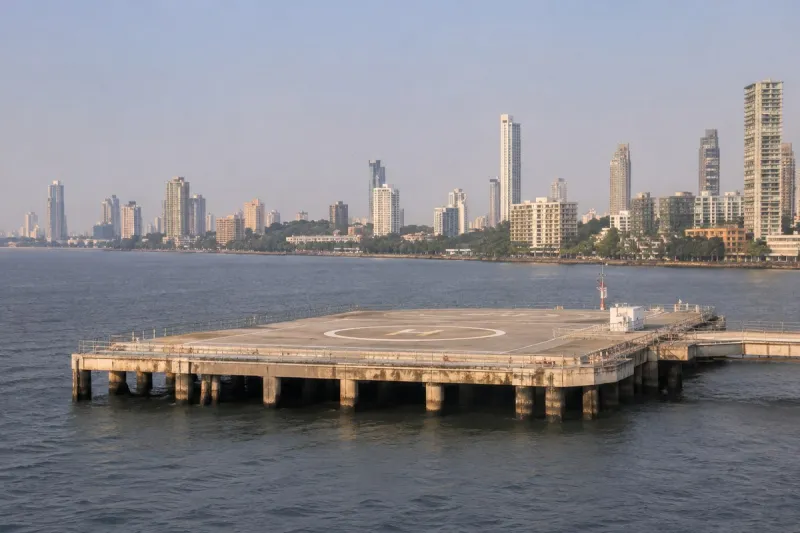
Large-scale viability depends on airport infrastructure capable of delivering megawatt-level fast charging, ideally in under 30 minutes. Many secondary airports' grids cannot support that without stationary battery storage systems.
Airworthiness certification must also develop new methods for testing thermal-runaway containment in large lithium batteries and electromagnetic shielding of flight controls. The Civil Aviation Administration of China (CAAC) has established experimental air corridors and specific rules for electric and hybrid aircraft.
Industry impact & what to watch
The CE25A shows where electric regional aviation is being decided: less in the airframe than in the ground system around it. Feeder routes between secondary cities are the segment where fuel is a large cost line, which is why battery-electric propulsion is being aimed there first. The same airports are the ones whose grids are least able to supply megawatt-level charging, so aircraft readiness and airport readiness have to arrive together for the operating-cost case to hold.
Supply-chain position also shapes the segment. With a domestic manufacturer, a domestic cell supplier and a domestic regulator that has already set up experimental corridors, the certification and sourcing steps sit inside one national system. That compresses the coordination problem that Western electric-aircraft programmes handle across several jurisdictions, though it does not remove the technical work on thermal-runaway containment.
The efficiency, cost and noise figures are estimates, and they will stay estimates until in-service data exists. The milestone that would settle the economics is a certified aircraft operating on a route whose airport has the stationary storage and charging capacity to turn it around in under 30 minutes.