Singapore Delays SAF Cargo Levy to 2028, Passenger Levy Stays on Track for 2027
Why It MattersThe staggered rollout signals regulators may phase SAF cost mandates by segment, easing cargo-side compliance while passenger aviation absorbs levy costs sooner.
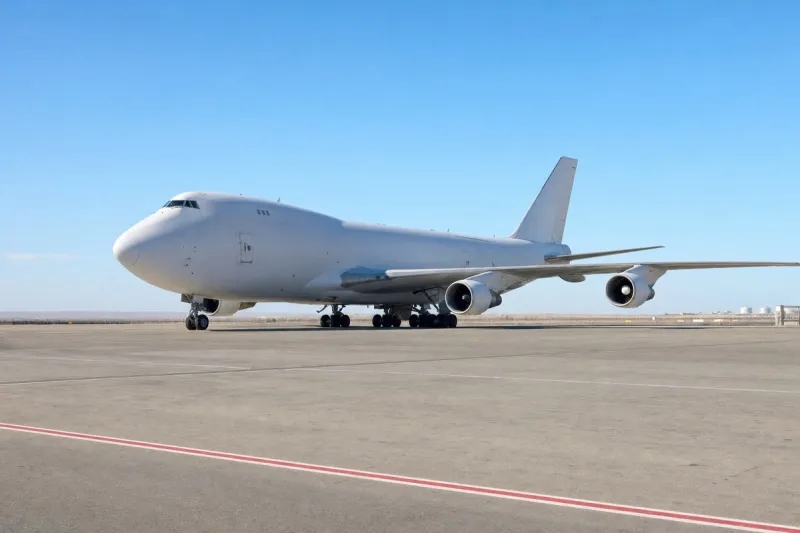
Singapore has pushed back its sustainable aviation fuel (SAF) cargo levy by one year, with the charge now applying to services sold from October 1, 2027, for flights departing Singapore from January 1, 2028. The passenger levy remains unchanged, with travellers departing from January 1, 2027, paying the charge on tickets bought from October 1, 2026.
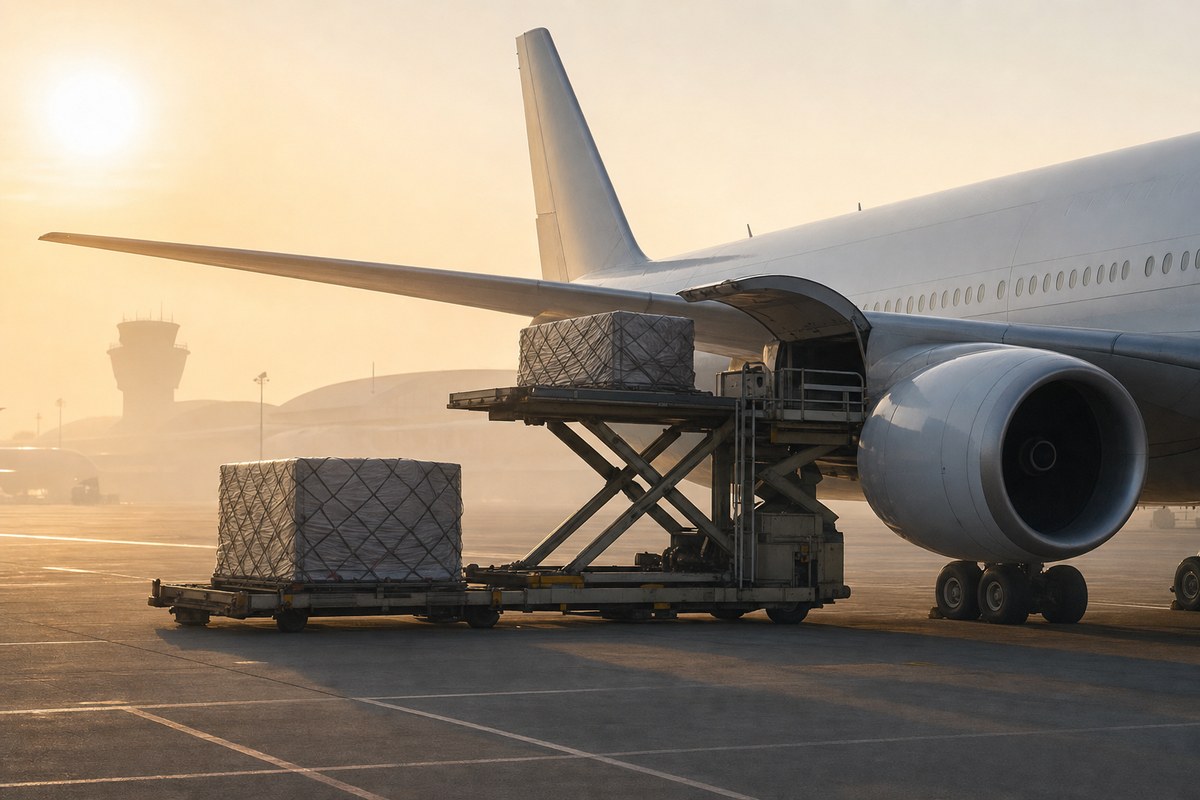
CAAS said the cargo delay accounts for the operational complexity of air freight, which involves airlines, air express companies, freight forwarders, shippers, and varied commercial arrangements, and stated the extra year will allow it to work with industry to build a robust levy collection mechanism for cargo shipments.
Passenger fees will vary by flight distance and cabin class, ranging from $0.79 for an economy short-range flight to $32.80 for a business-class ticket to the Americas. Proceeds will go into a SAF Fund run by the Singapore Sustainable Aviation Fuel Company (SAFCo), a CAAS-owned non-profit that will collect levies, aggregate demand, and procure SAF and related environmental attributes; SAFCo plans to issue a request for proposals by end-2026, with first fuel delivery expected mid-2027.
The levy is part of Singapore's Singapore Sustainable Air Hub Blueprint, launched in February 2024, which targets a 20% cut in domestic aviation emissions from airport operations by 2030 and net-zero domestic and international aviation emissions by 2050. Singapore initially requires a 1% SAF share for departing flights, a figure authorities expect to rise as supply expands, with CAAS estimating SAF could contribute nearly two-thirds of the emissions reductions needed for aviation to reach net zero by 2050.