Six Tax Pitfalls to Avoid When Buying a King Air, According to Aviation CPA
Why It MattersHighlights growing scrutiny of aircraft ownership structures and tax compliance as business owners increasingly use entity purchases to acquire turboprops like the King Air.
Business owners purchasing a King Air face several tax planning risks that can be avoided with preparation before closing, according to Noah Block, CPA, a tax advisor at Aviation Tax Consultants based in Chicago.
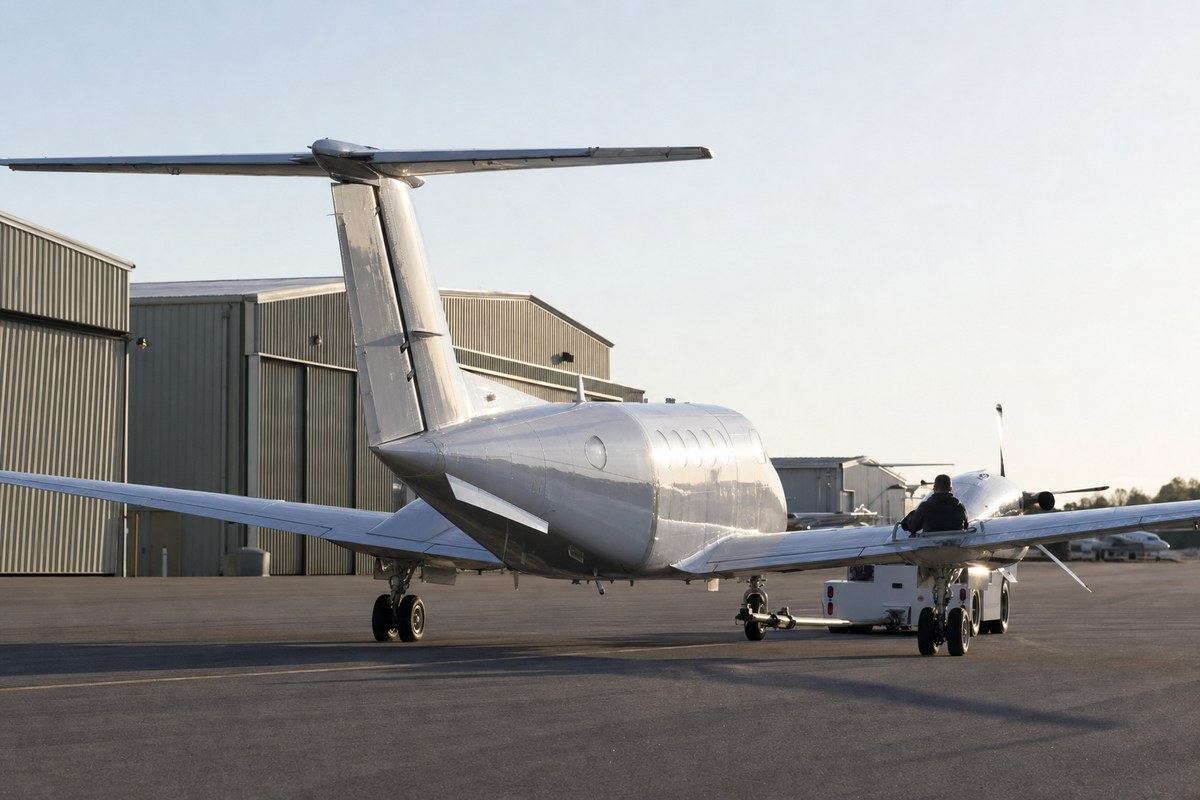
Block identifies six common mistakes. The first is buying in the wrong entity: forming an LLC to own the aircraft is often appropriate, but its membership structure must account for who uses the aircraft and how deductions flow to the taxpayer, or it can raise IRS audit risk and trigger passive activity or related-party leasing problems. The second is assuming all costs are fully deductible, since bonus depreciation generally requires the aircraft be used more than 50% for qualified business use, with every flight and passenger analyzed individually. The third is waiting until after closing to address state tax, which can generate a six-figure state sales and use tax liability, since closing in a fly-away state does not eliminate use-tax exposure in the home state.
The fourth mistake is failing to maintain complete flight logs, the primary tax record supporting how the aircraft was used, which can create problems in an audit if incomplete. The fifth is ignoring personal use and Standard Industry Fare Level (SIFL) reporting, the prescribed method for valuing non-business flights on employer-provided aircraft. The sixth is missing the placed-in-service timing, since signing a purchase agreement or funding escrow does not establish that the aircraft is ready and available for its intended business use, and delays from inspections, maintenance, delivery, registration or pilot training can push the placed-in-service date into the following tax year, deferring depreciation.
Block advises buyers to coordinate ownership structure, state tax planning, flight-log procedures and personal-use reporting with an aviation tax advisor and their regular CPA before closing.