San Francisco International Airport Plans October 3 Return of Departures to Runways 1L/1R After Six-Month Rehabilitation
Why It MattersThe case shows how airport capacity recovery depends on compounding factors beyond construction completion, so a published runway restoration date signals improved conditions rather than a guaranteed reduction in delays.
What happened
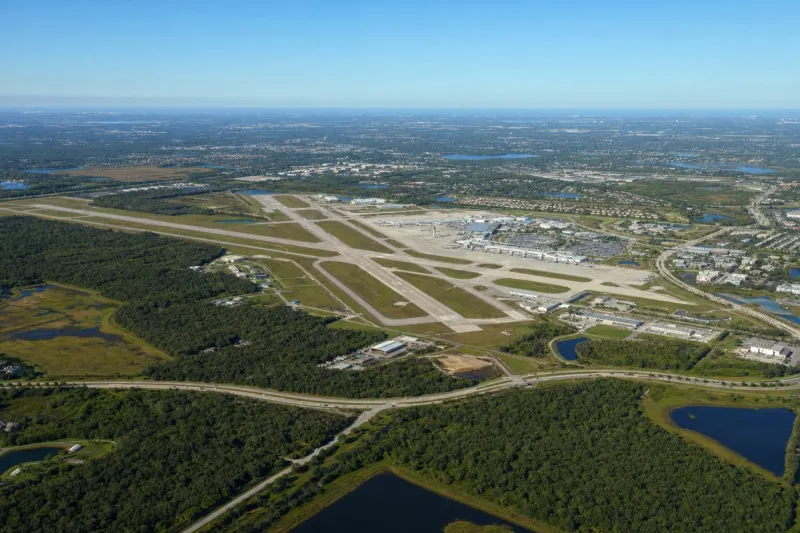
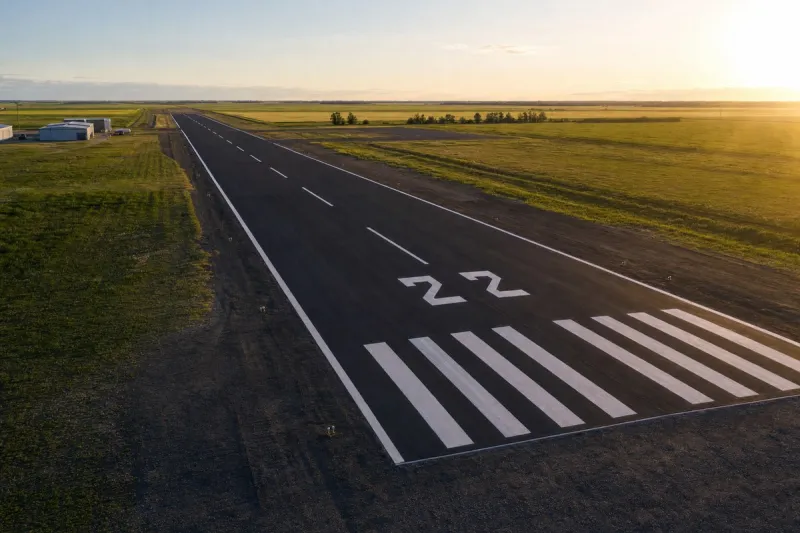
San Francisco International Airport (SFO) plans to restore departures to the north-facing Runway 1L/1R pair on October 3, ending a temporary arrangement under which both arrivals and departures were routed through the west-facing Runways 28L and 28R during a six-month rehabilitation of Runway 1R. SFO closed Runway 1R on March 30 to repave its surface and improve nearby taxiways, using the parallel Runway 1L as a taxiway during construction.
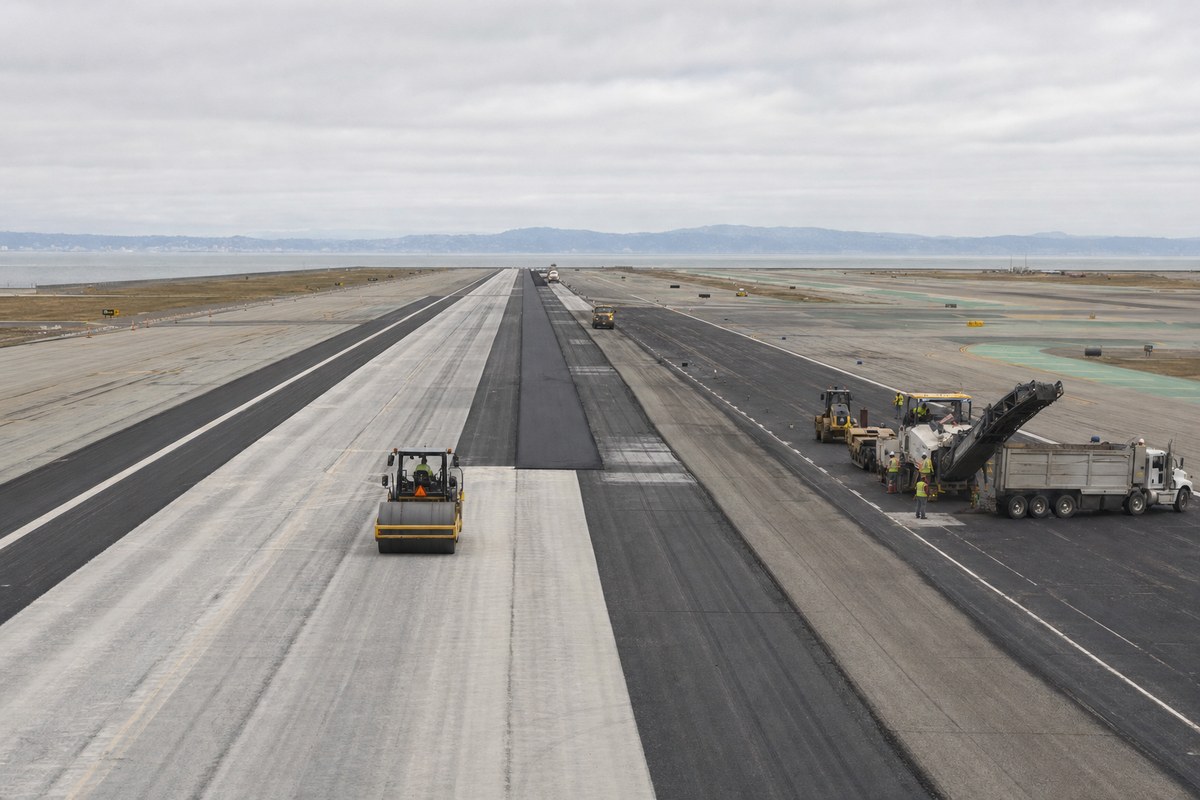
Under SFO's published plan, most departures will shift back to the 1L/1R pair, though runway assignments will still depend on weather and aircraft requirements. High winds can shift departures back to the 28 runways, and Fleet Week activities are expected to alter traffic on the afternoons of October 8–12. SFO estimates that the completed project, combined with revised arrival procedures from the FAA, will raise hourly arrival capacity to approximately 45–48 aircraft under suitable conditions, compared with 36 arrivals per hour during the most restrictive period after construction began and after the FAA ended side-by-side approaches in clear weather. Before the closure and procedural change, SFO cited a maximum of 54 arrivals per hour.
The runway configuration affects United Airlines (UA), which accounted for 48.7% of SFO's seats in fiscal 2025, as well as other carriers. SFO estimates the total rehabilitation cost at US$215 million, including US$92.1 million in FAA funding. A September project update reported that crews replaced 64 miles (103 km) of electrical cable and installed 2,440 light fixtures, alongside the runway paving and taxiway work.
Industry impact & what to watch
Runway rehabilitation projects of this kind follow a familiar arc at busy single-hub airports: a parallel-runway closure forces a temporary configuration with lower throughput, followed by a restoration date meant to recover capacity once construction and any related procedural changes are complete. The jump from 36 to an estimated 45–48 arrivals per hour is a theoretical increase from the most restrictive point, not a measured reduction in delays, since actual performance depends on demand, weather and air traffic control on any given day.
For a hub carrier like United, which held 48.7% of SFO's seats in fiscal 2025, more usable arrival slots can lower the chance that a busy bank of flights exceeds available capacity, but the airport's own figures show the pre-closure maximum of 54 arrivals per hour has not been recovered. Low-visibility arrival capacity is a separate constraint from the clear-weather figures cited for the restored configuration.
The days immediately following October 3 will show how the new configuration performs against variables SFO has already flagged: high winds pushing operations back to the 28 runways, and the October 8–12 Fleet Week schedule altering afternoon traffic.