Gatwick Airport Runway Closed for 50 Minutes After Aircraft Becomes Stranded
Why It MattersA single stranded aircraft on one runway shows how limited runway redundancy at busy single-runway airports can cascade into fleet-wide delay and diversion costs within hours.
What happened
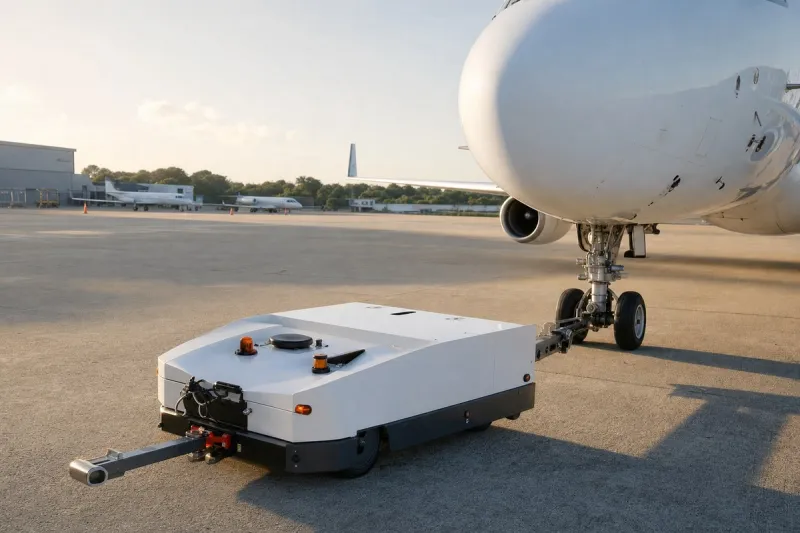
London Gatwick Airport closed its runway for approximately 50 minutes after an aircraft became stranded on it and had to be towed away. Operations resumed once airport personnel completed a full safety inspection of the runway.
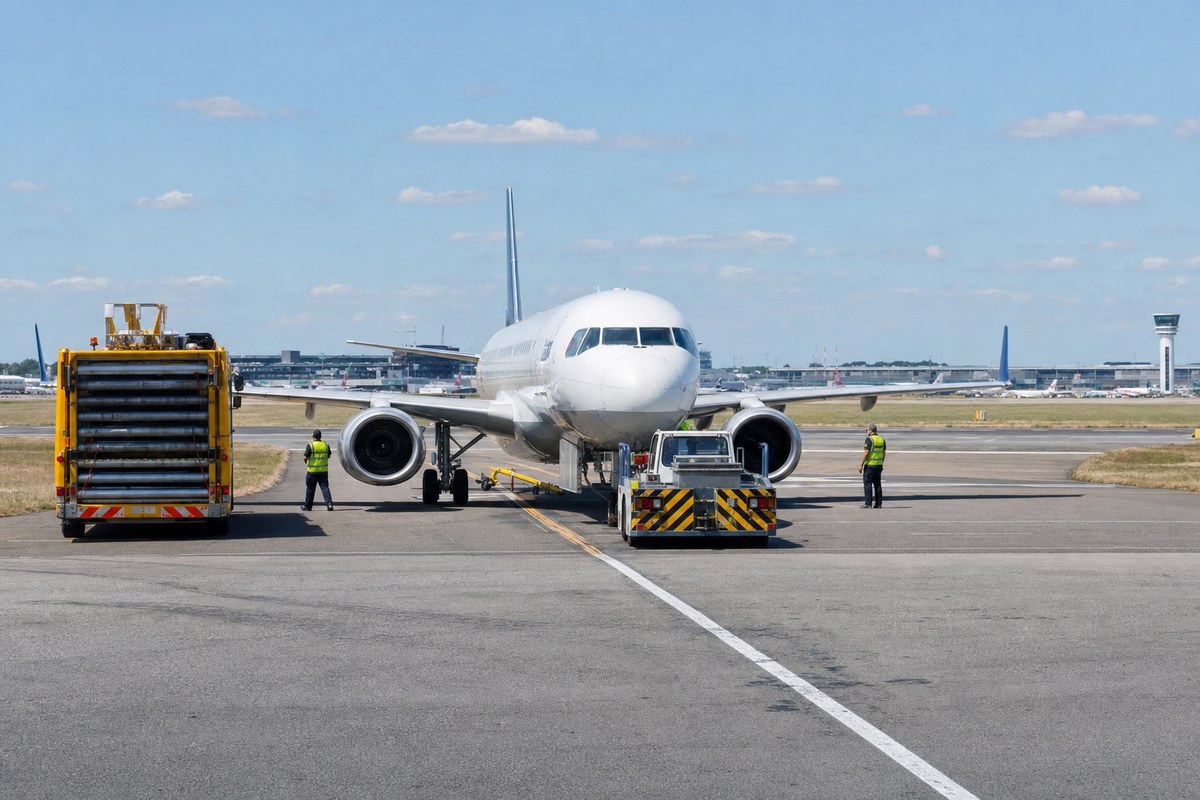
The closure caused widespread disruption across the airport's schedule. Some arriving flights were diverted to London Stansted and Birmingham. By 19:30, Flightradar24 reported that 89% of flights were delayed and 9% were cancelled, with average delays of just over an hour.
Gatwick said safety remained its priority. Airlines are responsible for transporting passengers from diversion airports to their ticketed destinations.
Industry impact & what to watch
A stranded aircraft is a routine operational event, but at an airport that depends on a single main runway, even a short closure has an outsized effect on the day's schedule, since there is no parallel runway to absorb the gap. That single point of failure is what turned a 50-minute closure into delays touching close to nine in ten flights.
Diversions to Stansted and Birmingham illustrate how the burden of a runway closure spreads beyond the airport itself: nearby fields absorb arrivals they were not scheduled to handle, and airlines then carry the cost and logistics of moving passengers onward from those diversion points to their original destinations.
The next signal to watch is how quickly the delay and cancellation figures reported by Flightradar24 taper off through the evening, and whether Gatwick or the airlines disclose the cause of the aircraft becoming stranded.