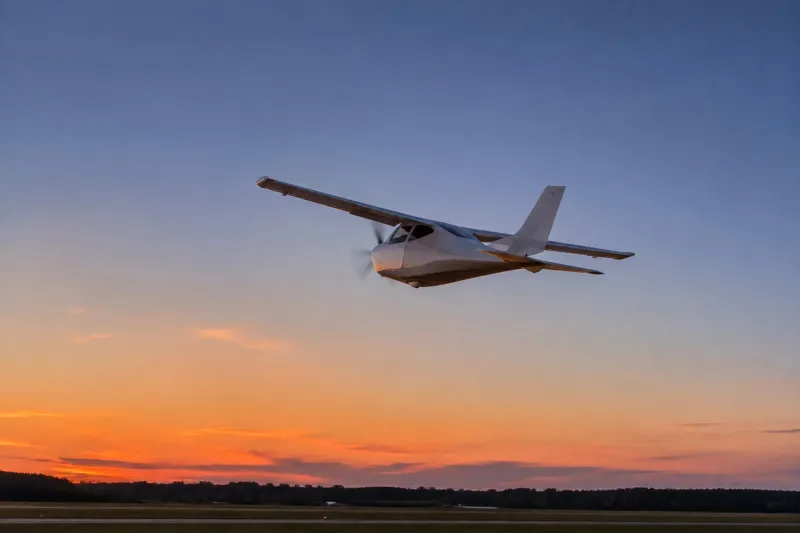
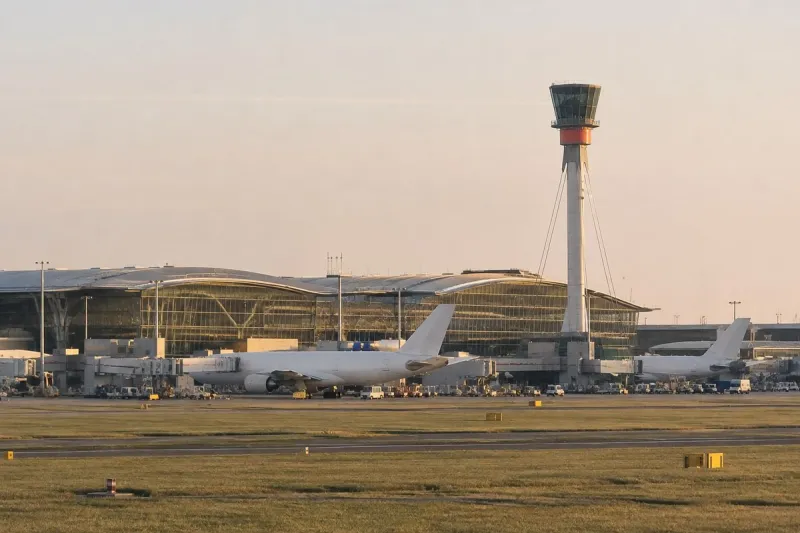
Vinod Khosla's Gulfstream V N85NV Flies 12 nm from San Francisco to Oakland in 19 Minutes
Why It MattersPublic flight-tracking data now exposes short repositioning hops by large business jets, showing how an ultra-long-range aircraft is used for a 12-nautical-mile transfer and attracting scrutiny of its fuel and emissions.
What happened
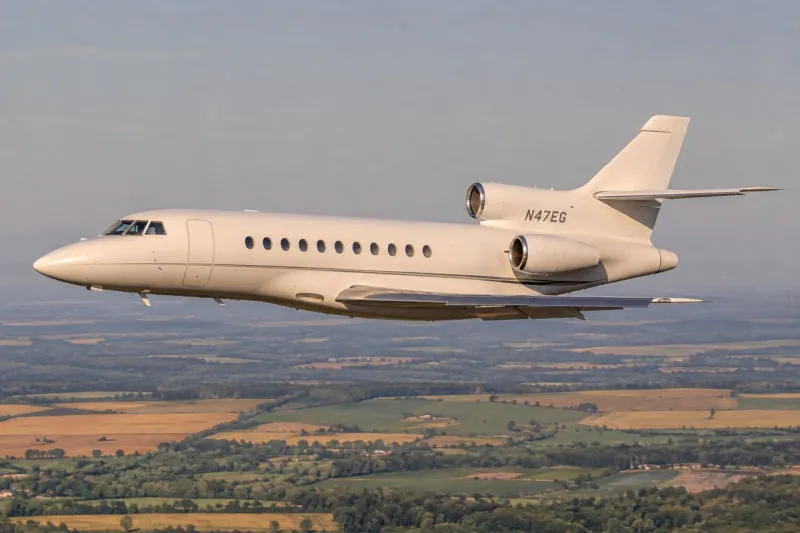
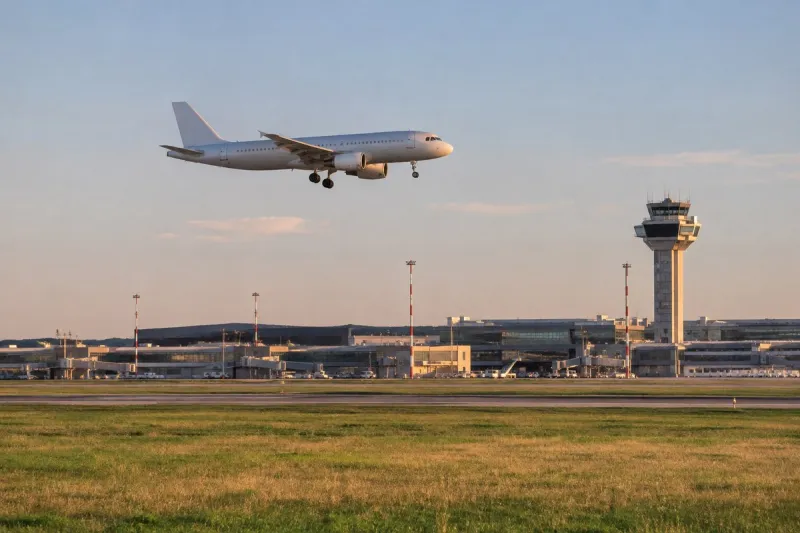
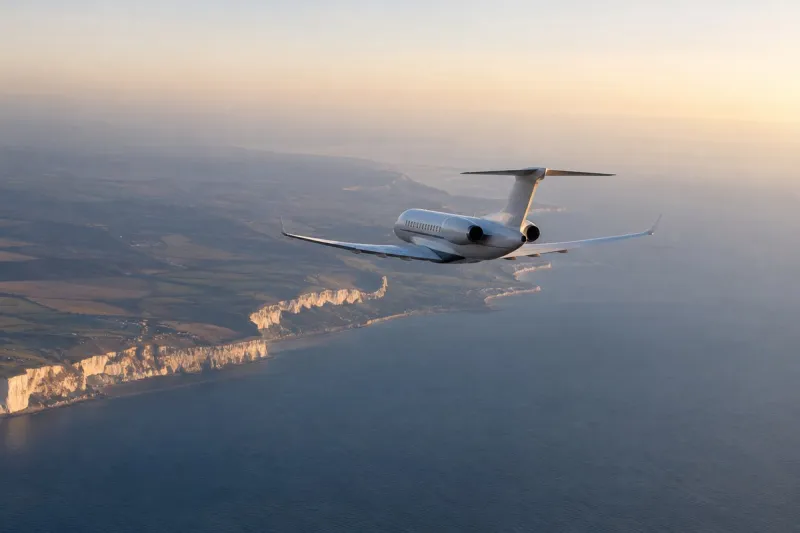
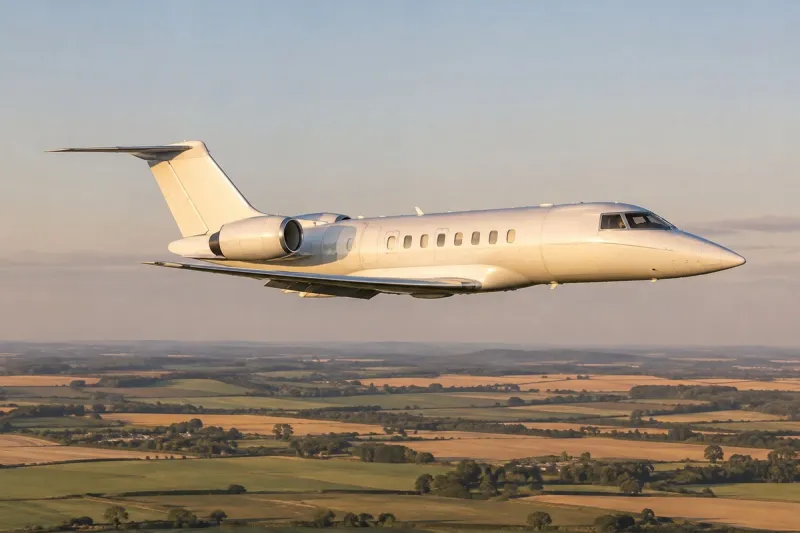
Vinod Khosla's Gulfstream V, registered N85NV, departed San Francisco at 05:21 UTC and landed at Oakland at 05:40 UTC on November 29, 2026, a flight of 19 minutes. The great-circle distance between the two airports is 12 nautical miles (14 miles). The aircraft reached a top ground speed of 236 knots and a highest altitude of 4,075 feet. Celebplanes estimates the flight burned about 136 US gallons of fuel and produced roughly 1,306 kilograms of CO2.
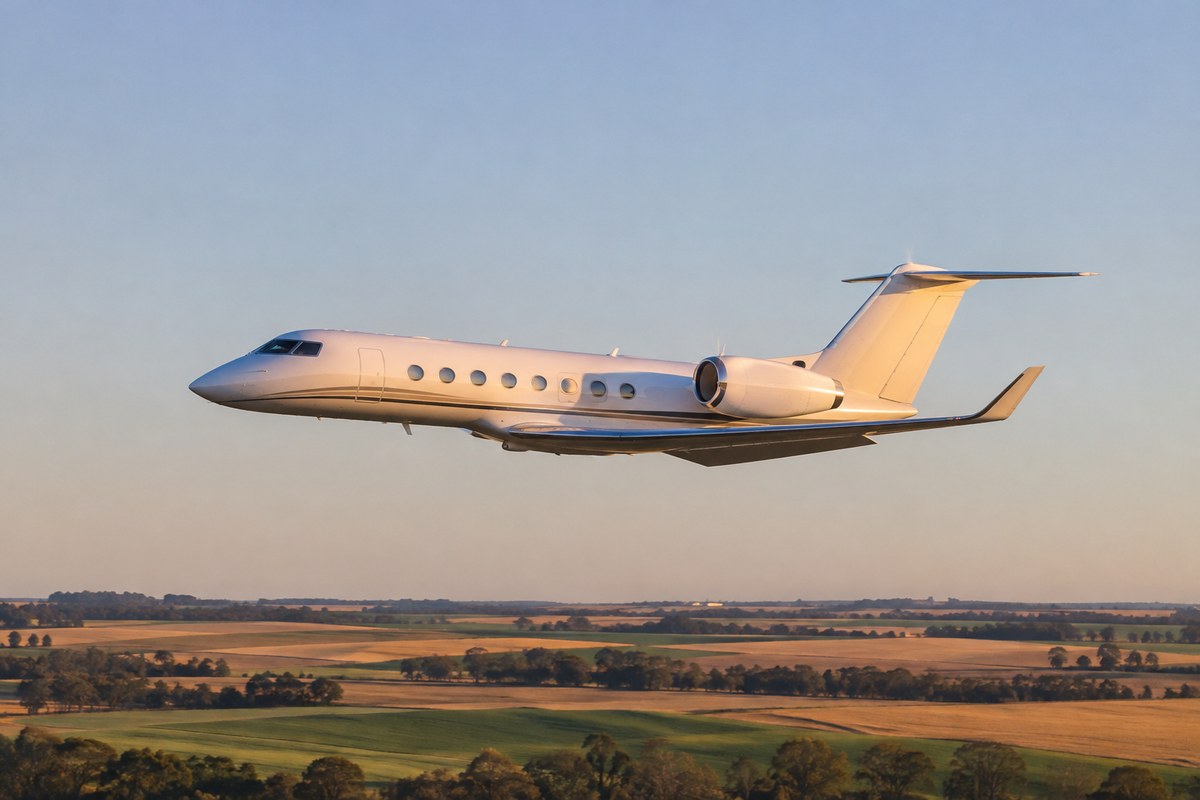
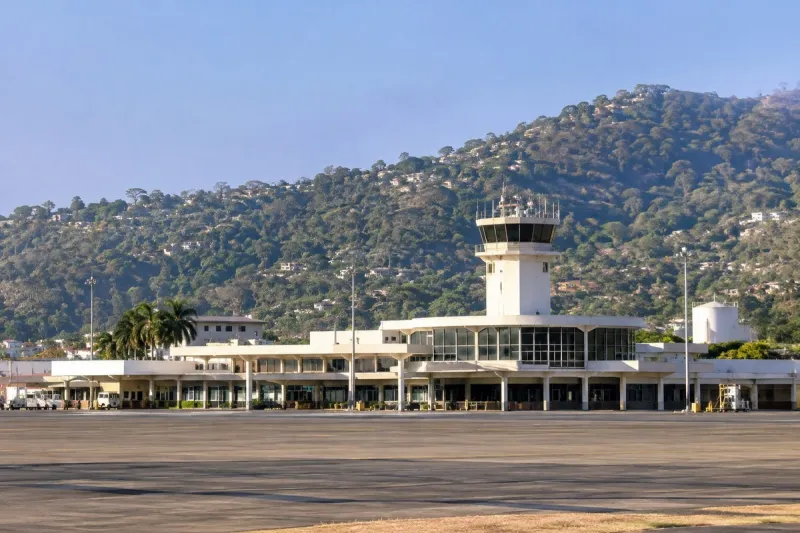
The jet had arrived at San Francisco earlier that day from Puerto Vallarta, Mexico, a 1,352-nautical-mile flight lasting 3 hours and 37 minutes, and had been on the ground in San Francisco for about one hour before the hop to Oakland. This was the 10th tracked landing at Oakland by any of Khosla's aircraft in the 30 days before the flight, making Oakland the most common destination in that period.
In those 30 days, all of the owner's aircraft made 23 flights, spent 49.6 hours in the air and visited 15 airports in 2 countries. Khosla's other aircraft, a Bombardier Challenger 604 registered N604SB, landed at Oakland on November 27, 2026, after flying from San Jose to San Francisco that day (529 nautical miles in 1 hour 39 minutes).
The Gulfstream V is an ultra-long-range business jet with a range of 6,675 nautical miles, a top speed of Mach 0.885 and a service ceiling of 51,000 feet. A search of Bay Area business news found no scheduled public appearance or board meeting for Khosla in Oakland around that date. Khosla co-founded Sun Microsystems in 1982 and founded Khosla Ventures in 2004, and in September 2026 he, his wife Neeru and their son Neal Khosla closed on the purchase of the Seattle Seahawks from the Paul G. Allen estate for $9.612 billion.
Industry impact & what to watch
A 19-minute, 12-nautical-mile flight by an aircraft rated for 6,675 nautical miles illustrates a familiar feature of private aviation: the aircraft is a flexible asset positioned around the owner's schedule, and short repositioning legs between neighbouring airports are cheap to the operator relative to the cost of the aircraft sitting at the wrong field. The tracked figures of 136 US gallons of fuel and 1,306 kilograms of CO2 show why such hops draw attention even though the absolute amounts are small next to the 3-hour-37-minute leg that preceded it.
For airports, the pattern in the tracking data, with Oakland the most frequent destination across 10 landings in 30 days, shows how a single owner's fleet can shape traffic at a secondary Bay Area field. Operators and FBOs serving owners with multiple aircraft see this kind of split between a main international gateway and a nearby reliever airport as routine planning, driven by ramp access, hangar position and ground transport.
Public trackers such as Celebplanes also turn private movements into estimated fuel and emissions figures that anyone can cite. Those estimates are modelled rather than reported by the operator, so the next signal to watch is whether operators or owners publish their own emissions accounting for short positioning legs.