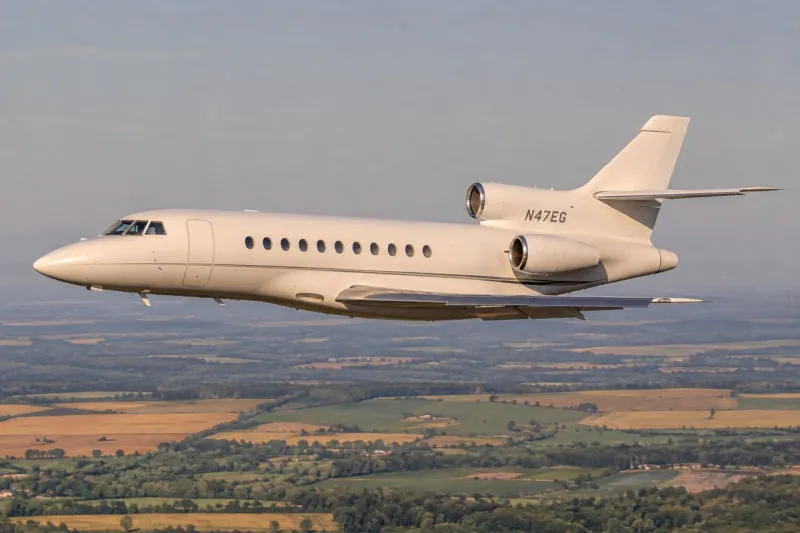
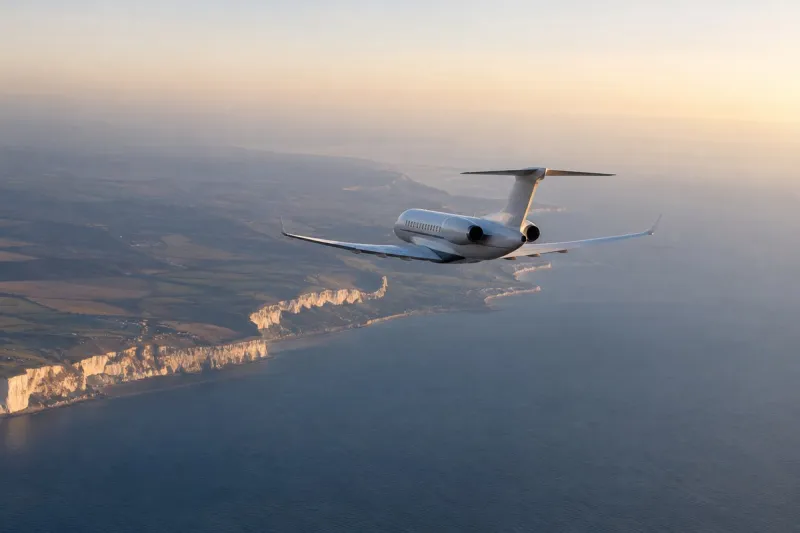
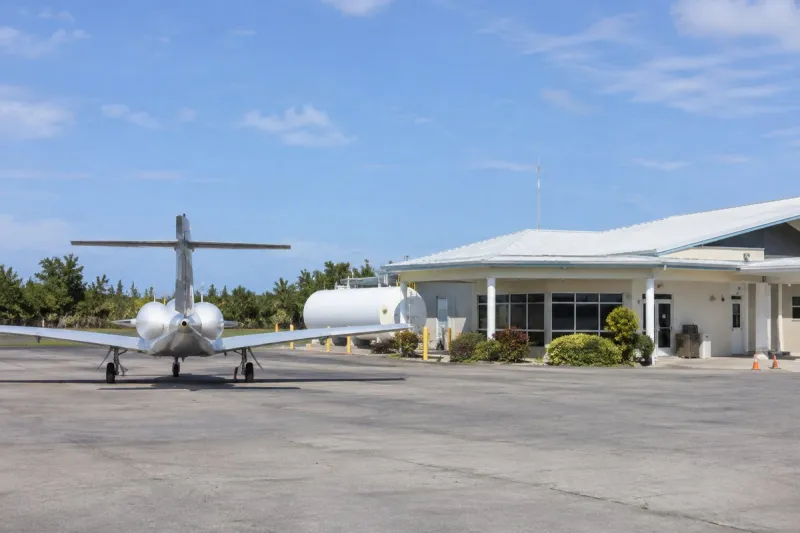
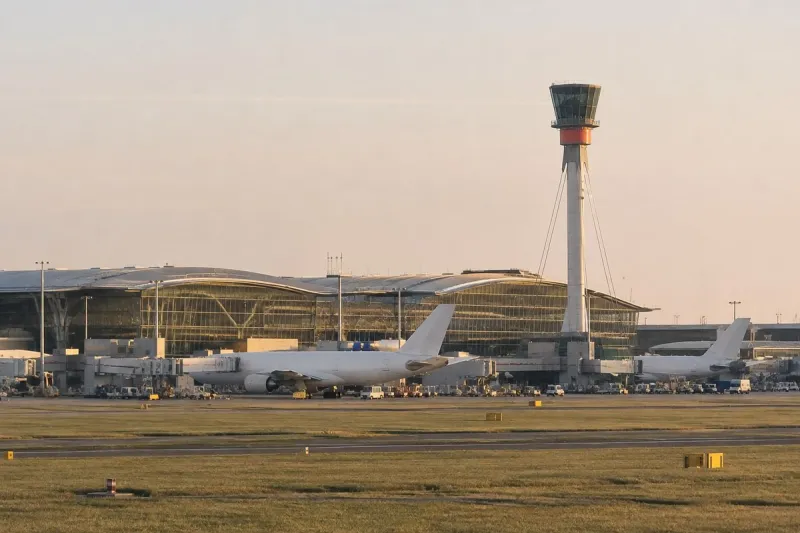
Bloomberg's Falcon 900LX N47EG flies 2,185 nm from Teterboro to Chicago/West Chicago in 6 hours 6 minutes
Why It MattersLong nonstop legs on a 4,750 nm-range trijet show how owner-operated large-cabin jets are scheduled around the aircraft's capability rather than airline networks, with fuel burn and emissions following each trip.
What happened
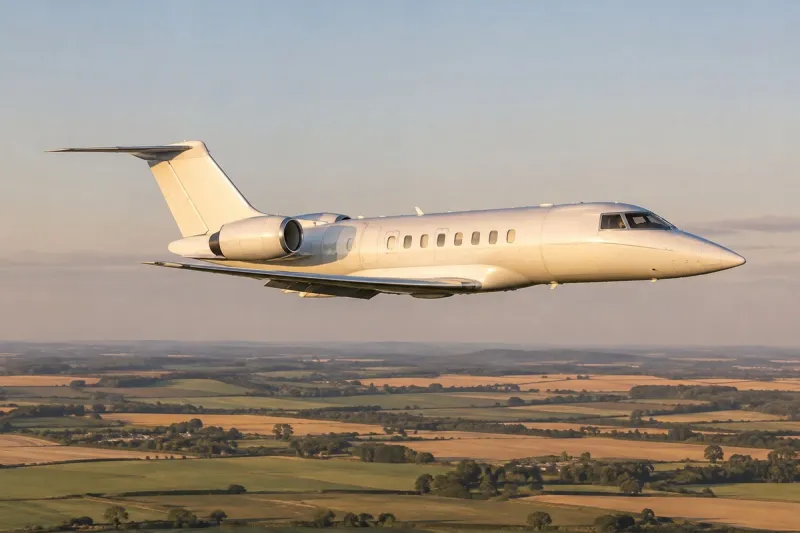
A Dassault Falcon 900LX registered N47EG, linked to Michael Bloomberg, flew 2,185 nautical miles (2,515 miles) from Teterboro to Chicago/West Chicago on Saturday, November 28, 2026. It departed Teterboro at 15:45 UTC and landed at 21:51 UTC, a flight time of 6 hours 6 minutes.
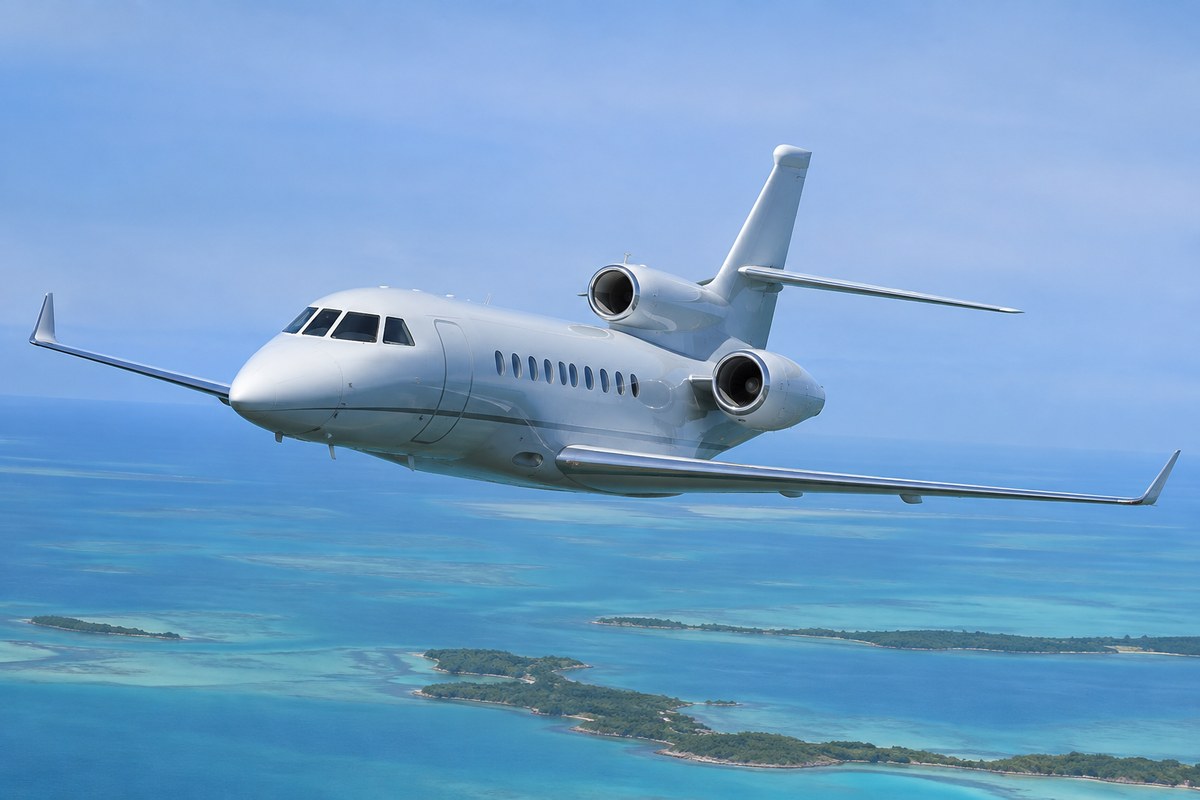
The aircraft reached a highest altitude of 40,200 feet and a top ground speed of 437 knots. The flight burned an estimated 1,954 US gallons of fuel, producing about 18,767 kilograms of CO2. The trip used 46 percent of the type's 4,750 nautical mile range.
The Falcon 900LX seats up to 14 passengers, has a service ceiling of 51,000 feet, a top speed of Mach 0.87 (482 knots) and an estimated fuel burn of 320 US gallons per hour. Its home base is Newark Liberty International Airport in New Jersey, 638 nautical miles from Chicago/West Chicago.
Before departing Teterboro, the aircraft had been on the ground for about 21 hours since its previous tracked landing there on November 27. This was the first landing at Chicago/West Chicago by one of Bloomberg's aircraft in the tracked window from September 5 to November 27, 2026.
In the 30 days before this flight, Bloomberg's two Falcon 900s visited 12 airports across 6 countries and flew about 24,697 nautical miles. The longest leg in that period was Osaka to Anchorage on November 18, covering 3,189 nautical miles. Recent flights by the same owner include Hamilton to Teterboro and White Plains to Hamilton, both on November 27.
Airports and fleet
Teterboro's longest runway is 6,997 feet at an elevation of 9 feet. Chicago/West Chicago's longest runway is 7,571 feet at an elevation of 759 feet.
Bloomberg's fleet of two Falcon 900 variants is registered through Wing & Rotor Transportation Holdings LLC.
Industry impact & what to watch
A 2,185 nautical mile leg that consumed 46 percent of the type's range is a routine mission profile for a large-cabin trijet, and it illustrates how private owners plan around aircraft capability and runway availability rather than published schedules. Both airports here have runways above 6,900 feet, which comfortably fits the type's operating needs.
The fuel and emissions figures, about 1,954 US gallons and 18,767 kilograms of CO2 for a single sector, are the kind of per-flight numbers that increasingly frame public discussion of business-jet use. The 30-day total of roughly 24,697 nautical miles across two aircraft shows how quickly those figures accumulate for a high-utilisation owner.
The next tracked movements of N47EG and its sister aircraft will show whether the heavy international pattern of recent weeks, including the 3,189 nautical mile Osaka to Anchorage leg, continues into December.