Daher Kodiak 100 Series III: Performance, Costs, and Comparison with the Cessna Caravan
Why It MattersUtility turprops keep splitting into two design philosophies — short-field access versus cabin speed and volume — pushing operators to match aircraft choice to mission profile rather than a single do-everything type.
What happened
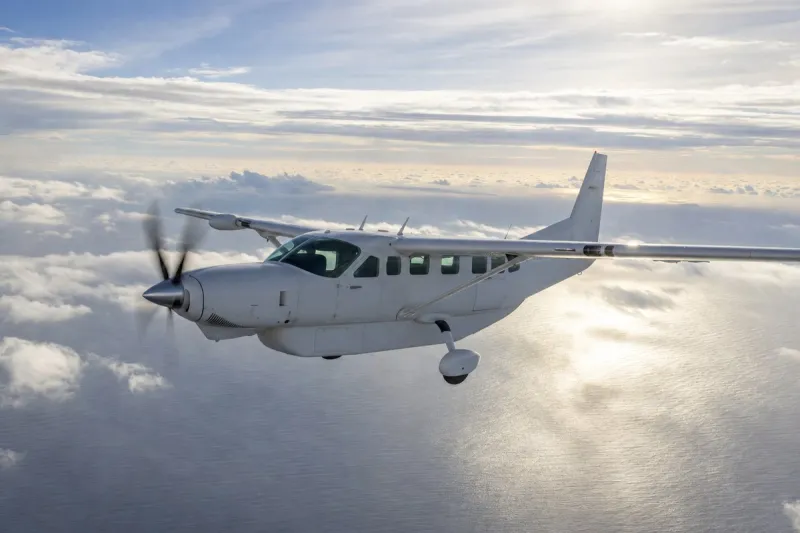
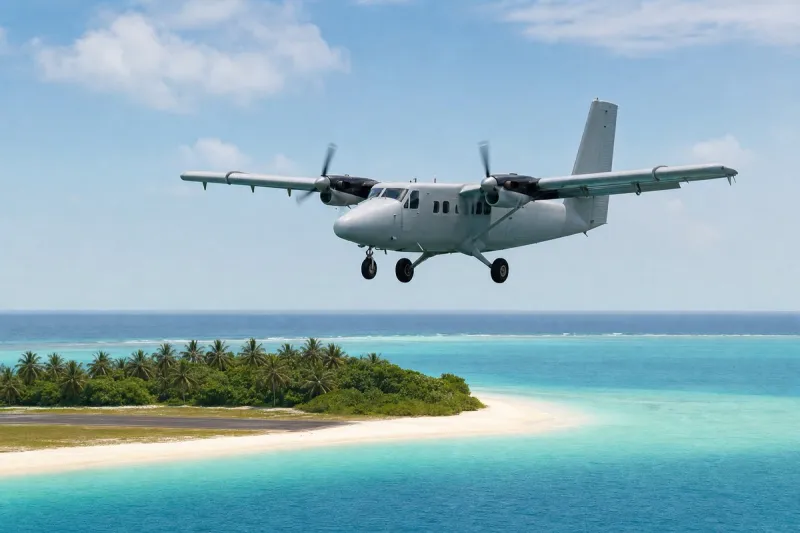
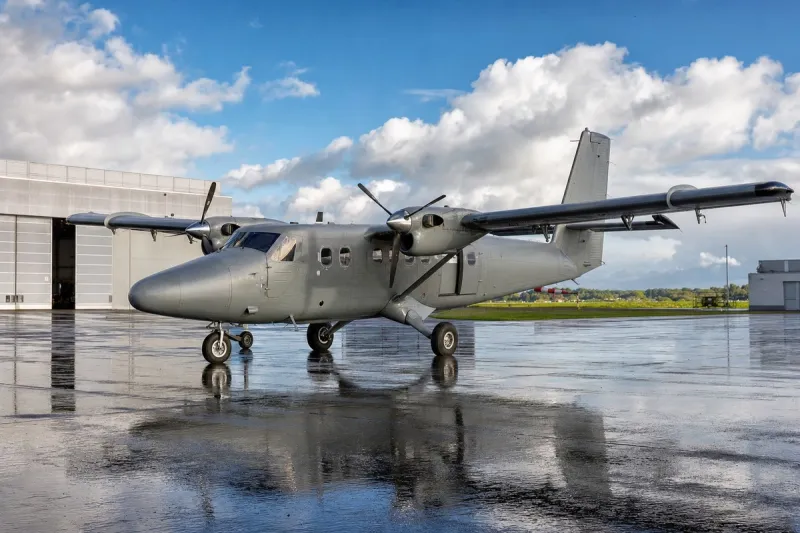
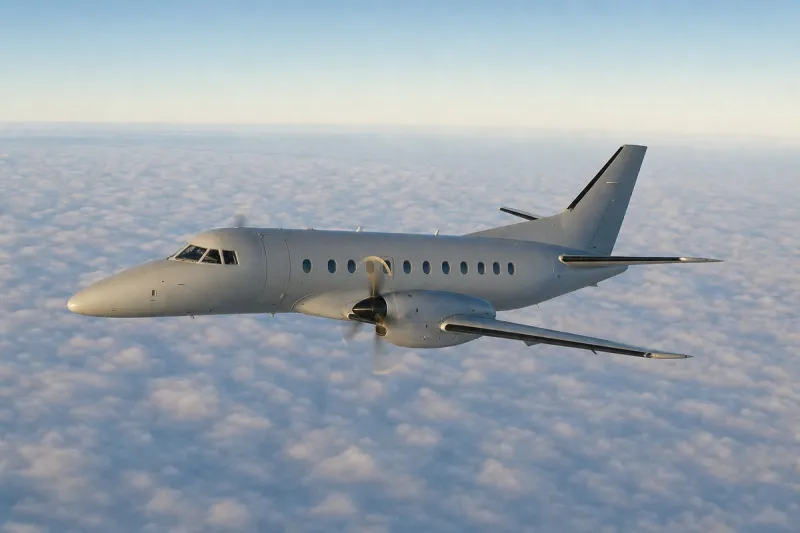
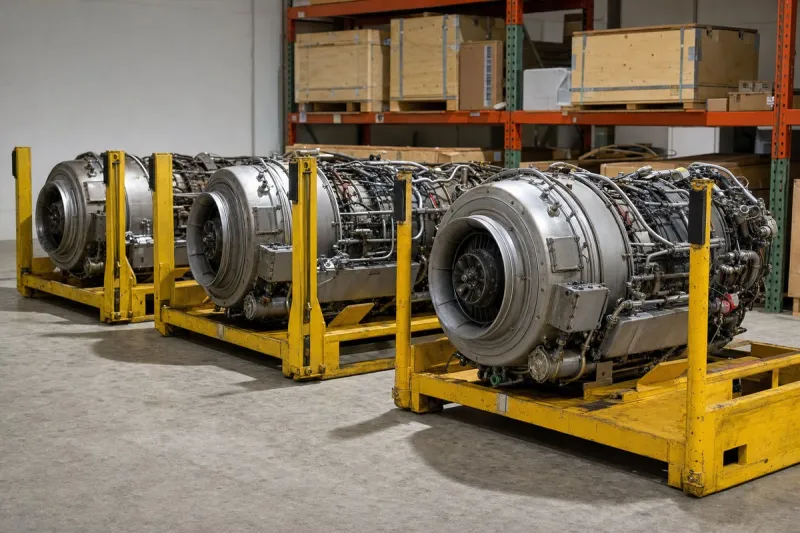
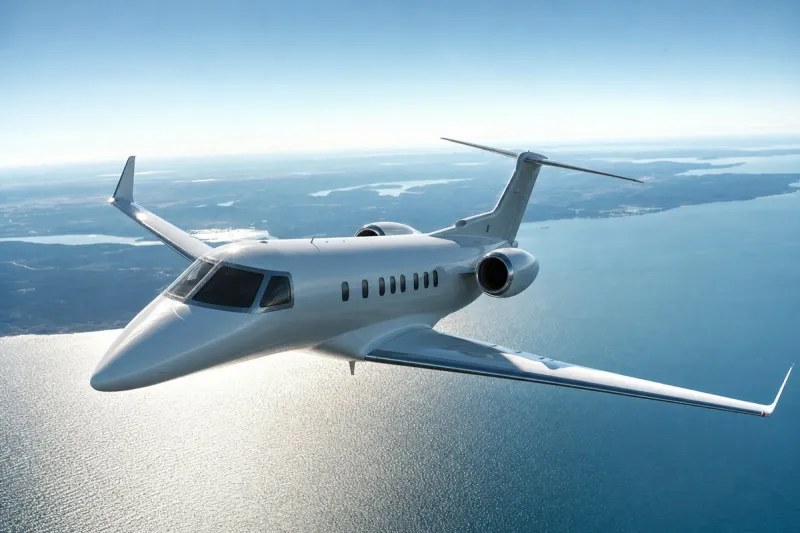
The Daher Kodiak 100 Series III is a utility turboprop built for short-field and unpaved-runway operations, powered by a Pratt & Whitney Canada PT6A-34 engine rated at 750 shp. Maximum takeoff weight is 7,255 lb (3,290 kg), giving a power-to-weight ratio of approximately 9.7 lb per shp. Daher states the aircraft can take off at maximum weight in under 305 metres and climb at more than 1,300 feet per minute. JSSI Conklin platform data lists an initial climb rate of 1,332 fpm, a normal cruise speed of 154 knots, and a maximum speed of 175 knots.
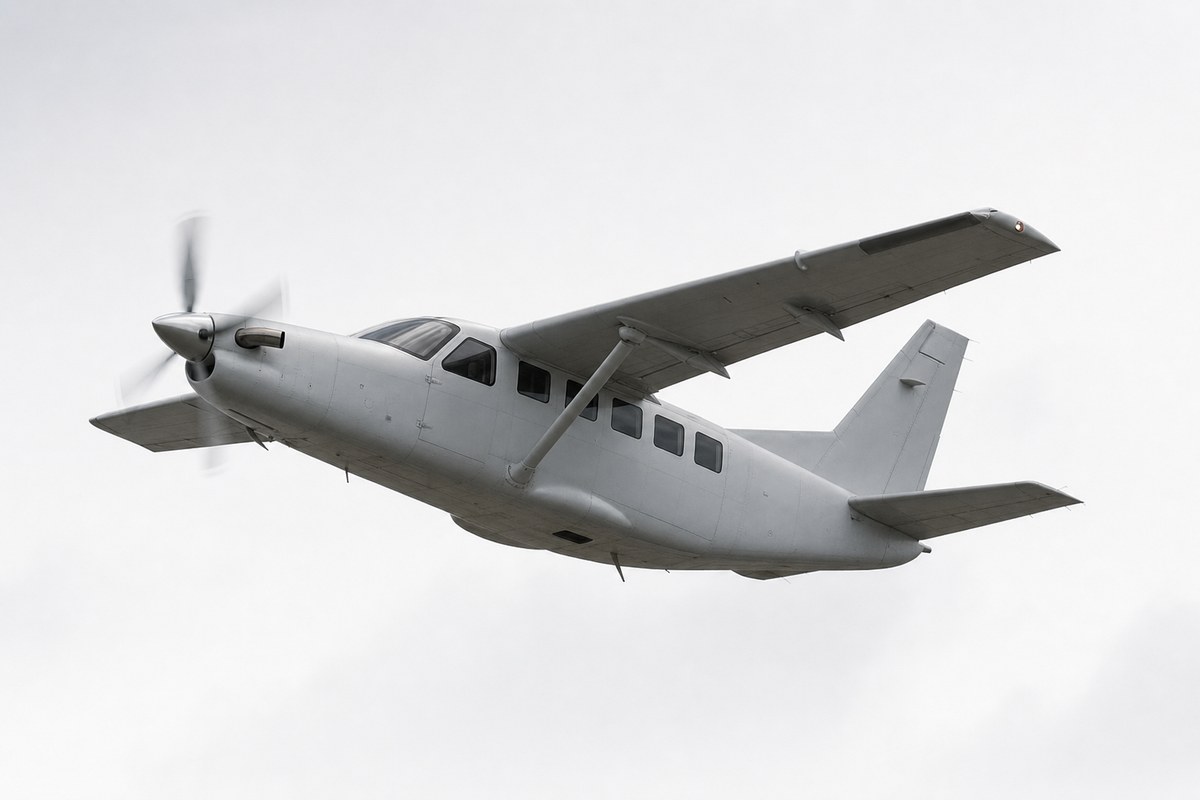
On a mission with four passengers, estimated range is 733 nautical miles at maximum cruise or 825 nautical miles in economy cruise; with all seats occupied and IFR reserves, range falls to approximately 329 nautical miles. Estimated variable operating cost is around US$1,080 per hour. The cabin measures 1.45 m high, 1.37 m wide, and 4.82 m long, for a total volume of approximately seven cubic metres, with a cargo door roughly 1.25 m × 1.25 m. The aircraft can be configured for up to ten occupants including pilots, though full seating, maximum cargo, and full fuel cannot be carried at the same time. Maximum ramp weight is 7,305 lb; with a basic operating weight of 4,075 lb and 2,126 lb of usable fuel, approximately 1,104 lb remains available for occupants and baggage.
The Kodiak 100 Series III was introduced in 2021. It retains the original airframe and PT6A-34 engine while adding a Garmin G1000 NXi avionics suite integrated with the GFC 700 digital autopilot, synthetic vision, an angle-of-attack indicator, Flight Stream 510 connectivity, and a Garmin GWX 75 Doppler weather radar. An optional five-blade, 96-inch Hartzell composite propeller reduces weight by 5.9 kg, cuts noise by up to 6 dB, and shortens the takeoff roll by approximately 5% compared with the standard four-blade aluminium unit. The aircraft now comes standard with oxygen for ten occupants.
Development began in the late 1990s under Quest Aircraft, which received type certification in 2007. Daher, already producing the TBM single-engine turboprop family, acquired Quest in 2019 and has maintained production in Sandpoint, Idaho.
Kodiak versus Caravan
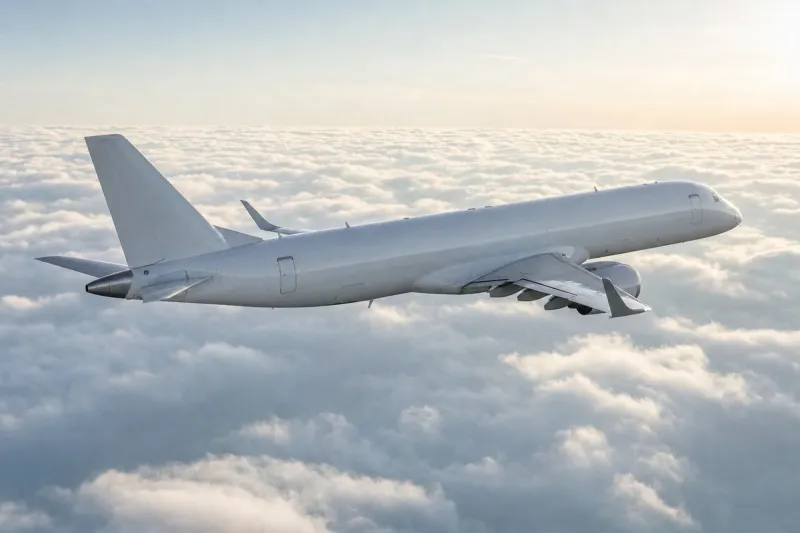
Compared with the Cessna 208 Caravan, the Kodiak 100 Series III offers a better power-to-weight ratio and superior capability on strips with limited infrastructure, but has a narrower cabin and lower cruise speed. The Caravan has become a leading platform for cargo, regional transport, and special-mission roles, while the Kodiak was conceived specifically to reach destinations with little or no ground infrastructure.
Industry impact & what to watch
This comparison illustrates how the utility turboprop segment has split into two distinct value propositions rather than one dominant design: aircraft optimized for access into unimproved strips, and aircraft optimized for cabin volume and cruise speed once on established routes. The Kodiak's short-field figures and the Caravan's broader mission adoption show that neither airframe is universally superior — the right choice depends entirely on the runway and payload profile of the mission.
This is how the special-mission and regional utility segment typically evaluates aircraft: power-to-weight ratio and takeoff distance matter most where infrastructure is thin, while cabin size and speed matter most where route density and passenger comfort dominate. Daher's avionics and propeller updates on the Series III show the platform competing on capability upgrades within the same basic airframe rather than through a clean-sheet redesign.
What remains to be seen is how operators weigh the Kodiak's shorter takeoff roll and updated Garmin avionics against the Caravan's established footprint in cargo and regional transport roles as fleet renewal decisions are made.