JFK Ground Stop Lifted but Departure Delays of Up to 75 Minutes Persist
Why It MattersConvective weather at one major New York airport shows how quickly capacity constraints cascade across shared airspace, forcing coordinated flow adjustments at neighboring airports until conditions stabilize.
What happened
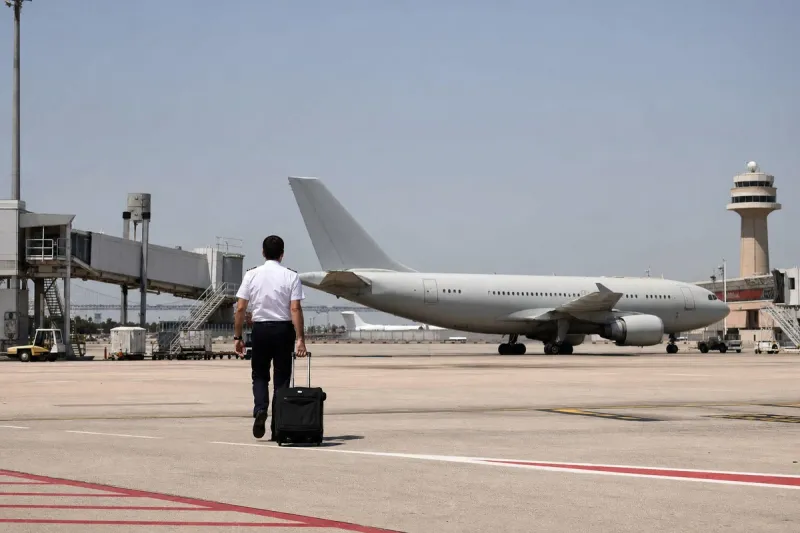
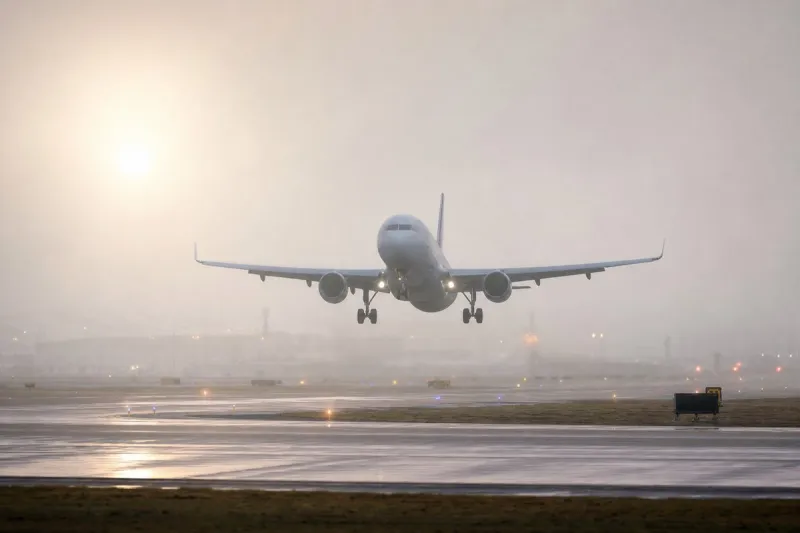
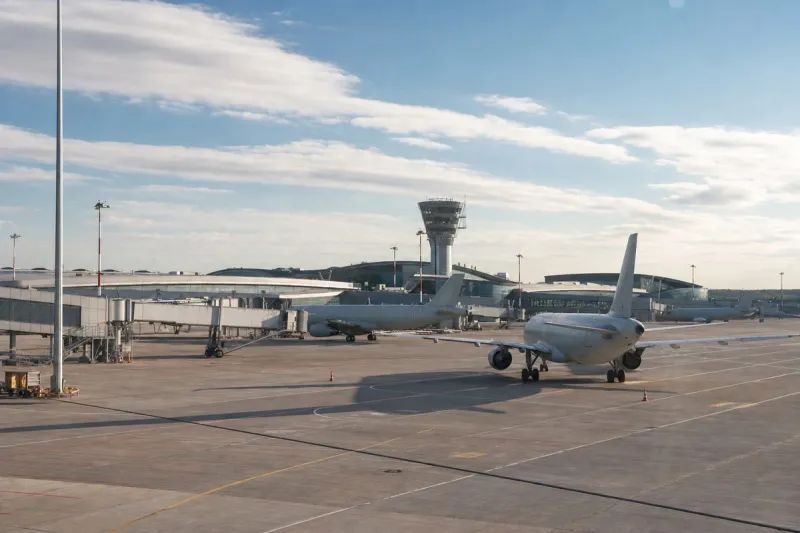
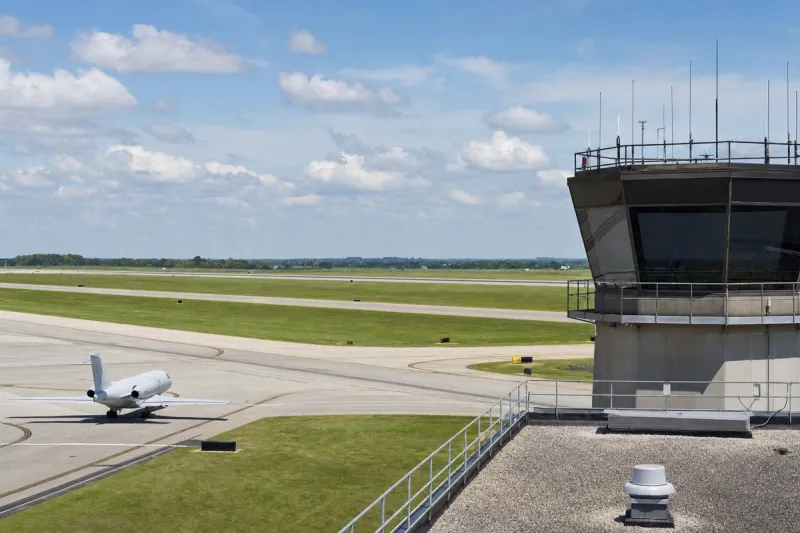
The Federal Aviation Administration lifted a ground stop at John F. Kennedy International Airport that had been imposed because of convective weather in the New York region and resulting airspace constraints, which had reduced the number of aircraft that could safely land or depart per hour. Departure boards now show concrete departure times for most flights, though many are running roughly 60 to 75 minutes behind schedule, and some aircraft pushed back from the gate only to hold in long taxiway queues awaiting runway access.
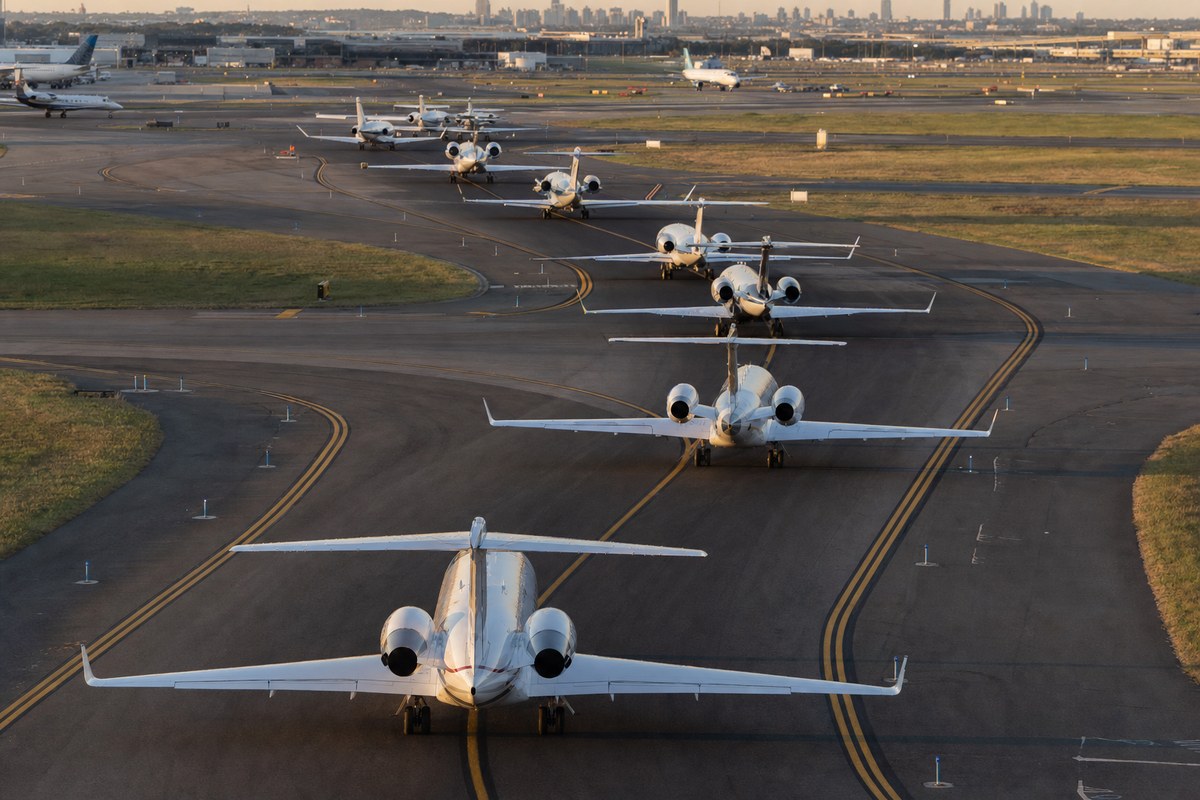
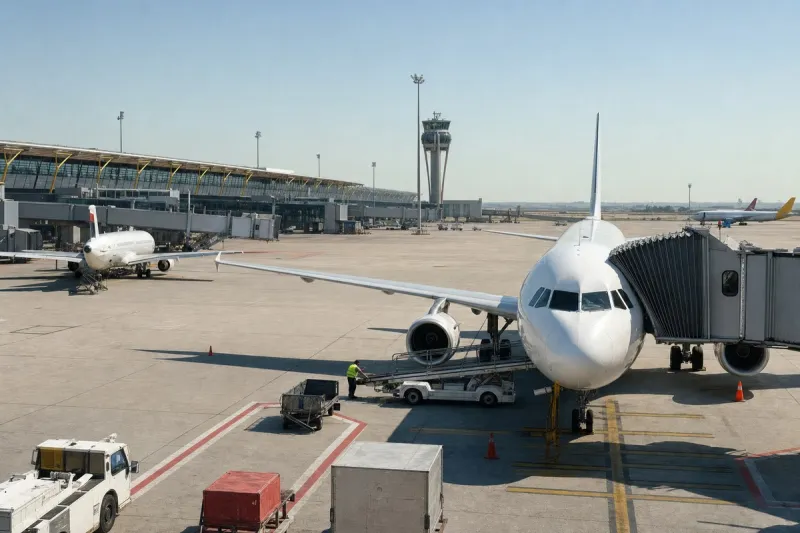
Arrivals are also seeing knock-on effects, with some inbound aircraft held airborne or diverted to nearby airports because of ramp congestion. LaGuardia and Newark Liberty airports share nearby airspace and arrival and departure corridors with JFK, so traffic managers are adjusting flows at those two airports to maintain safe separation as JFK works through its backlog. Some airlines with large JFK operations are rerouting select flights through secondary regional airports to help absorb the disruption.
Passengers at JFK are encountering longer-than-normal waits at check-in and baggage claim. Airlines are encouraging customers to rebook via mobile apps to reduce counter queues, and travelers with tight connections, particularly on international itineraries, are being told to contact their airline as early as possible, since many carriers offer limited-fee or no-fee same-day changes during significant operational disruptions.
Industry impact & what to watch
A ground stop lift is not an instant reset: once traffic managers reintroduce flights into the system, the accumulated backlog can take hours to clear, especially if weather remains unstable. That gap between the stop being lifted and schedules normalizing is what produces the extended delay window travelers are seeing now.
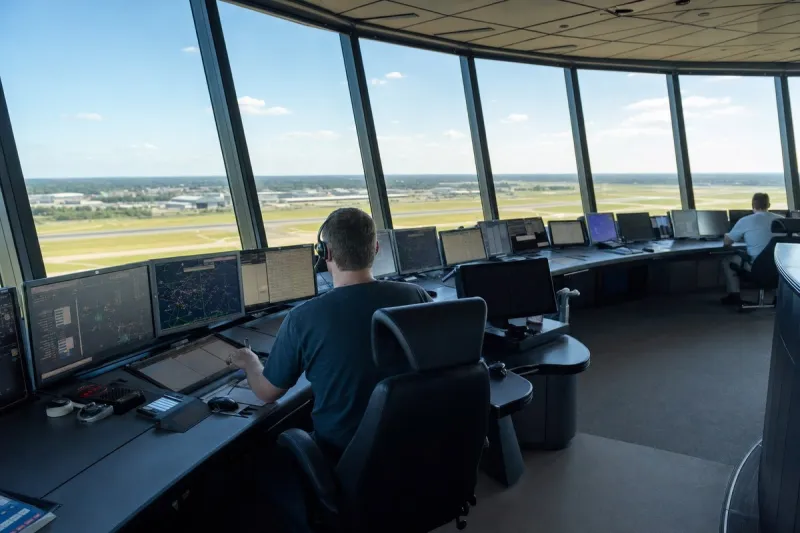
Because JFK, LaGuardia and Newark share airspace and approach corridors, a slowdown at one airport forces flow adjustments at the other two to preserve safe separation, which is why disruption at a single airport ripples across the whole New York system rather than staying contained. This interdependence is a structural feature of the region's air traffic management, not a one-off consequence of this event.
Continued schedule variability is expected into the evening, so whether delays shrink toward normal or persist depends largely on whether the convective weather that triggered the stop clears or lingers over the region.