IFALPA Declares Pilots Must Have Final, Non-Negotiable Authority to Refuse Conflict-Zone Routes
Why It MattersThe paper exposes a persistent gap between pilots' legal right to refuse unsafe flights and airlines' commercial pressure to fly profitable routes despite rerouting costs.
What happened
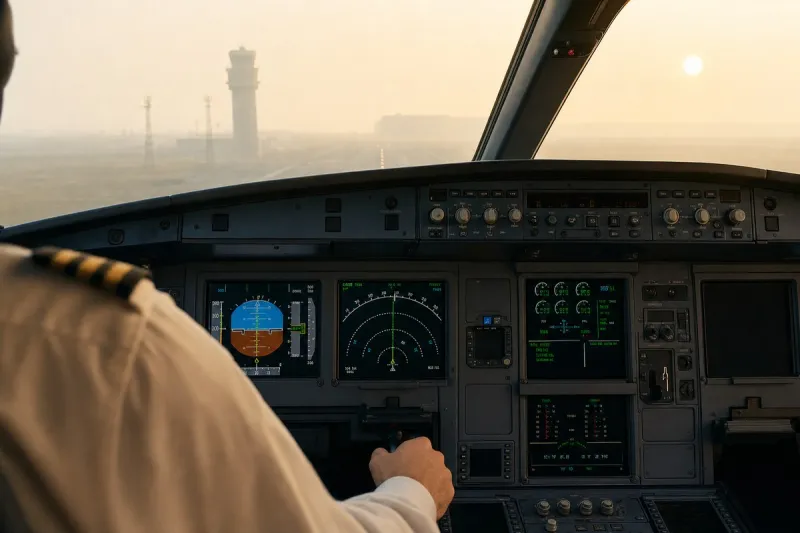
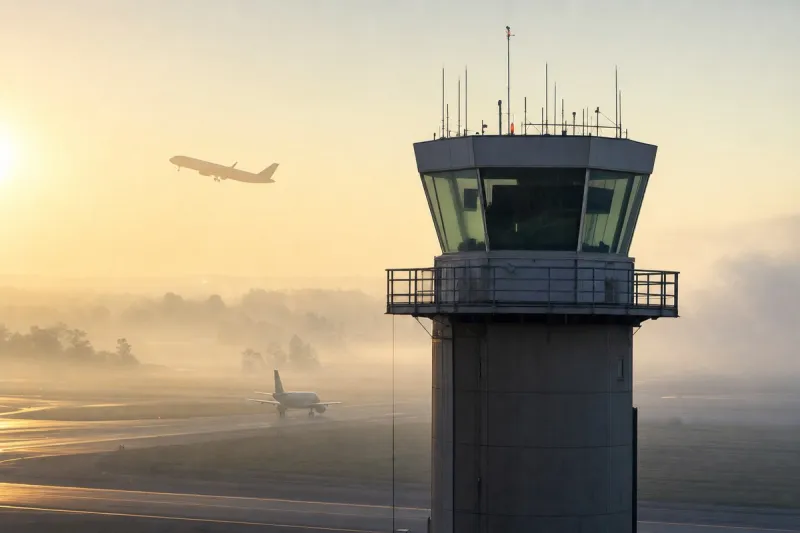
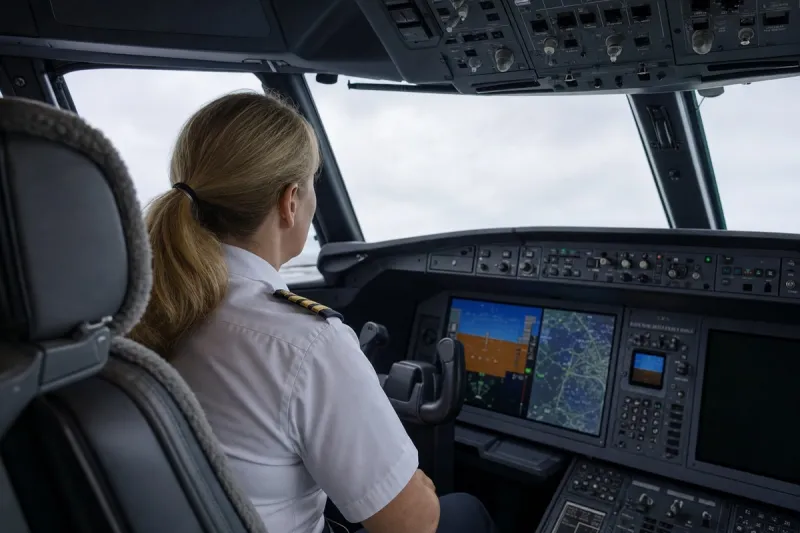
IFALPA, the federation representing more than 100,000 pilots worldwide, this week published a position paper declaring that a captain's decision to refuse a route through a conflict zone must be "final and non-negotiable." The statement lands six weeks into the 2026 Iran war, a period in which drone strikes have closed Kuwait International Airport for more than five weeks, Iranian missiles and drones have threatened commercial corridors across the Persian Gulf, and airlines have rerouted flights as far south as East Africa to avoid the conflict zone, adding hours to journeys between Europe and Asia.
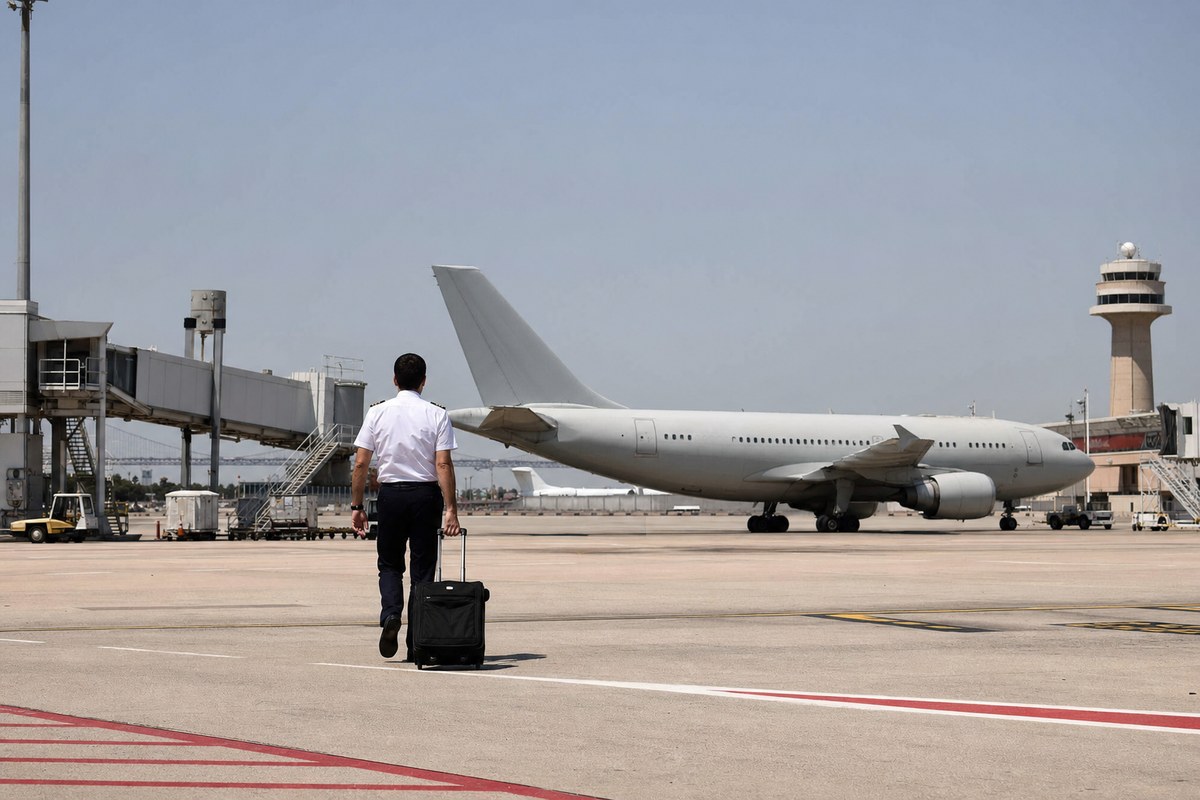
IFALPA's paper argues that although international aviation rules already grant pilots legal authority to refuse an unsafe flight, that authority is routinely undermined in practice. It states that airlines facing financial pressure to maintain profitable routes — since rerouting around a conflict zone increases fuel costs, extends flight times, and can make certain city pairs commercially unviable — have informally sidelined or passed over for promotion pilots who decline assignments. IFALPA demands the decision to avoid a conflict zone be "respected unconditionally" and states it must not be compromised.
The federation also calls for better information for crews making these calls, saying government NOTAMs are often vague, delayed, or focused on narrow altitude bands rather than the full threat picture. It cites this as a structural weakness persisting twelve years after Malaysia Airlines Flight MH17 was shot down over eastern Ukraine on 17 July 2014, killing all 298 people aboard, on a route multiple carriers used because it saved fuel and time in airspace that had not been closed to civilian traffic at its cruise altitude. On crew welfare, the paper notes rerouting creates longer flights, more complex diversions, and elevated workloads, and recommends that where such conditions are recurrent and foreseeable, airlines incorporate them into scheduling assumptions, fatigue controls, and roster buffers, including augmented crew rostering for affected routes.
Industry impact & what to watch
This dispute belongs to a familiar tension in commercial aviation: a pilot's individually held safety authority sitting against an airline's network-wide commercial incentives, with conflict-zone routing as the sharpest current test of which one actually prevails day to day. The legal right to refuse already exists industry-wide; what IFALPA is describing is a practical erosion of that right through career consequences rather than through any formal override.
How this segment works is that rerouting is not a neutral operational choice — it carries direct costs in fuel burn, flight time, and crew duty hours, all of which airlines must weigh against the safety case for avoidance, and MH17 remains the reference event for what happens when that weighing goes wrong. NOTAMs are the primary tool for conveying threat information to crews, and IFALPA's complaint is that the tool itself is too narrow for a threat environment that has expanded well beyond fixed altitude bands.
What comes next will likely be whether individual carriers formalize a no-penalty policy for route refusals and whether regulators respond to IFALPA's call for richer threat information ahead of the next scheduling cycle affected by the Iran war corridor closures.