Nigeria Aviation Crisis: Over 100 Airlines Failed in Four Decades Amid Tax Burdens, Infrastructure Collapse and Governance Failures
Why It MattersNigeria's aviation economics show that safety performance and tax revenue extraction can coexist with structural failure, since infrastructure and currency mismatches erode carrier viability regardless of an airline's compliance record.
What happened
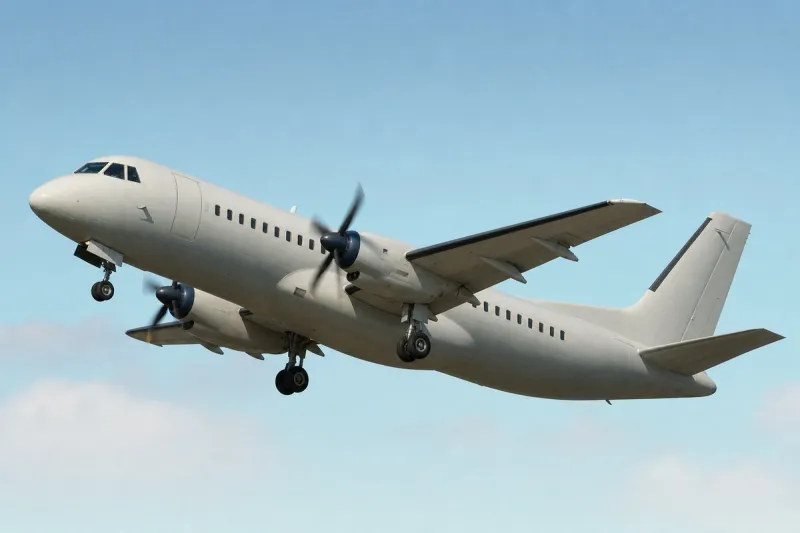
More than 100 airlines have collapsed in Nigeria over the past four decades, with the average carrier lifespan between 2000 and 2020 measured at just five years. In the last 25 years alone, more than 30 carriers have ceased operations, among them ADC Airlines, Afrijet, Albarka Air, Bellview, Chanchangi, Sosoliso, and Virgin Nigeria. Aero Contractors, founded in 1959, is cited as one of the rare survivors.
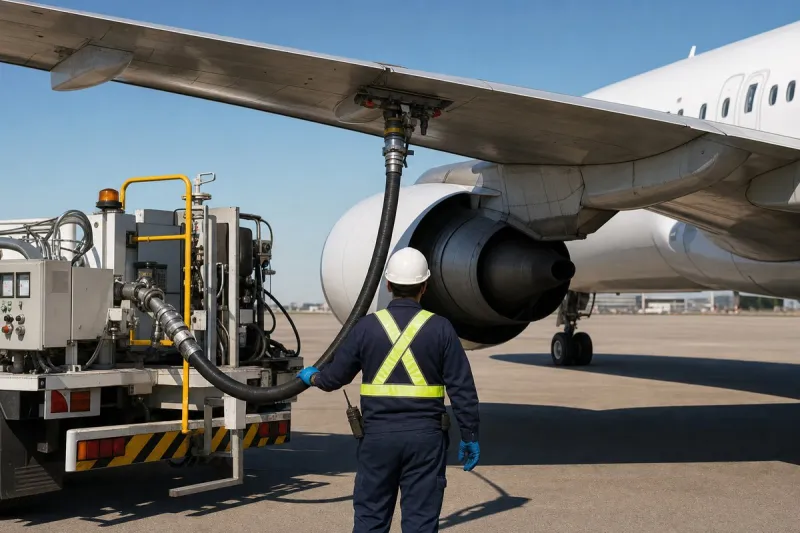
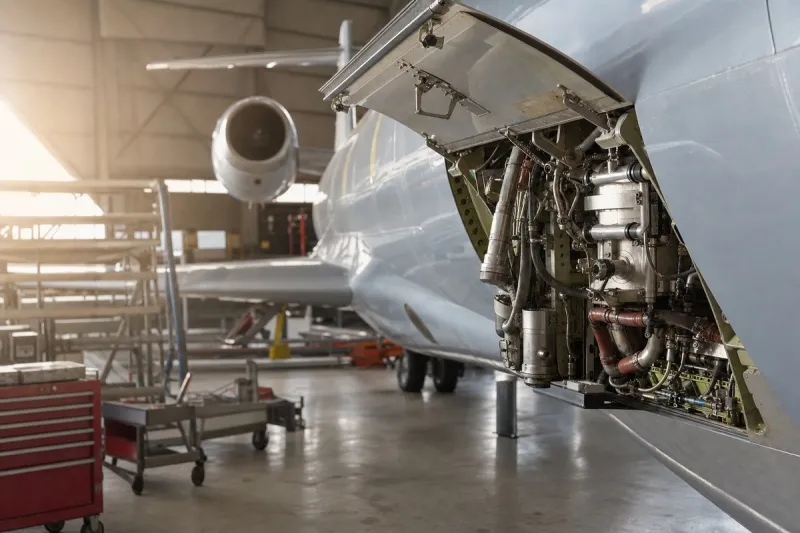
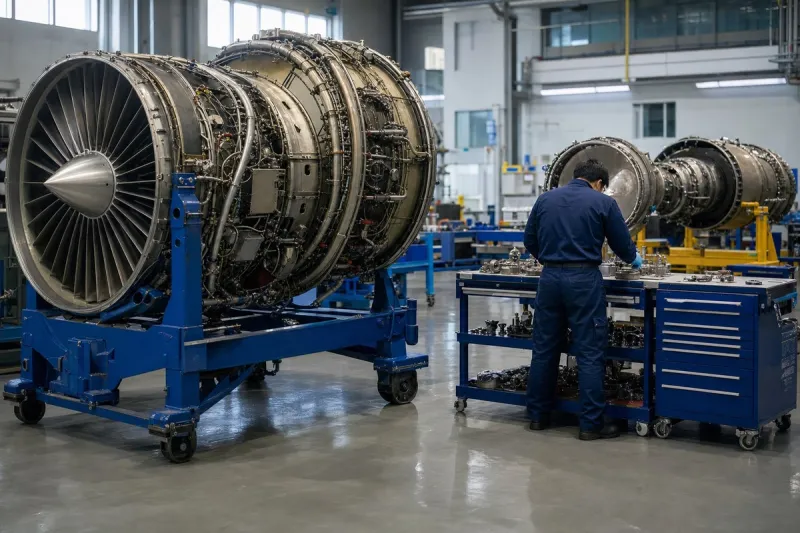
Fuel accounts for an estimated 35-40% of airline revenue in Nigeria, with a Lagos-Abuja return flight requiring roughly 8,000 litres of fuel at a cost of about eight million naira before salaries or maintenance are factored in. Aircraft leases and Jet A-1 fuel are dollar-denominated while airlines earn in naira, exposing operators to exchange-rate risk. Every 18 months each aircraft requires a maintenance check costing between $1 million and $3 million, and with no heavy maintenance facilities in Nigeria, aircraft must be ferried abroad for that work.
The most contested tax is the 5% Ticket Sales Charge levied by the Nigerian Civil Aviation Authority, introduced more than 45 years ago under the Gowon administration; Air Peace Chairman Allen Onyema has publicly described it as fiscally constricting. Airlines also face charges from the Nigerian Airspace Management Agency for navigation, the Federal Airports Authority of Nigeria for landing and parking, the Nigerian Meteorological Agency for weather services, and various state government levies.
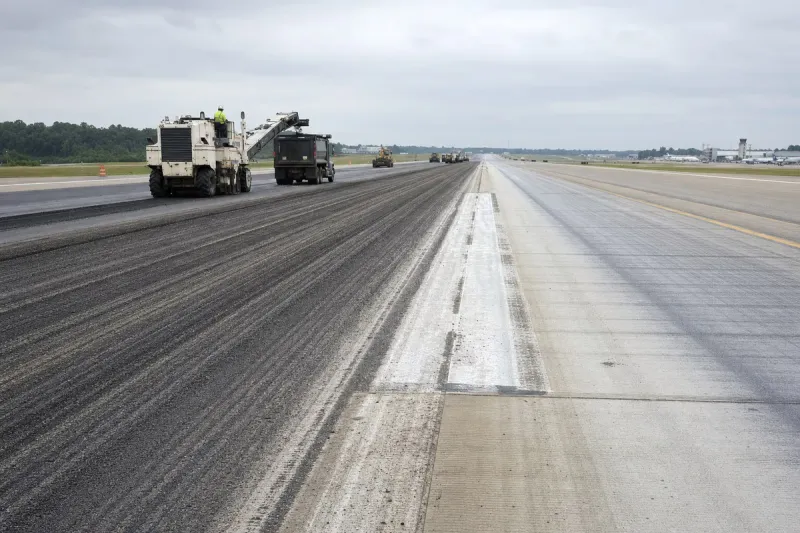
Despite these pressures, Nigeria recorded only two fatal accidents in the past ten years. The country first earned US FAA Category One status in August 2010, retained it in 2014 and 2017, and has passed ICAO audits with no Significant Safety Concerns or Significant Security Concerns. Murtala Muhammed International Airport in Lagos was built more than 40 years ago and has undergone no major structural expansion; it now handles approximately 272 aircraft movements daily and serves around 32 international airlines, compared with roughly eight international flights per day in 1979. United Nigeria Airlines chairman Professor Obiora Okonkwo has warned about the state of airport infrastructure.
The Nigerian Civil Aviation Act 2023 contains clauses aviation unions describe as anti-labour, including restrictions on the right to strike and picket. The National Union of Air Transport Employees has accused some airlines of making employment conditional on not joining a trade union. Aviation contributes an estimated $1.7 billion to $2.5 billion annually to Nigeria's GDP and supports over 216,000 jobs, with air transport accounting for approximately 2.5% of GDP. Lagos, Abuja, and Port Harcourt together account for more than 70% of the sector's economic contribution. Nigeria has 31 airports, 92 airstrips, and 131 heliports, but only three airports handle 92% of all traffic and only two are profitable.
Cost structure and currency exposure
The dollar-denominated cost base sitting on top of naira-denominated revenue runs through every figure cited: fuel at 35-40% of revenue, leases priced abroad, and maintenance checks costing up to $3 million every 18 months with no domestic heavy-maintenance capacity to absorb that spend locally. That combination means currency depreciation alone can erase margins that ticket pricing was never built to cover.
Layered taxation compounds the exposure rather than replacing it: the Ticket Sales Charge sits alongside separate NAMA, FAAN and NiMet charges plus state levies, so an airline facing a currency shock also carries a multi-agency tax stack dating back, in the TSC's case, more than 45 years.
Industry impact & what to watch
This is a case where safety performance and financial survival have decoupled: Nigeria's FAA Category One status and clean ICAO audit history show that regulatory compliance on safety can be sustained even as the commercial side of the industry churns through operators every few years. That split matters for how the segment is read from outside — a strong safety record does not signal a stable airline market.
The underlying mechanism is a currency and infrastructure mismatch rather than any single tax line: dollar-priced fuel, leases and maintenance sit against naira revenue, while Lagos's main airport has taken on nearly 35 times the daily international flights it handled in 1979 without matching structural expansion. Airport economics reinforce this — only three of Nigeria's 31 airports handle 92% of traffic and only two are profitable, well short of the five-million-passenger threshold IATA sets for airport viability.
Proposed fixes — a slot management system for Lagos and Abuja, AI-powered ramp management, extended operating hours, and stricter enforcement of ICAO Annex 14 on unserviceable aircraft removal — target the infrastructure bottleneck specifically. Whether any of these are adopted, and whether the labour disputes over the Civil Aviation Act 2023's strike restrictions are resolved through the Trade Unions Act 2004's framework, will determine whether the next generation of carriers lasts longer than five years.