Pompano Beach Plans 145-Acre Airpark Consolidation, Files FAA Request to Raise Flight Pattern Altitude
Why It MattersMunicipal airparks increasingly bundle land consolidation with altitude and noise-mitigation requests, showing how local governments use FAA procedural filings to balance airport capacity growth against residential encroachment concerns.
What happened
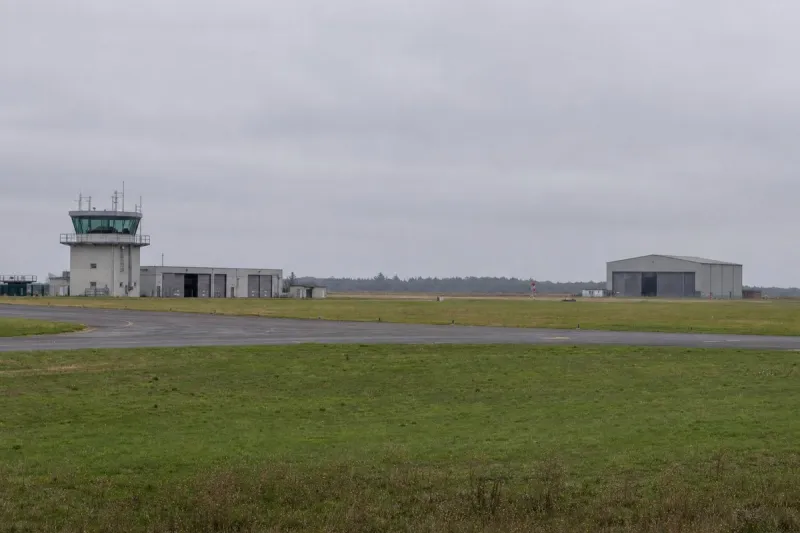
Pompano Beach city officials have filed a plat application to merge four municipal land parcels into a single 145-acre tract at Pompano Beach Airpark, covering approximately 6.35 million square feet south of Copans Road and east of the Florida East Coast Railway line. The application, submitted on behalf of the city by engineering and planning consultancy KEITH, is designated case PZ26-14000006 and is scheduled for review by the city's Development Review Committee on September 16, 2026. Submittal documents state the replatting is intended to streamline property boundaries into a unified tract to support future fixed-base operator operations and aviation-related infrastructure, with development on the consolidated parcel legally restricted exclusively to aviation uses.
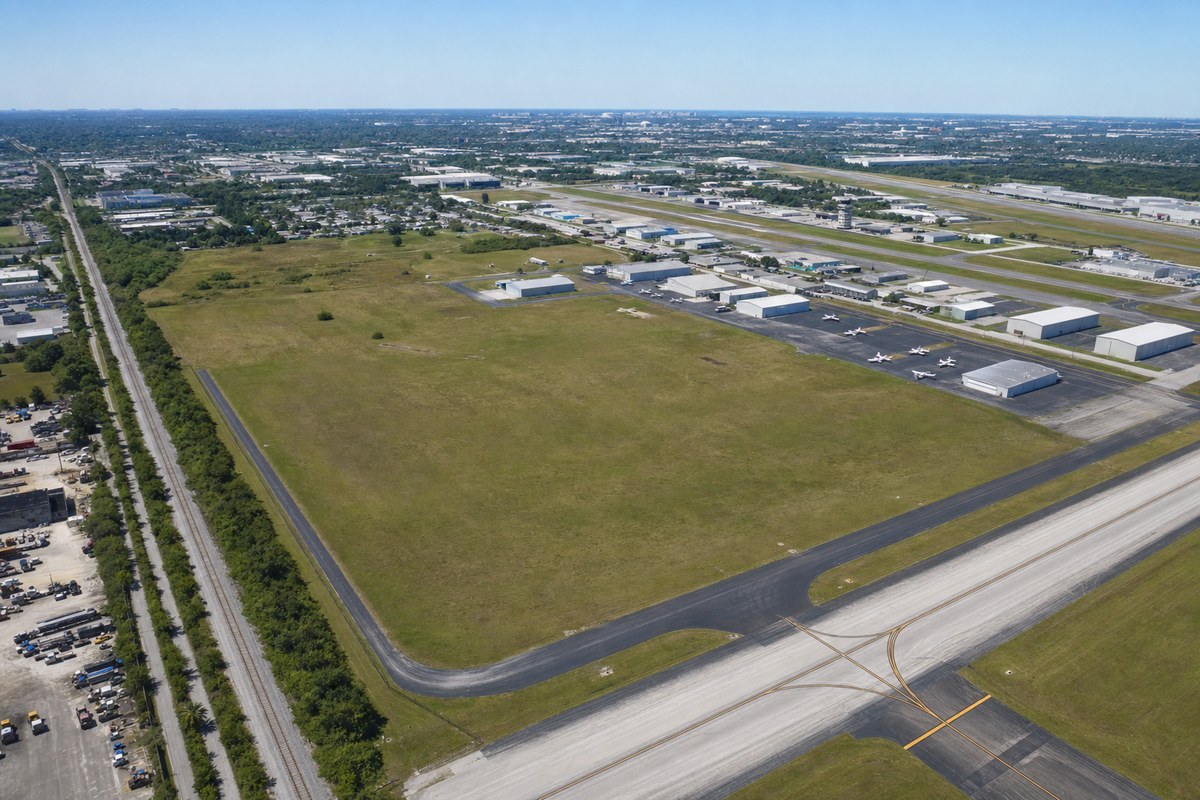
City records confirm all municipal real estate taxes across the four affected parcels have been fully paid through tax year 2025, and title searches show the land is free of private mortgage encumbrances. The application is undergoing departmental review for compliance with local trafficway requirements along NE 5th Avenue and Copans Road.
Separately, city commissioners directed Airpark Manager Steve Rocco to file FAA Form 7480-1, requesting that federal officials review raising the local flight pattern altitude from 800 feet to 1,000 feet and analyze extending flight patterns eastward to reduce aircraft overflights above residential neighborhoods in District 1 and District 4. Rocco said the current 800-foot pattern is maintained to ensure vertical separation from traffic at nearby Fort Lauderdale Executive Airport, which operates at 1,000 feet. Commissioners granted Airpark staff 60 days to submit the filing summary and finalize the forms, and hiring an outside expert to assist with the federal paperwork will cost $2,500. A separate motion to initiate a formal Part 150 Noise Compatibility Study at the facility failed to receive a second and did not advance.
Industry impact & what to watch
Land consolidation at municipal airparks like this one typically precedes formal FBO development, since a unified, aviation-restricted tract simplifies leasing, financing and construction planning compared with fragmented parcels carrying separate title histories. Pairing that consolidation with an FAA altitude review shows how local airport authorities try to expand or protect operational capacity while also addressing community noise concerns, rather than treating the two issues separately.
Flight pattern altitude changes routed through FAA Form 7480-1 move through federal review on a timeline the city does not control, and the outcome depends on how the FAA weighs the requested separation from Fort Lauderdale Executive Airport's 1,000-foot pattern against other traffic in the area. The failed motion for a Part 150 Noise Compatibility Study means Pompano Beach has, for now, chosen the narrower altitude and routing request over a comprehensive federal noise study.
The next dated milestone is the Development Review Committee's September 16, 2026 review of the plat application, followed by the 60-day window commissioners set for Airpark staff to complete the FAA filing summary and forms.