UK's £600m Green Aviation Investment Requires Domestic Battery Supply Chain, Industry Argues
Why It MattersLong aerospace qualification timelines mean cell-sourcing decisions made now will define whether next-decade electric and hydrogen aircraft draw on domestic or overseas battery supply chains.
What happened
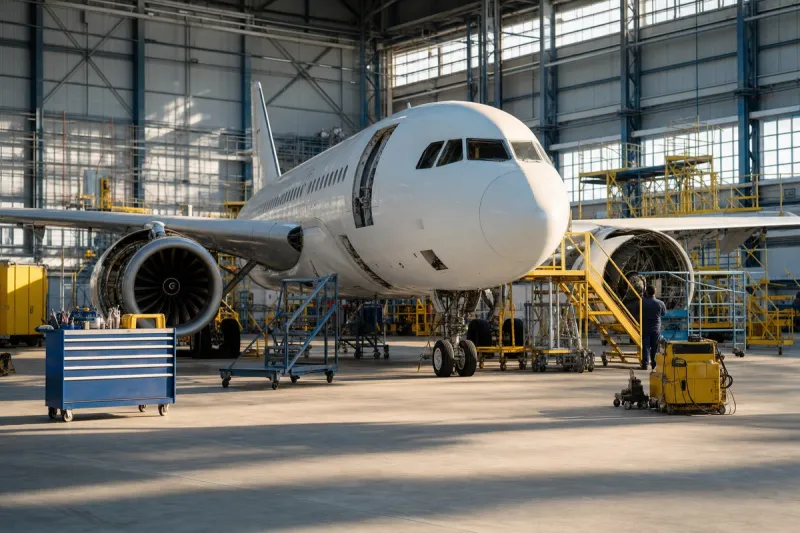
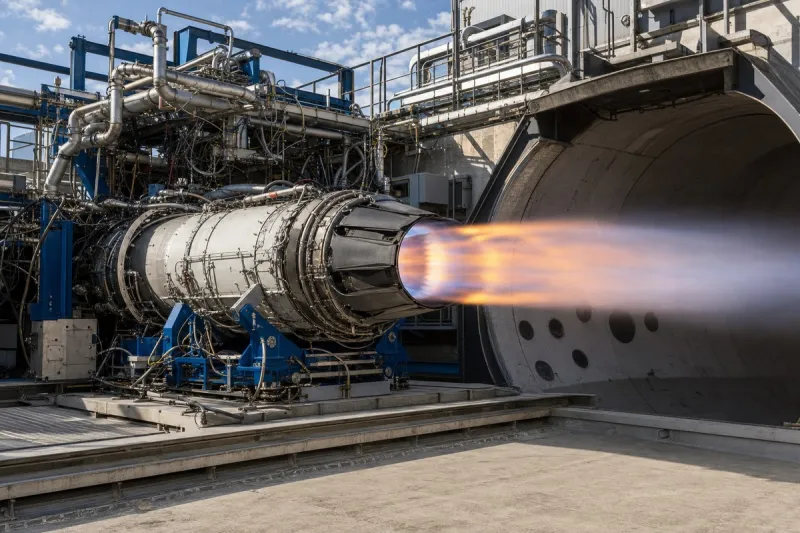
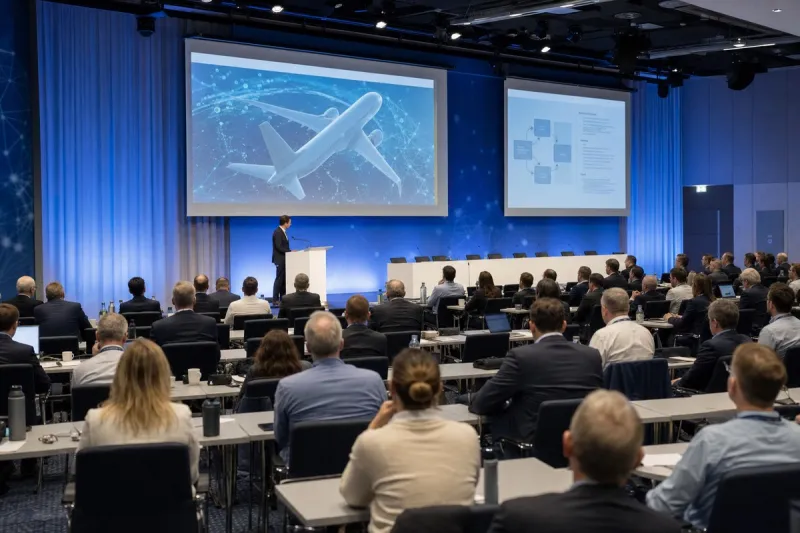
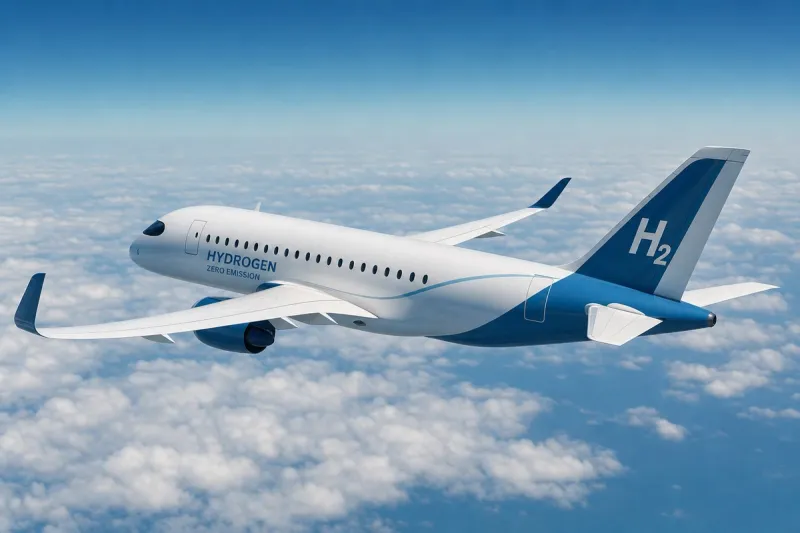
The UK government has committed £600 million to aerospace research and technology, covering next-generation components, future engine systems, hydrogen-powered flight and electric propulsion. The funding was announced by Jonathan Reynolds, Secretary of State for the newly merged Department for Business, Innovation, Science and Trade, who described it as a significant vote of confidence in British aerospace, placing green flight higher on the industrial agenda.
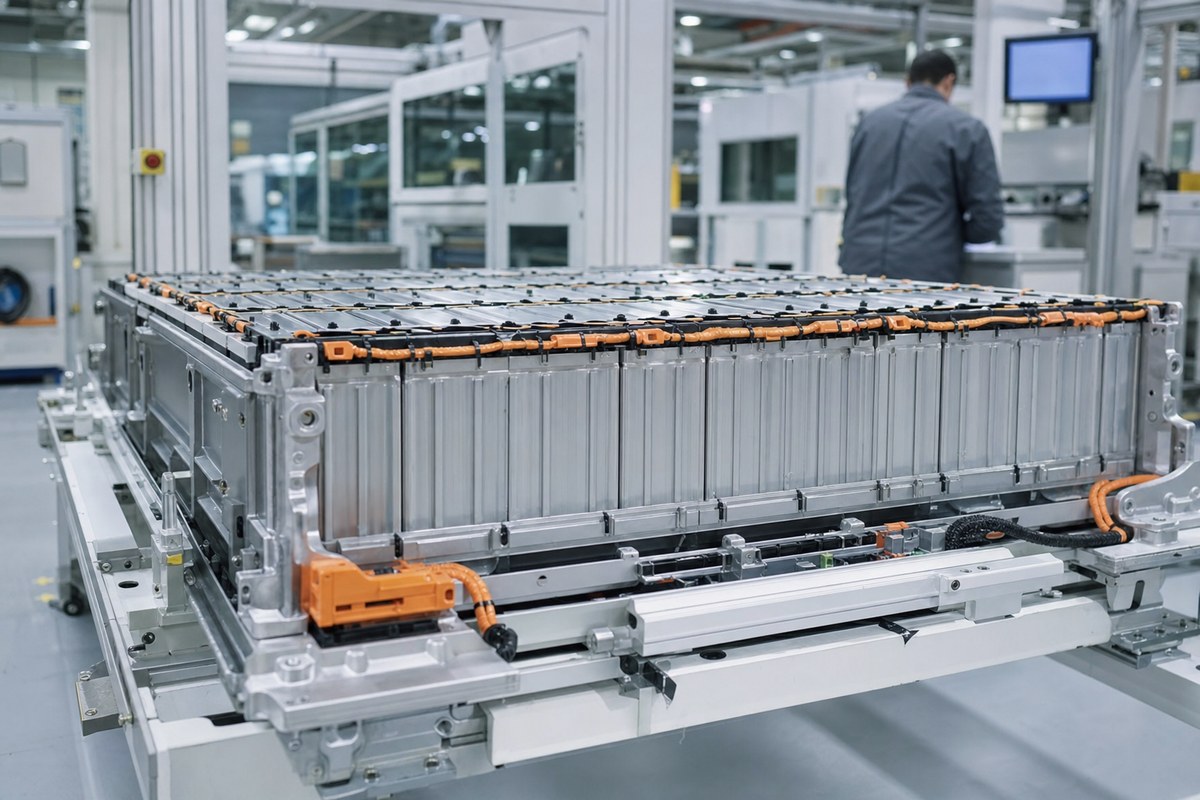
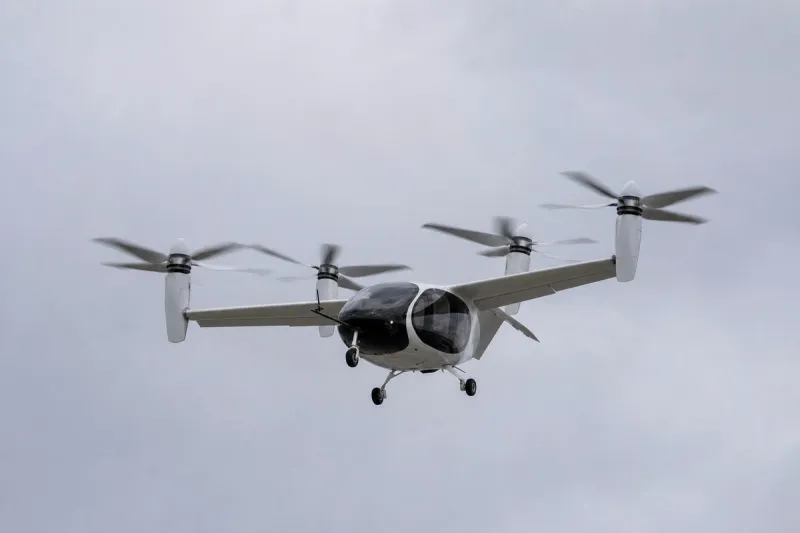
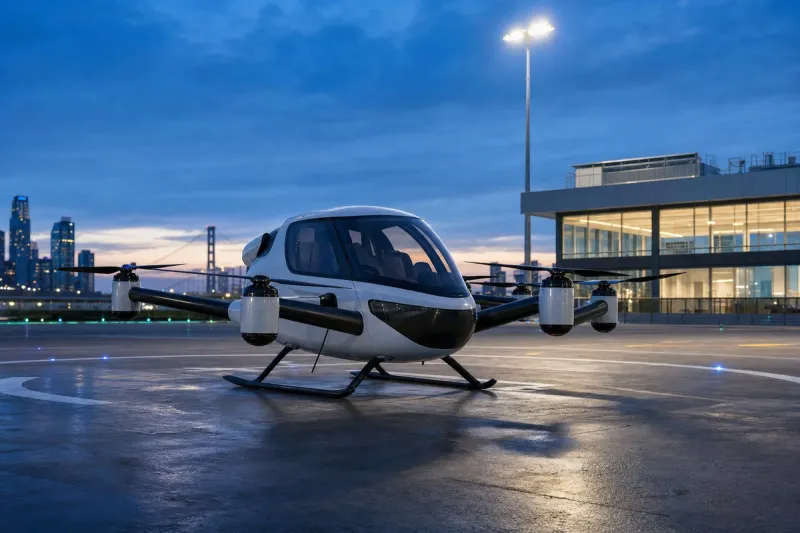
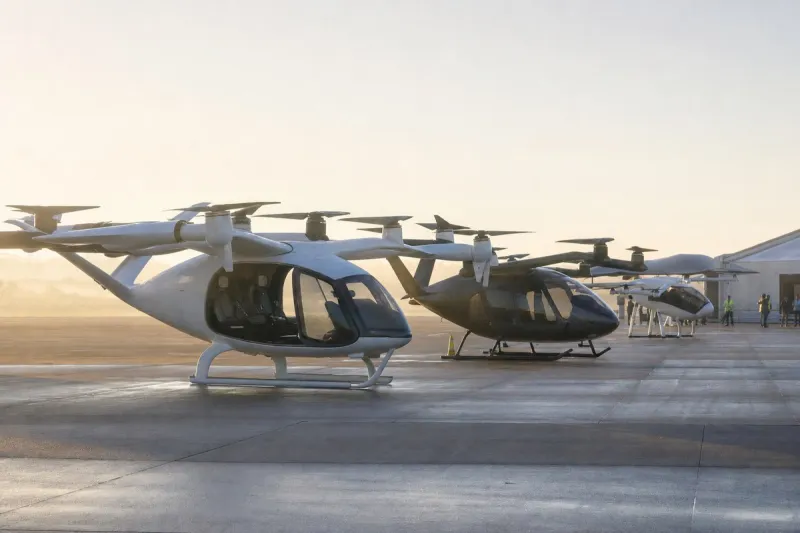
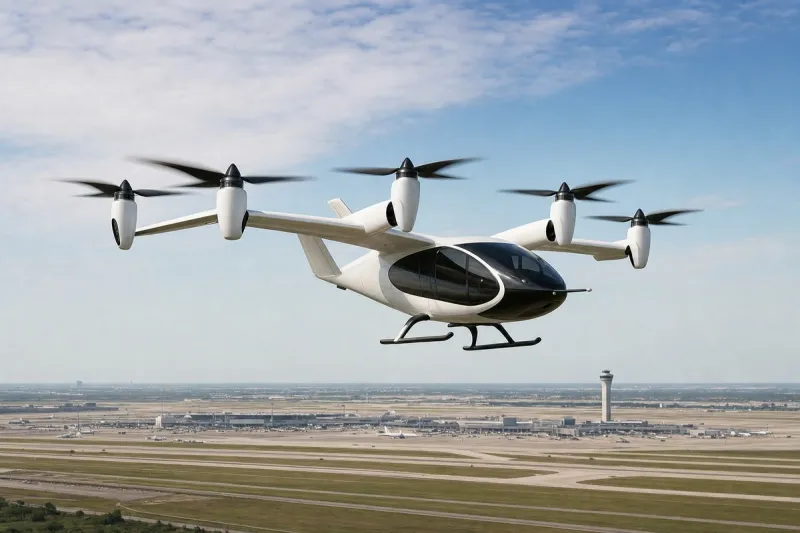
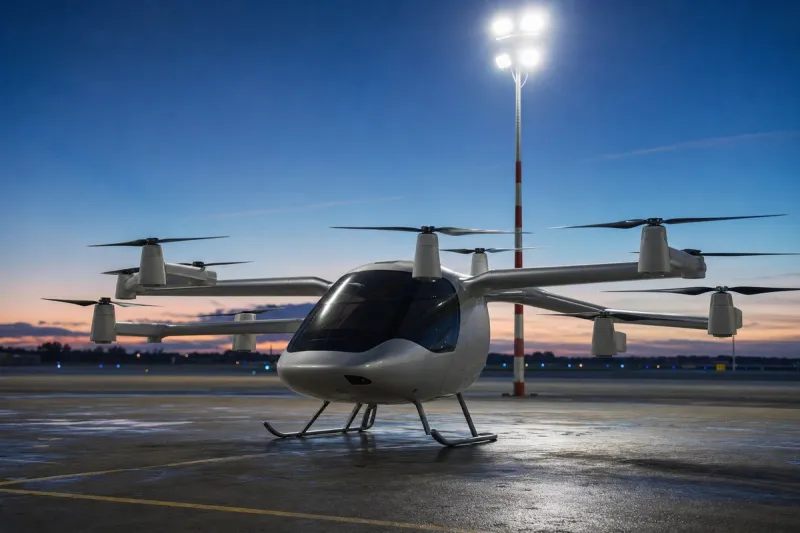
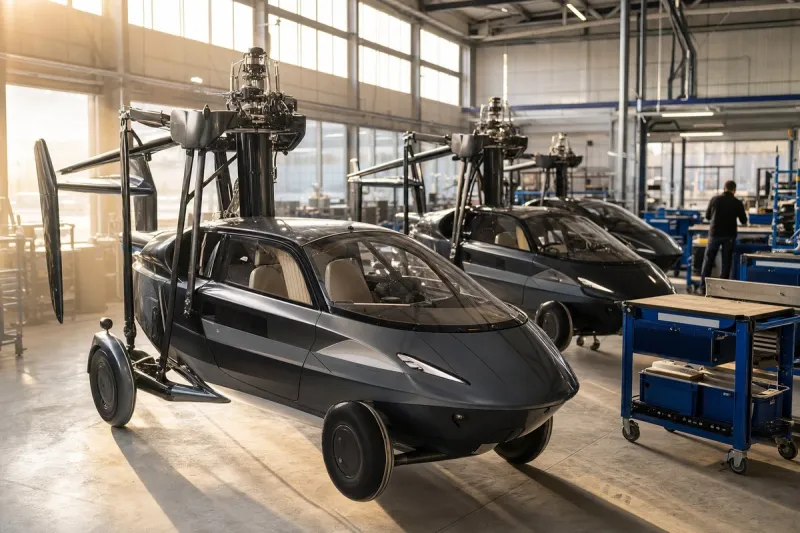
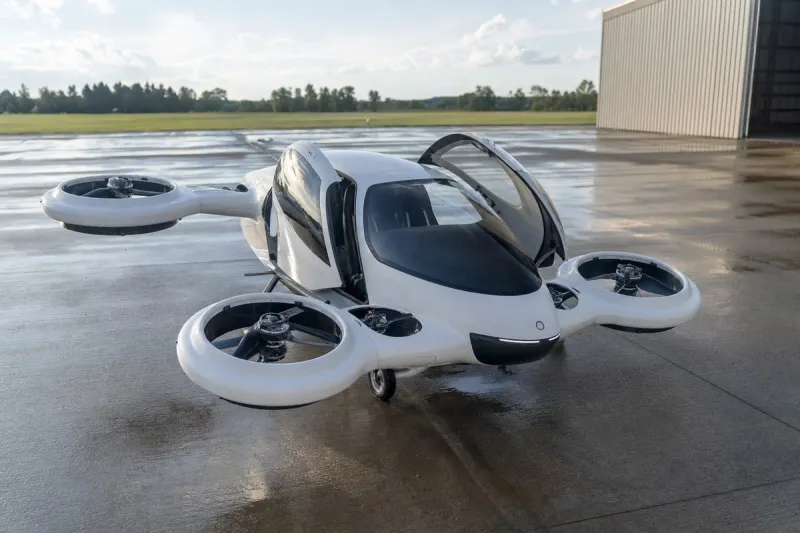
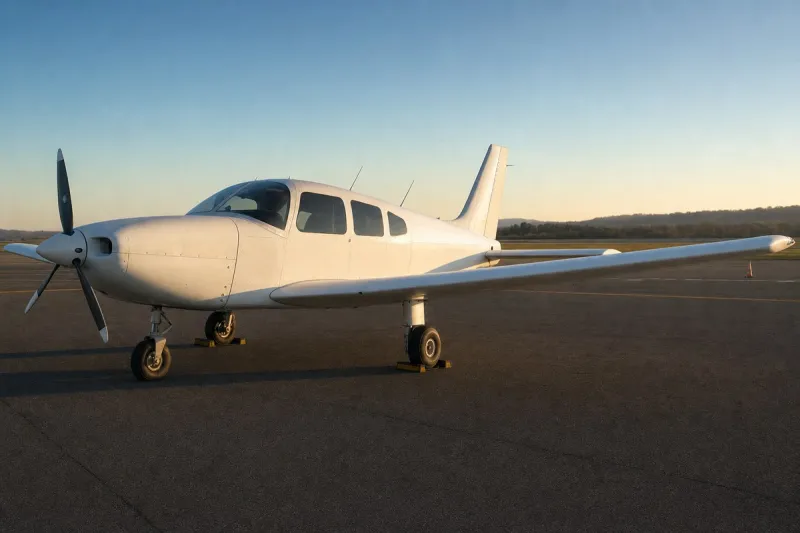
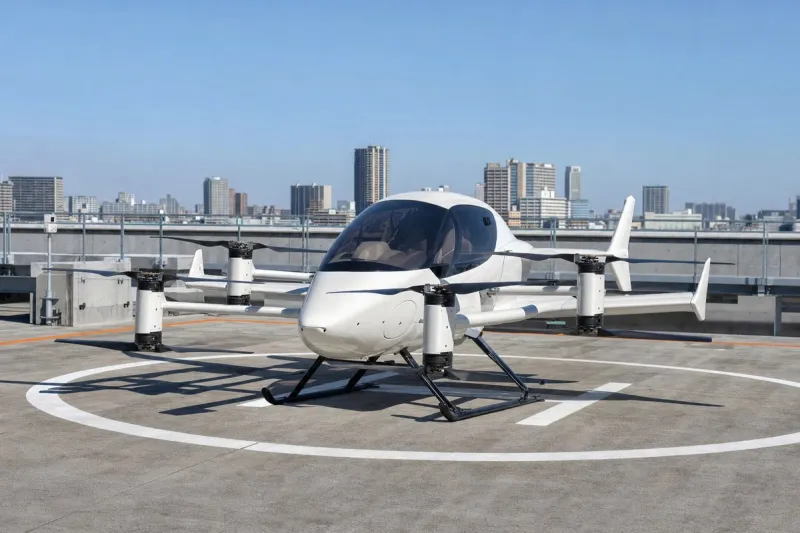
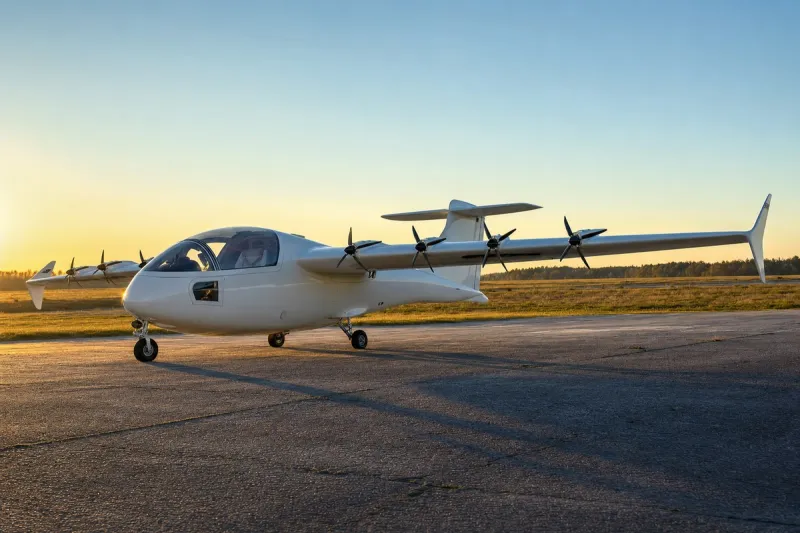
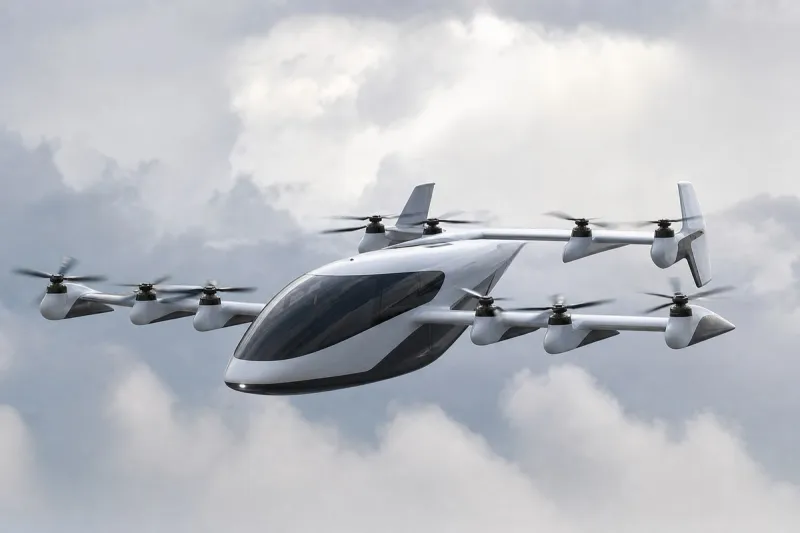
Industry estimates cited alongside the announcement indicate that around 50,000 eVTOL aircraft and a further 15,000 battery-powered fixed-wing aircraft could be operating globally by 2035, representing an estimated 6–10 GWh of battery capacity before accounting for replacement and aftermarket demand. Commentators note that most battery cells used in UK-assembled battery packs are still sourced overseas through concentrated supply chains, leaving manufacturers exposed to volatile pricing, long lead times, export controls and supply disruption.
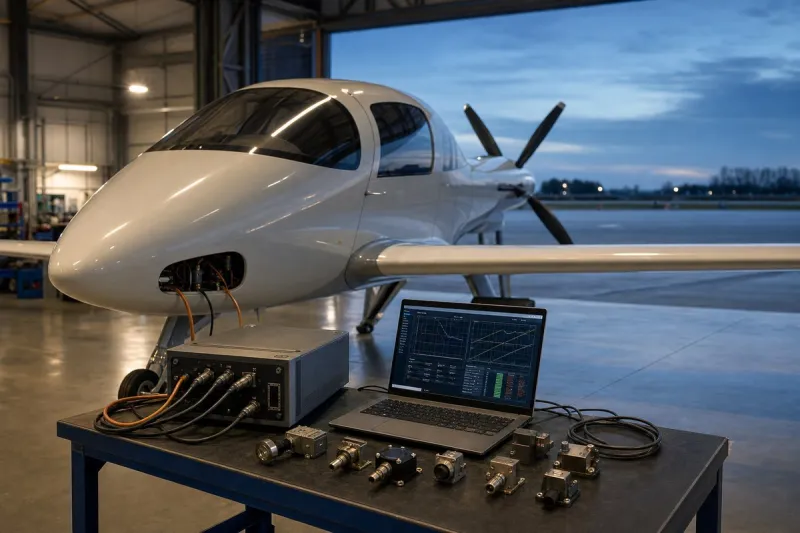
UK-based battery cell manufacturer Volklec is developing domestic cylindrical cell manufacturing for aerospace and specialist applications. Industry voices argue that the £600 million package must do more than fund research pipelines and should also build domestic manufacturing capability so that British innovation translates into British industrial output.
Industry impact & what to watch
New aerospace programmes can take up to a decade to move through research, testing and qualification before reaching production, which means the cell-sourcing decisions taken alongside this funding will shape aircraft entering service in the 2030s rather than today's fleets. A research grant and a manufacturing base are not the same commitment, and the gap between them is where supply-chain risk accumulates for electric and hydrogen aircraft programmes.
Battery-electric and hybrid aviation supply chains currently run through a small number of overseas cell producers, so funding that only supports design and testing leaves the eventual production run dependent on external pricing and export policy. Domestic cell manufacturing, as Volklec is pursuing, addresses a different point in that chain than research funding does.
What happens next depends on whether the £600 million allocation, or a following package, extends beyond research pipelines into manufacturing capacity for cells themselves, since the aircraft expected to enter service in the 2030s are being designed against sourcing decisions made now.