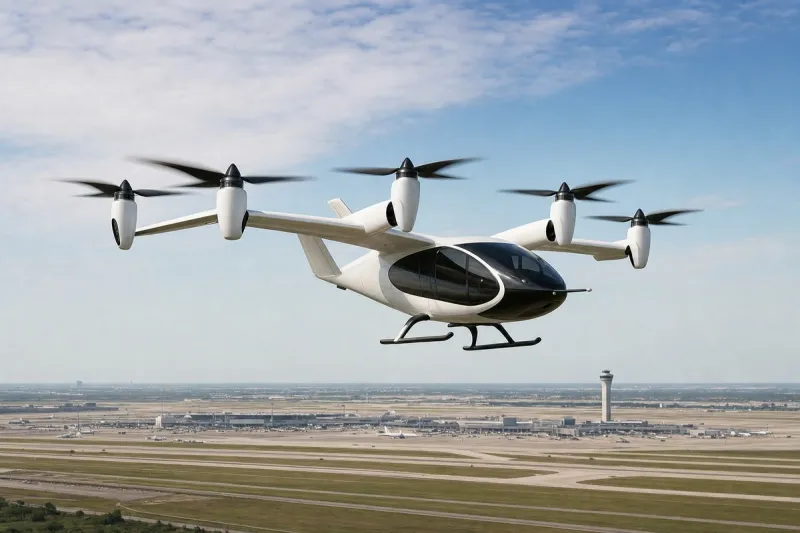
Million Air Expands Sustainability Push with SAF, eVTOL Charging and Electric Ground Equipment Under Beyond Green Platform
Why It MattersFBO operators are increasingly building SAF supply, eVTOL charging and electrified ground infrastructure into standard service offerings ahead of wider adoption of these technologies.
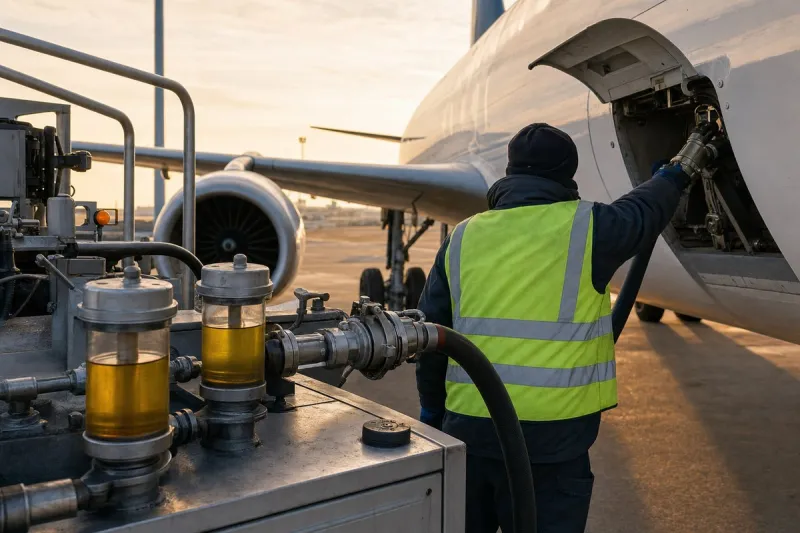
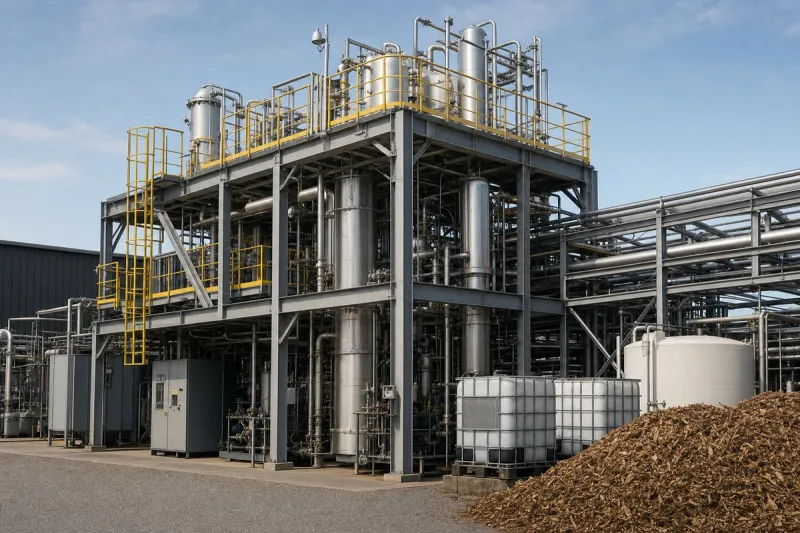
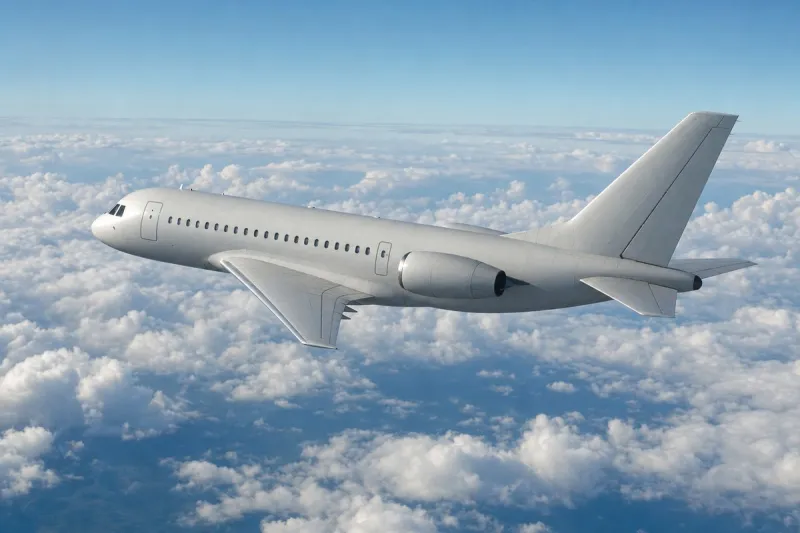
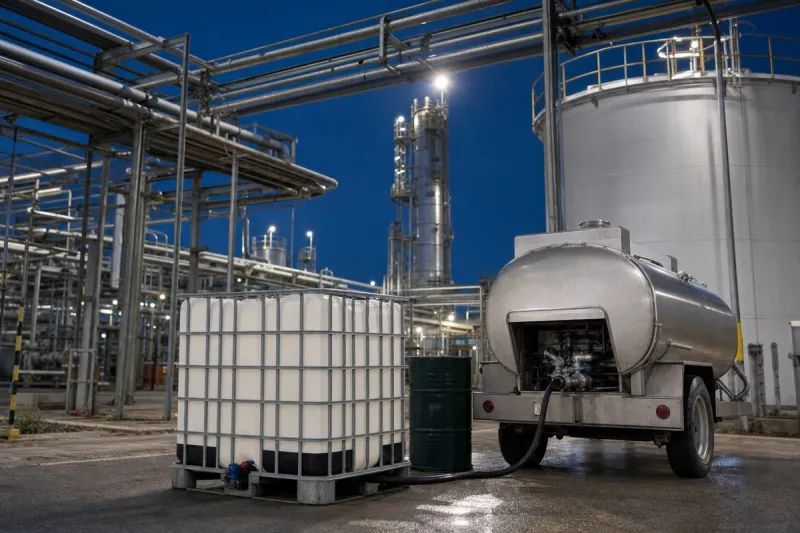
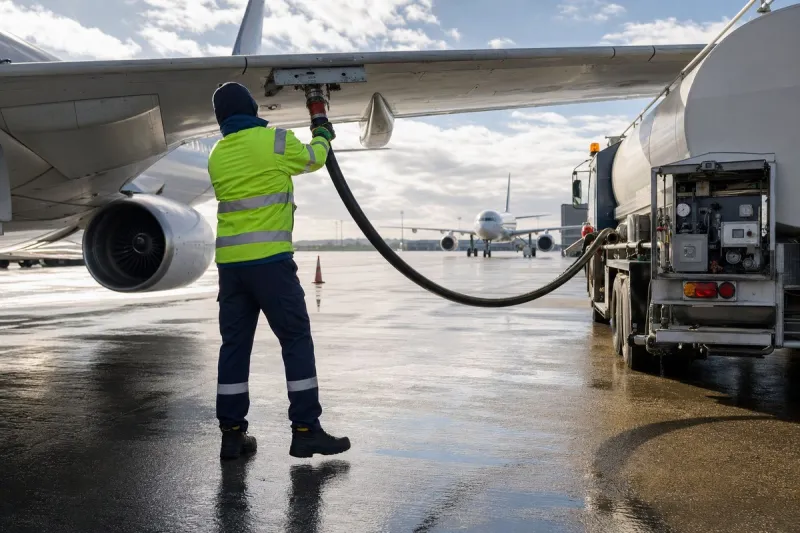
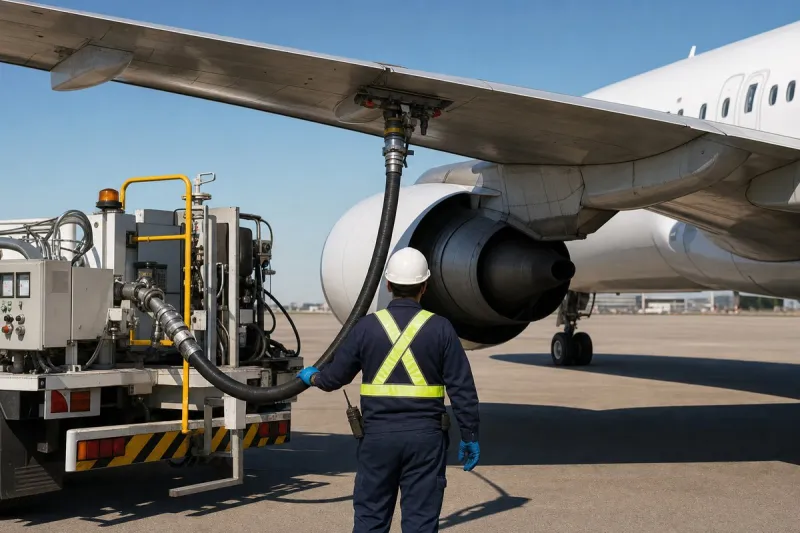
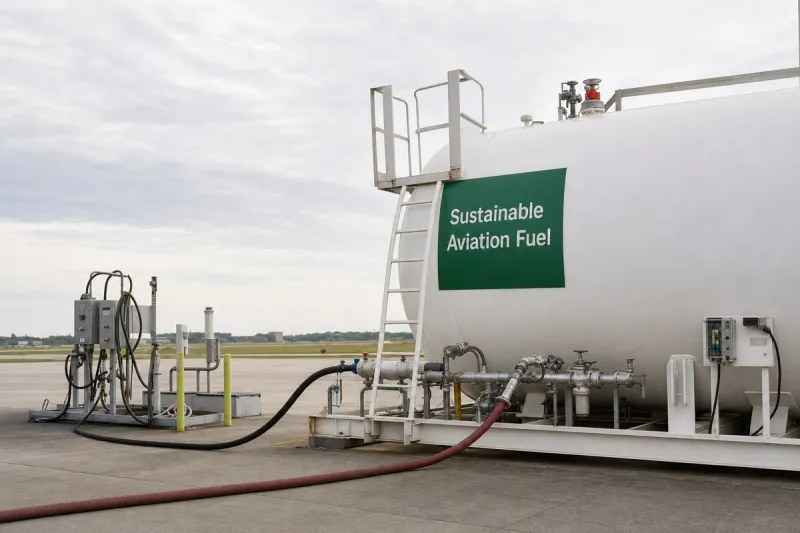
Fixed-base operator Million Air is expanding sustainability initiatives across its network under its Beyond Green platform, covering sustainable aviation fuel (SAF), electric ground support equipment, eVTOL charging infrastructure and facility energy upgrades. In 2025, Million Air Austin and Million Air Albany became among the first FBO locations in their respective states to offer a consistent SAF supply, provided as a 30% neat SAF blend with 70% conventional jet fuel, yielding roughly a 24% reduction in lifecycle carbon emissions versus traditional jet fuel; in unblended form, SAF can cut lifecycle greenhouse gas emissions by up to 80%.
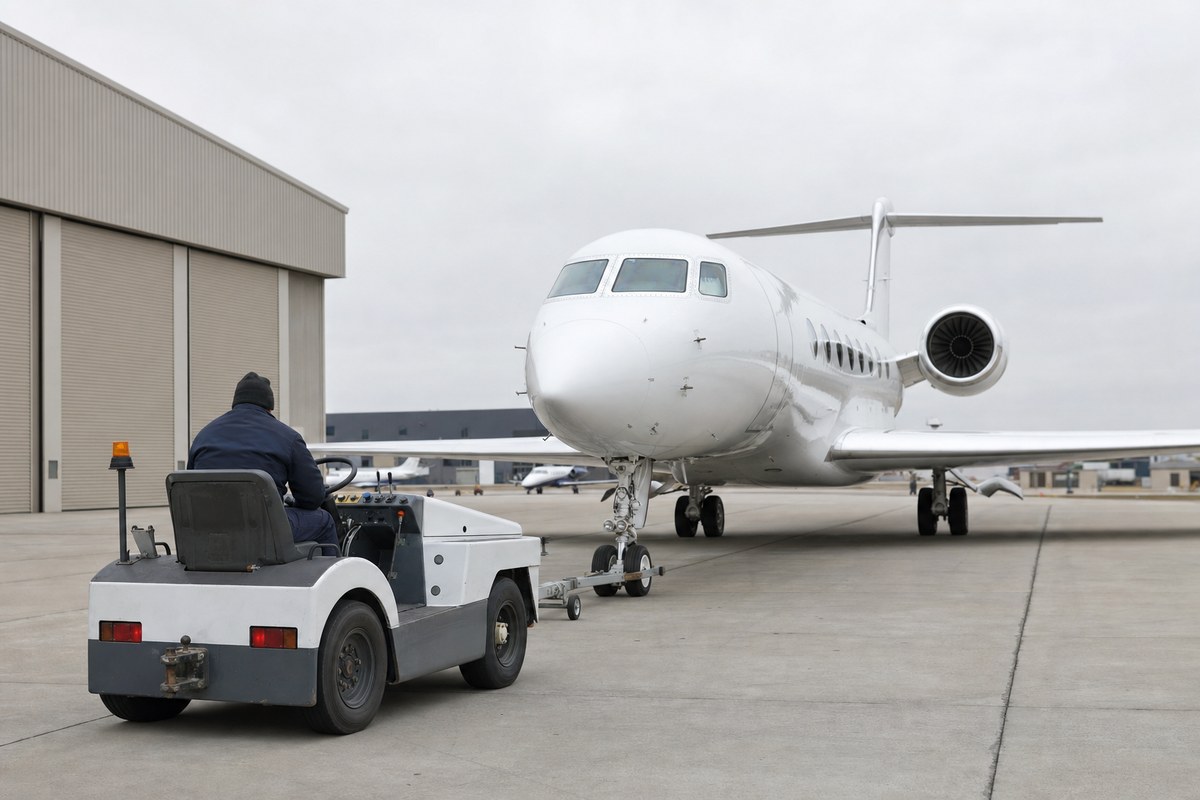
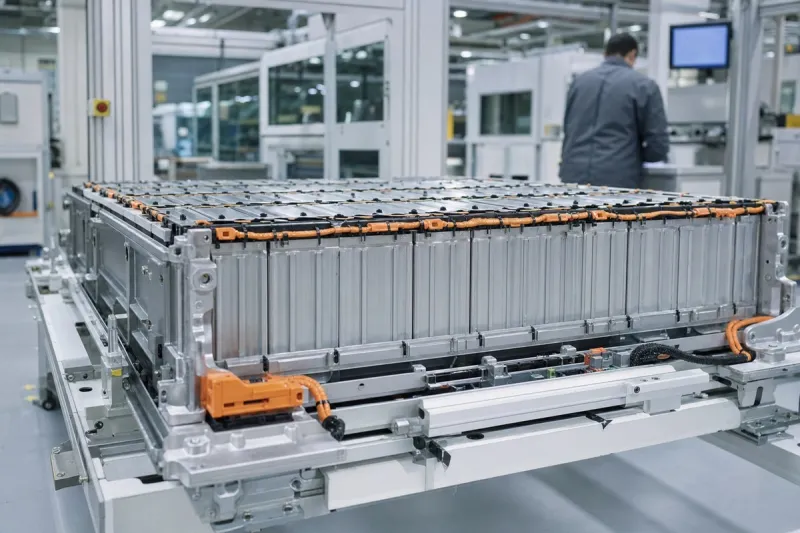
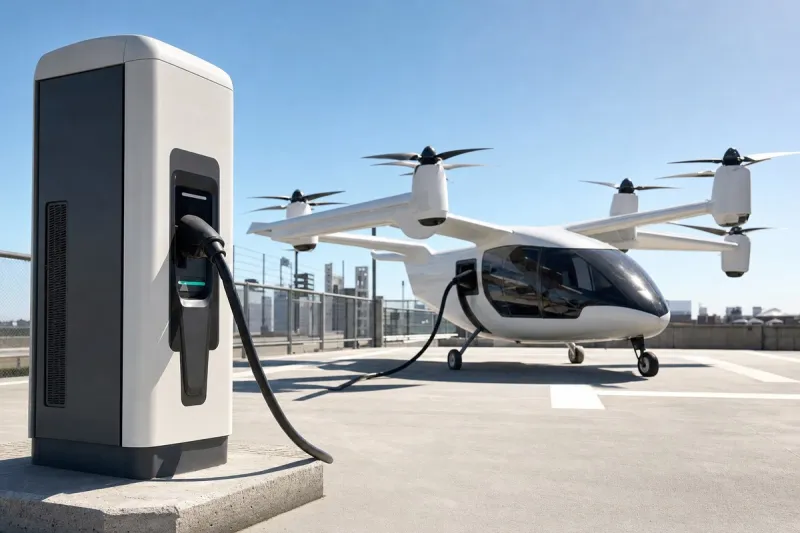
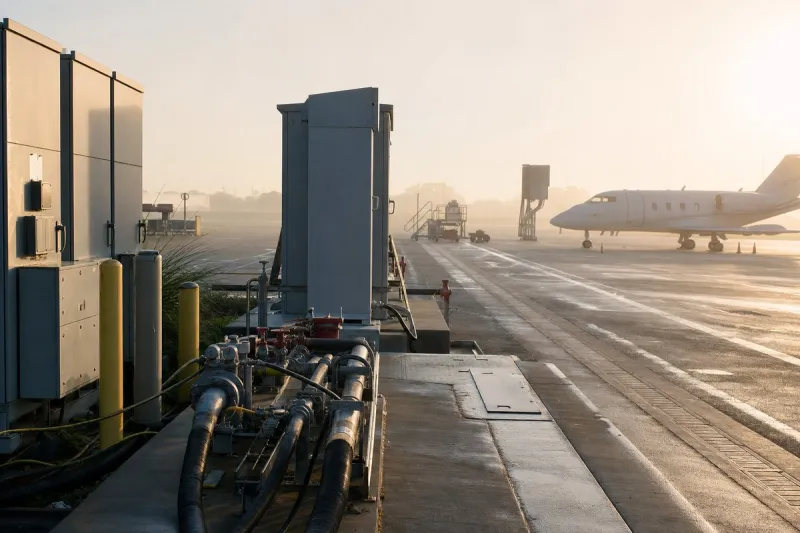
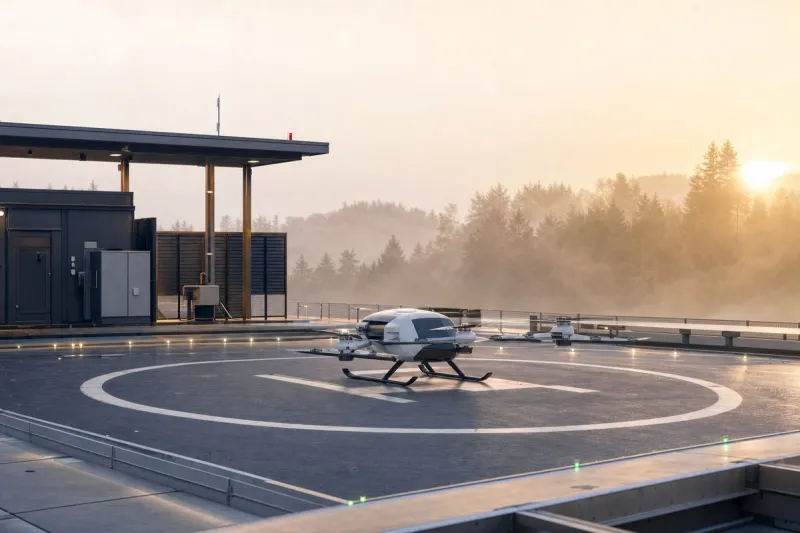
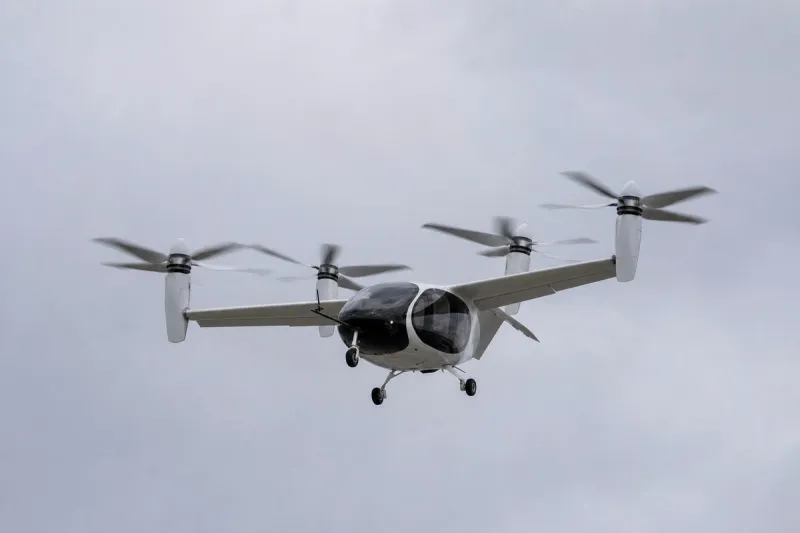
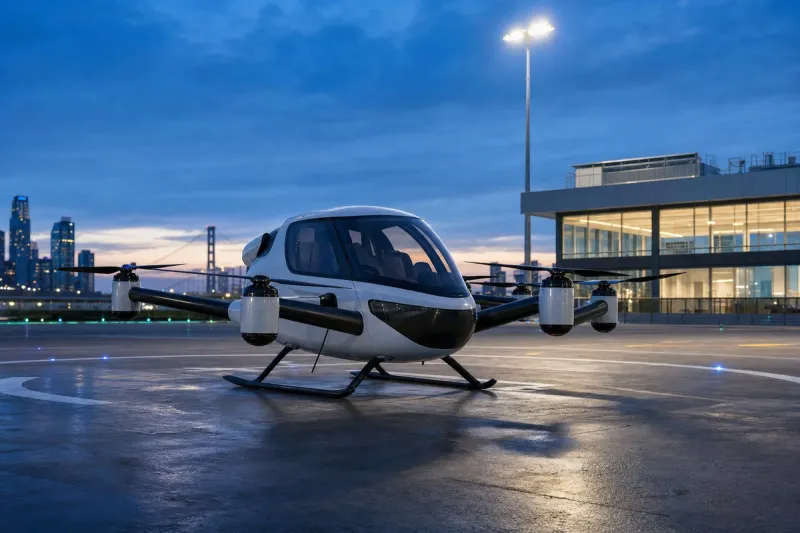
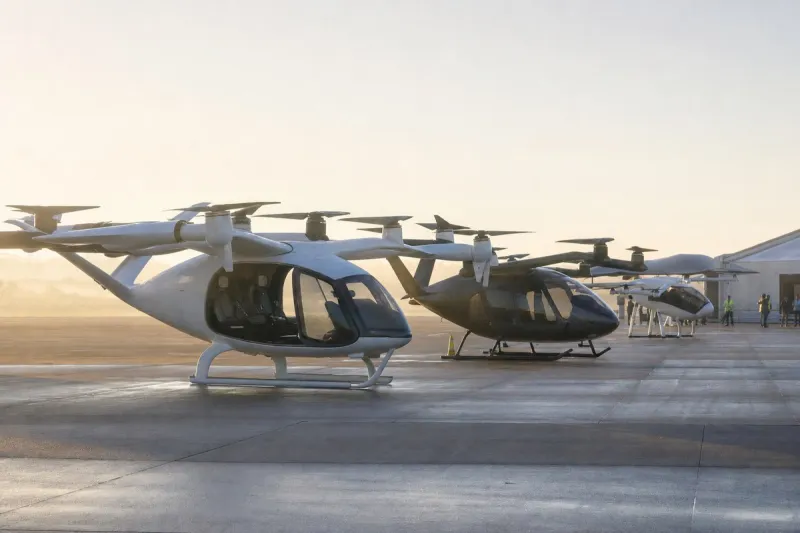
Million Air has also partnered with BETA Technologies to install eVTOL charging infrastructure at three FBO locations. Several of its New York FBOs have purchased 100% battery-powered, zero-emission 28.5 VDC electric ground power units to replace diesel equipment, cutting emissions and noise, while EV charging stations have been installed network-wide and some crew vehicles replaced with electric Tesla and Mercedes models.
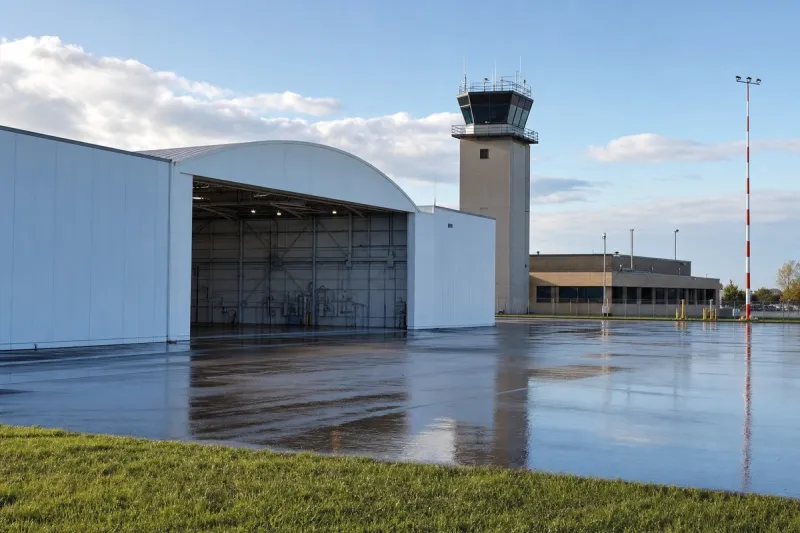
At the facility level, the company has implemented natural gas system conversions, extensive natural lighting, 100% LED lighting across facilities and hangars, and reflective white roof coatings to reduce heat gain and cooling energy demand. CEO Roger Woolsey said the sustainability commitment reflects a generational perspective, noting his father was a pilot and his children are third-generation pilots, and that the industry must keep investing in technologies allowing future generations to enjoy aviation responsibly. Million Air said it is also developing long-term carbon reduction plans for fuel usage, facility energy consumption and ground support equipment emissions across its FBO network.