Boeing 777-8F and Airbus A350F Emerge as Next-Generation Cargo Successors to the Boeing 747
Why It MattersThe shift from four-engine to twin-engine freighters signals a broader cargo-fleet transition toward fuel efficiency and emissions compliance, while leaving a niche gap for oversized nose-loaded cargo.
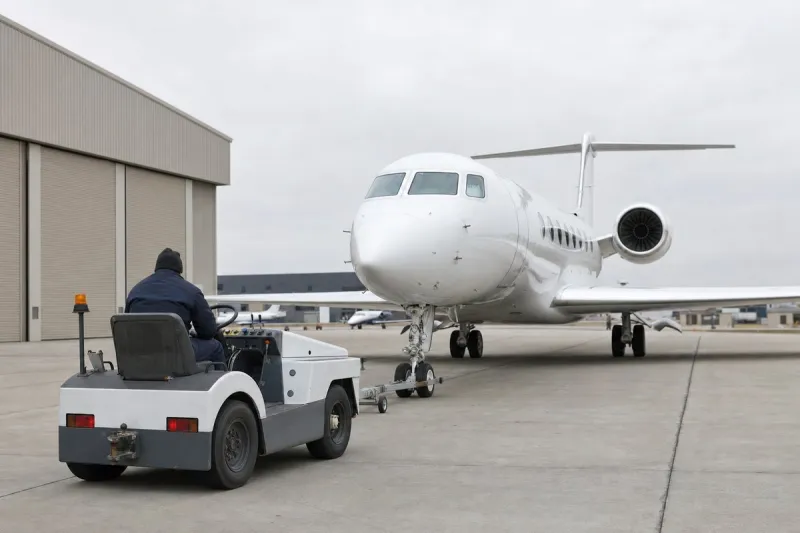
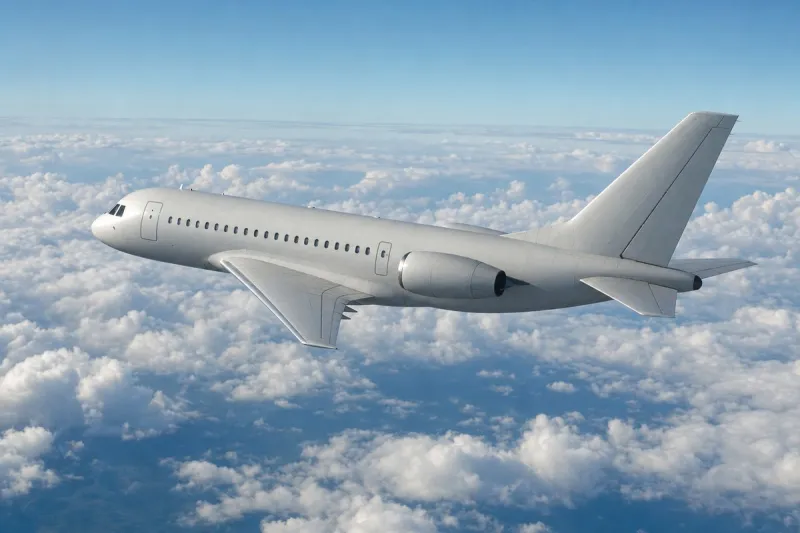
The Boeing 777-8F and Airbus A350F are positioned to succeed the Boeing 747 on mainstream cargo routes, driven by economics, fuel efficiency and tightening emissions standards, though neither aircraft replicates the 747's forward-opening nose door.
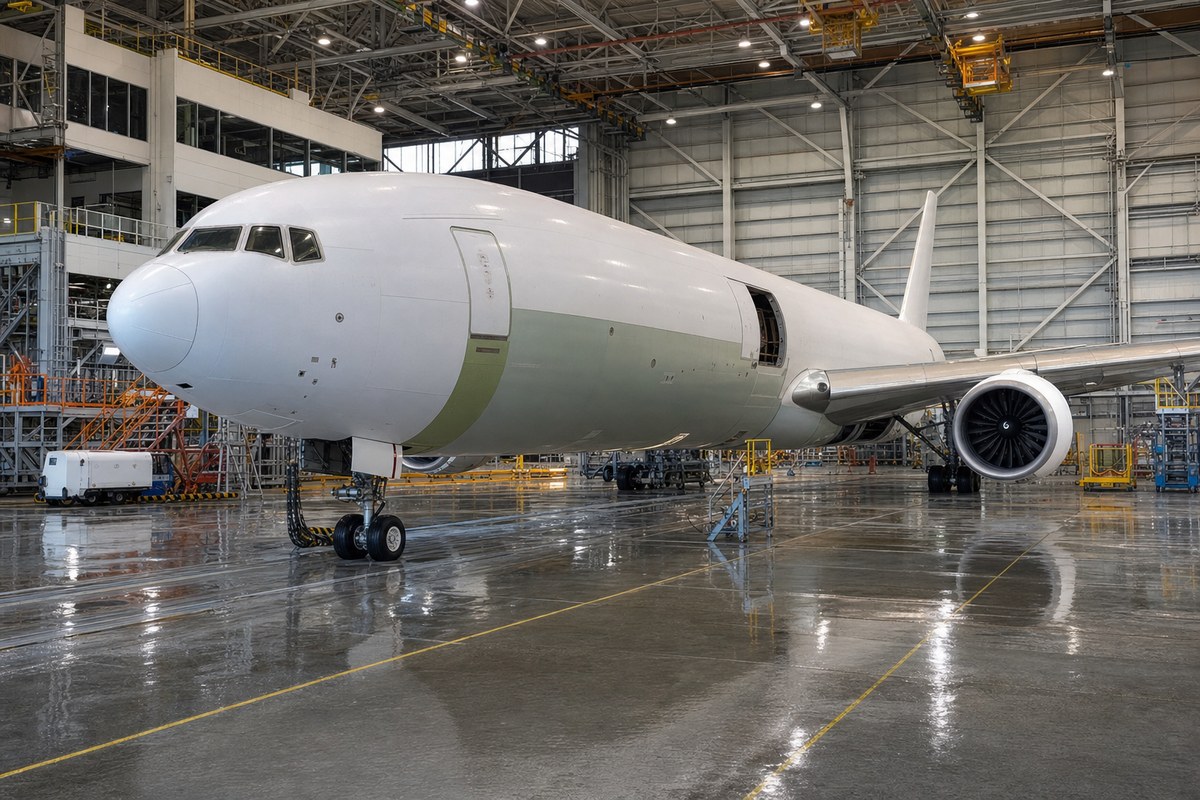
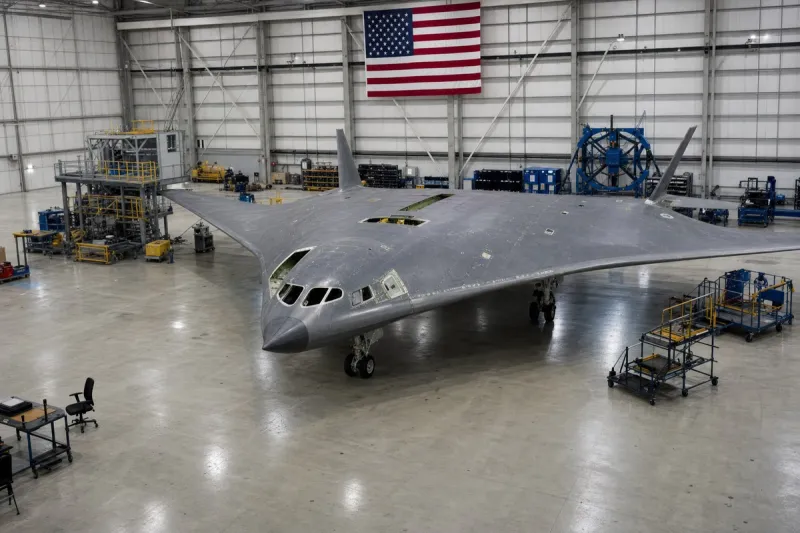
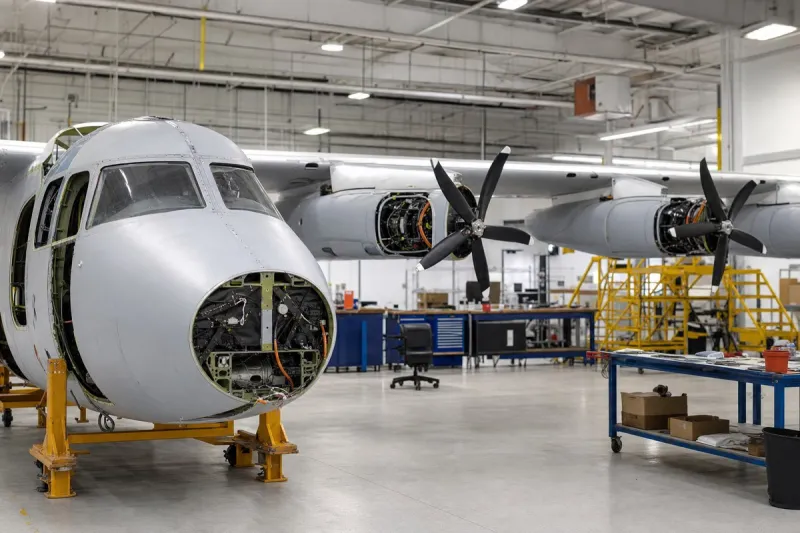
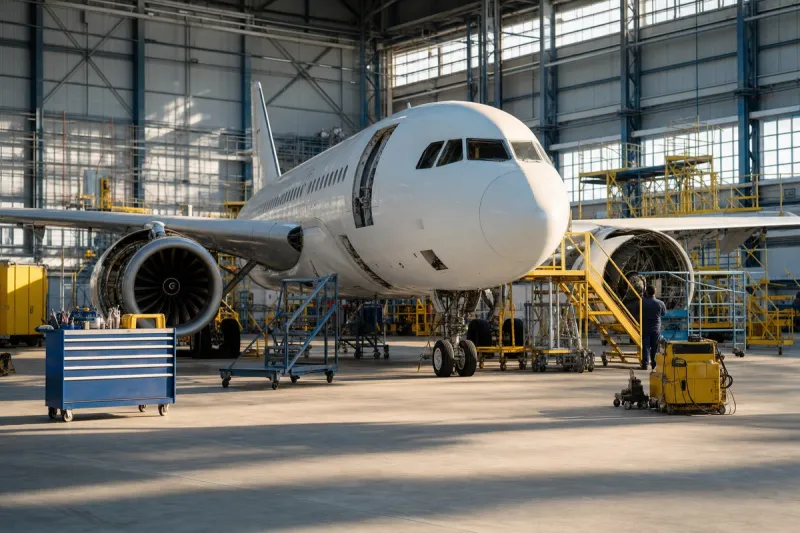
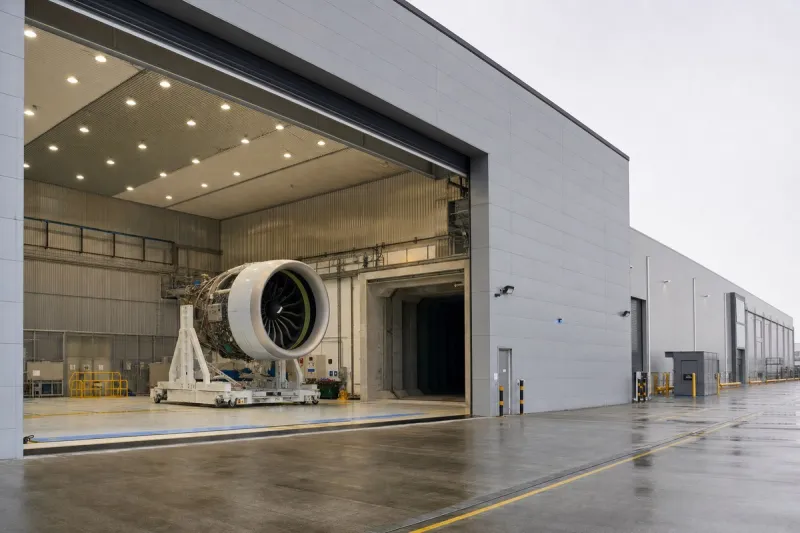
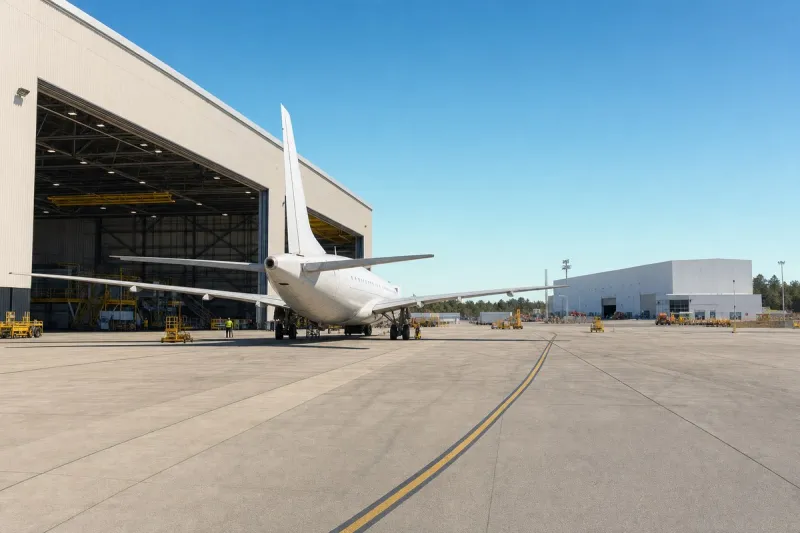
Boeing's 777-8F, built on the existing 777 freighter platform with more efficient engines and a redesigned wing, had its first airframe roll out of final assembly at Boeing's Everett facility on April 23, 2026, built for Cargolux. Boeing is targeting first delivery in 2028, after delays across the 777X family led to a $2.6 billion pre-tax charge. The 777-8F backlog has crossed 80 firm orders, boosted when MSC Air Cargo added five aircraft at the 2026 Farnborough International Airshow.
Airbus's A350F, a dedicated freighter derived from the A350 widebody family, features a composite airframe and what Airbus describes as the largest main-deck cargo door in commercial aviation at 175 inches (444.5 cm), about 15 percent wider than the 777F's door. It is designed to carry more than 242,508 lb (110,000 kg) of payload over roughly 4,700 nautical miles, powered by the Trent XWB-97 engine.
Both twin-engine freighters aim to replace four-engine 747s on high-volume intercontinental routes with lower fuel burn and reduced engine-maintenance costs. Boeing plans to end 767 freighter production in 2027, and new emissions standards are expected to restrict continued production of current-generation freighters that fall short of the latest carbon dioxide limits. Even so, the 747-8F is expected to stay relevant for specialized cargo requiring nose-door loading, such as drilling machinery and generator rotors, meaning the move away from the 747 will not be a straightforward one-for-one replacement across all cargo missions.