What Is Sustainable Aviation Fuel, How Is It Made, and Can It Help Aviation Cut Emissions?
Why It MattersAirlines can cut lifecycle carbon intensity using existing aircraft and fuel infrastructure now, but scaling SAF depends on billions in investment and feedstock supply rather than fleet renewal.
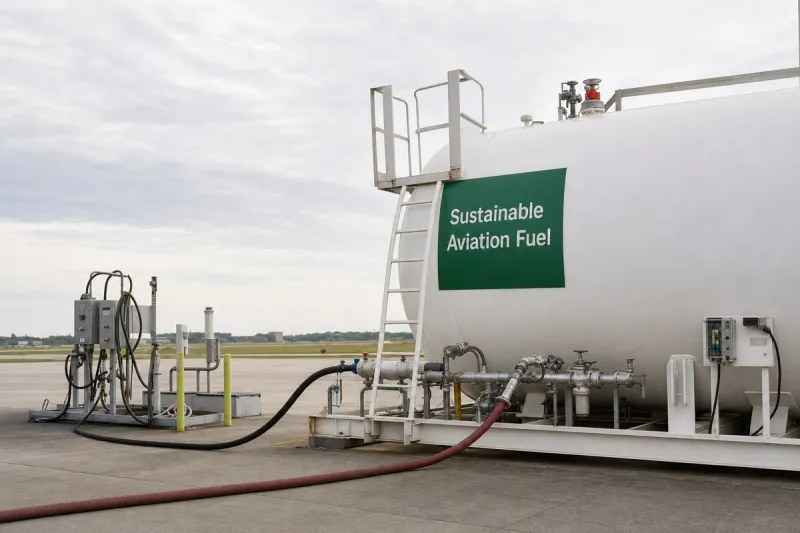
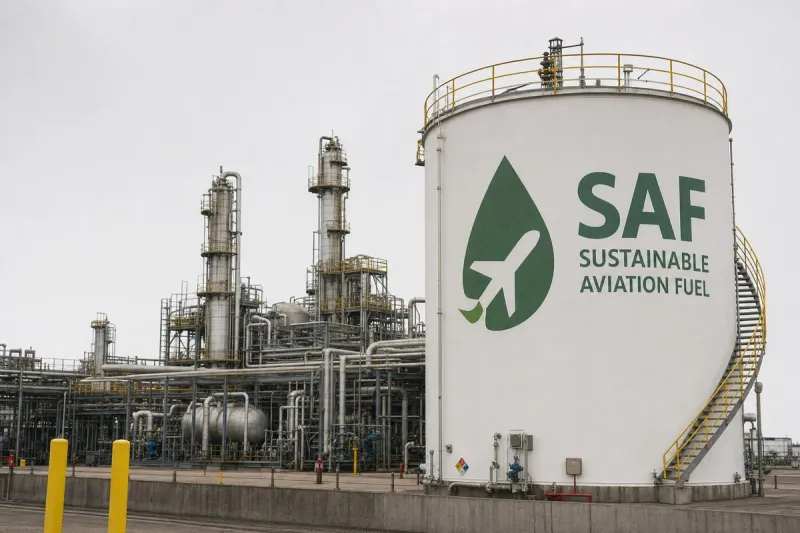
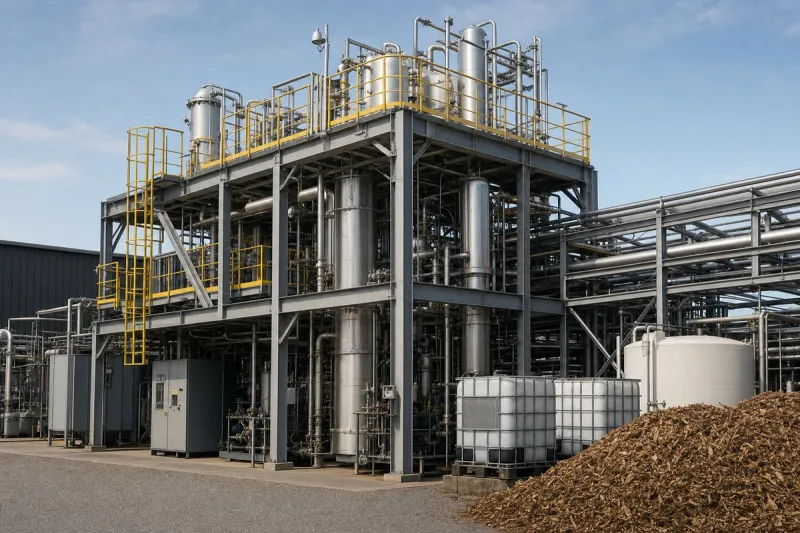
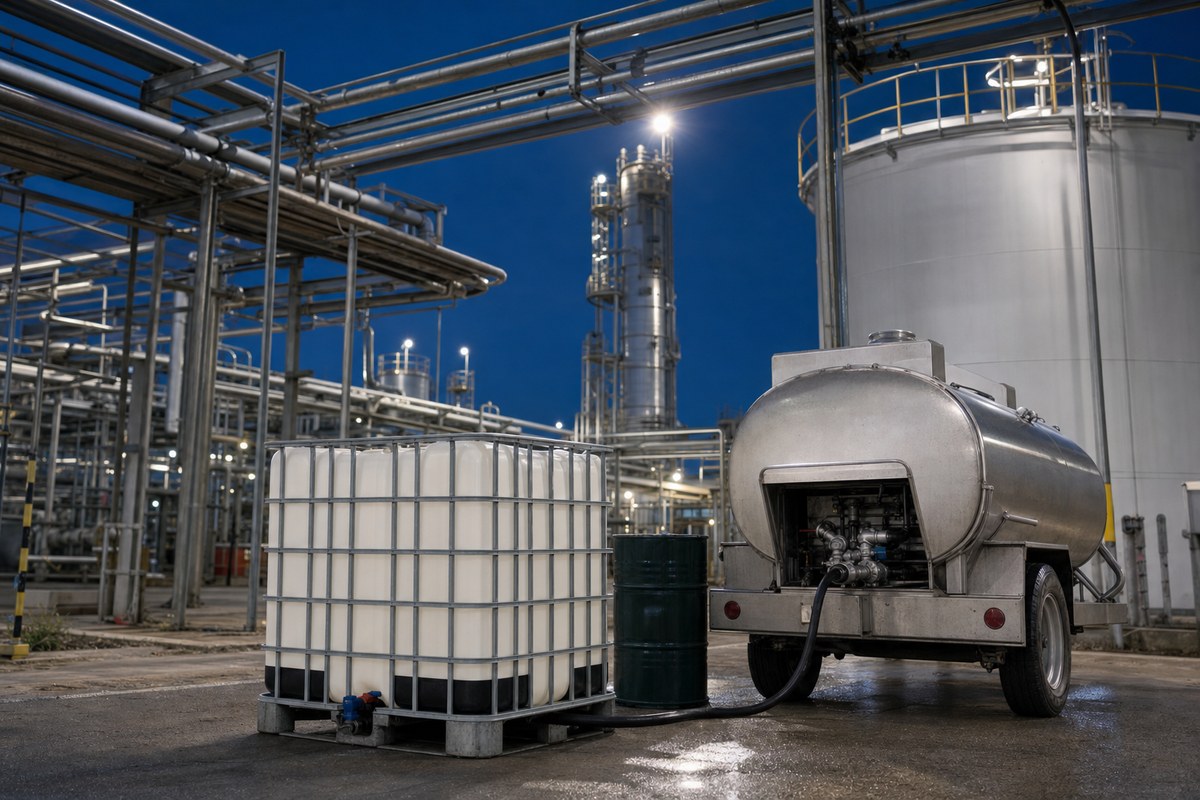
Sustainable aviation fuel (SAF) is jet fuel produced from renewable or waste materials rather than crude oil, using feedstocks such as used cooking oil, animal fats, agricultural waste and other biomass. Newer production routes, known as e-SAF or power-to-liquid fuel, combine renewable hydrogen with carbon dioxide captured from the atmosphere or industrial processes.
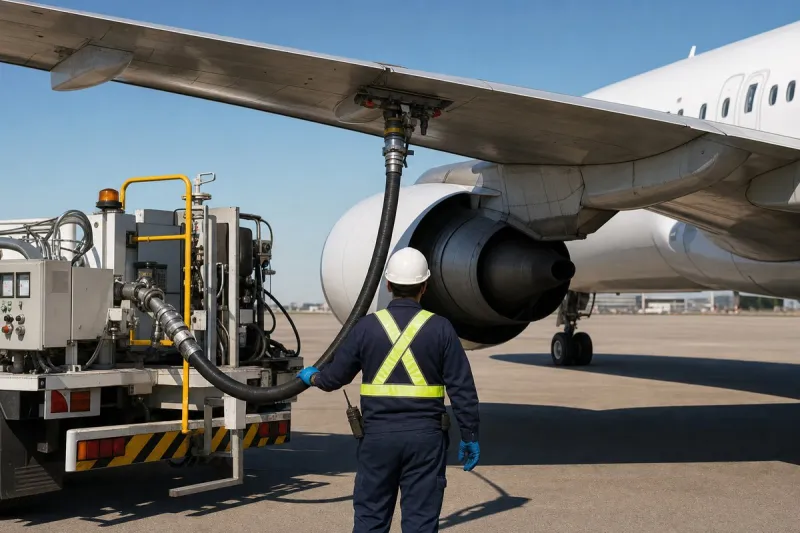
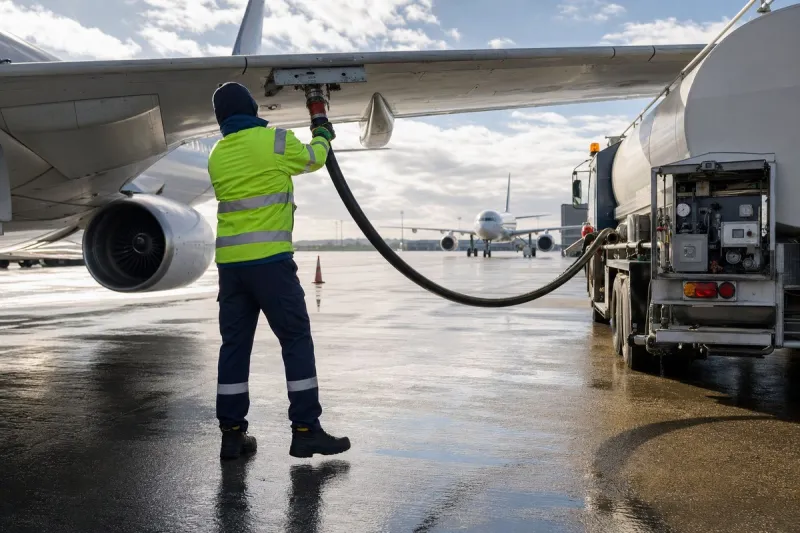
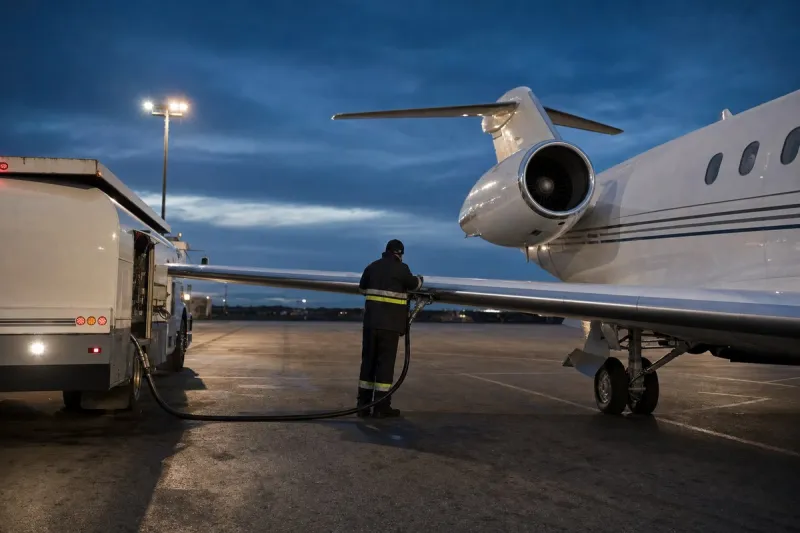
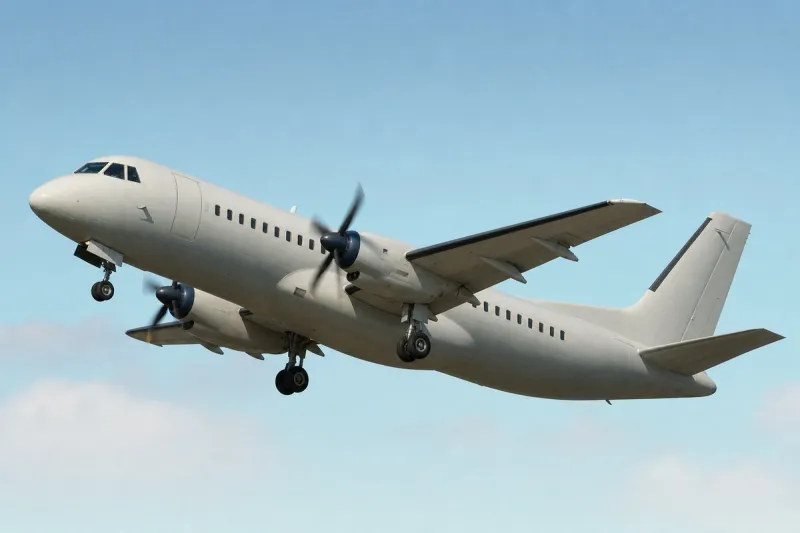
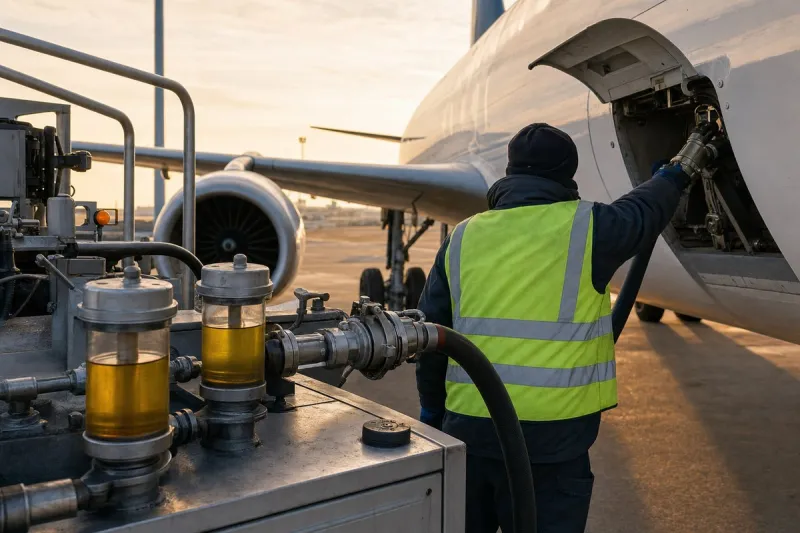
SAF still emits CO₂ when burned in an aircraft engine, but because its carbon can come from sources already part of the natural carbon cycle rather than fossil reserves extracted underground, its lifecycle emissions can be significantly lower than conventional jet fuel's, with exact savings depending on feedstock, production energy use and transport. SAF is compatible with existing aircraft, engines and much of current airport fuel infrastructure, and is currently blended with conventional jet fuel for use on commercial flights already in operation.
Global SAF production remains small relative to conventional jet fuel consumption, and it costs considerably more: the UK Ministry of Defence estimates conventional aviation fuel at about $0.48 per litre, against roughly $1.50 per litre for SAF. Scaling production will require billions of dollars in investment, new facilities and reliable feedstock supplies. Under the European Union's ReFuelEU Aviation rules, fuel suppliers must raise the SAF share supplied at EU airports from 2% in 2025 to 70% by 2050.
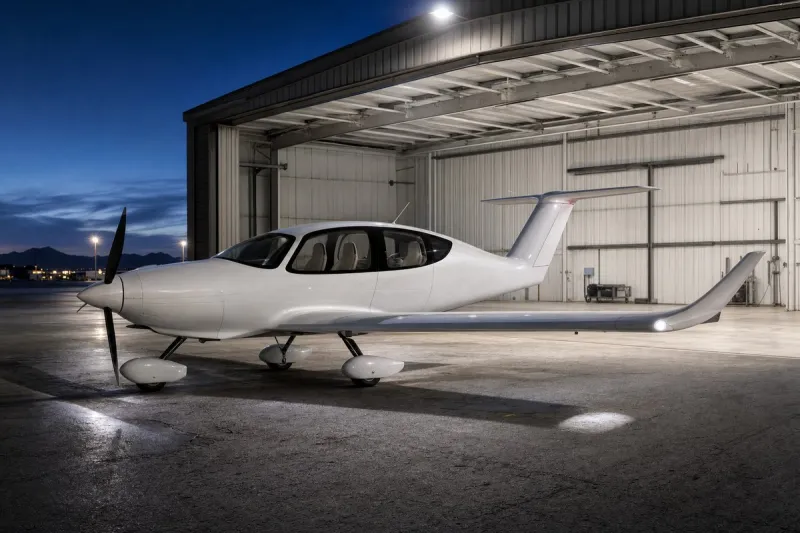
SAF is not expected to make aviation carbon-free alone, forming one part of a broader set of measures that also includes more fuel-efficient aircraft, improved air traffic management and new propulsion technologies, with its main advantage being that it can cut carbon intensity using aircraft already in service.