AI-Powered Wildlife Detection Could Enhance Bird-Strike Prevention for Business Aviation, Experts Say
Why It MattersAs detection tools move from radar-only systems toward camera-based computer vision, smaller airports without dedicated wildlife staff may gain earlier warning capability that previously required costly infrastructure.
What happened
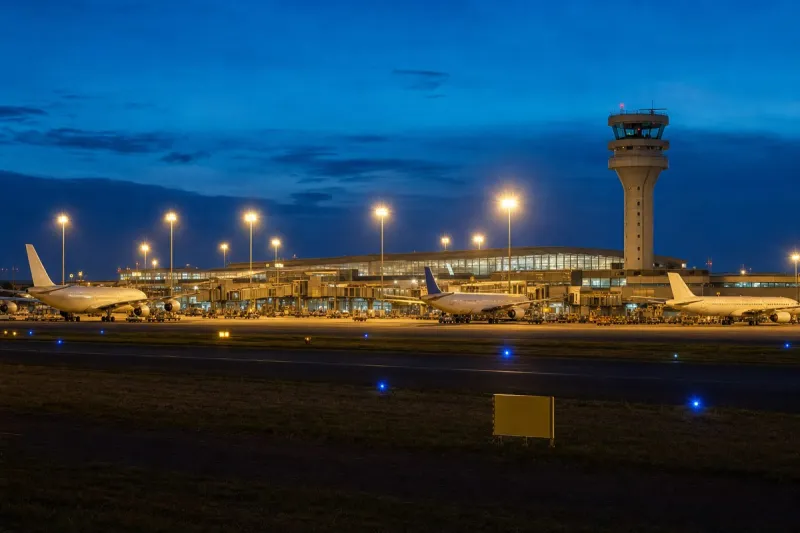
A newly released NBAA safety data analysis found bird strikes accounted for 18% of 66 reported incidents and accidents between April and June 2026, making them the most common event type in the study. Industry experts and technology developers discussed how artificial intelligence could add a new layer of bird-strike hazard awareness for business aviation airports and flight operations.
Kevin Singh, an instructor pilot for Bombardier's Global Vision program and founder and president of Icarus Jet, said bird strikes are generally treated as low-probability events that still require constant awareness during departure and arrival. He said progress so far has centred on deterrence technology instead of real-time detection: "Unless there is a way to see a flock of birds displayed in real time on the flight deck, I am not sure how AI will come into play here." He also said AI could help develop radar systems capable of differentiating between bird types.
Cristobal Esteban, founder of Aerial Guard, an AI-powered real-time wildlife monitoring platform developed by Cambrian Intelligence, said the system is meant to supply airports and operators with earlier, actionable information alongside existing wildlife management practices. "AI can provide continuous monitoring and help airport teams focus their time and attention on the moments and areas where the risk is greatest," Esteban said. He added that smaller airports with fewer dedicated wildlife management resources may benefit most.
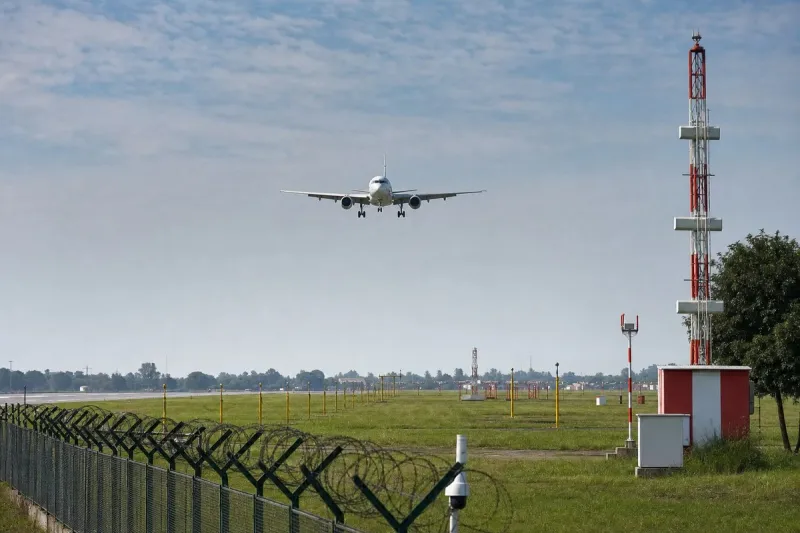
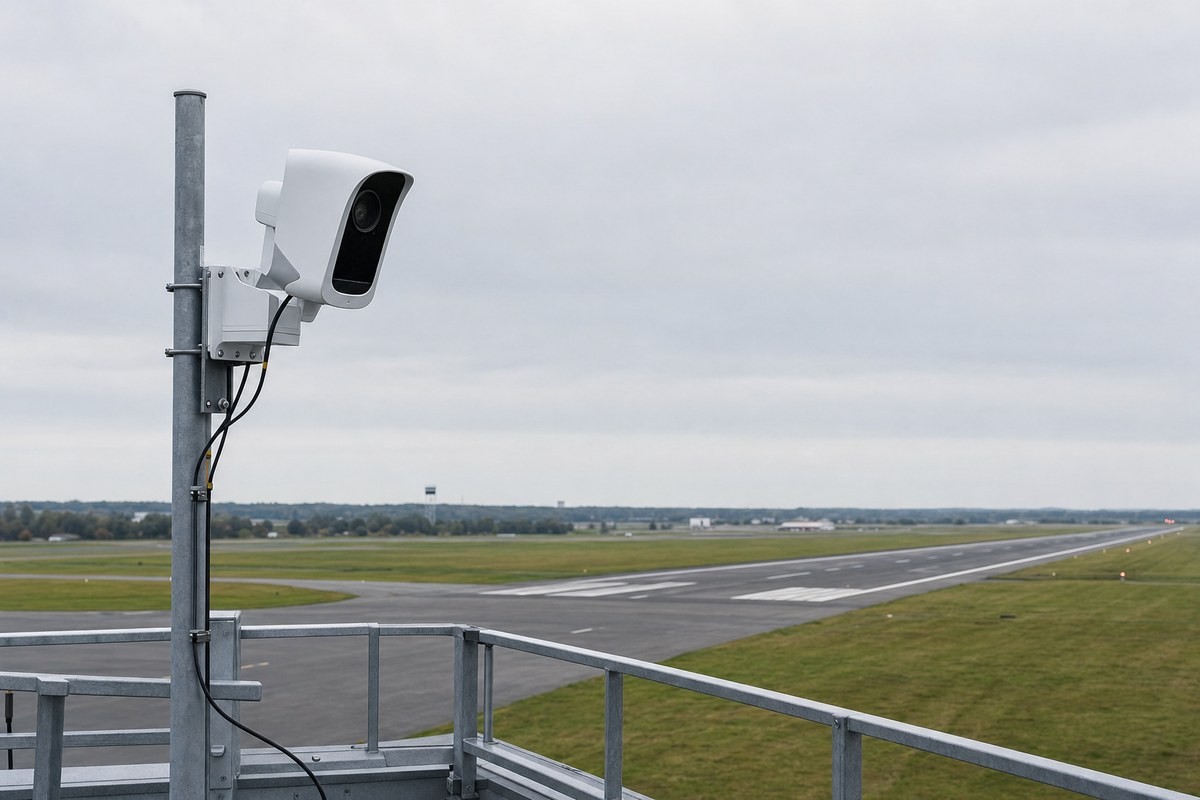
Aerial Guard uses computer vision to determine a bird's position, trajectory, speed and behaviour, and stereo vision to estimate distance and size, Esteban said. "For an immediate collision risk, we are generally talking about seconds of warning," he said. He described a scalable deployment model starting with a small number of passive cameras and local edge-processing units, avoiding expensive radar infrastructure at the outset, then expanding as operational needs and resources grow.
Industry impact & what to watch
This discussion sits at the intersection of two established safety practices: deterrence-focused wildlife management on the ground and pilot situational awareness in the cockpit. AI-based computer vision is being framed as a bridge between the two, supplying continuous monitoring that existing staff resources cannot always sustain.
Both Singh and Esteban envisage bird-hazard data eventually feeding into flight operations much like weather information does today, with pilots reviewing current and historical risk during preflight planning and receiving high-confidence alerts through electronic flight bags during critical phases of flight. That integration model, if realized, would shift bird-strike awareness from a ground-based deterrence function toward a shared operational data stream available to the flight deck.
Esteban was explicit that adoption will be gradual and shaped by regulatory requirements and the time needed to build operational trust. "Over the next five years, I expect to see the first successful pilot projects and operational deployments, rather than widespread adoption at every airport," he said. That timeline, offered by the technology's own developer, is the clearest marker for tracking whether early pilot deployments expand beyond initial test sites.