Beijing to ban drone possession within city limits from November 15
Why It MattersThe escalation from sales bans to outright possession bans shows how quickly regulators can move to eliminate consumer drone ownership entirely once airspace-safety incidents occur in dense urban centers.
What happened
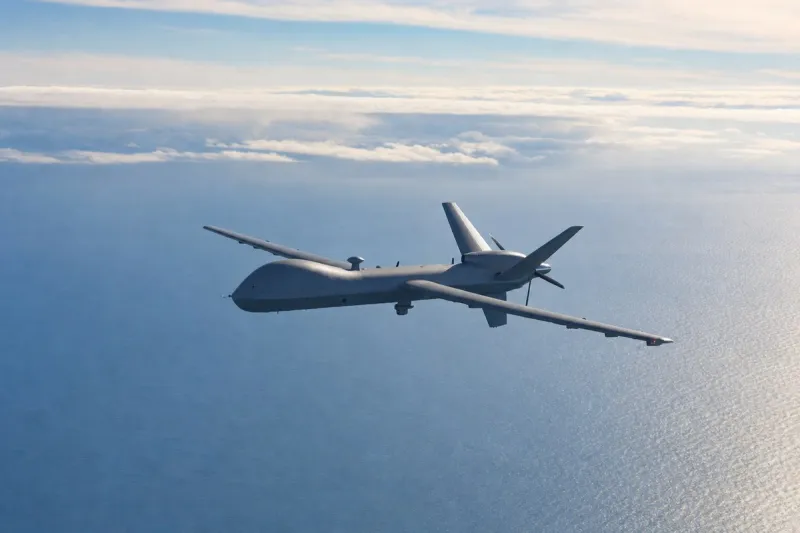
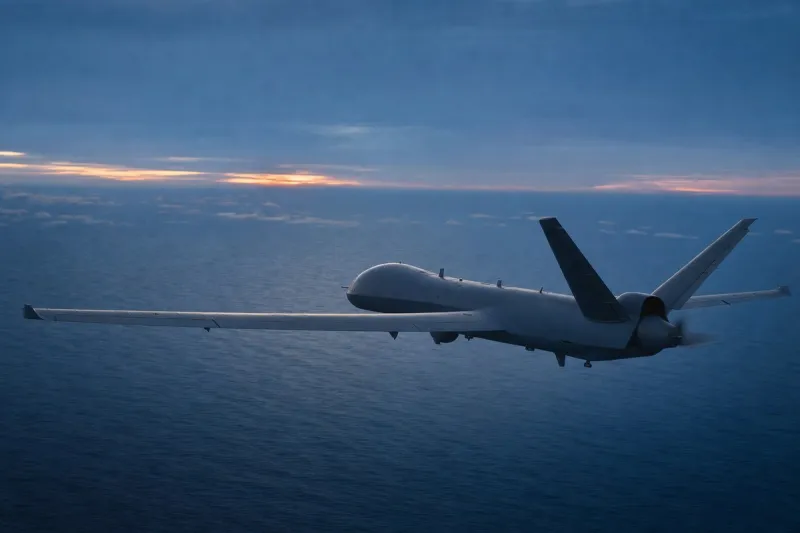
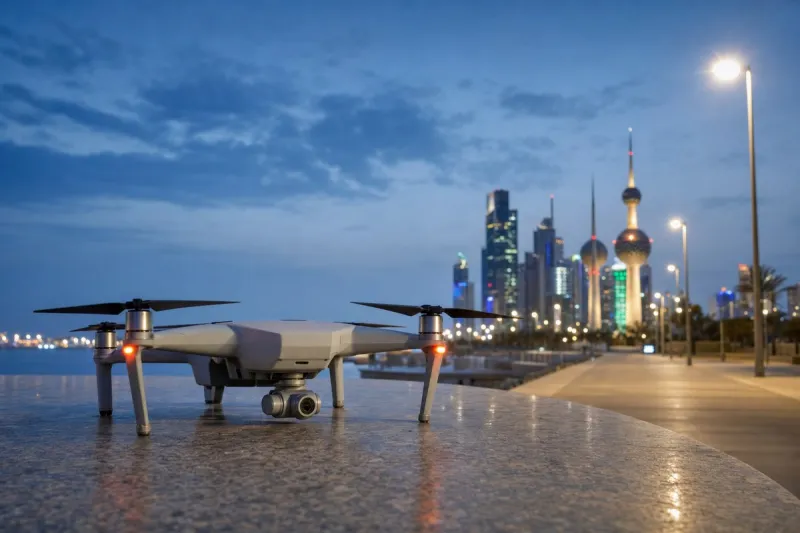
Beijing authorities announced Sunday new regulations banning the possession or storage of drones and key drone components within the city's limits, effective November 15. The measure extends restrictions already in force, including a ban on drone sales that took effect May 1 and a longstanding prohibition on unauthorized drone flights, with the city's entire administrative area designated as restricted airspace.
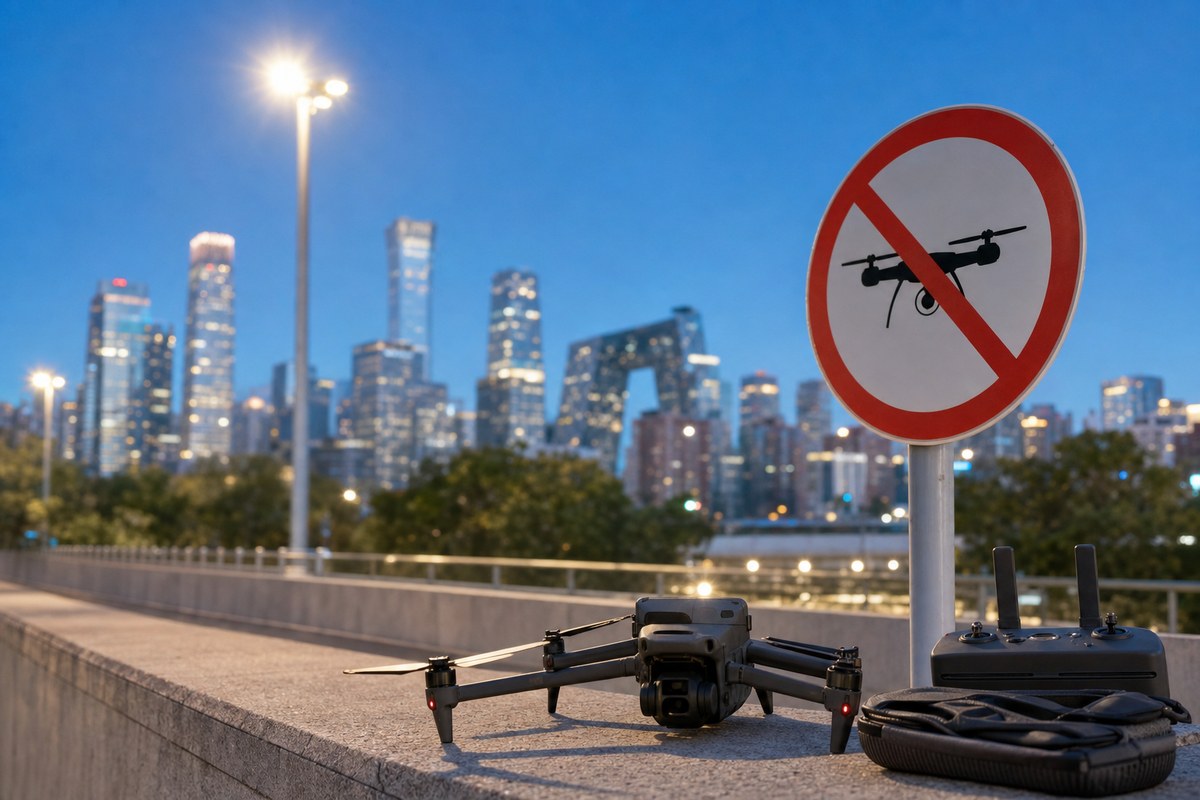
Under regulations approved in March and effective May 1, existing drone owners in Beijing were required to register their devices using real-name identification but were permitted to retain registered drones under strict conditions. The revised regulations approved this month close that allowance entirely. Authorities may confiscate drones from non-compliant owners and impose fines on individuals and companies.
Beijing authorities will offer subsidies to existing owners who sell their devices at designated buyback locations, according to state-owned newspaper Beijing Daily. Owners may also scrap and recycle their drones for a small subsidy, or ship them out of Beijing before the November 15 deadline. Bringing drones into Beijing from outside the city, including by tourists, is already prohibited, while drone use elsewhere in China remains permitted subject to real-name registration requirements.
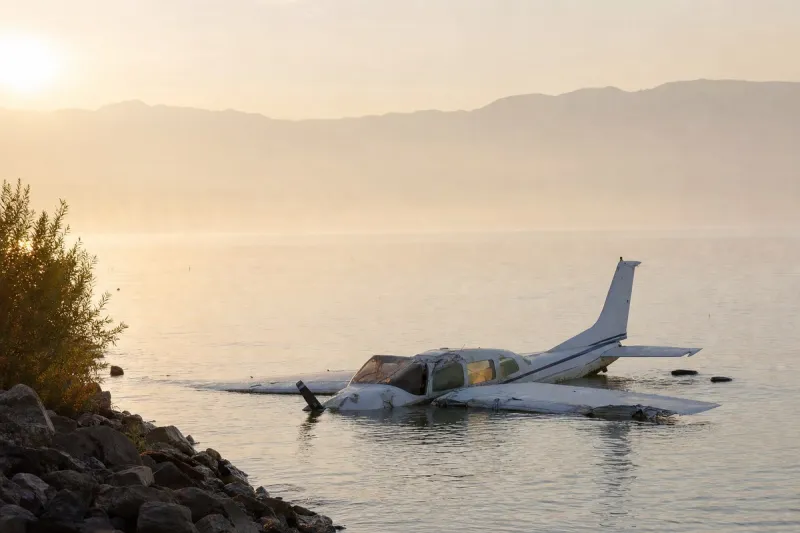
The tightened rules follow a fatal accident in late June in which a small aircraft crashed into a Beijing skyscraper, killing the pilot and injuring 13 others.
Industry impact & what to watch
This case shows how a single high-casualty incident involving a small aircraft can trigger a rapid escalation of drone policy, moving within months from a sales ban and registration regime to an outright possession ban across an entire city. Regulators in dense urban airspace tend to treat drones as a category risk once an accident causes visible harm, and the tools available — registration, sales restrictions, flight bans, and finally possession bans — form an escalation ladder that can be climbed quickly when political pressure follows a fatality.
The buyback and recycling subsidies signal that authorities are trying to manage compliance costs for existing owners rather than simply criminalizing possession outright, which matters for how enforceability plays out once the deadline passes. Whether other Chinese cities adopt similar possession bans, and how strictly Beijing enforces confiscation and fines after November 15, will indicate whether this becomes a template for other jurisdictions or remains a response specific to the capital's airspace sensitivities.