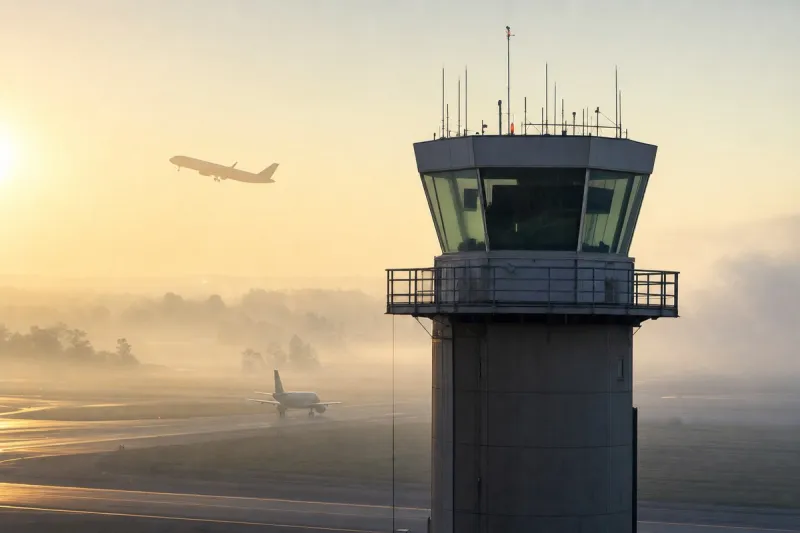
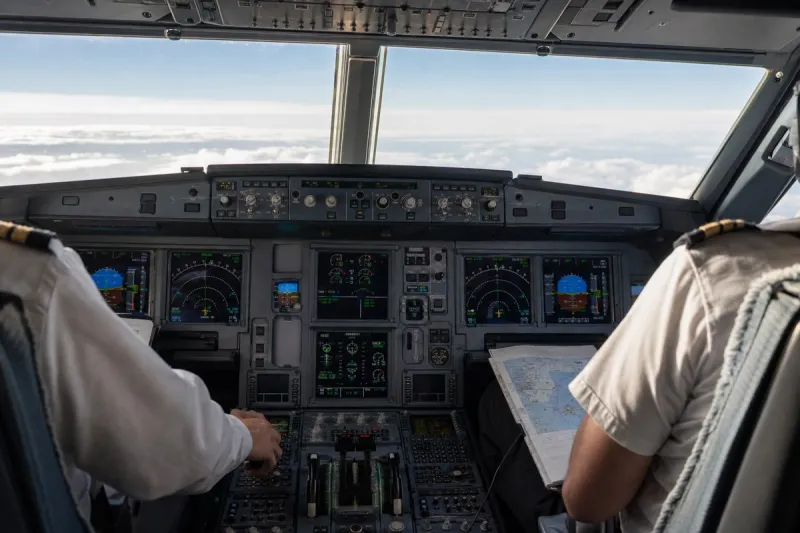
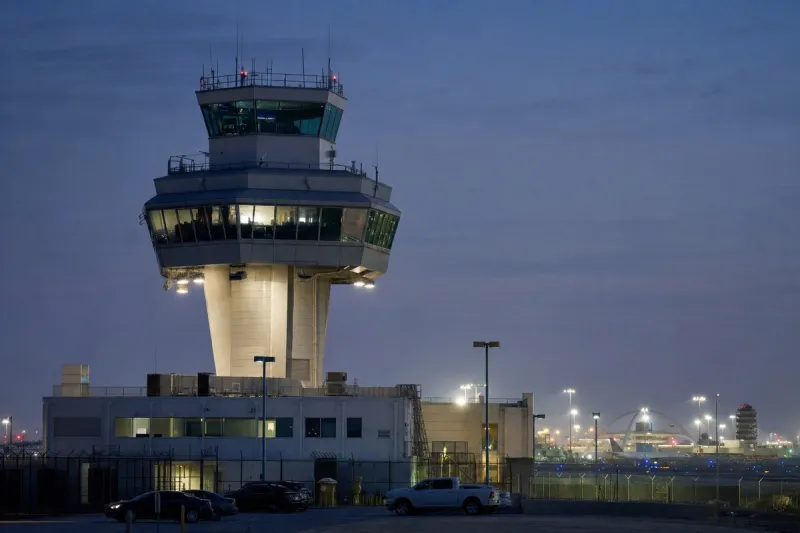
Truck Strike on Fiber Infrastructure Knocks Out Radar at San José's Juan Santamaría International Airport, Causing Flight Diversions and Delays
Why It MattersThe outage shows how a single physical cable cut can cascade into airspace-wide delays, underscoring why air navigation providers weigh redundant, physically separate data links against common-mode failure risk.
What happened
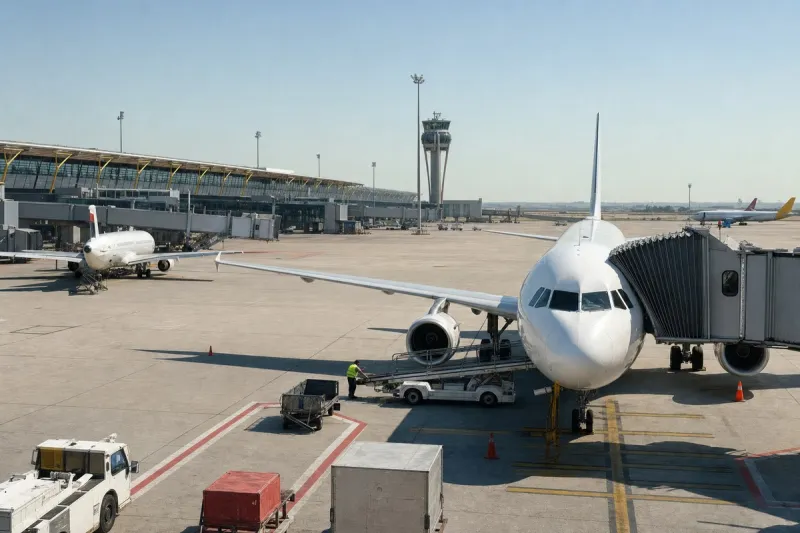
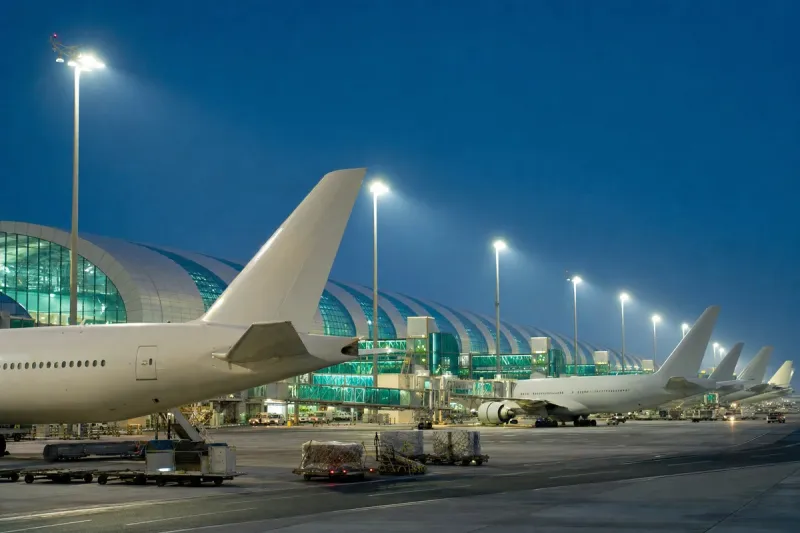
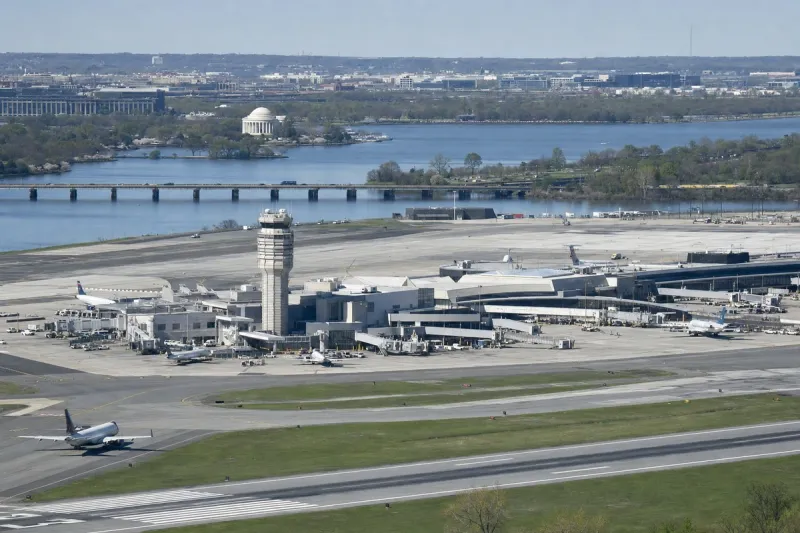
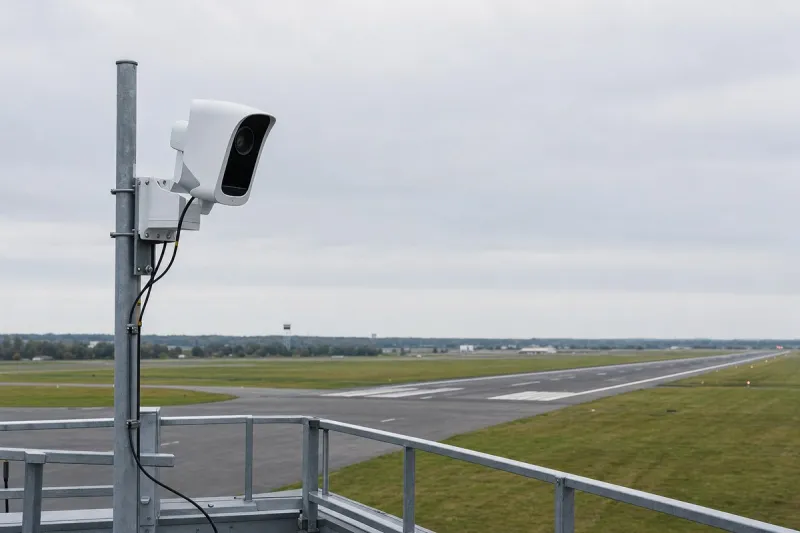
A truck struck fiber and telecommunications infrastructure near Juan Santamaría International Airport in San José, Costa Rica on September 12, knocking the airport's primary radar system offline and disrupting both arriving and departing flights.
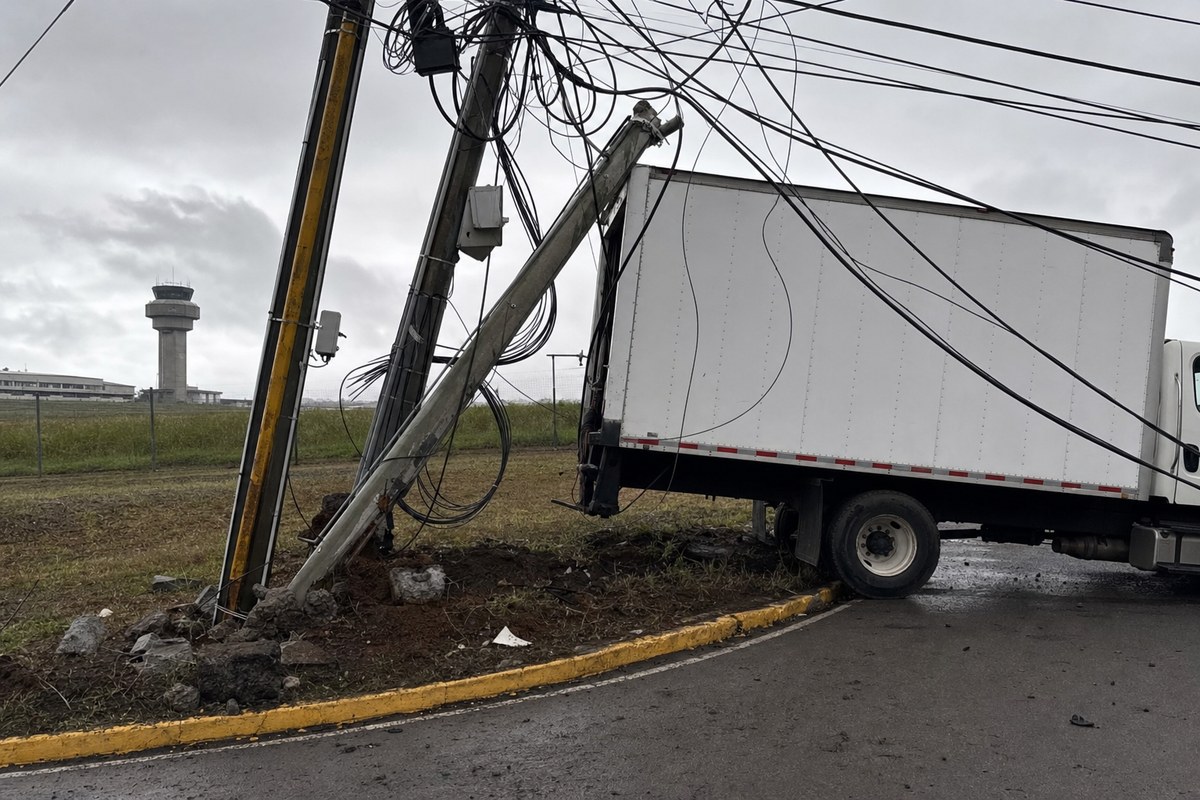
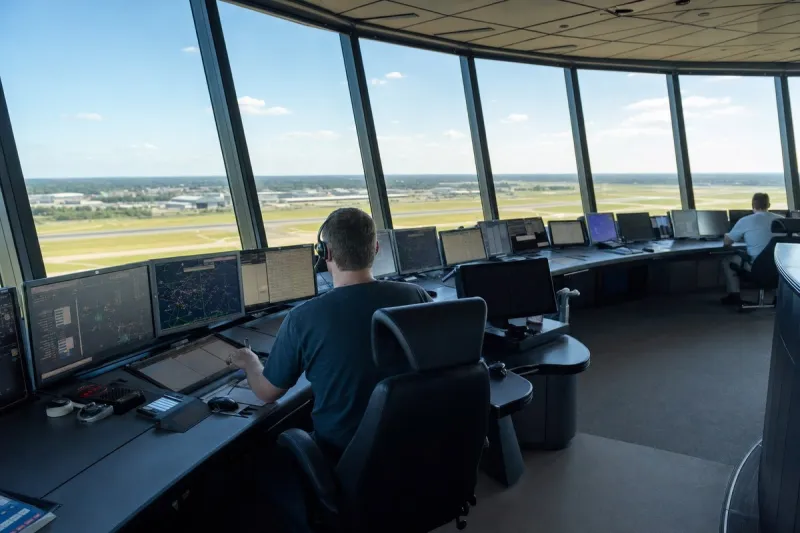
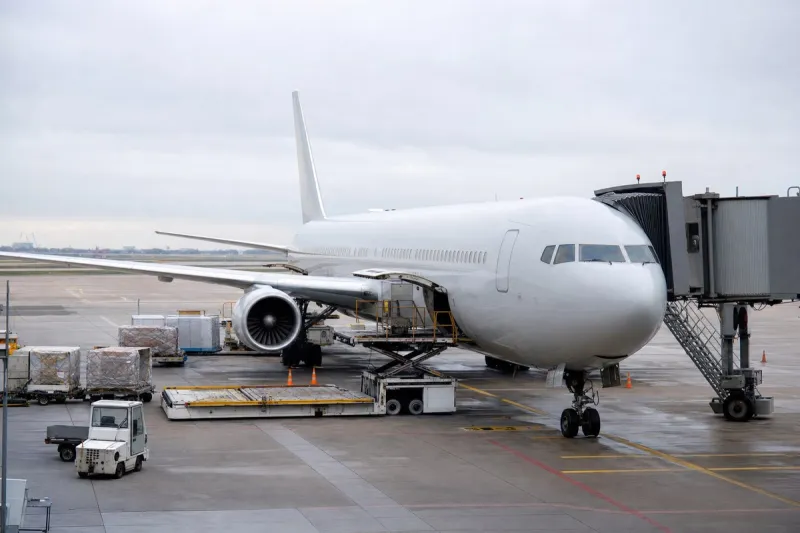
Air traffic controllers temporarily lost access to surveillance data used to sequence aircraft in the busy airspace around the capital. Airlines were forced to slow or halt operations while air navigation services switched to contingency procedures. Inbound flights were diverted to alternate airports, including airports elsewhere in Central America, while aircraft on the ground faced extended waits as departure spacing was increased for safety. Multiple international and regional services into San José experienced delays, diversions, or cancellations during the outage.
Passengers reported long lines at check-in and customer service counters as airlines rebooked itineraries and rearranged crews. Aircraft already en route to Costa Rica were placed in holding patterns or redirected, creating knock-on delays across airline networks. Technicians moved quickly to diagnose the failure, reroute traffic over surviving network segments, and bring backup systems online.
After several hours, radar coverage and communications were gradually restored to levels that allowed flight operations to resume. By later the same day, the airport was transitioning back toward normal schedules, though residual delays remained as crews and aircraft repositioned.
Industry impact & what to watch
This incident belongs to a category familiar to air navigation providers everywhere: a ground infrastructure fault, not an aircraft or crew failure, becomes the constraint on airspace capacity. When primary surveillance data disappears, controllers fall back to contingency procedures that increase spacing and cut throughput, which is why a single truck strike on a cable route can ripple into diversions across an entire regional network.
Radar and communications links depend on physical infrastructure that is often concentrated along shared corridors for cost reasons, so a common-mode failure — one event taking down multiple redundant-seeming systems at once — remains a standing risk at gateways that have not diversified their physical routing. The incident has already prompted discussion among civil aviation and telecommunications specialists about whether Costa Rica's primary international gateway has sufficient redundancy and whether essential data links should be split across separate physical paths and technologies.
What happens next will likely turn on whatever findings emerge from that redundancy review, and on whether the airport or its air navigation service provider commits to diversifying the physical routing of its data links rather than relying on backup systems that share the same vulnerable corridor.