Pre-owned business aircraft transactions: The legal and structural complexity behind the deal
Why It MattersBecause closing location alone can shift customs, VAT and tax treatment while deregistration steps determine whether an aircraft can actually leave, transaction structuring carries as much risk as price negotiation.
What happened
Richard Prechtel, partner at Hannover-based law firm activelaw, writing with colleagues Alexander Nefzger and Matthias Reuleaux, has laid out the stages of pre-owned business aircraft transactions where legal and structural complexity most often surfaces. He argues that while most deals follow a broadly similar structure — the same documents, closing mechanics and many of the same regulatory and tax issues — roughly 5% of each transaction is unique and can make it surprisingly complicated.

The letter of intent (LOI), Prechtel writes, is frequently underused: beyond the agreed purchase price, it should address deposit and refund conditions, the intended delivery condition, the proposed pre-purchase inspection (PPI) facility, the anticipated closing location, a realistic milestone timetable, and governing law, which affects warranties, remedies, title transfer and termination rights. The Aircraft Purchase Agreement (APA) must then define delivery conditions with precision, since disagreements over the aircraft's physical, technical and documentary condition at handover are among the most frequent sources of dispute, with cost exposure that can reach USD 100,000 or more at short notice.
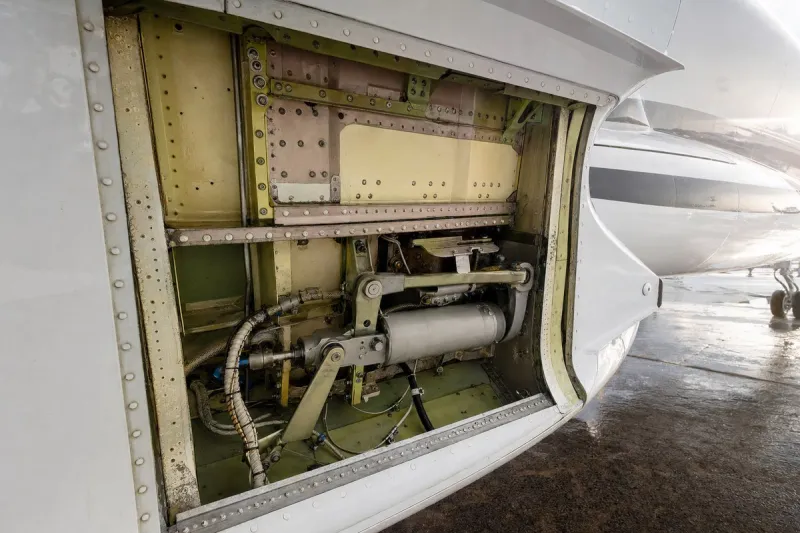
Closing location is described as another critical variable, since in cross-border transactions the point where title and possession pass can determine customs status, VAT, import VAT, sales or use tax, duties and export exemptions, and moving the location by only a few hundred miles can materially alter the tax analysis. Deregistration and re-registration, though they may occupy only a few lines of the APA, can involve export certificates of airworthiness, mortgage releases, discharge of international interests, IDERA documentation and coordination between multiple aviation authorities. The PPI is where the transaction meets the aircraft's actual technical condition, and when a finding falls outside the agreed delivery condition but carries significant economic weight, the parties must choose among repair, a purchase price adjustment, an escrow holdback, a cost-sharing arrangement or an agreed acceptance of the discrepancy. Prechtel notes that closing preparation — corporate authorisations, powers of attorney, bills of sale, acceptance certificates, financing registrations, insurance and export declarations — must run in parallel well before the closing date, and that a well-run closing should feel almost uneventful.
Industry impact & what to watch
This account describes a transaction type where standardisation and idiosyncrasy coexist: the bulk of the paperwork is repeatable, but the small unresolved fraction of each deal is exactly where cost and delay concentrate. Delivery condition disputes, closing-location tax exposure and deregistration mechanics are not edge cases in this framing — they are the recurring points where a routine sale can stall.
The segment's mechanics mean that decisions made early, at LOI stage, determine leverage later: governing law, delivery condition and closing location are all cheaper to fix on paper before the APA is negotiated than to renegotiate once a PPI finding or a tax authority's differing view has surfaced. Deregistration and re-registration, despite occupying only a few lines of most agreements, can determine whether an aircraft is physically free to leave the closing location after title has passed.
Prechtel's warning about transaction fatigue points to a cost dimension distinct from the legal one: an aircraft on the ground accrues hangar, maintenance, financing and crew costs daily, and prolonged negotiation can turn a commercially resolvable technical discrepancy into a deal-breaking dispute. Whether a given transaction stays on that track will depend on how early the parties lock down governing law, delivery condition and closing location relative to when PPI findings and tax positions actually emerge.