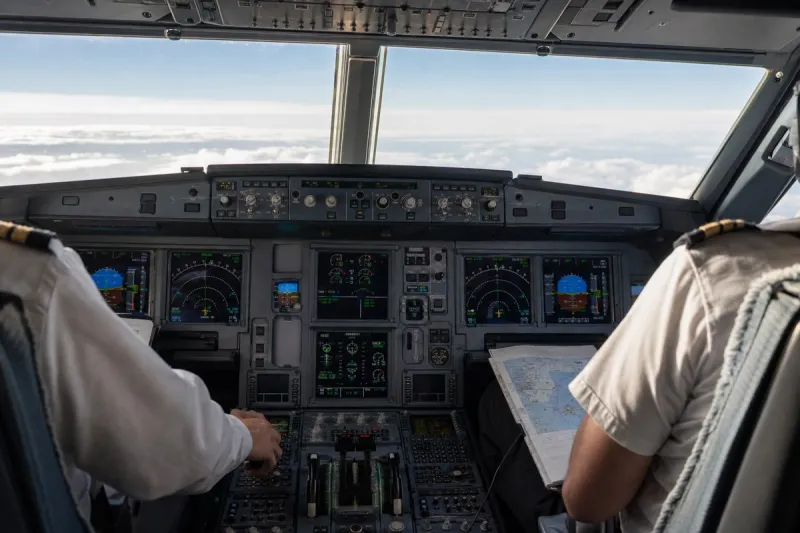
Hamble Valley MP Paul Holmes calls for transparency and faster review after NATS air traffic control failure
Why It MattersRepeated air traffic control outages put pressure on regulators to speed up reviews and on operators to justify infrastructure spending against recurring system failures.
What happened
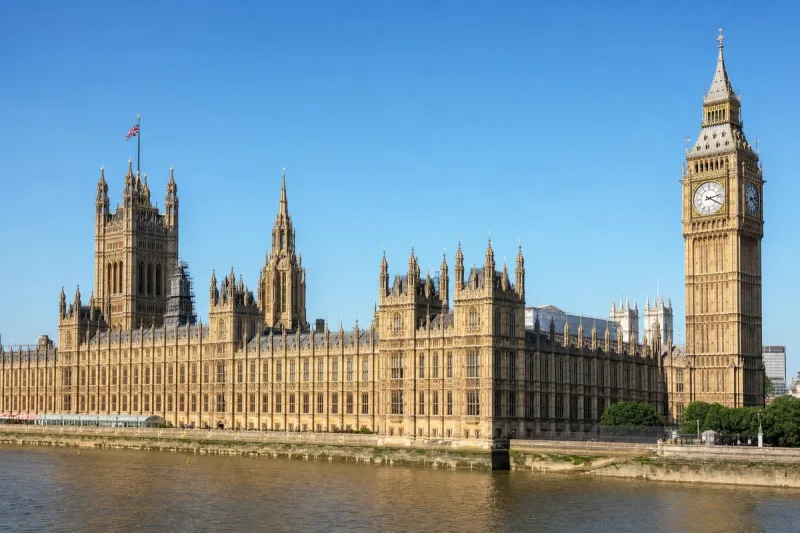
Hamble Valley Conservative MP Paul Holmes demanded full transparency and questioned the six-month timetable for the Civil Aviation Authority's review of last week's NATS air traffic control outage, which caused delays and cancellations affecting hundreds of thousands of passengers. Speaking in the House of Commons on Thursday, Holmes urged the government to commit to sharing the review's findings with Parliament rather than only the Department for Transport, and called on ministers and NATS management to examine long-term investment plans. He described the incident as the third such failure in as many years and said management could not blame a lack of funding for the problems.
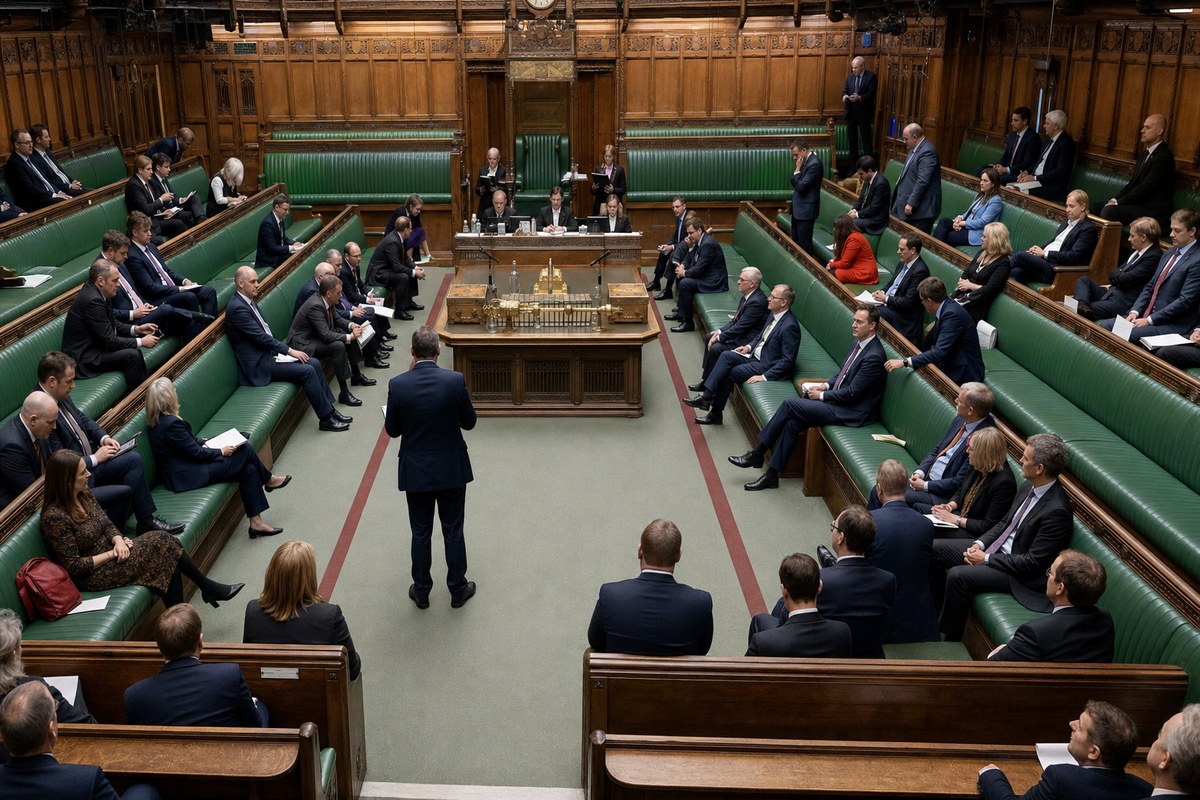
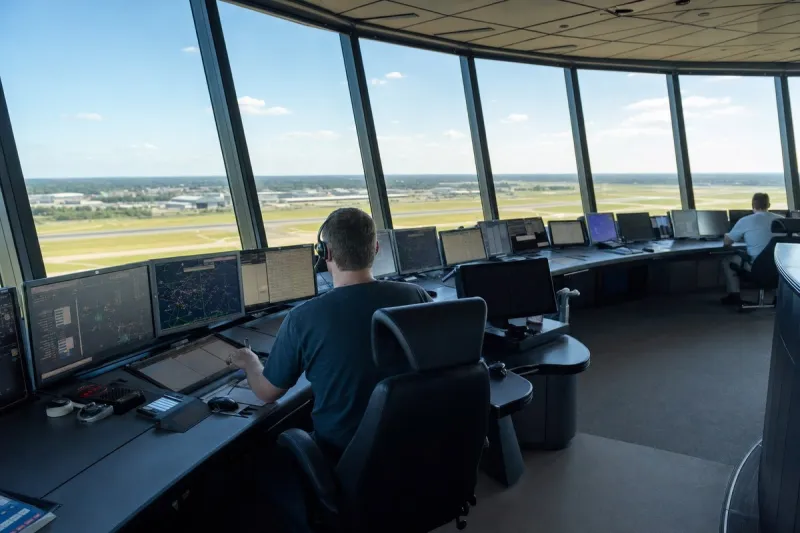
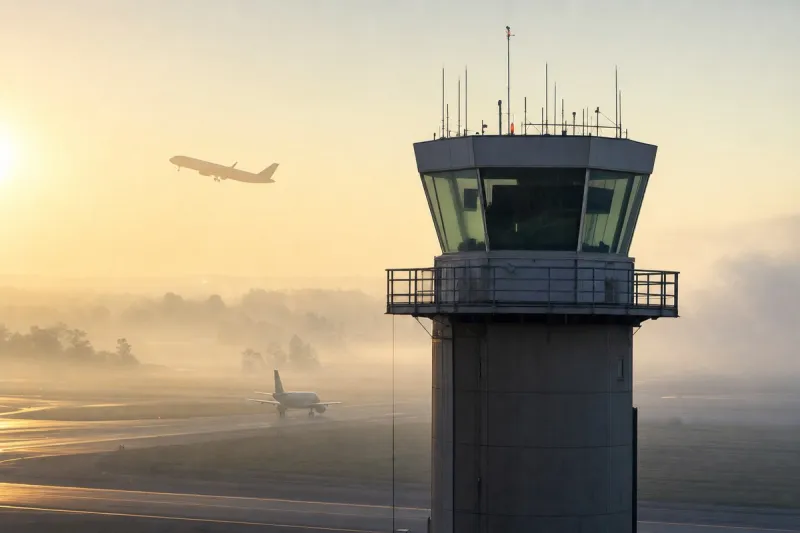
Parliamentary Under-Secretary of State for Transport Keir Mather defended the six-month review timetable but agreed Parliament should have a role in considering the findings, adding that lessons learned could help shape the Civil Aviation Bill currently progressing through Parliament. NATS, which operates from its centre in Swanwick, Hampshire, said operations had returned to normal, though some passengers were still experiencing disruption.
NATS said a full investigation was underway and that it would report its findings to the Transport Secretary and the CAA the following week. The organisation stated the latest outage was not a repeat of the major disruption seen in August 2023 and that recommendations from the review into that previous incident had already been implemented. Addressing investment concerns, NATS said it had invested £3.3 billion in infrastructure and technology since becoming a public-private partnership in 2001 and that its Swanwick systems had evolved considerably in recent years.
Industry impact & what to watch
This case sits within a broader pattern of recurring air traffic control disruption that draws parliamentary scrutiny each time it happens, with lawmakers pressing for faster and more transparent accountability than regulators initially offer. Air traffic control providers occupy a position where a single system failure cascades across an entire national network, so investment claims and incident counts both become political currency when disruption recurs within a short span.
How this plays out will depend on whether the CAA's review reaches Parliament in a form lawmakers consider adequate, and whether NATS can demonstrate that its £3.3 billion in infrastructure spending since 2001 has addressed the underlying causes rather than merely responding to each incident individually. The Civil Aviation Bill now progressing through Parliament offers a concrete point at which any lessons from this review could be written into statute.
The clearest marker to watch is whether NATS's report to the Transport Secretary and the CAA next week distinguishes this outage's causes from those behind the August 2023 disruption, since that distinction underpins the claim that past recommendations have already been implemented.