NATS IT Failure on 8 September Disrupts 330,000 Passengers; Compensation Unlikely Under 'Extraordinary Circumstances' Rules
Why It MattersThe incident underscores how air traffic control outages fall under 'extraordinary circumstances' exemptions, shifting cost exposure for disrupted passengers toward travel insurers rather than airlines.
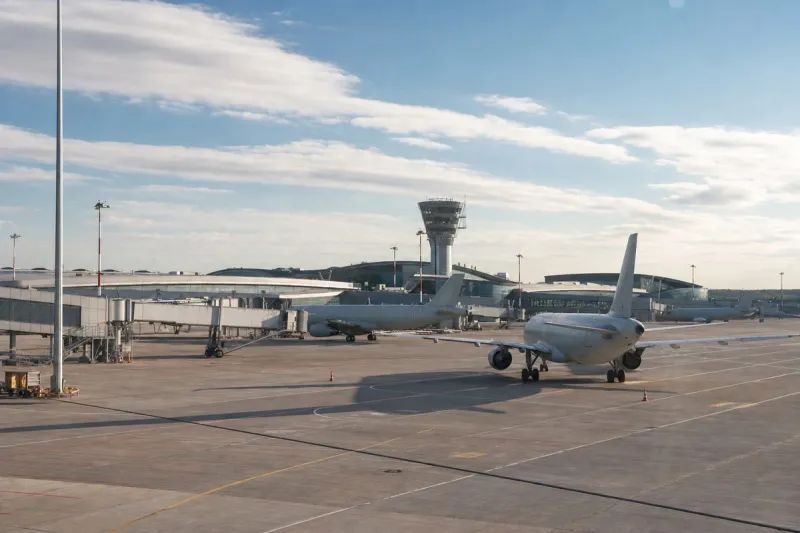
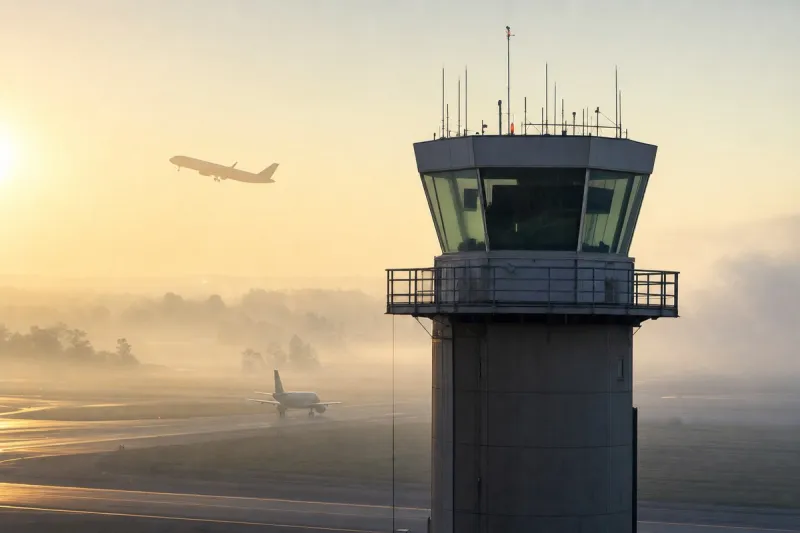
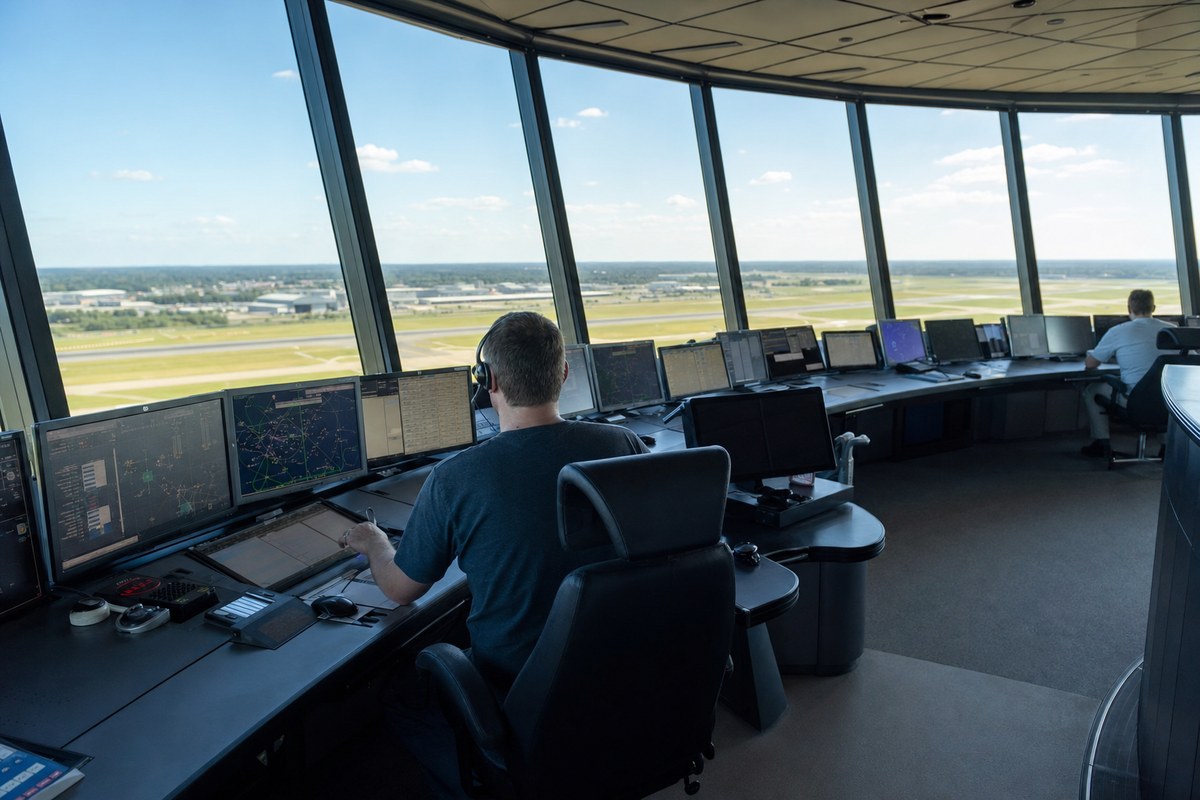
A technical failure at National Air Traffic Services (NATS) on Tuesday 8 September disrupted more than 330,000 passengers and caused approximately 2,100 flights to be cancelled or delayed across two days, according to trade body Airlines UK. NATS said the fault affected its flight processing system and was fixed that evening, though recovery across the aviation network took longer than expected. NATS has since announced that a full investigation will be carried out to establish the cause and identify any further action needed.
The UK Civil Aviation Authority said the disruption is likely to be classified as "extraordinary circumstances" under passenger rights rules, meaning airlines are required to provide care such as food and accommodation during long delays, but passengers are unlikely to be entitled to direct financial compensation for delays or cancellations caused by the incident.
Craig Morgan, insurance expert at SJL Insurance Services, said the episode highlights the importance of understanding travel insurance policy terms before travelling, noting that many travellers assume the airline or their insurer will automatically cover costs, which is not always the case. He said that when a delay or cancellation stems from a cause outside an airline's control, such as an air traffic control failure, passengers may not receive the compensation they expect, though some travel insurance policies may still cover delayed departure, missed connections, or additional accommodation costs depending on wording and exclusions.
SJL Insurance Services advised affected passengers to check five areas of their travel insurance: delayed departure cover and its time threshold; whether cancellation cover extends to third-party disruption; missed connection cover; reimbursement of additional accommodation and transport costs; and exclusions relating to air traffic control restrictions, airport closures, or extraordinary circumstances. Morgan also advised passengers to retain receipts, screenshot flight status updates, and contact both their airline and insurer promptly, warning that policies purchased after the disruption became publicly known may be treated as covering a "known incident," potentially limiting new claims. NATS said its operations are now stable and it continues to work with airlines and airports on recovery.