NASA's X-59 Reaches 1,492 km/h in 81-Minute Flight, Advancing Quiet Supersonic Commercial Travel
Why It MattersNoise-perception data gathered from community overflights will feed regulators considering evidence-based standards, a step that could determine whether land-based commercial supersonic service becomes commercially viable rather than merely technically demonstrated.
What happened
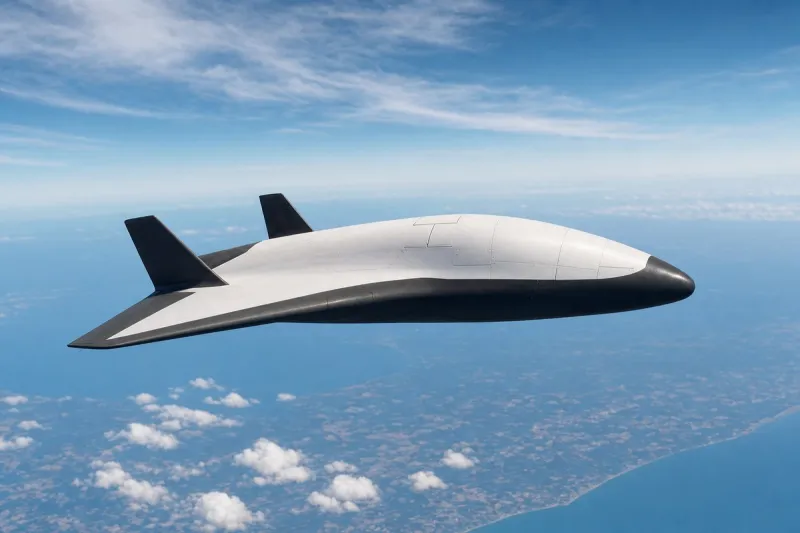
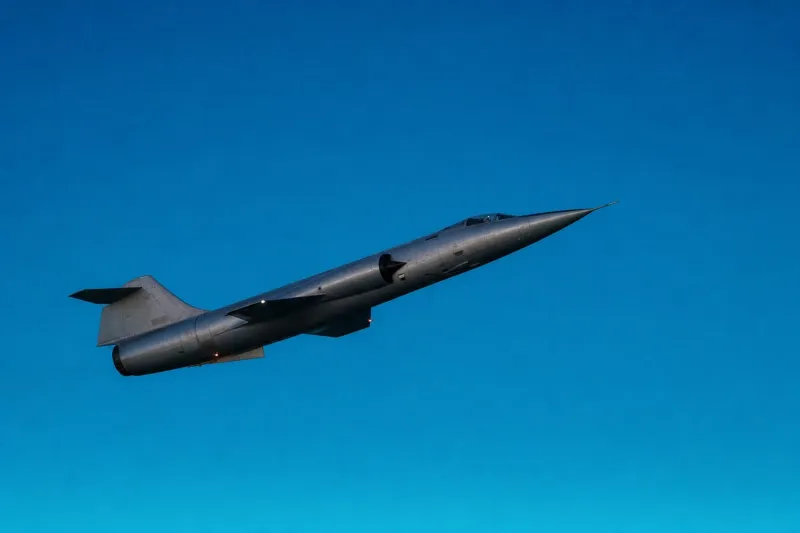
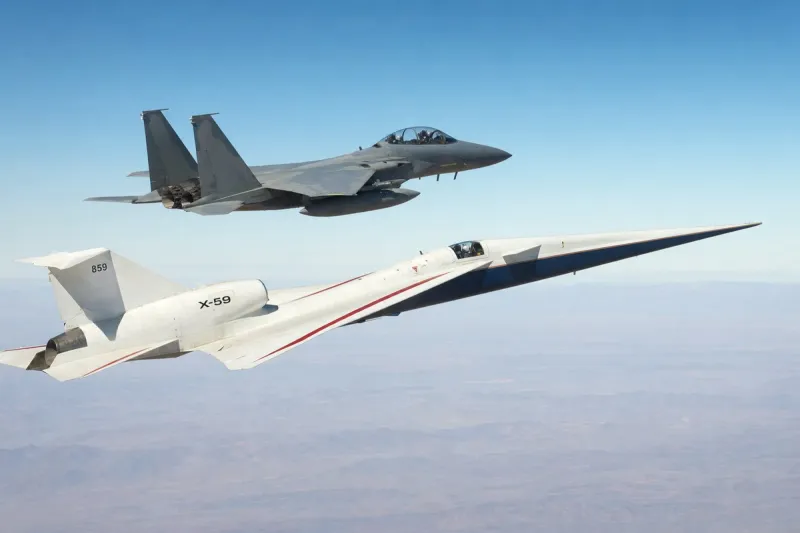
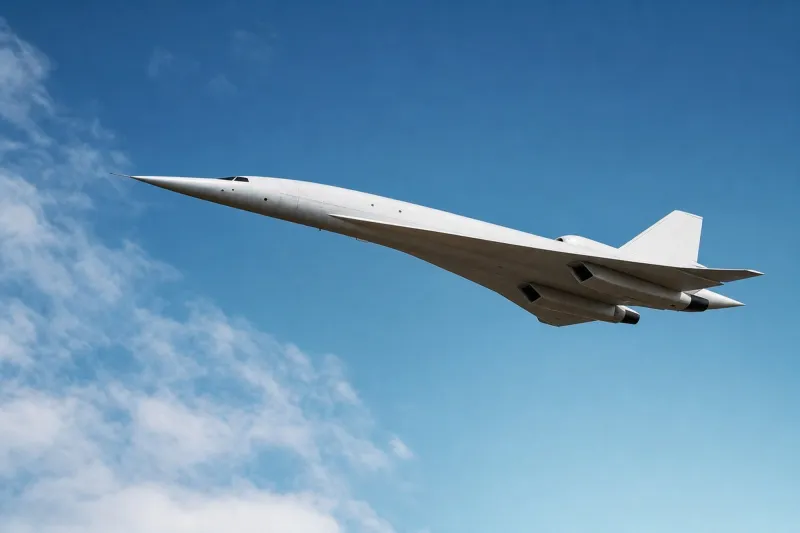
NASA's X-59 experimental aircraft completed an 81-minute flight out of Edwards Air Force Base in California, reaching a top speed of 1,492 km/h with test pilot Jim "Clue" Less at the controls. During the flight, the team evaluated the aircraft's handling characteristics at both subsonic and supersonic speeds.
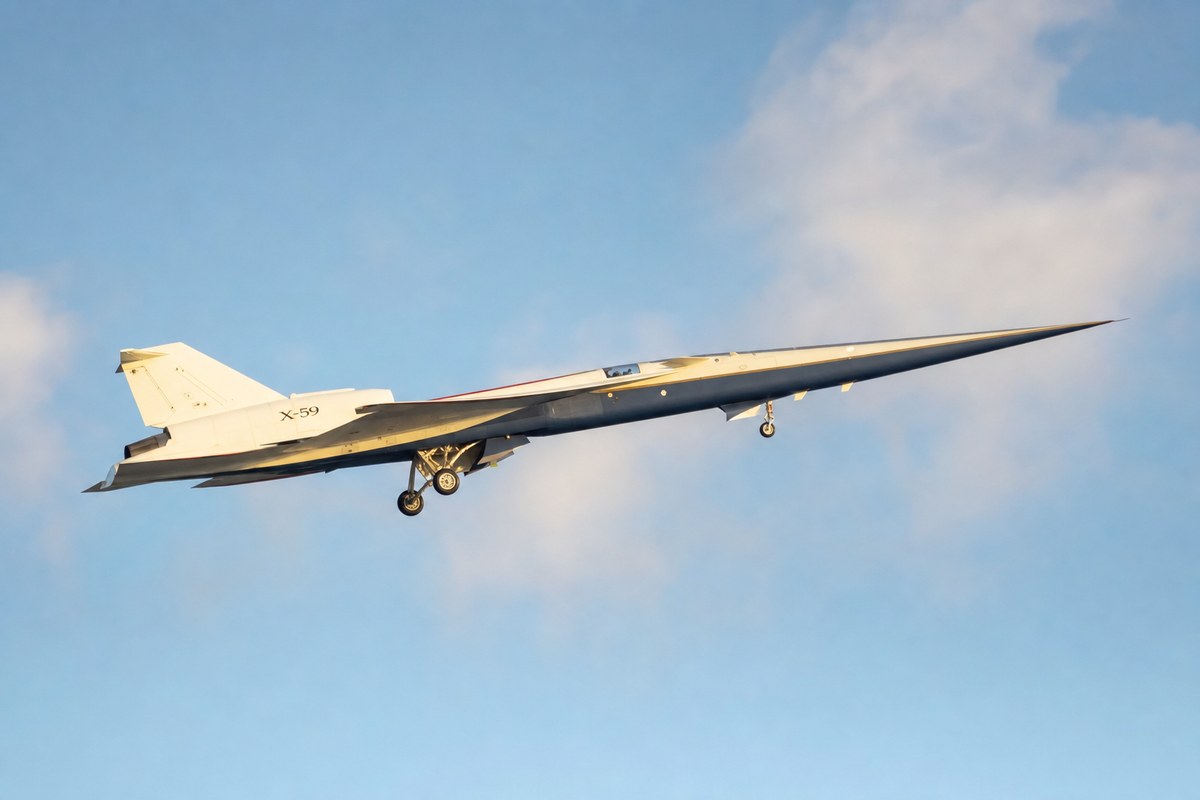
The X-59 conducted its first flight last year, piloted by test pilots Nils Larson and Jim Less, with an F-15 chase aircraft providing additional observation. The aircraft has since completed dozens of flights, and in June it exceeded the speed of sound for the first time. The program is part of NASA's Quesst Mission, which aims to demonstrate that faster-than-sound travel is possible without generating a disruptive sonic boom.
The effort gained new urgency after the Trump administration last year reversed a decades-old U.S. ban on civilian overland supersonic flights, stating a goal of making the United States the first country to offer commercial supersonic service over land. That original ban, put in place more than fifty years ago, was intended to protect the public from the intense pressure waves that merge into a sonic boom when an aircraft travels at or above the speed of sound. NASA intends to fly the X-59 over several U.S. communities by the end of this year to collect data on how residents perceive the aircraft's reduced noise signature.
Industry impact & what to watch
The X-59 program is testing whether regulatory change alone can unlock a commercial market, or whether noise perception on the ground is the real gating factor. Speed above the sound barrier has been technically achievable for decades; what has kept overland supersonic flight closed to commercial operators is the disruptive sonic boom and the public policy built around it.
Quiet supersonic aircraft design depends on computational fluid dynamics models that map where air molecules are displaced and where noise is generated, paired with wind-tunnel testing of scaled models. That engineering work only matters commercially if it translates into noise data that regulators accept as a basis for new standards, which is why NASA plans to share community-overflight results with U.S. and international aviation regulators rather than rely on flight-test data alone.
The next milestone to watch is the planned community overflight campaign by the end of this year, which will generate the human-perception data NASA says could open a viable market for land-based commercial supersonic flights above 1,400 km/h. Whether regulators act on that data, and how quickly, will determine if the reversed overland ban translates into an actual certified commercial service.