Boom Supersonic's XB-1 Demonstrator Breaks Sound Barrier as Overture Airliner Targets 2029 Service
Why It MattersA successful independent supersonic demonstrator and conditional orders from three major carriers signal renewed commercial momentum for civil supersonic travel decades after Concorde's retirement.
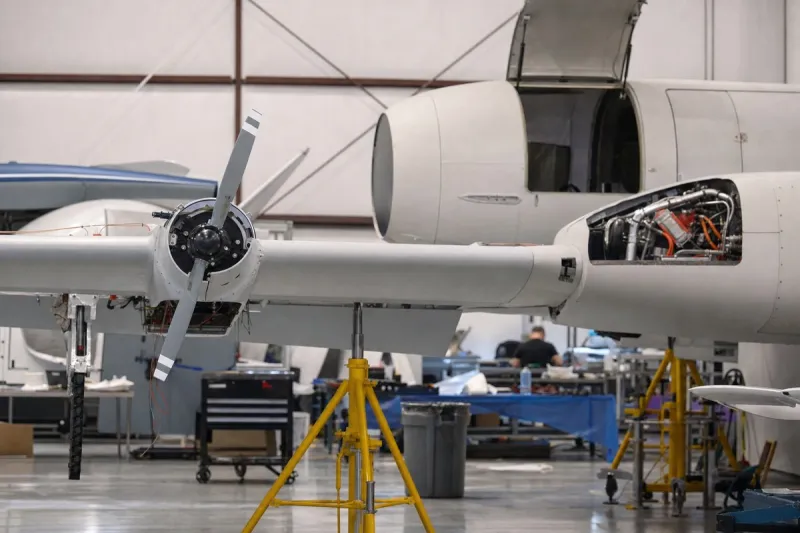
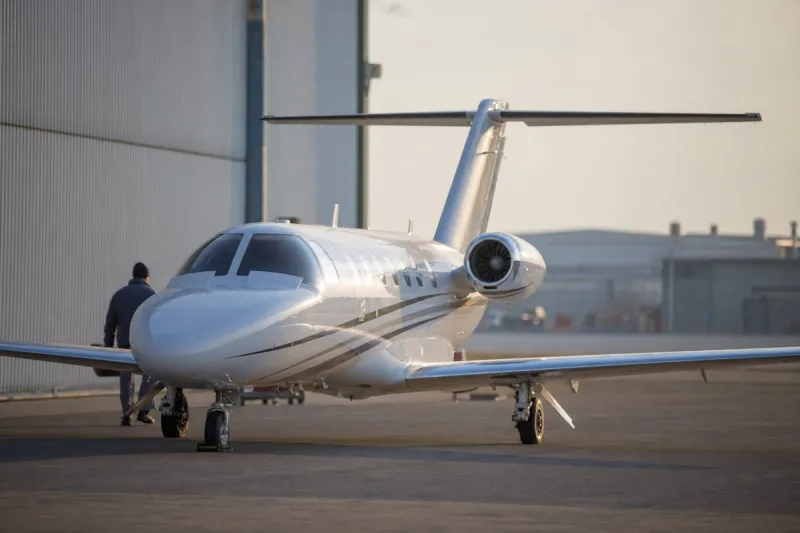
Boom Supersonic's XB-1 demonstrator aircraft broke the sound barrier over the Mojave Desert on January 28, 2025, reaching Mach 1.122 and becoming the first independently developed supersonic aircraft to achieve supersonic flight. The milestone advances the company's Overture airliner, designed to carry 64 to 80 passengers at a cruise speed of Mach 1.7, roughly 1,300 miles per hour, at an altitude of approximately 60,000 feet, running on up to 100% sustainable aviation fuel.
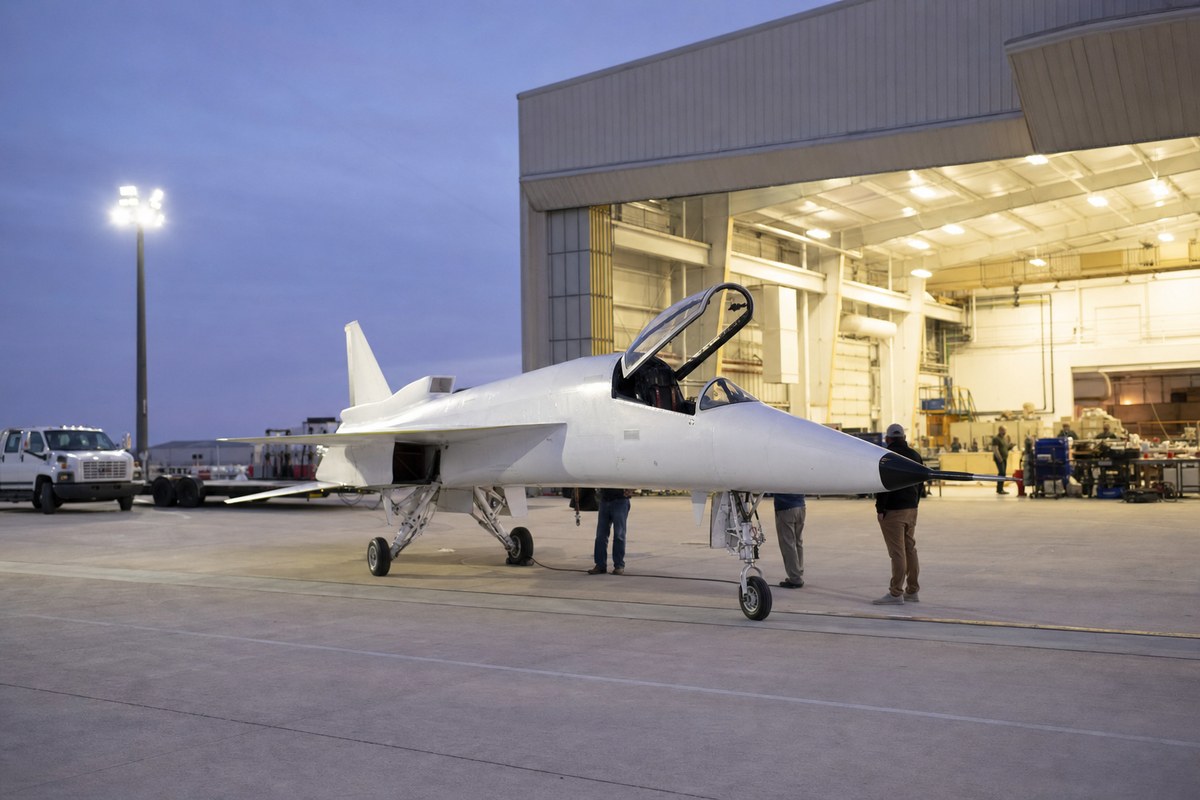
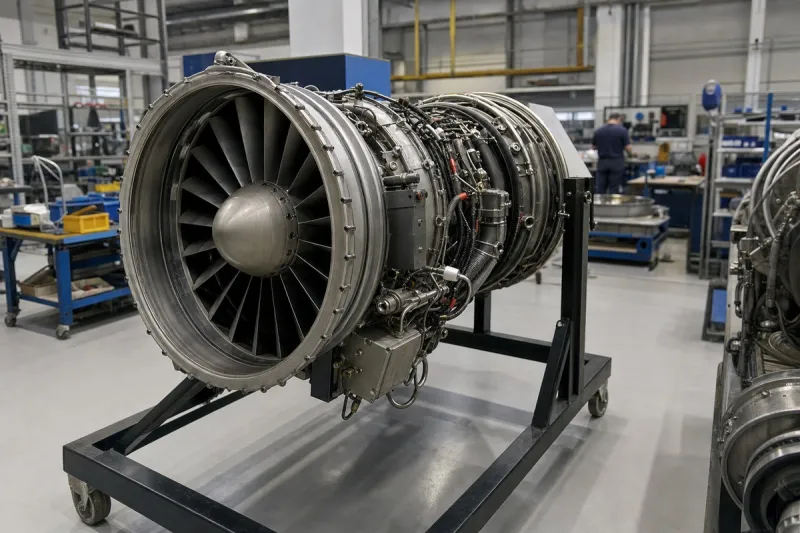
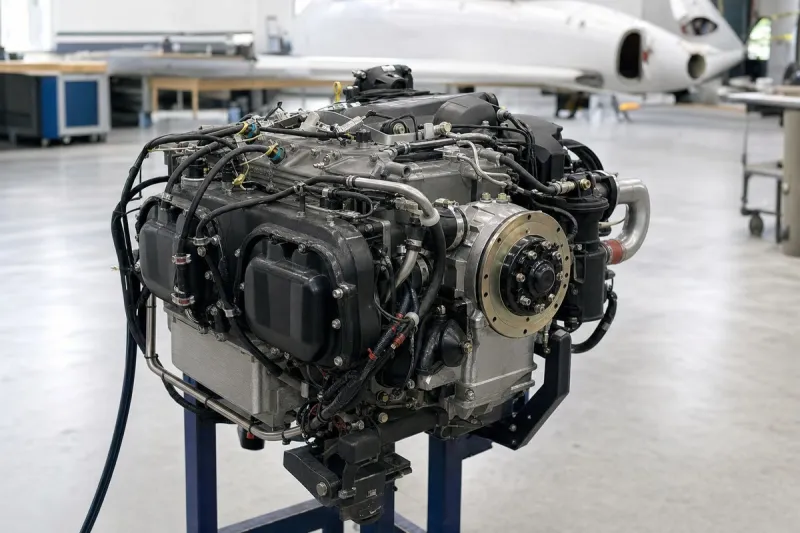
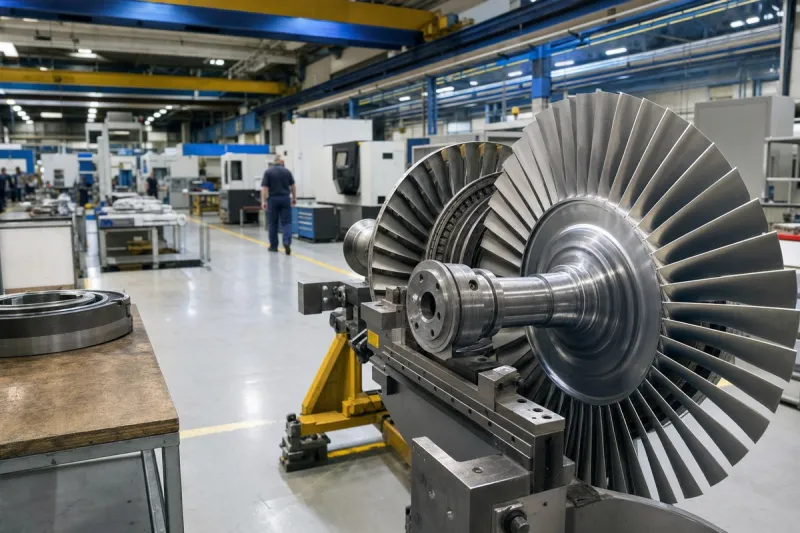
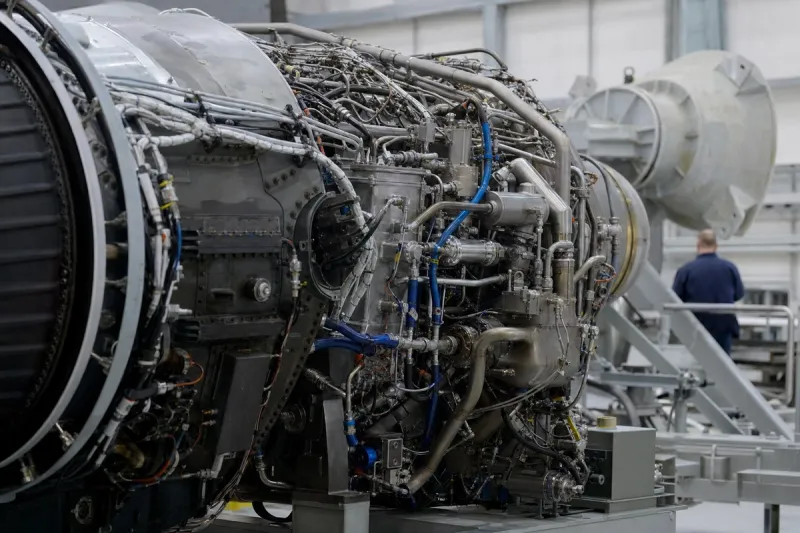
Boom targets commercial service entry in 2029, with a first flight of the full-scale Overture targeted for 2027, though independent analysts say the timeline could slip into the early 2030s. The company is simultaneously developing a new engine called Symphony, a medium-bypass turbofan designed to operate supersonically without afterburners, and certifying both a clean-sheet airframe and engine on the same schedule represents the program's primary technical risk.
American Airlines has placed a conditional order for 20 aircraft, United Airlines for 15, and Japan Airlines has also ordered, with total orders and options reaching up to 130 aircraft; Delta Air Lines declined to order, with CEO Ed Bastian stating in 2022 that he had more questions than answers about the program. Overture is designed to cruise at Mach 1.7, below Concorde's Mach 2.04, with Boom arguing that improving economics rather than maximising speed is key to viability, targeting business-class-range fares against a Concorde New York–London round-trip that cost approximately $12,460 in today's dollars. Projected routes include New York to London in roughly 3.5 hours, Tokyo to Seattle in 4.5 hours, and Los Angeles to Sydney in 8.5 hours, largely over water since overland supersonic flight has been banned in the United States since 1973. XB-1 has also demonstrated boomless supersonic flight using a phenomenon Boom calls Mach cutoff, in which shockwaves refract through atmospheric layers and dissipate before reaching the ground, potentially reopening overland supersonic routes, and Overture uses camera-based vision systems during takeoff and landing in place of Concorde's mechanically drooping nose.