Archer Aviation Acquires Wisk, SkyGrid and Insitu from Boeing in Exchange for 19.75% Stake Plus Warrants
Why It MattersBundling a profitable drone business with an autonomous-flight eVTOL developer shows how young air-taxi entrants can use equity-for-assets deals to acquire revenue, technology and traffic-management capability without spending cash.
What happened
Archer Aviation has agreed to acquire three businesses from Boeing — Wisk, SkyGrid and Insitu — in exchange for 19.75% of Archer's pre-close share count plus two warrants, each covering $100 million of Archer stock.
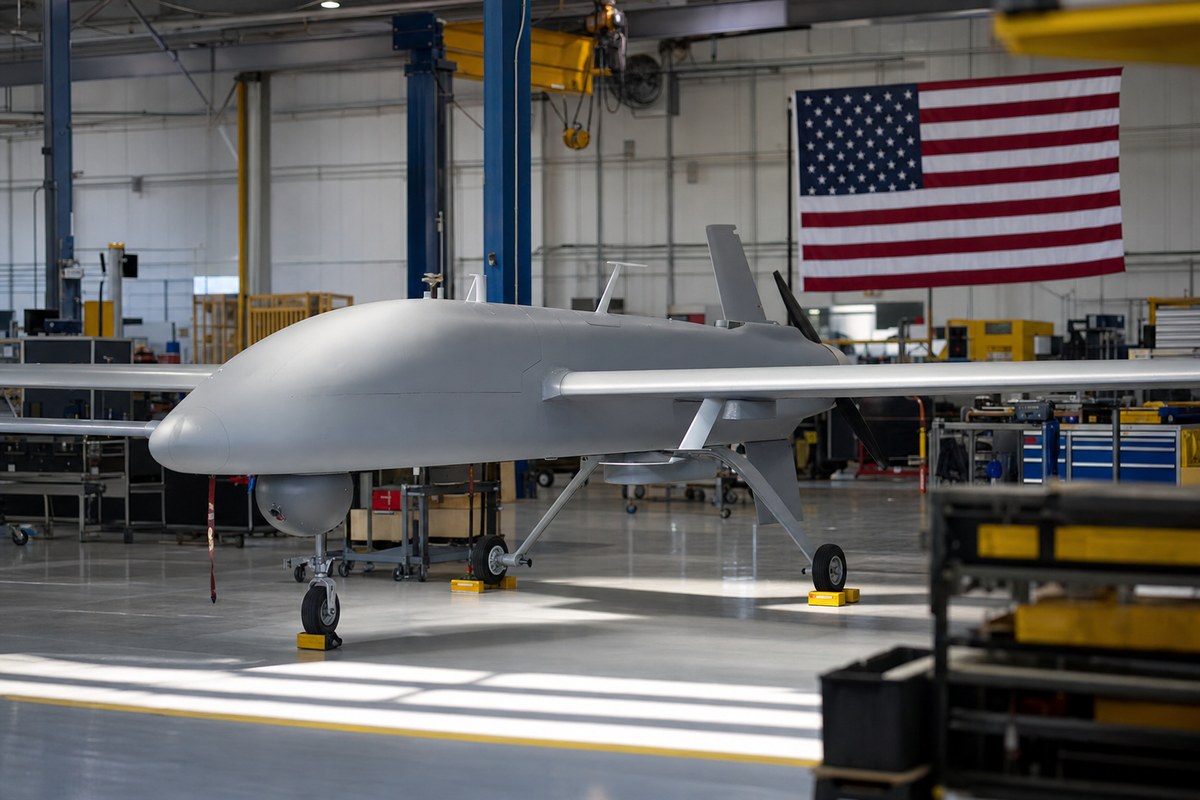
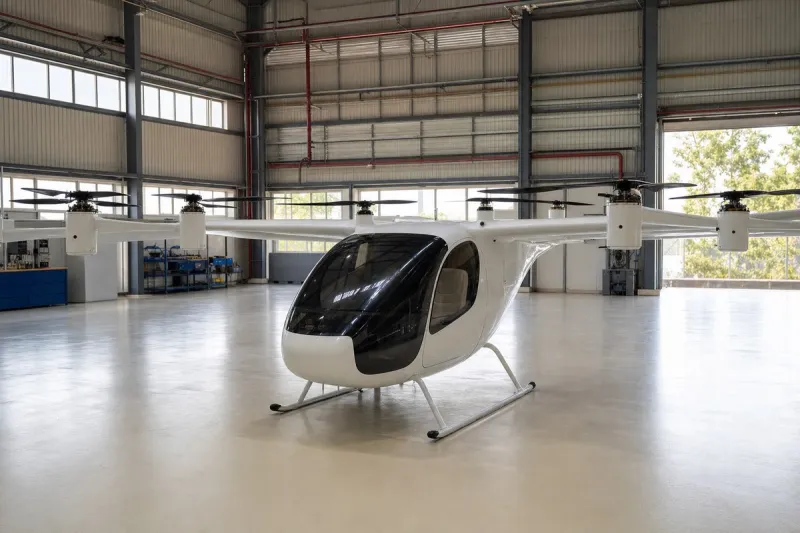
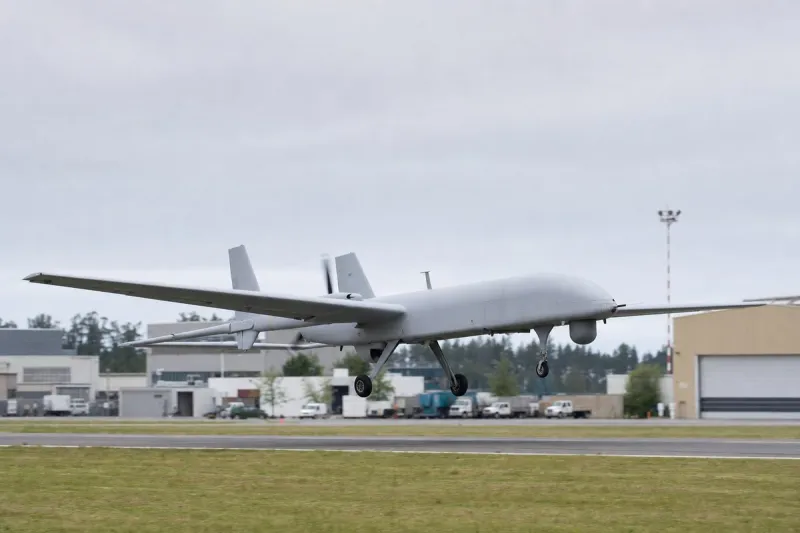
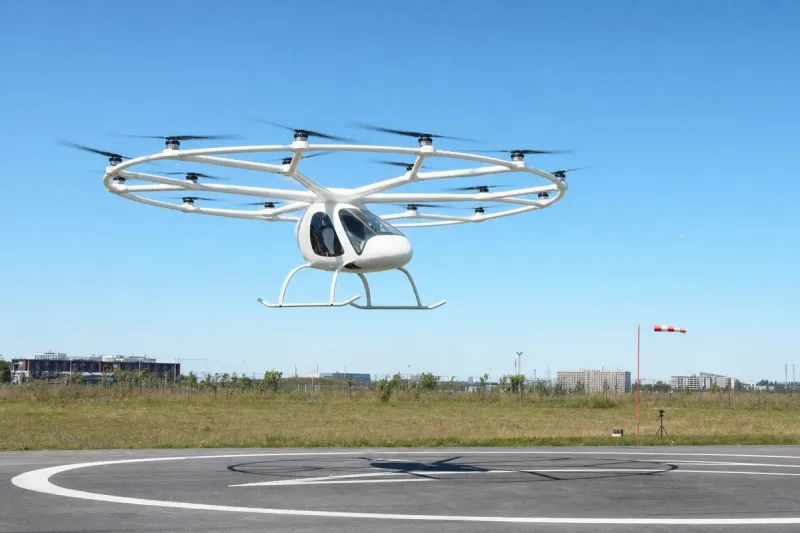
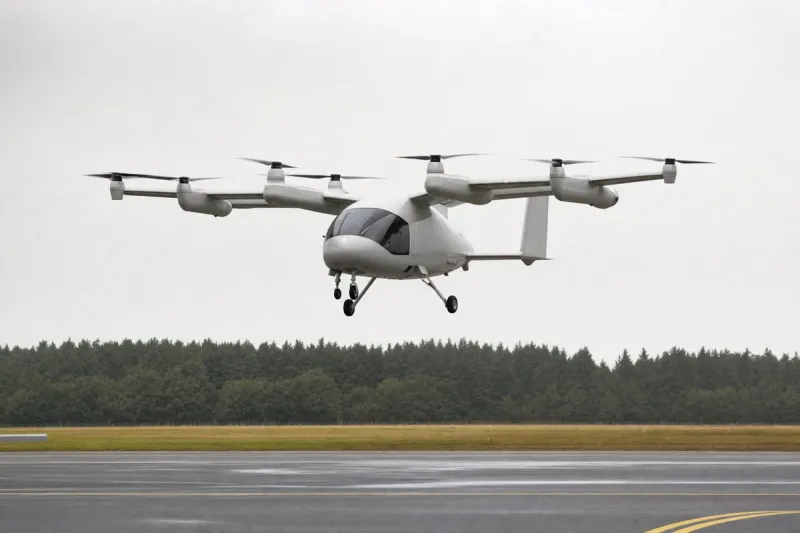
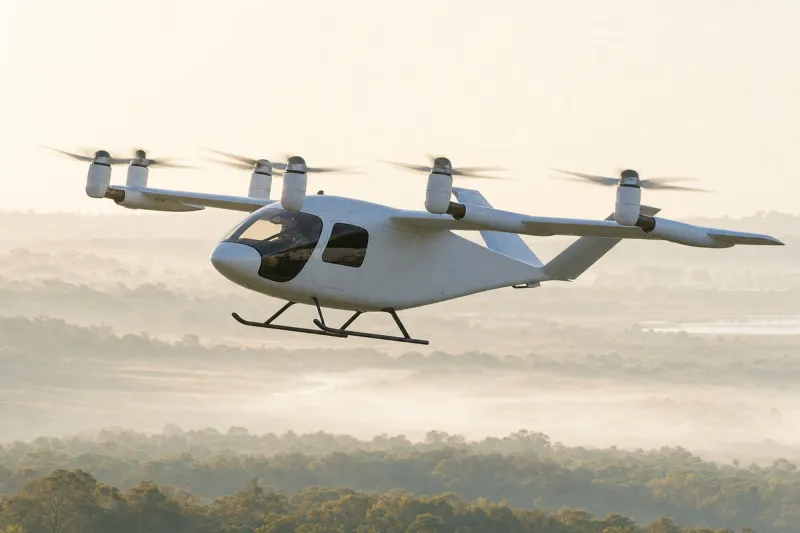
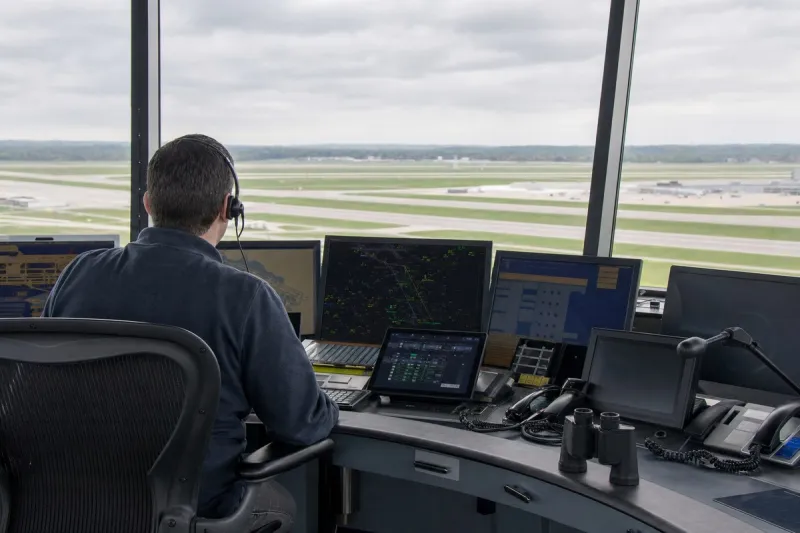
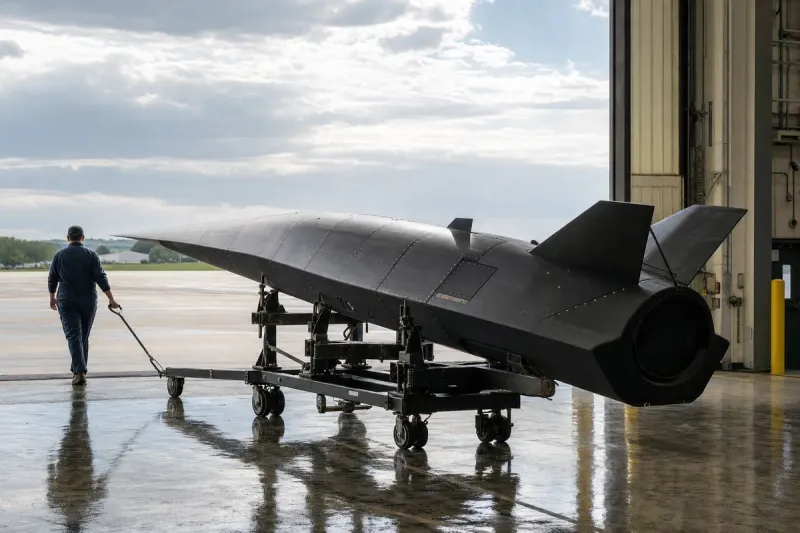
Wisk develops eVTOL aircraft, SkyGrid provides air traffic management software, and Insitu manufactures drones. Insitu is described as a profitable operation generating approximately $200 million in annual revenue, compared with Archer's second-quarter revenue of approximately $5 million.
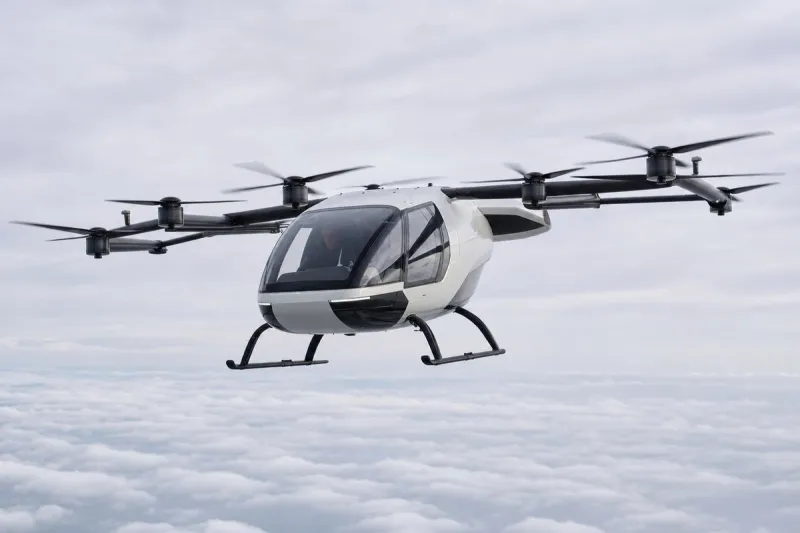
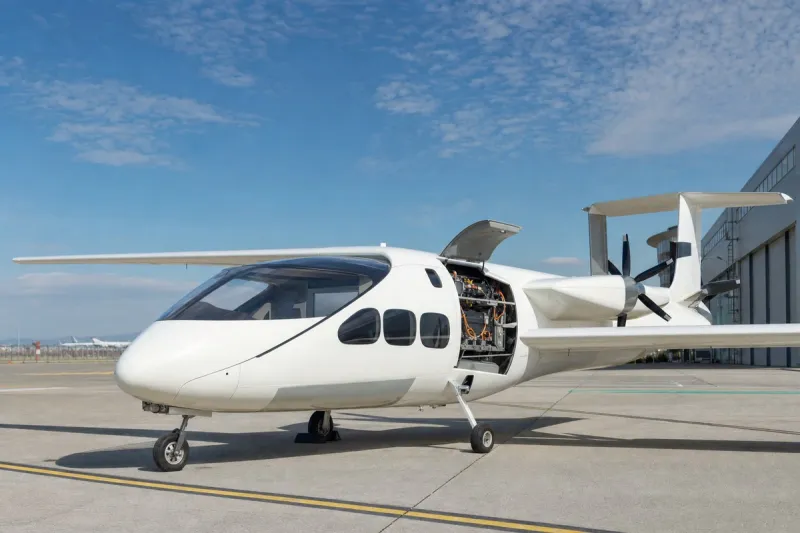
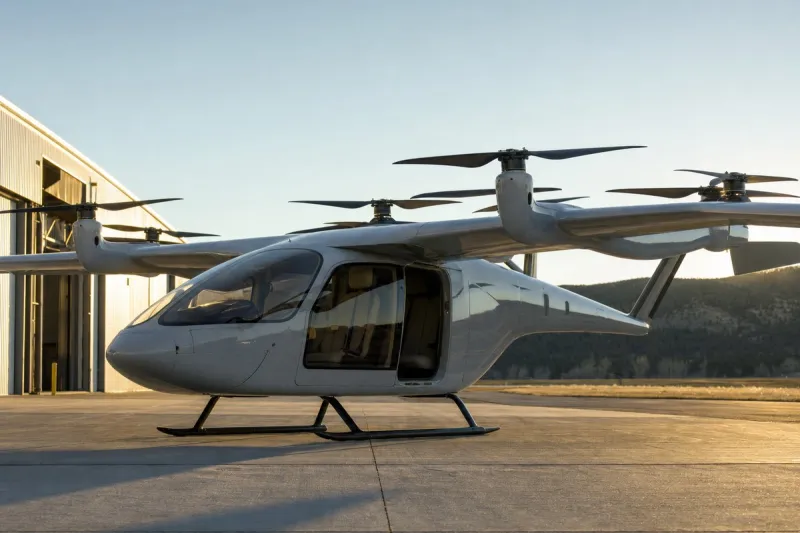
Archer holds a market capitalisation of approximately $4 billion and aims to operate an urban air taxi network transporting passengers between vertiports in major cities. FAA-type certification for its aircraft remains pending, which currently prevents Archer from launching commercial air taxi services.
Why Wisk stands out
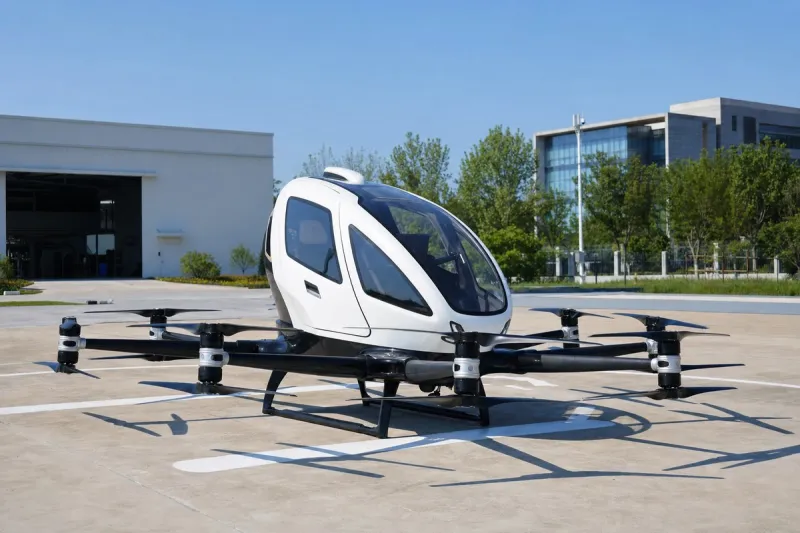
Analysts flagged Wisk as potentially the most strategically important of the three acquisitions. Unlike Archer's own Midnight eVTOL, which requires a pilot, Wisk's aircraft is being developed for autonomous, pilotless flight. A 2024 academic study of eVTOL operations estimated that autonomous flights could reduce operating costs by roughly 27% compared with piloted flights.
Industry impact & what to watch
The deal illustrates a pattern in the eVTOL sector, where certification timelines run years ahead of revenue: a well-capitalised but pre-commercial developer absorbs an established, cash-generating business to bridge the gap until its own aircraft can fly paying passengers. Insitu's roughly $200 million in annual revenue dwarfs Archer's current quarterly run rate and gives the combined company an operating business to point to while Midnight's certification is still pending.
How this segment works is visible in the asset mix itself: air-taxi economics depend not just on the airframe but on autonomous-flight capability and air traffic management software, both of which Archer lacked in-house before this transaction. Pairing a pilotless design with SkyGrid's traffic-management layer addresses the cost structure that the cited 27% autonomous-operations saving points toward, even though Wisk's aircraft is not yet certified either.
What remains unresolved is the pace at which Wisk's autonomous design and Archer's piloted Midnight move through FAA-type certification, since neither has cleared that step yet. The next signal to watch is any update on certification timing for either aircraft, which will determine when the equity-for-assets structure of this deal starts converting into commercial air-taxi revenue rather than acquired drone and software income.