Hermeus selects Anduril to integrate mission autonomy into Quarterhorse Mk 2 high-Mach aircraft
Why It MattersThe deal signals growing convergence between autonomy software providers and high-speed test aircraft developers as third-party integration becomes a route to scaling Group 5 autonomy capability.
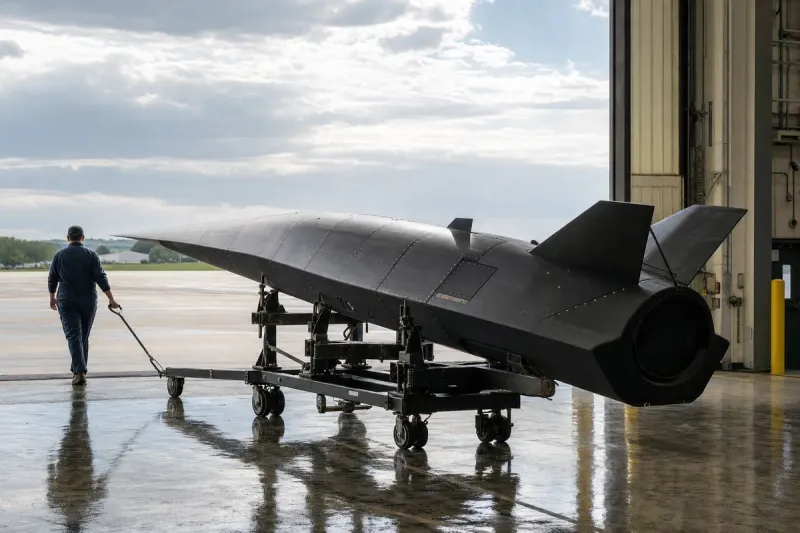
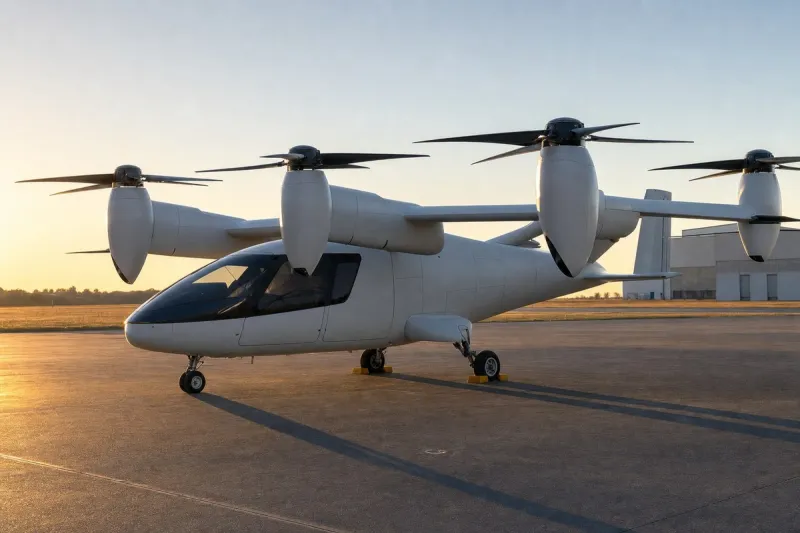
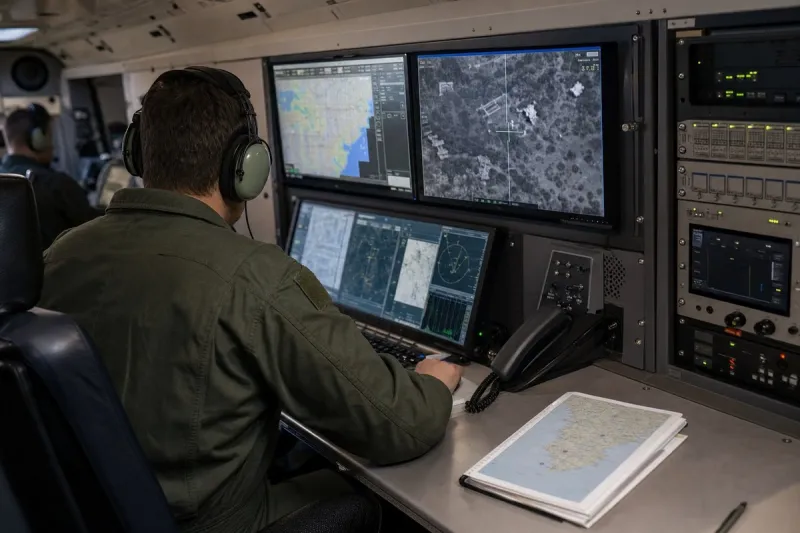
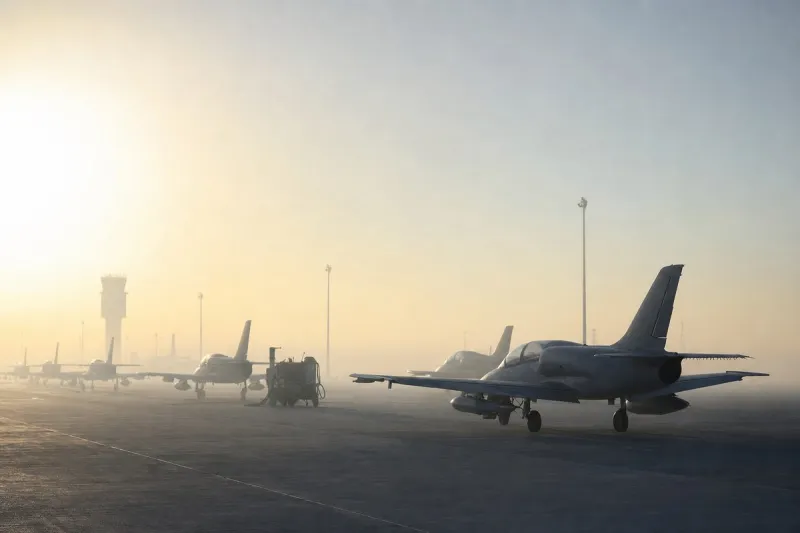
Hermeus has selected Anduril to integrate mission autonomy technology into the Quarterhorse Mk 2 high-Mach aircraft program. Under the agreement, Anduril will integrate its Lattice for Mission Autonomy software into the aircraft, enabling multiple aircraft to collaborate on missions while giving human operators a common interface throughout each mission. Operators will use Anduril's Menace-T C4 system as the physical interface, and the software covers operational analysis, threat modeling, training, mission planning, execution and post-mission debriefing. The first mission-autonomy flight on Quarterhorse Mk 2 is planned for 2027.
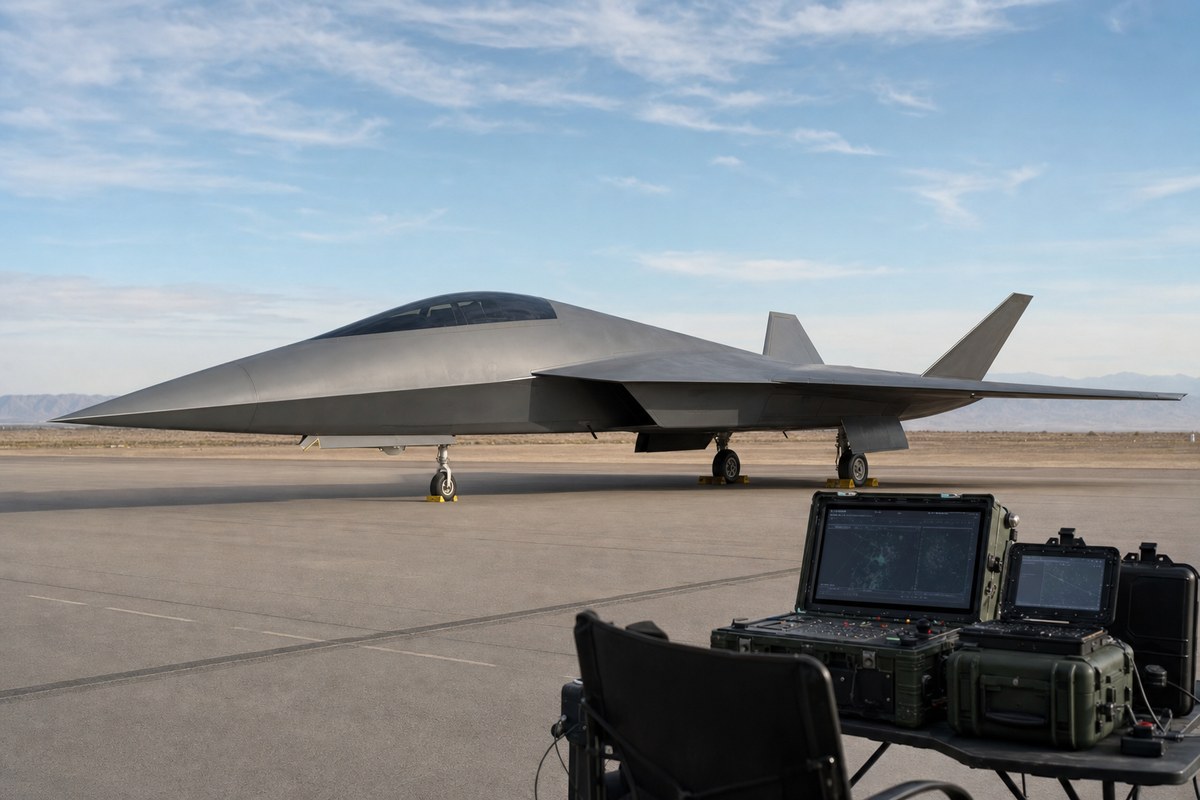
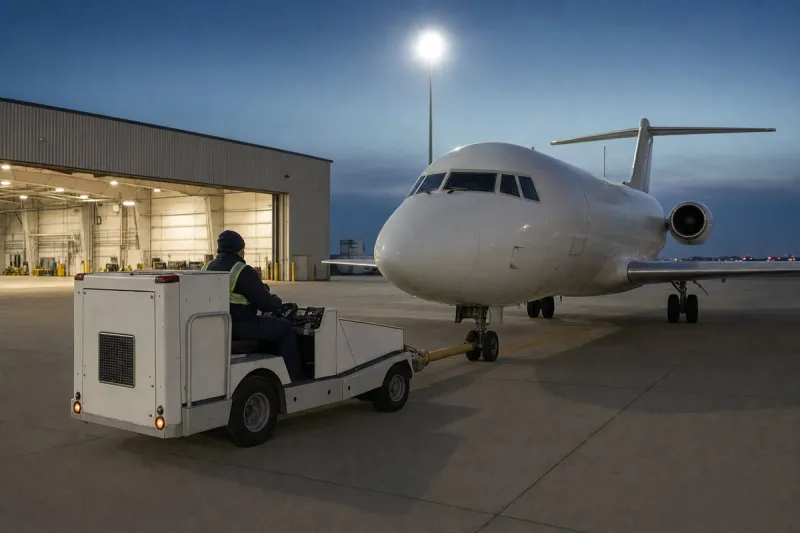
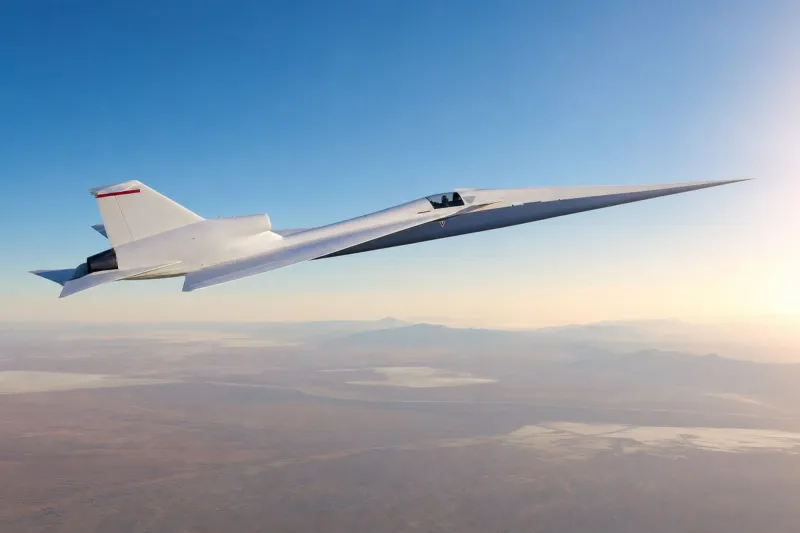
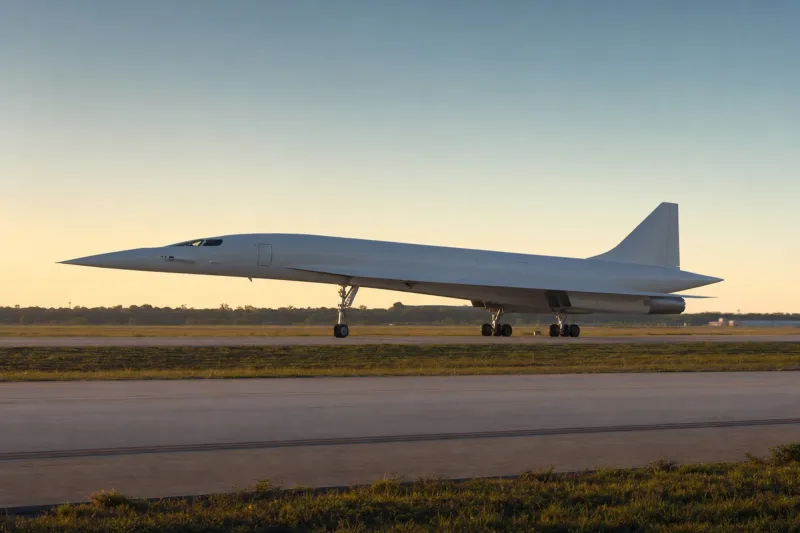
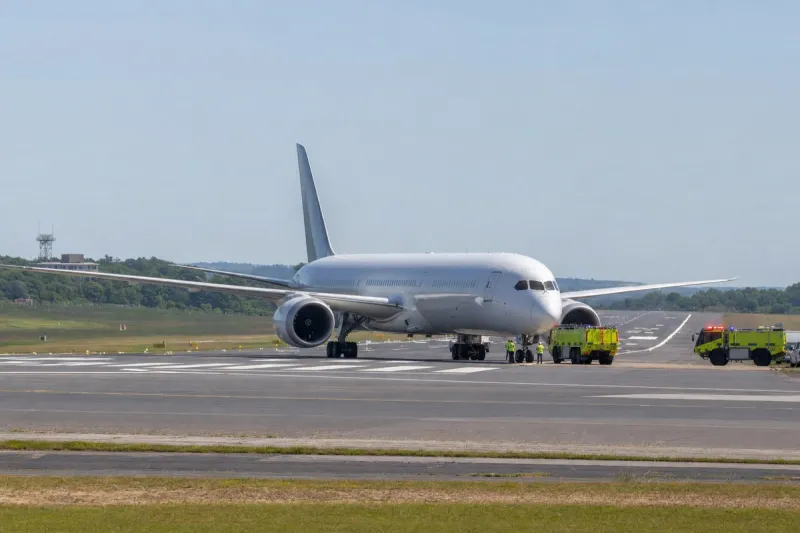
Hermeus describes the agreement as the first commercial deal in which Anduril will integrate its mission-autonomy solution with a third-party Group 5 aircraft, giving Anduril a chance to demonstrate its autonomy software at high Mach speeds. Hermeus says it flew its first Quarterhorse aircraft in 2025 and reached supersonic speeds with the Mk 2.1 aircraft 364 days later, while the Mk 2.2 aircraft was built in less than a year. The Quarterhorse Mk 2 aircraft are being developed as test platforms for technologies relevant to future high-speed flight.
Anduril's Lattice autonomy technology is already used in the U.S. Air Force's Collaborative Combat Aircraft (CCA) program. Hermeus says the Air Force's Autonomy Government Reference Architecture (A-GRA) is intended to promote compatibility between autonomy software and aircraft hardware, allowing autonomy technologies to be transferred across platforms rather than developed separately for each one.