Pegasus Airlines Cancels Moscow Flights Amid Drone Threat Warnings; Disruption Eases from 2 September
Why It MattersRecurring drone-related disruption at major Russian airports is pushing more international carriers to reassess routing and scheduling risk around Moscow airspace.
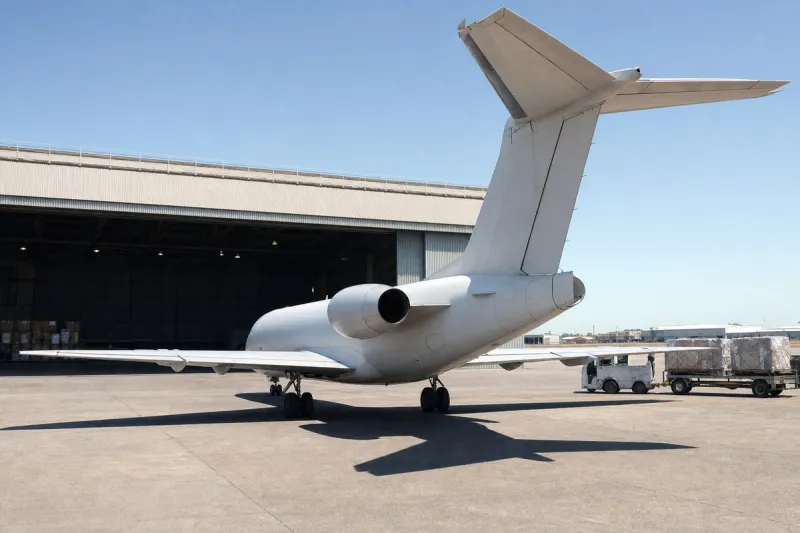
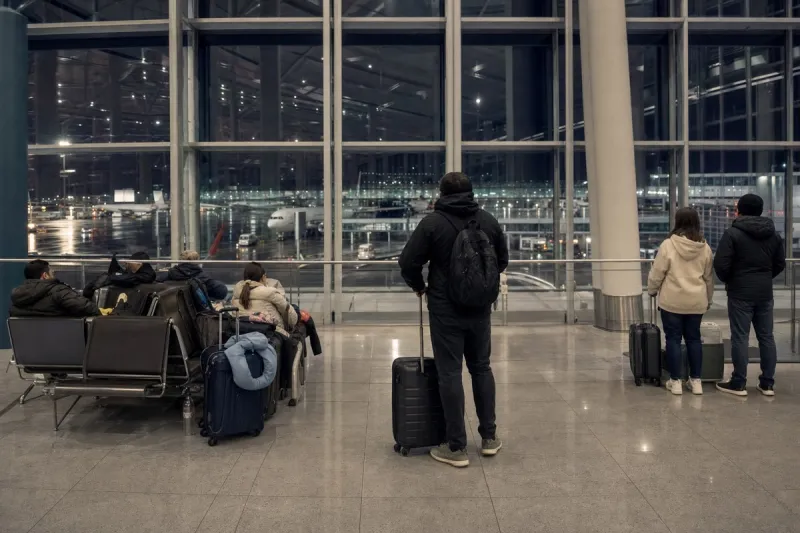
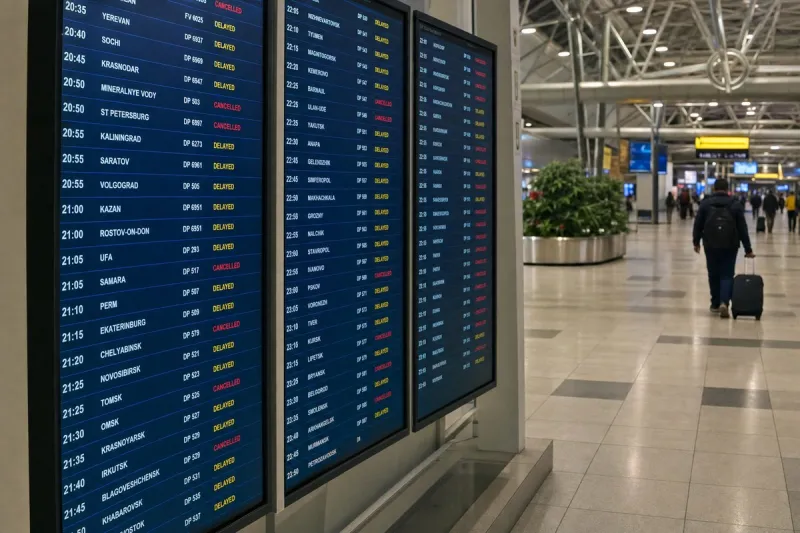
Turkish low-cost carrier Pegasus Airlines cancelled flights to and from Moscow on 1 September, causing significant disruption at the Russian capital's airports, before resuming scheduled services from 2 September and adding extra flights for affected passengers. Moscow's Vnukovo Airport reported that Pegasus cancelled six arriving and six departing flights on 1 September. Flight-disruption data also recorded 22 cancellations and 94 delays at Vnukovo on 2 September, while Sheremetyevo Airport logged 21 cancellations and 235 delays the same day.
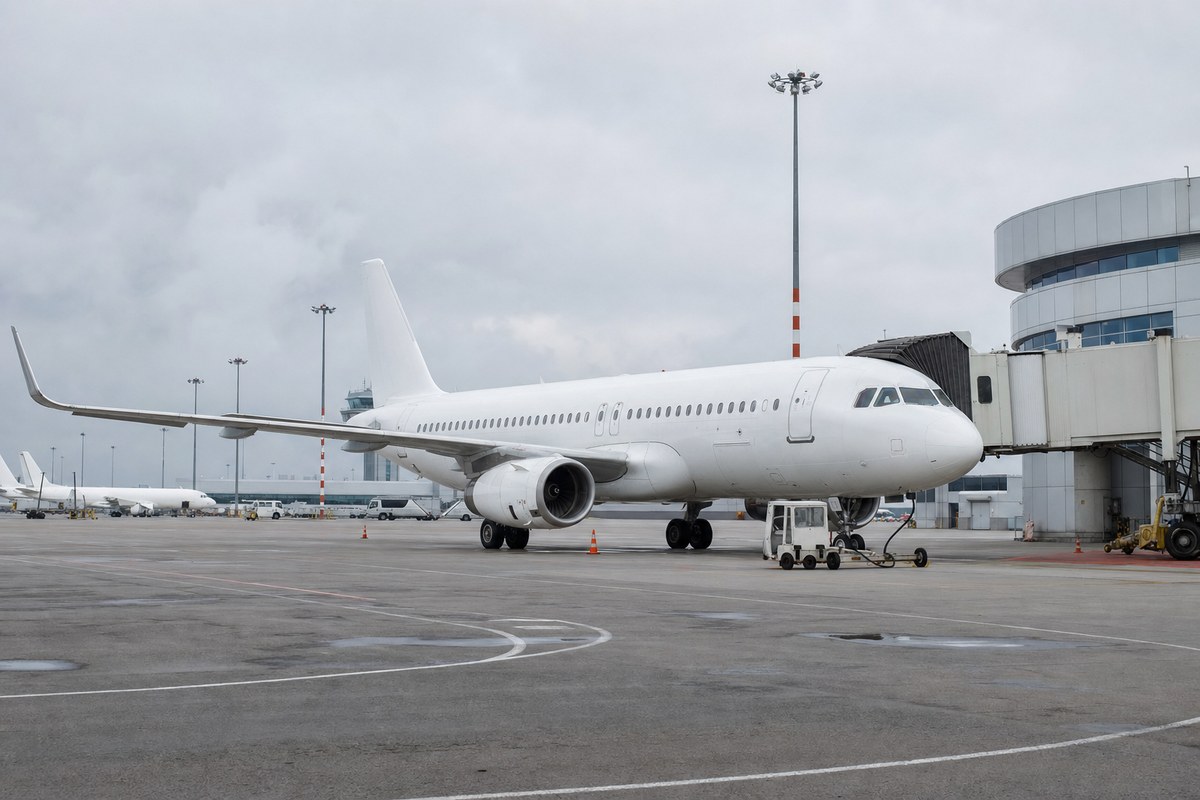
Flight-tracking data showed two Pegasus aircraft already en route to Moscow turned back to Türkiye: flight PC1576 from Antalya reversed course near Lithuania, and flight PC1521 from Izmir turned back near Hungary. Pegasus has not publicly confirmed these reported mid-air turnbacks or identified the flights involved.
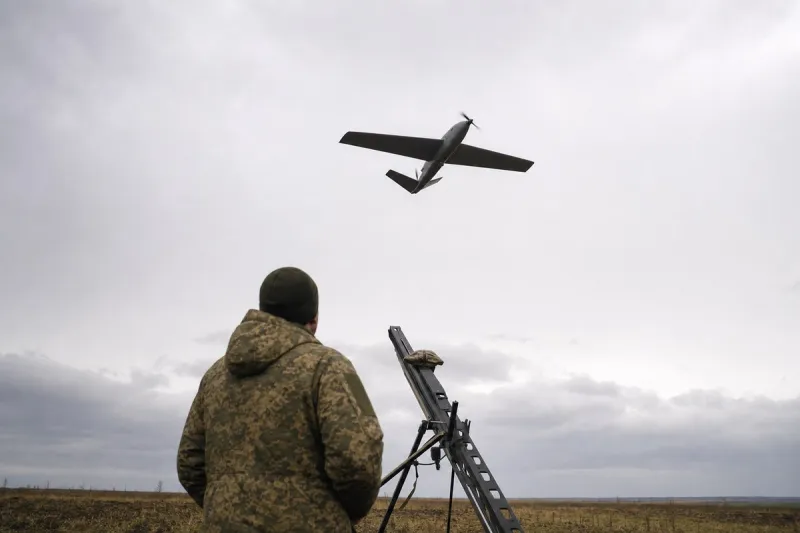
The disruption followed a warning from Ukrainian President Volodymyr Zelenskyy on 1 September that drone activity was making Russian airspace increasingly hazardous for airlines, insurers and operators using major Russian airports; he said Ukraine was not targeting civilian aircraft but urged operators to account for the expanding drone presence. Pegasus did not link its cancellations to the warning, and no reliable evidence has established a direct causal connection. Russian President Vladimir Putin characterised the warning as an indication of state terrorism. Zelenskyy said in August that Ukraine was averaging more than 300 long-range operations per day and aimed to raise capacity to 1,000 long-range missions daily.
An assessment from Osprey Flight Solutions said attacks deeper inside Russia, including around Moscow and St Petersburg, were likely to occur daily through the remainder of 2026. Temporary flight restrictions imposed during drone alerts have repeatedly caused delays, cancellations and diversions at Russian airports, though no formal nationwide closure of Russian airspace has been declared. Ukraine's own airspace has remained closed to normal commercial flights since Russia's full-scale invasion began in February 2022, while carriers from Türkiye, China and the United Arab Emirates continue operating through Russian airspace that many European and US airlines avoid due to sanctions and security concerns.