Alderney Airport Runway Upgrade Delayed to 2028, Decision Not to Widen Strip Draws Criticism
Why It MattersFor small island air links kept alive by regulatory alleviations rather than compliant infrastructure, prolonged upgrade delays leave weather-driven service continuity dependent on safety-case approval rather than fixed capital timelines.
What happened
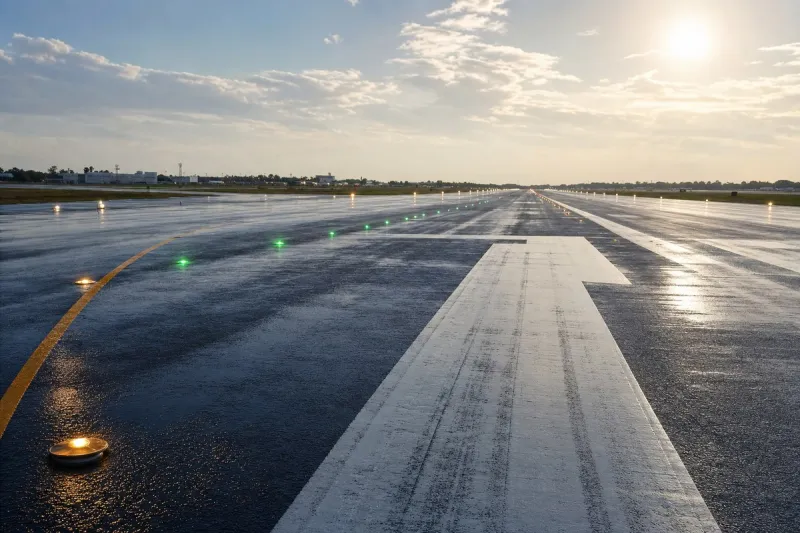
Plans to upgrade the runway at Alderney Airport have been delayed until at least 2028, and a decision has been taken not to widen the strip from its current 18 metres (59 ft) to the regulatory minimum of 23 metres (75 ft) required for runways longer than 800 metres (2,625 ft). The delays and the narrower-than-compliant width have drawn criticism from island residents, aviation experts and local politicians.
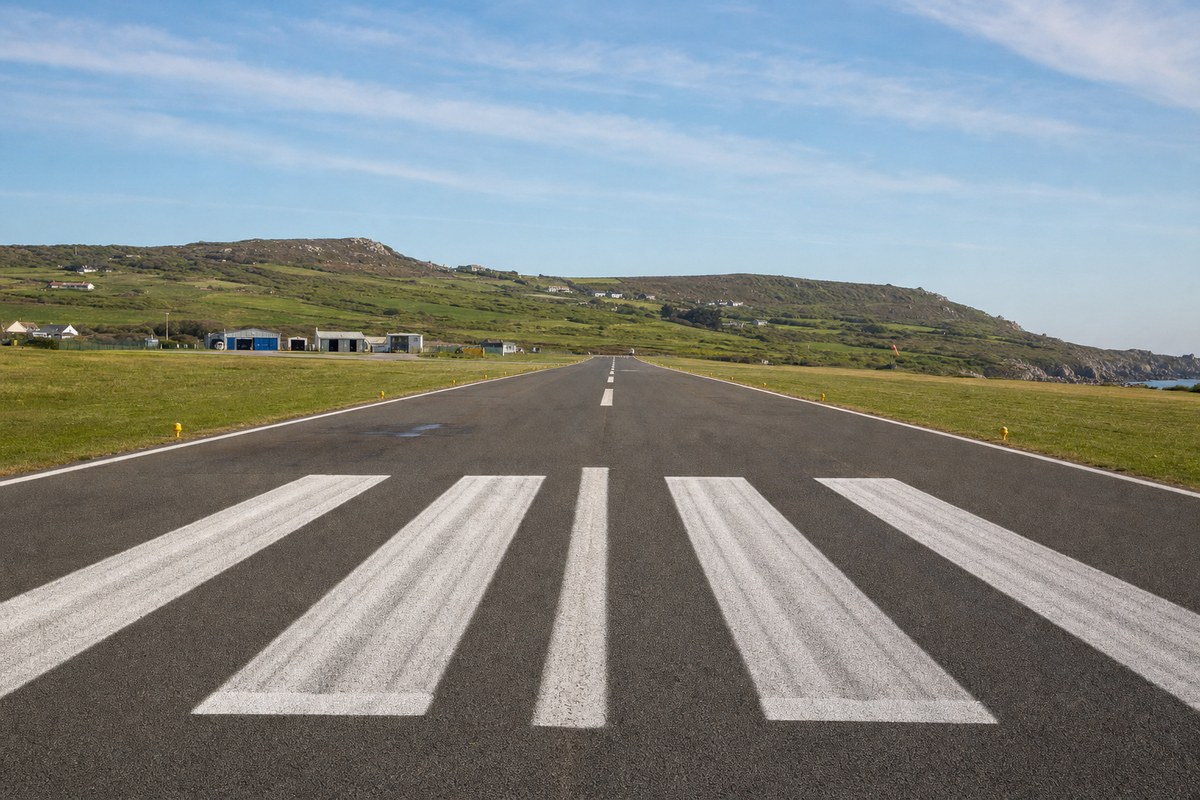
Earlier this year, the States of Guernsey approved spending of up to £24 million on refurbishing the runway, with work originally targeted to begin in 2027. The runway currently operates under an "alleviation" granted by the director of civil aviation (DCA), who has confirmed the alleviation may continue provided a suitable safety case is presented, given the types of aircraft using the runway.
Flying instructor and Alderney resident Geoff Blyth warned that if the DCA does not accept the safety case for keeping the runway at 18 metres, restrictions during bad weather could follow, leading to more flight cancellations, lost revenue, and disruption to hospital appointments. Giles Woodhouse, a frequent Alderney-to-UK traveller and head of sales for clothing brand Gym Plus Coffee, described the delay as leaving question marks over whether living on the island remained viable, calling the situation "unjustifiable" given the absence of concrete dates.
Jeannie Cameron, chairwoman of the Alderney Policy and Finance Committee, said the delay amounted to a further two-year setback on top of problems stretching back a decade. She added that a request to place an Alderney politician on the project board had been refused, and that two proposals put forward by the States of Alderney, both within the £24 million budget, had received no response. Beth Chapman, community governor of St Anne's School, described the delay as "incredibly disappointing" and said air service to the island was "a lifeline, not a luxury." Deputy Mark Helyar, President of the States' Trading Supervisory Board, said the project board was focused on identifying the lowest possible cost and the most practical and pragmatic approach to maintaining an operational aerodrome at Alderney, and was seeking regulatory alleviations where possible to minimise the scope of work required.
Industry impact & what to watch
This case sits within a broader pattern for small, remote-island aerodromes: infrastructure that falls short of standard regulatory dimensions is kept operational through case-by-case alleviations rather than physical compliance, shifting the burden from capital works to ongoing safety justification. Where an airport is the primary lifeline for medical, commercial and social connectivity, as described by St Anne's School's community governor, any gap between the regulator's minimum and what is actually built becomes a recurring point of political and public pressure rather than a one-off engineering decision.
How this plays out depends on whether the DCA accepts the safety case for continuing to operate at 18 metres rather than widening to 23 metres. If it does not, weather-related restrictions and cancellations become more likely, with knock-on effects for hospital appointments and island residency decisions that go beyond the runway project itself.
What happens next hinges on the safety case submission and the DCA's response to it, alongside whether the States of Alderney's two budget-compliant proposals receive any reply from the project board.