Democrat Says Airlines 'Privately Panicking' Over FAA's New AI Air Traffic System SMART
Why It MattersWhen new air traffic technology is introduced without frontline operator buy-in, airline and regulator claims of efficiency gains can clash with controller concerns over safety validation and training readiness.
What happened
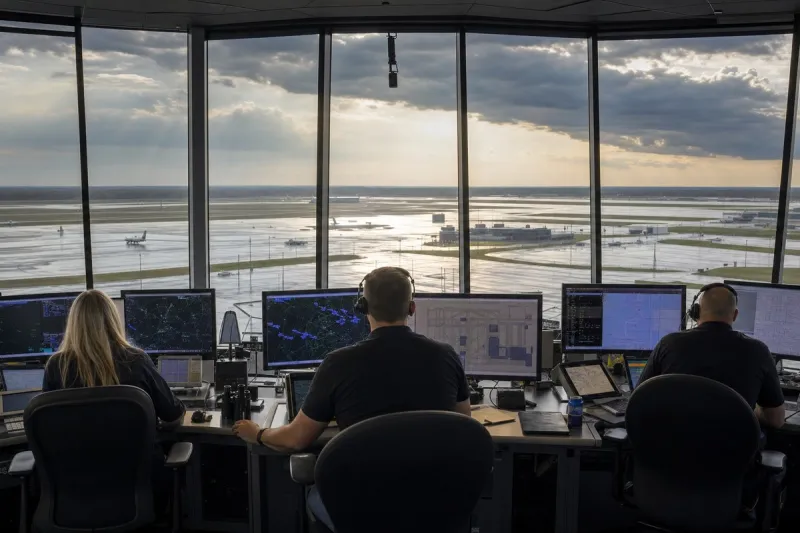
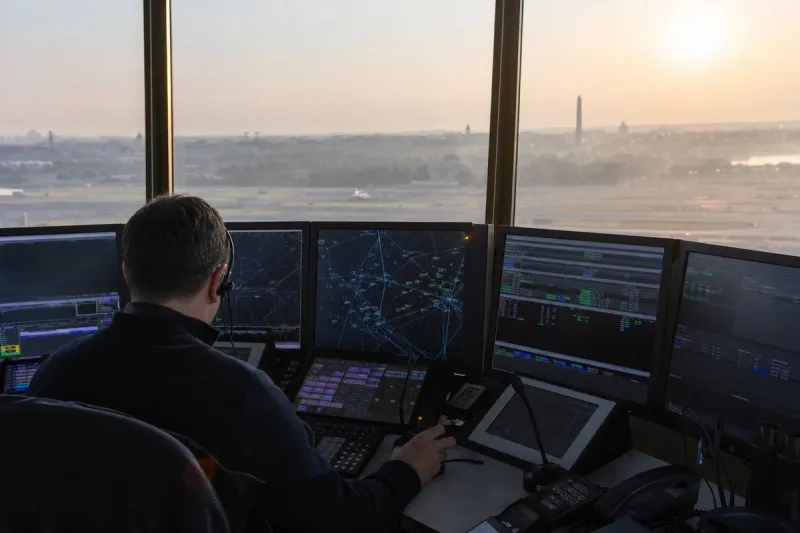
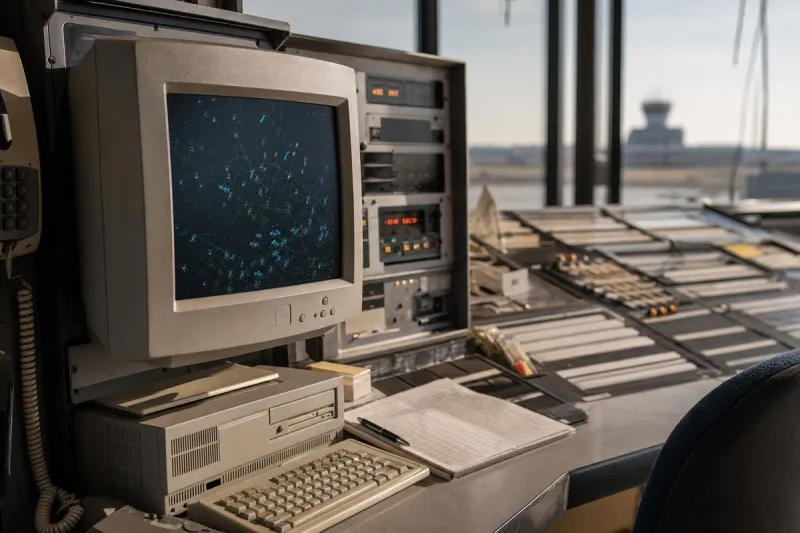
Rep. Don Beyer, a Virginia Democrat, said Monday that air traffic controllers were not consulted on the design and development of the FAA's new AI-powered air traffic management system, known as SMART, and were not trained on using it before its adoption at local airports. "Unfortunately, I was informed today that air traffic controllers were not consulted on the 'SMART' system's design and development, and were not trained on using it prior to the system's adoption at local airports," Beyer said in a statement. He also said controllers were told the system could adjust flight schedules and potentially routes.
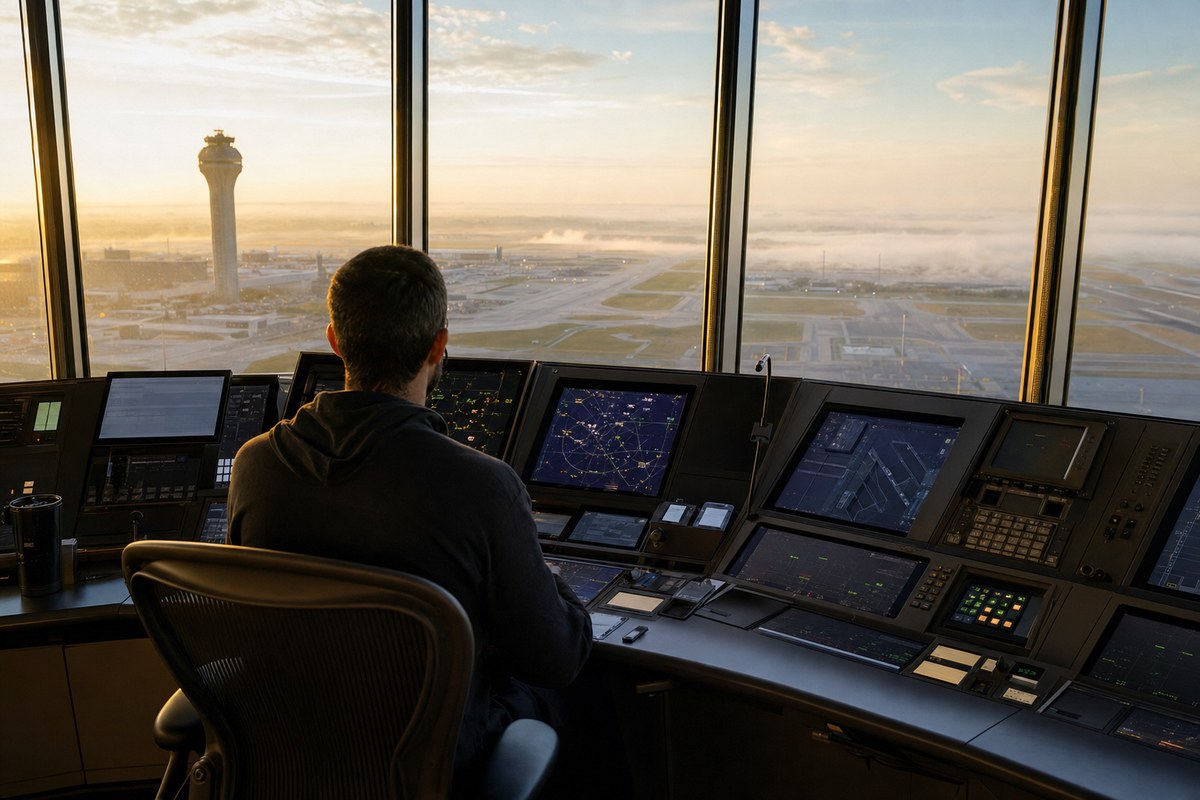
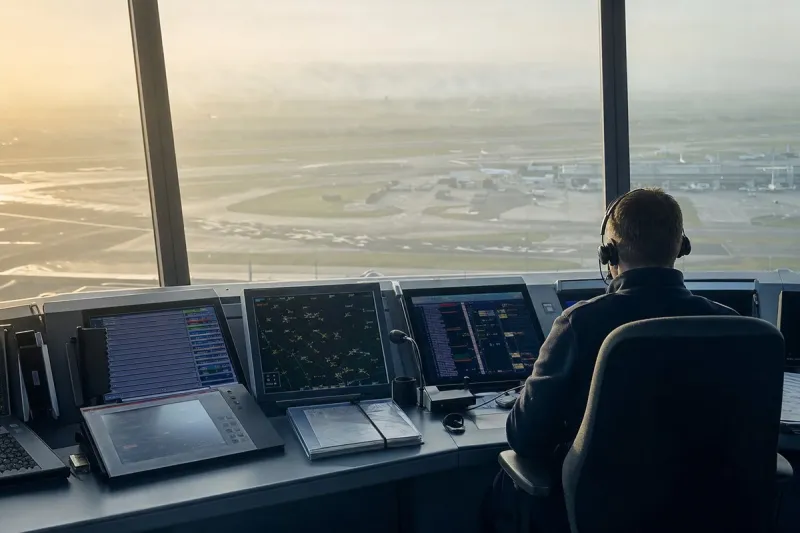
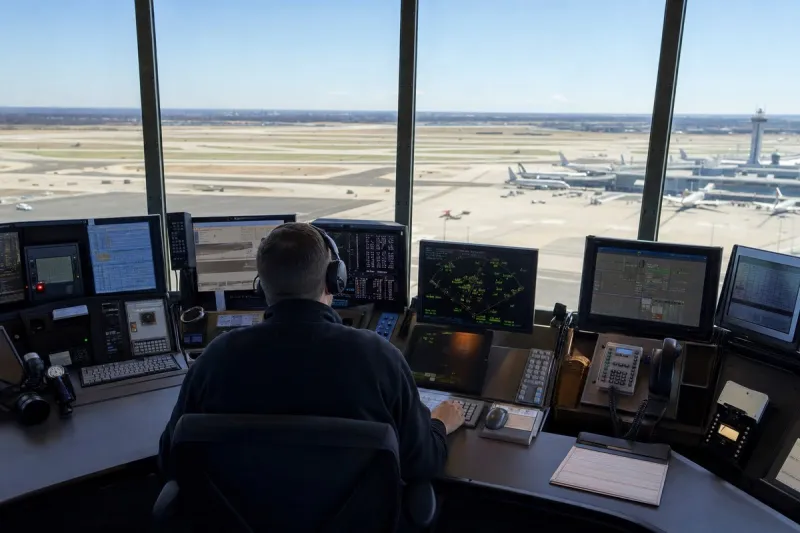
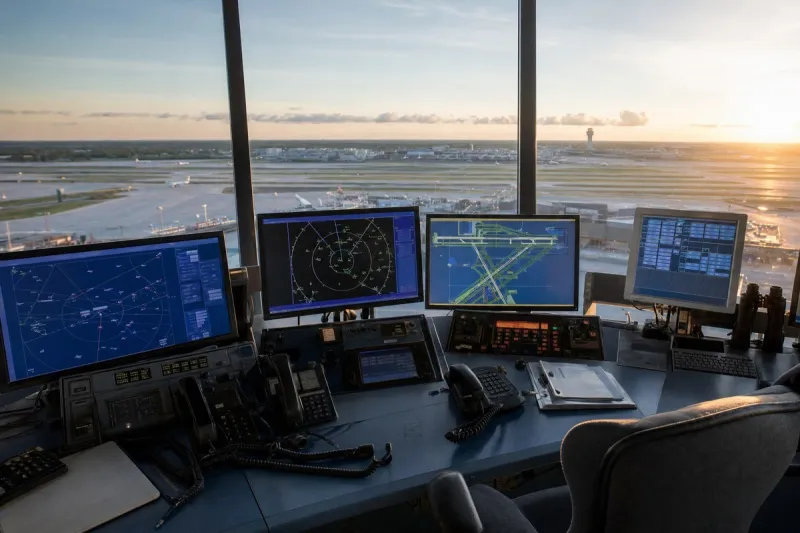
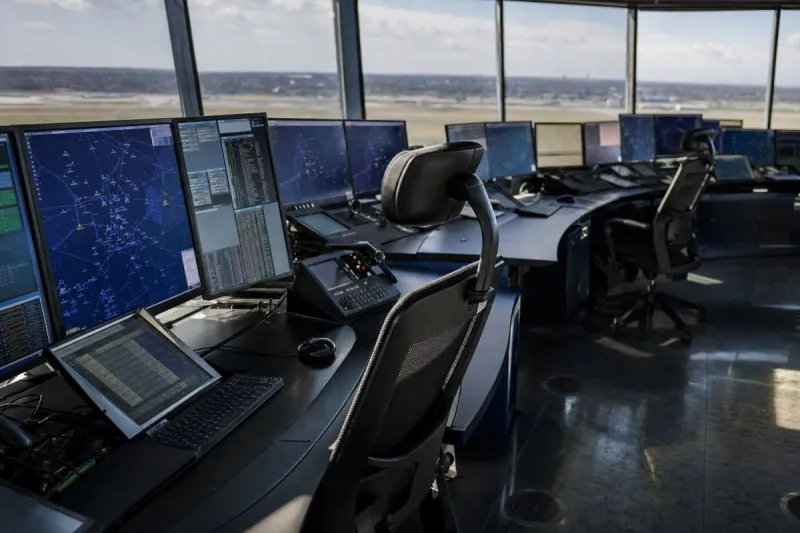
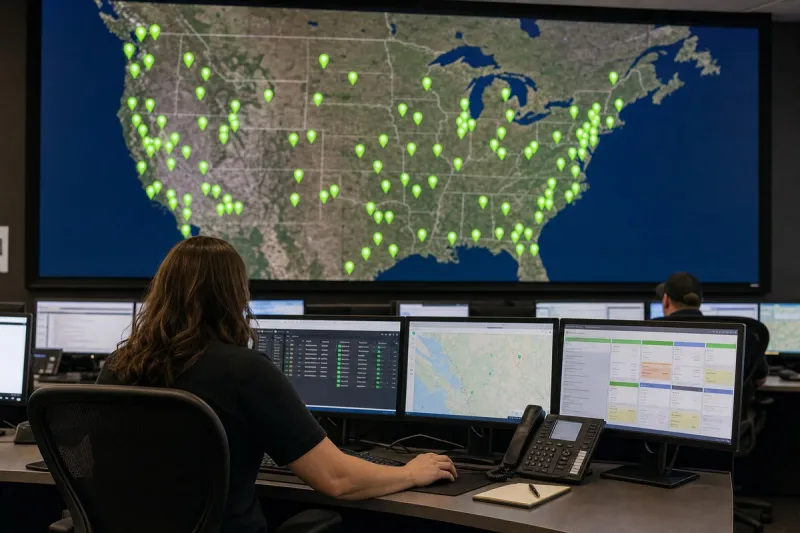
SMART stands for Strategic Management of Airspace, Routes and Trajectories. According to the FAA, it centralizes 200 data streams into one platform, including weather patterns, flight paths, traffic flow and controller staffing metrics. The FAA describes SMART as a decision-support tool that makes recommendations to aviation specialists, who then decide how to address potential problems, stating that "SMART cannot be used to replace the critical role air traffic controllers play or take over control of an aircraft." The system launched in a limited mode Monday around Washington, D.C., with plans to expand nationally. Transportation Secretary Sean Duffy said the system would "slash those frustrating delays, reduce stress on air traffic controllers, and lower travel prices."
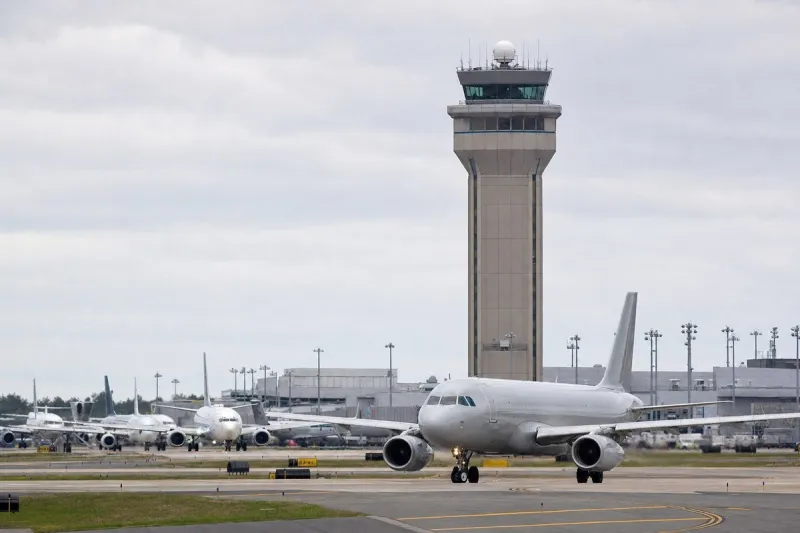
The CEOs of United Airlines, Delta Air Lines, American Airlines and Southwest Airlines praised SMART in statements released by the FAA. United CEO Scott Kirby said, "If it works as we think it can, it will do more to reduce delays and cancellations than anything that's happened in decades." Delta CEO Ed Bastian said the company "fully supports" the FAA's efforts to modernize the National Airspace System through technologies that can "enhance operational efficiency, improve situational awareness, and help reduce congest..." Beyer represents a Northern Virginia district that includes Ronald Reagan Washington National Airport and referenced the January 2025 midair collision near DCA, in which an American Airlines regional jet and a U.S. Army Black Hawk helicopter collided over the Potomac River, killing all 67 people aboard, an accident the National Transportation Safety Board attributed to systemic failures and described as the nation's deadliest aviation accident since November 2001.
The SMART rollout coincided with a separate equipment failure Monday in which an Amtrak construction crew cut a fiber line in New Jersey, triggering a telecom outage that forced the FAA to pause flights across the Northeast. Duffy said the telecom lines had been repaired and Northeast airport operations were resuming. More than 1,100 flights were canceled within, into, or out of the U.S. on Monday, and nearly 7,900 others were delayed, as of 10:30 p.m.
Industry impact & what to watch
This case follows a familiar tension in air traffic modernization: regulators and airline leadership tout efficiency gains from new technology while the workforce operating it says it was not brought into the process. When the tool in question makes recommendations that touch scheduling and routing, even with a human decision-maker in the loop, the gap between vendor description and frontline readiness becomes a safety and labor issue simultaneously, not just a rollout hiccup.
Decision-support systems in air traffic control depend on controllers trusting and correctly interpreting the recommendations they generate; a tool introduced without training risks being ignored, misapplied, or blamed regardless of its underlying design. Airline CEOs backing SMART publicly signals confidence in delay and cancellation reduction, but that endorsement does not by itself confirm that the controllers who must act on its outputs were prepared for the transition.
What happens next likely turns on whether the FAA responds to Beyer's specific claims about consultation and training, and whether the national expansion plan is adjusted or paused pending that response. The unrelated Amtrak fiber cut and resulting Northeast flight disruptions on the same day underscore how fragile the broader air traffic network already is, adding pressure on regulators to show any new automated layer is resilient rather than an added point of failure.