Palm Beach County pauses FAA flight-path lawsuit while permanent ban over Mar-a-Lago moves forward
Why It MattersThe dispute shows how local governments face steep, uncertain legal costs contesting FAA airspace decisions justified on national-security grounds, with courts giving agencies wide latitude in such cases.
What happened
Palm Beach County, the city of West Palm Beach and the town of Palm Beach are expected to pause litigation against the Federal Aviation Administration over flight paths imposed last October near President Donald Trump's Mar-a-Lago club, as the agency moves toward making those restrictions permanent. The FAA announced in September that it plans to permanently ban aircraft from flying within one mile of Mar-a-Lago, located directly east of President Donald J. Trump International Airport. Attorney Joanne O'Connor, who represents Palm Beach, said many claims in the petition filed in December with the U.S. Court of Appeals in Washington would need to be revised, and some would become irrelevant, once the FAA finalizes the permanent rules.
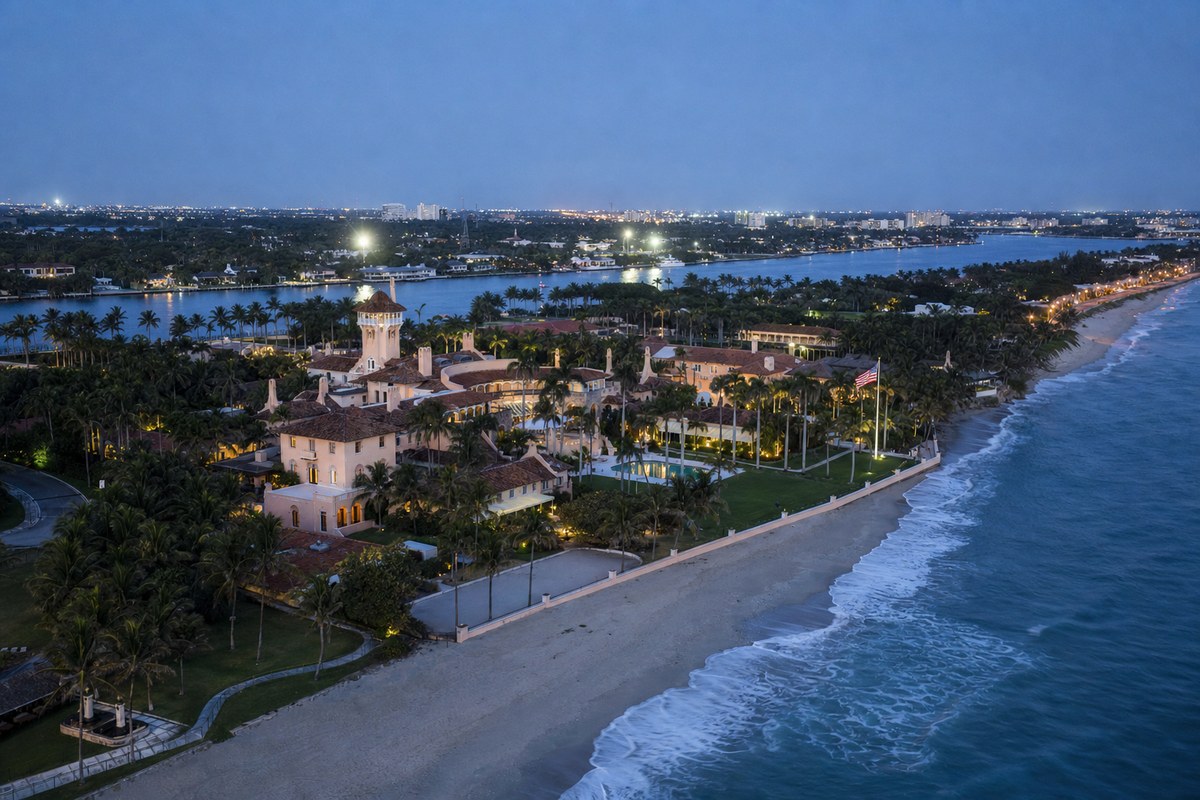
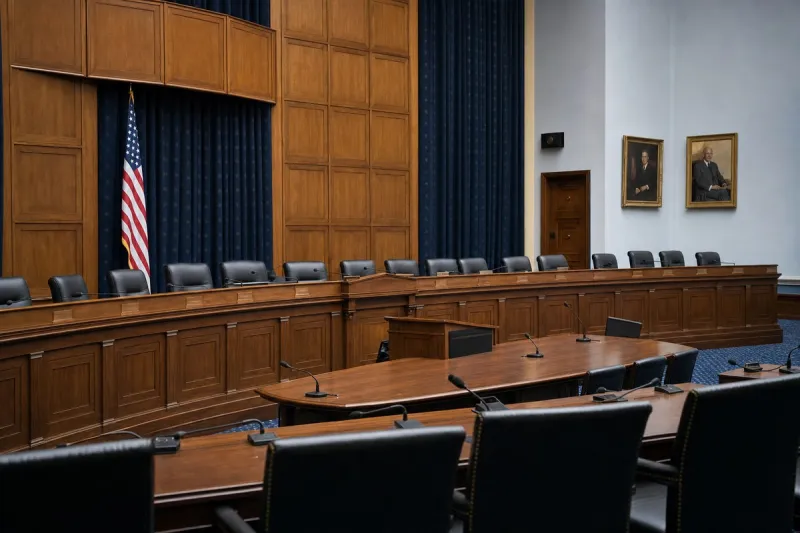
County commissioners voted 4-3 on September 15 to pause the suit rather than drop it. The litigation has already cost approximately $250,000. O'Connor said the pause does not end the legal fight, noting the lawsuit can be resumed if the FAA finalizes the permanent restrictions. Three Republican commissioners — Sara Baxter, Marci Woodward and Maria Marino — argued for ending the legal action, with Marino saying she saw little chance of victory and calling the fight 'just wasting money.' County Attorney David Ottey said there was 'a slim-to-none chance' the flight ban over Mar-a-Lago would not become permanent, given the FAA's national-security rationale. Democratic Commissioner Gregg Weiss, whose home lies under the new flight path and who is running for West Palm Beach mayor, opposed dropping the suit, saying the county had tried to negotiate with the FAA before filing and that dropping it would leave residents with no recourse.
The current flight rules, imposed without warning last October, require eastbound jets departing the airport to curve north on take-off. Airport officials say the restrictions affect approximately 21,000 people in 11,000 homes in West Palm Beach and Palm Beach, up from about 2,200 homes and 5,000 people under the prior decades-old rules. The FAA and Secret Service say the restrictions are necessary to protect Trump, whose club sits directly east of the main runway. A community group, the Quiet Skies Coalition, has hired experts and attorneys to oppose the permanent prohibition and is urging residents to submit public comments; federal records show nearly 500 people from Palm Beach and West Palm Beach have submitted written comments. Palm Beach Mayor Danielle Moore and state Rep. Emily Gregory have written letters requesting a 60-day extension of the public comment period, citing the rule's complexity and its quality-of-life impact on residents.
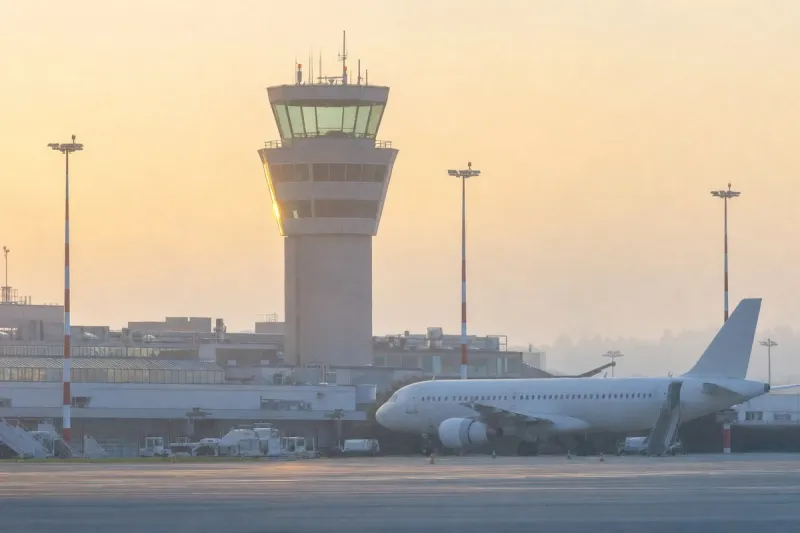
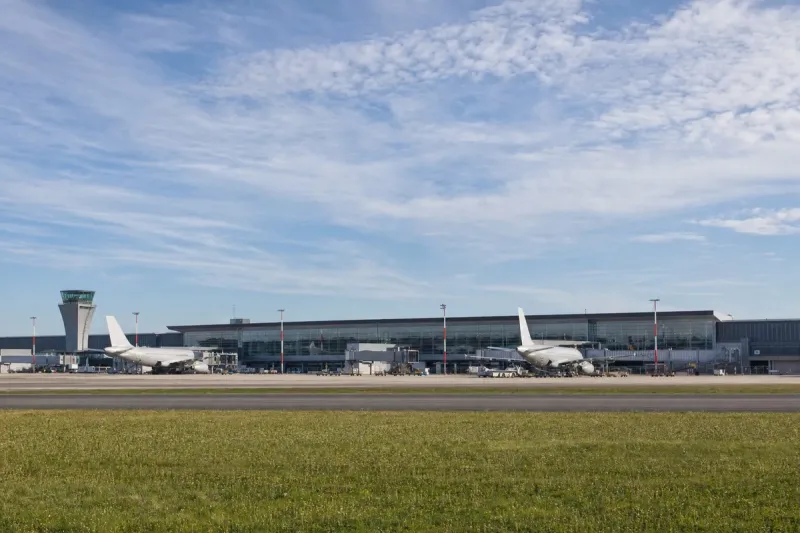
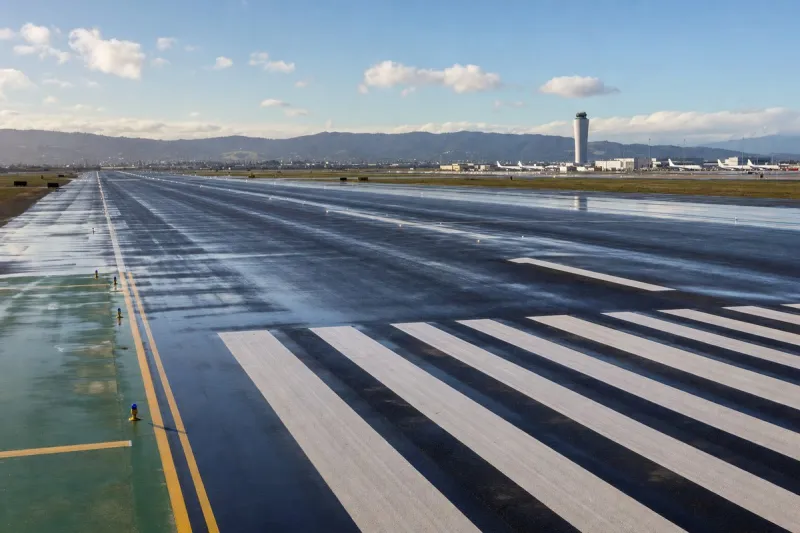
Separately, the airport faces an operational change beginning next month, when the main and crosswind runways will close at night for a $27 million resurfacing project. Starting in February, the main east-west runway will close for approximately six months for a full overhaul, during which jets will use the shorter crosswind runway angled from southeast to northwest. Long-term plans call for shortening the crosswind runway and constructing a new 8,000-foot parallel runway south of the existing 10,000-foot east-west runway.
Industry impact & what to watch
This case illustrates how local jurisdictions have limited leverage once the FAA invokes national-security grounds for airspace restrictions, even when the affected population — now about 21,000 people versus roughly 5,000 under prior rules — has grown substantially. Pausing rather than dismissing preserves the county's legal option without continuing to spend on claims that a temporary-rule petition cannot address once the restriction becomes final; that is why officials chose the middle path over an outright withdrawal.
Airspace disputes near protected sites tend to follow a familiar arc: an abrupt operational change, a public-comment process that residents and advocacy groups try to extend or influence, and litigation that survives mainly as a hedge against future rule changes rather than a route to reversing current ones. The Quiet Skies Coalition's push for a term-limited restriction, and the mayor's and state representative's request for a 60-day comment extension, show where remaining pressure is being applied — on the scope and duration of the rule, not on its existence.
What happens next depends on the FAA's final rulemaking decision and whether the comment period is extended as requested. Separately, the airport's runway closures — night closures starting next month, then a roughly six-month full closure of the main runway starting in February — will independently reshape which communities bear noise impacts, regardless of how the Mar-a-Lago flight-path question is resolved.