Iraq to Halt All Flights to and from Iran Starting Next Tuesday
Why It MattersThe abrupt closure shows how quickly a busy regional air corridor built on religious, medical and family travel can be shut without warning when a government weighs cross-border security concerns.
What happened
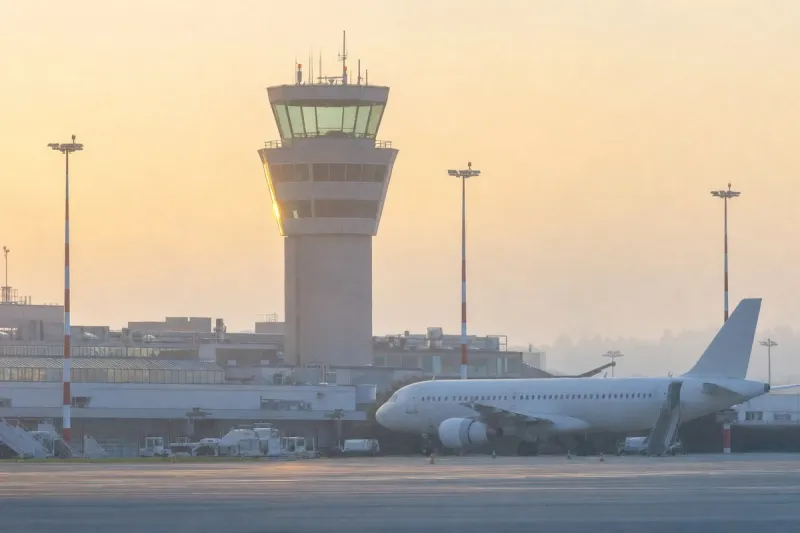
Iraq has announced the cancellation and suspension of all flights between Iraq and Iran at every Iraqi airport, effective next Tuesday, according to an official government announcement. No public justification has been provided, leaving airlines, passengers, and foreign missions without a clear explanation for the measure.
The Iraq–Iran air corridor carries tens of thousands of travelers each month for family visits, business, medical care, study, and religious tourism, including Iraqi pilgrims flying to Iranian cities associated with Shia holy sites and Iranian visitors traveling in the opposite direction. With less than a week's notice, travelers who must move between the two countries will be forced to use land border crossings that are slower and less predictable.
The suspension comes as the United States has been tightening economic pressure on Iran, including the threat of secondary sanctions. Iran's Foreign Minister Abbas Araghchi was compelled to route his trip to the UN General Assembly through Doha aboard a Qatar Airways Boeing 777-300ER because suitable long-range aircraft from Iran's state VIP fleet were unavailable.
Industry impact & what to watch
A short-notice bilateral flight ban of this kind forces airlines to park aircraft or find alternative routing with almost no planning window, while airports that depend on religious and medical passenger volumes see an abrupt hit to concession revenue and ground-handling contracts. This is how sanctions pressure and cross-border security concerns can translate directly into scheduled capacity being pulled from a route almost overnight.
The corridor's dependence on land crossings once flights stop shows how thin the alternative infrastructure is for a route carrying tens of thousands of monthly travelers; a slower, less predictable border crossing becomes the only option for pilgrims, patients, and families with fixed travel needs.
Whether Iraq issues a public rationale on security, health, or regulatory grounds, and whether Iran seeks exemptions for specific routes, will determine how long the suspension lasts. If it extends beyond a brief period or expands to cargo flights, that would mark a deeper shift in how Baghdad is positioning itself between Tehran and Washington.