Charlottetown Airport (YYG) Issues General Aviation Parking and Operations Guidelines
Why It MattersThe policy shows how smaller airports manage limited apron capacity by shifting coordination and service-booking responsibility onto visiting operators rather than the airport itself.
What happened
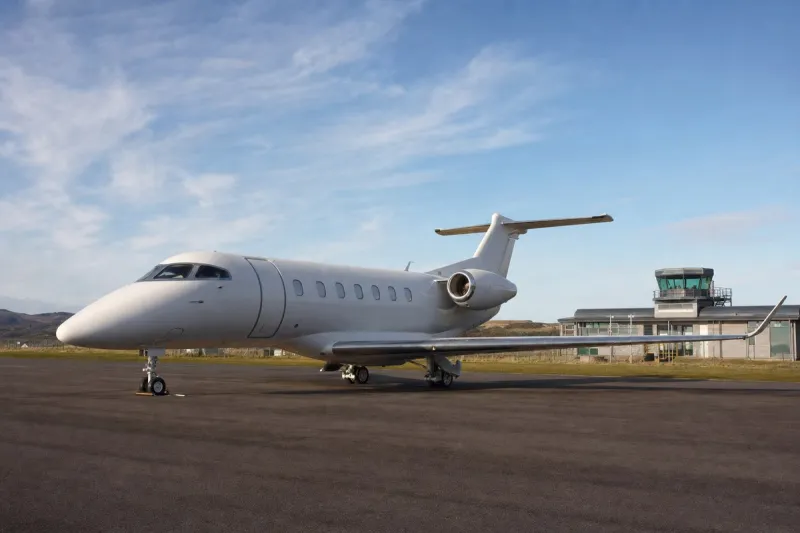
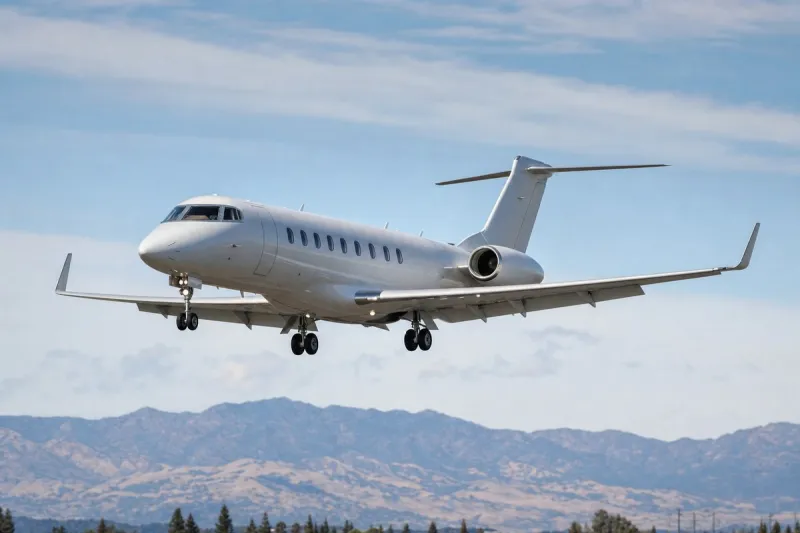
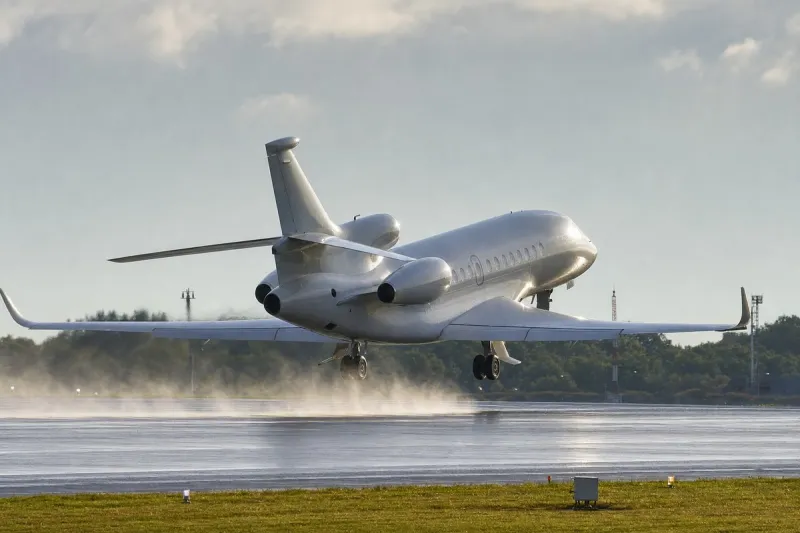
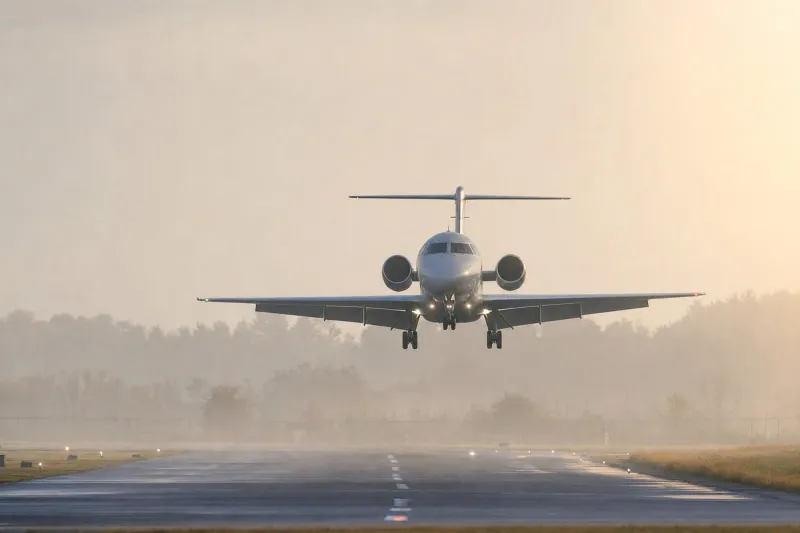
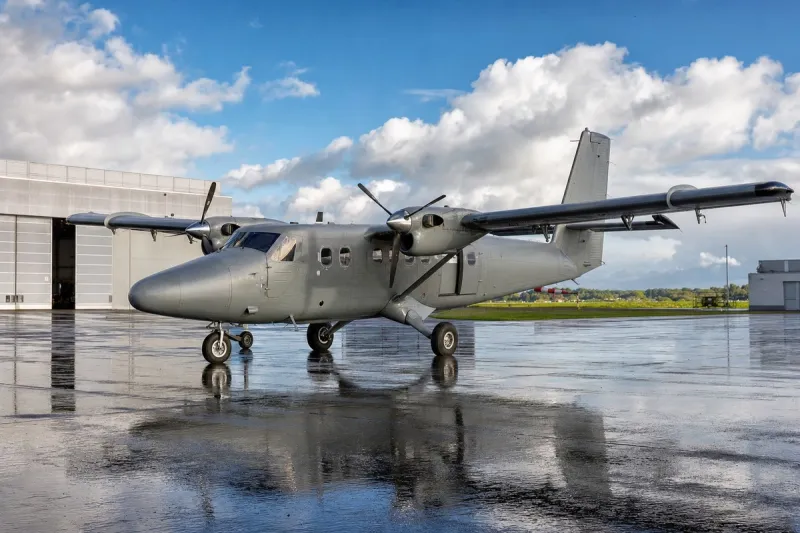
Charlottetown Airport (YYG) has issued guidelines requiring Prior Permission Required (PPR) for all general aviation parking, with the Charlottetown Airport Authority making assignments on a first-come, first-served basis subject to operational requirements and apron availability. Operators seeking approval must contact Airport Operations at 506-645-0872 and provide aircraft registration and type, operator name, arrival and departure dates and times, origin and destination, number of crew and passengers, and overnight parking requirements if applicable. After review, Airport Operations confirms availability, assigns a parking location, and provides arrival instructions.

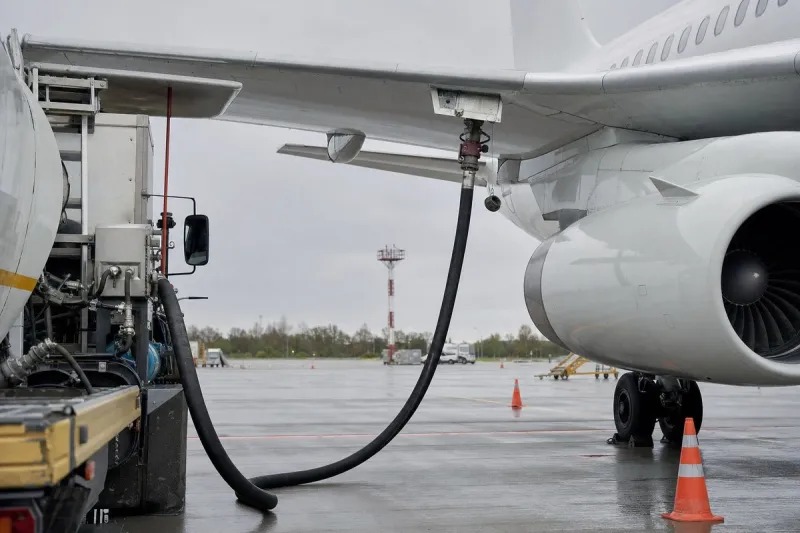
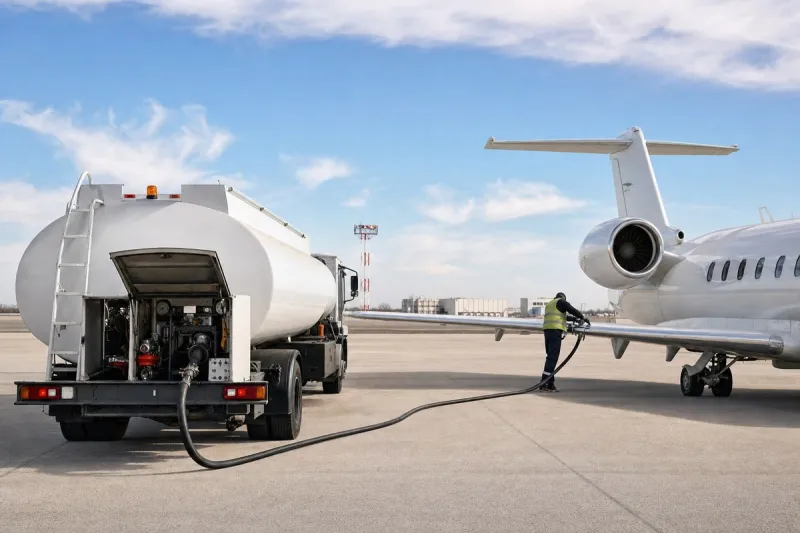
Parking approval does not constitute confirmation of fuel, ground handling, catering, or any other aircraft services; operators must arrange all required services directly with applicable providers before arrival. Key contacts listed include Security Escort at 902-620-0228, with all persons crossing the apron required to arrange an escort in advance; Fuel Services (Inland) at 902-566-3835, with refuelling to be arranged directly with the provider prior to arrival; and Ground Handling through AGI at 506-859-7722 or Air Canada at 438-483-1267, covering services such as aircraft marshalling, passenger assistance, baggage handling, GPU, potable water, and lavatory service.
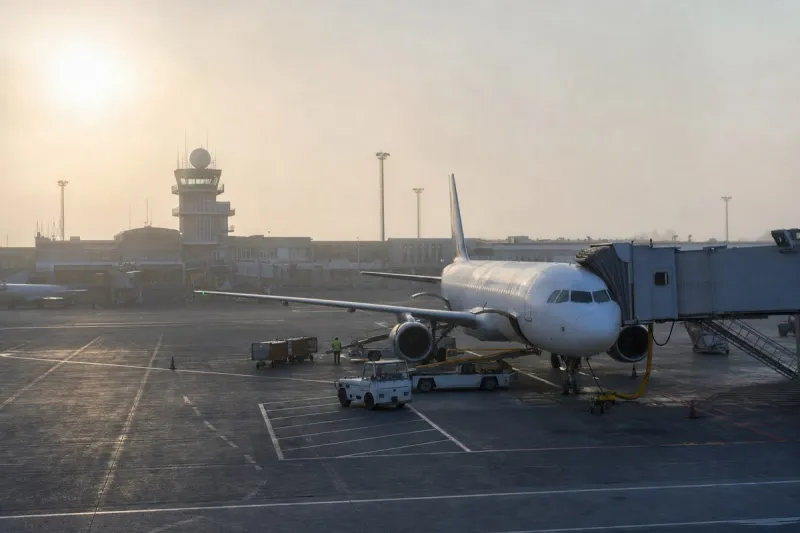
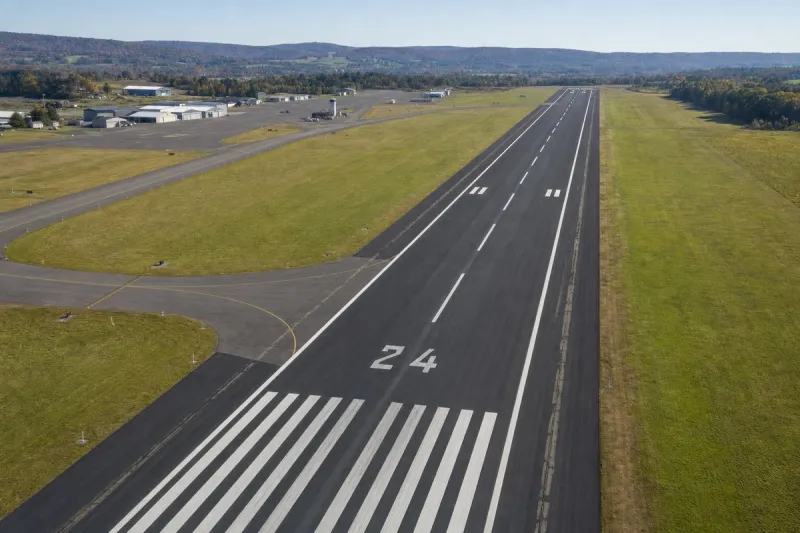
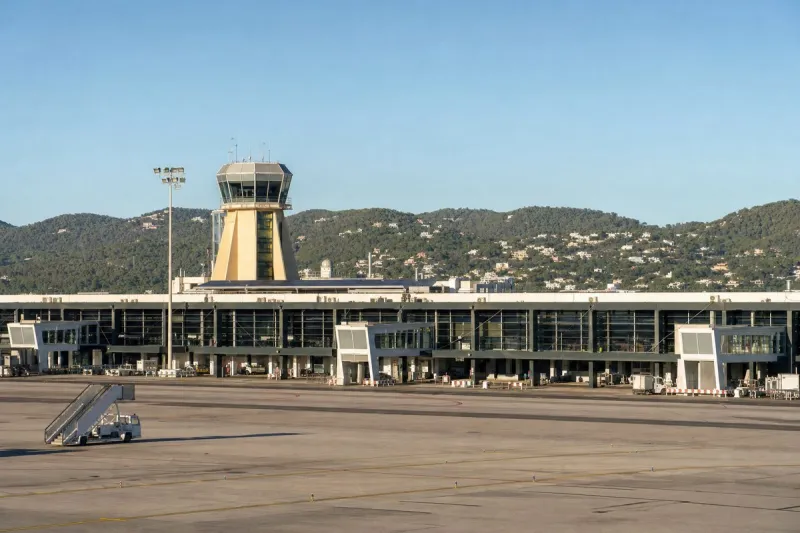
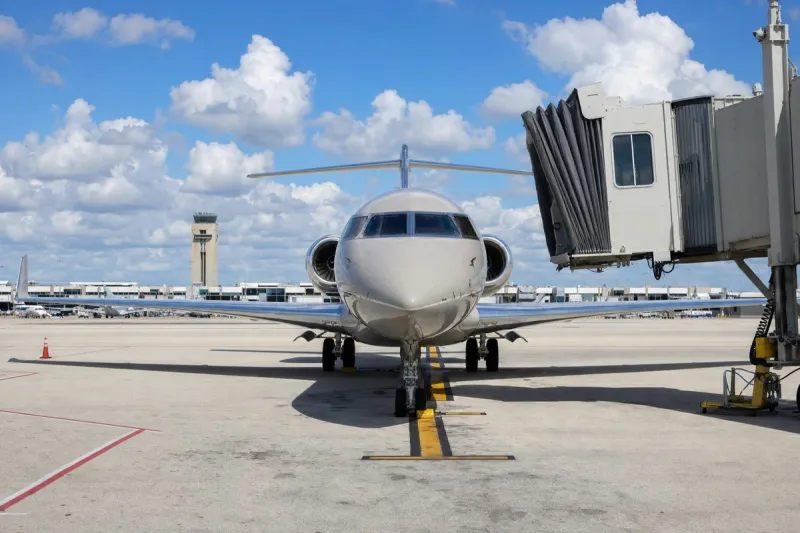
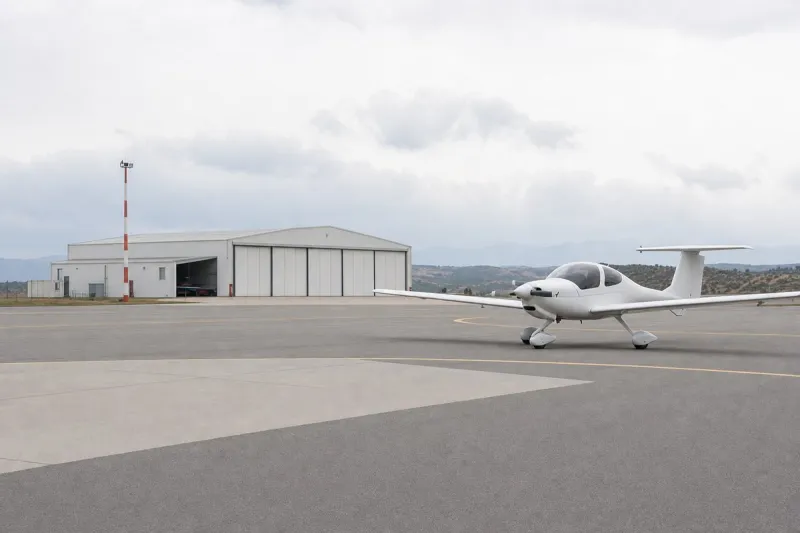
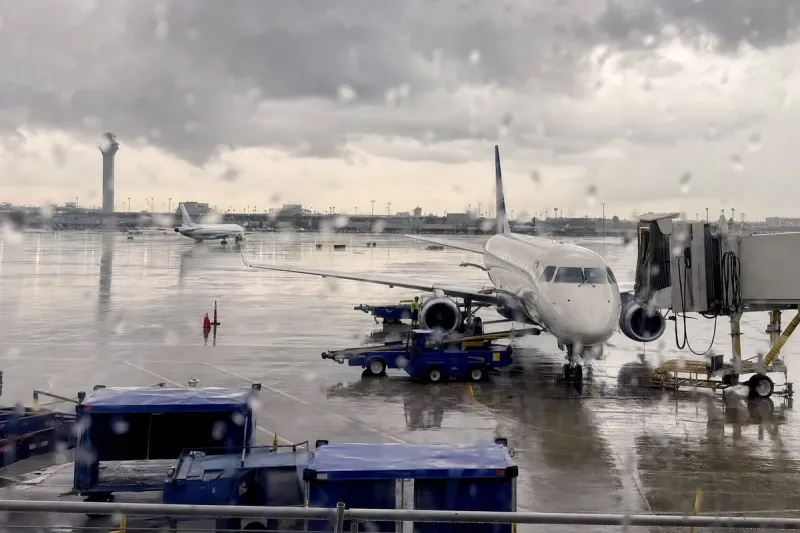
Apron I is shared with commercial operations, and aircraft taxiing there must yield to aircraft conducting pushback from the Air Terminal Building gates. Apron II is primarily intended for small general aviation aircraft and also operates first-come, first-served. Upon arrival at Apron I, pilots must park only in the assigned location and must not leave the aircraft or enter the restricted area until an Airport Security Officer arrives to escort crew and passengers into the terminal. Parking fees are available upon request and may be paid by cheque, credit card, or EFT, and assignments may be changed due to commercial operations, construction, emergency operations, or other operational requirements. CANPASS clearance for private aircraft is available via a centralised toll-free line operating seven days a week.
Industry impact & what to watch
This kind of PPR framework is common at smaller commercial airports where general aviation traffic shares limited apron space with scheduled carrier operations. By putting the burden of coordination on the operator — advance notice, security escort, separately booked fuel and ground handling — the airport authority keeps its own operational overhead low while still controlling who parks where and when.
The split between Apron I and Apron II reflects how such fields manage mixed traffic: commercial pushback movements get priority on the shared apron, while smaller GA aircraft are steered toward a dedicated area with simpler first-come, first-served rules. The explicit disclaimer that parking approval does not include fuel or handling services is a recurring feature of PPR notices, since it shifts liability and scheduling risk for those services onto the operator and the third-party providers named.
Operators flying into YYG will need to confirm services with Inland Fuel, AGI, or Air Canada ground handling ahead of arrival, and coordinate CANPASS clearance separately for any international private flights, since none of these functions are bundled into the airport's own PPR confirmation.