Kissimmee Gateway Airport Proposes Camera System for Landing Fees After Florida Bans ADS-B Billing
Why It MattersThe switch shows how a state ban on one data source can push airports toward costlier identification methods, raising the operating expense that landing-fee programs are meant to offset.
What happened
Kissimmee Gateway Airport is proposing a camera-based aircraft identification system to collect landing fees after a new Florida law, effective July 1, barred airports from using ADS-B data to calculate or collect fees for landings, departures, or operations tied to entering a specified area of airport airspace. The restriction applies to Part 91 aircraft weighing 12,499 pounds or less.
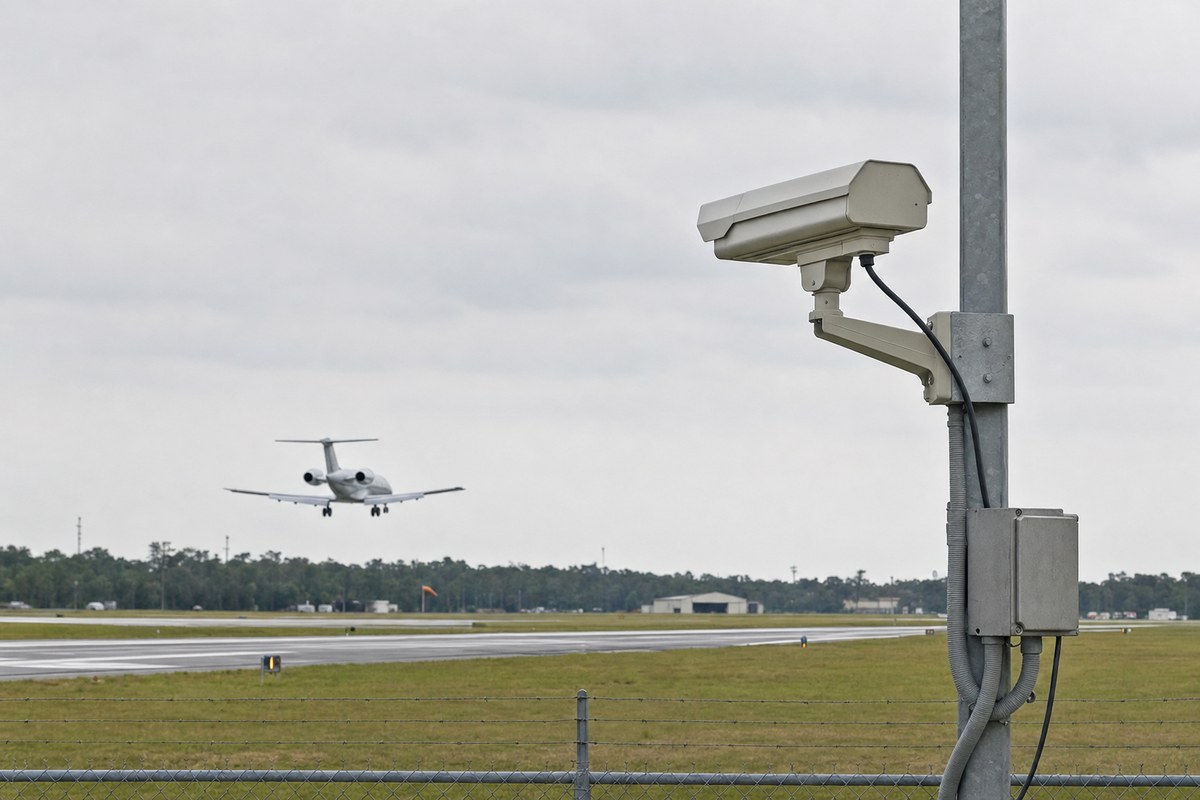
The Kissimmee City Commission is scheduled to consider the proposed changes at its September 22 meeting. Under the proposal, the airport would expand its agreement with Vector Airport Systems to add four aircraft-identification camera pods, which would be used to identify aircraft registrations under the airport's landing-fee program. Kissimmee began collecting landing fees in February 2025 through Vector's PlanePass system. The city is also considering raising its fixed-wing landing fee from $3 to $3.75 per 1,000 pounds of maximum landing weight. The existing $20 charge for helicopters would remain unchanged, as would the exemption for based aircraft and the first daily landing by aircraft weighing less than 5,000 pounds.
The airport stated in a March statement that its landing-fee program generated $442,238 during its first year and is intended in part to provide local matching funds for federal and state infrastructure grants. "Restricting technology forces airports to adopt labor-intensive methods, increasing costs and ultimately user fees," the airport said.
Industry impact & what to watch
This case shows how a state-level restriction on one data source can reshape the mechanics of a local revenue program without changing its underlying goal. Kissimmee's landing-fee program was built around ADS-B identification precisely because it avoided the cost of physical infrastructure, and the Florida law now removes that option for the aircraft segment the airport most needs to bill.
Landing-fee programs at general aviation airports typically depend on identifying aircraft cheaply enough that the fee revenue exceeds collection costs; camera pods, unlike a data feed, require capital investment and a vendor relationship to install and maintain. Kissimmee's own framing, that restricting technology forces labor-intensive substitutes and higher costs, signals that the airport expects the camera system and the proposed fee increase to be linked.
The September 22 City Commission meeting is the next dated point where the camera-pod expansion and the $3.75 fee rate would be formally decided, and the outcome there will indicate whether other Florida airports facing the same ADS-B restriction move toward camera-based systems as a template.