Duffy Defends AI Use in Air Traffic Control, Says Humans Remain in Command of Airspace
Why It MattersFraming new air traffic tools as decision support rather than automation reflects how safety regulators typically introduce AI into control systems, pairing capability gains with public reassurance about human authority.
What happened
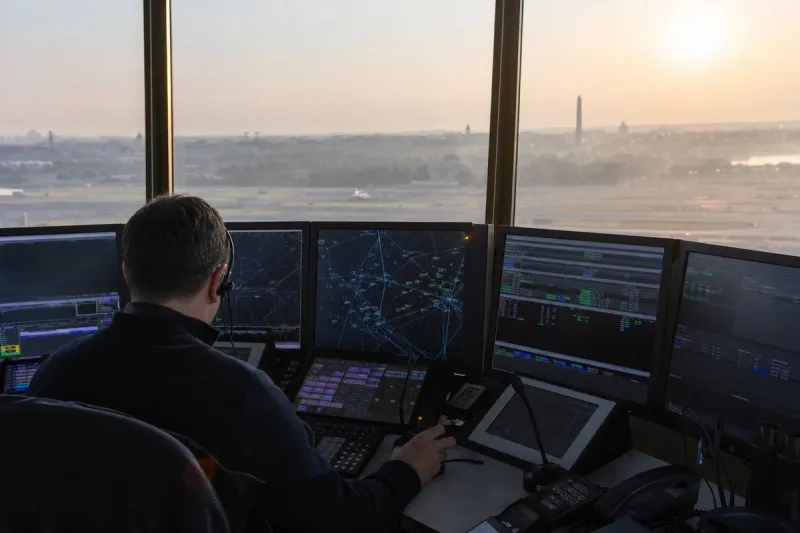
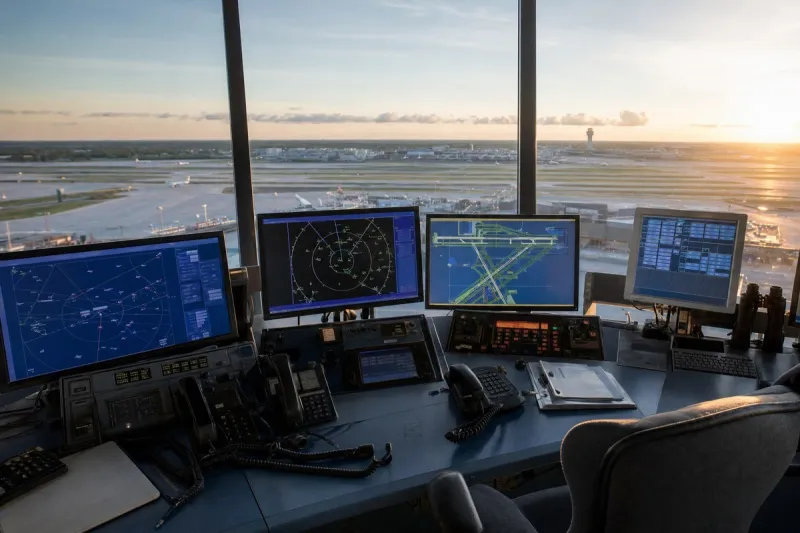
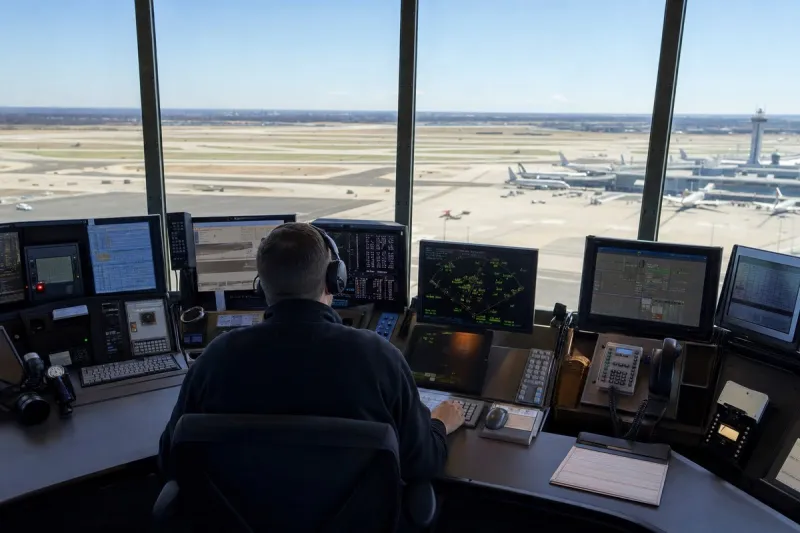
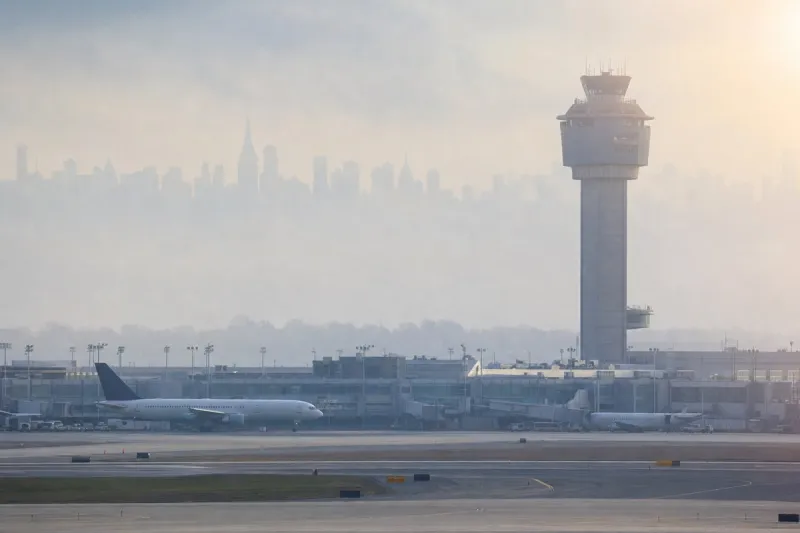
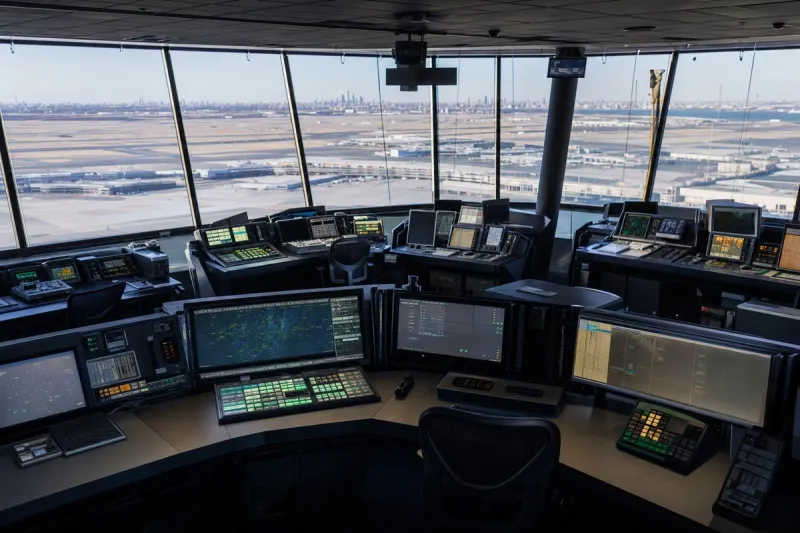
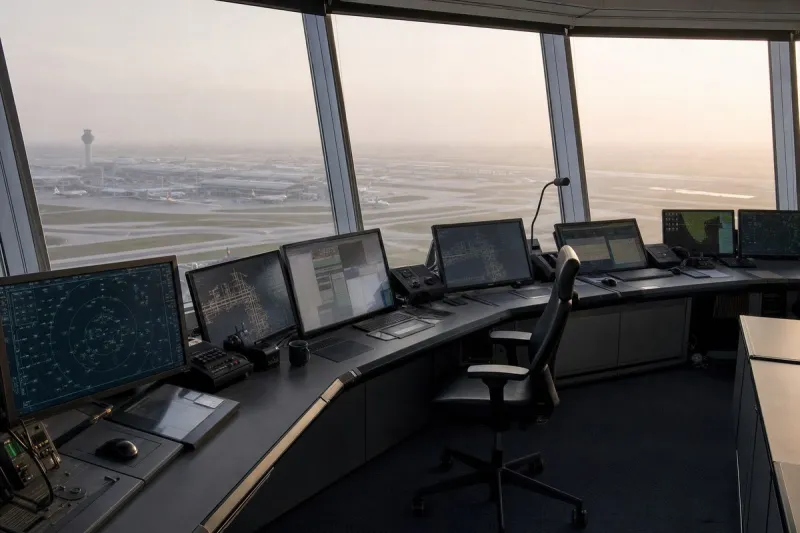
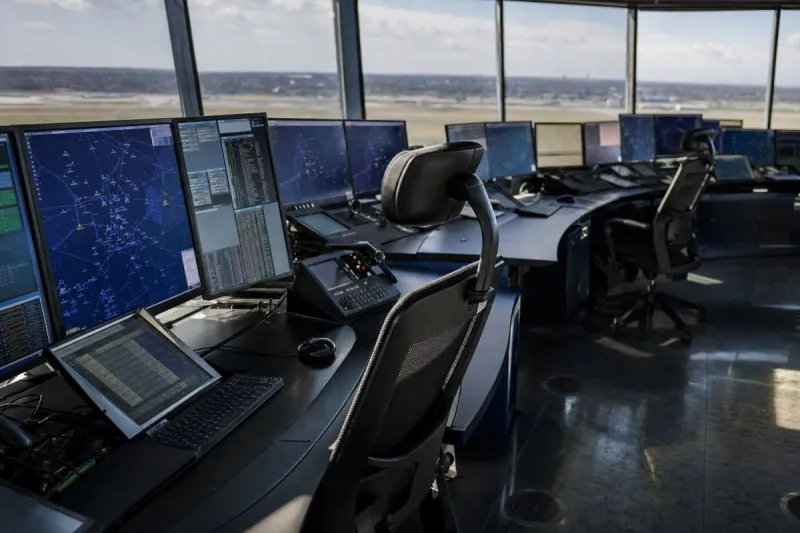
U.S. Transportation Secretary Sean Duffy said Thursday that the Trump administration is "not outsourcing aviation to AI," responding to public concerns about a new air traffic control system. "I want to be clear: Humans control the airspace, humans make decisions," Duffy said. "We're just giving them way better technology, way better foresight."
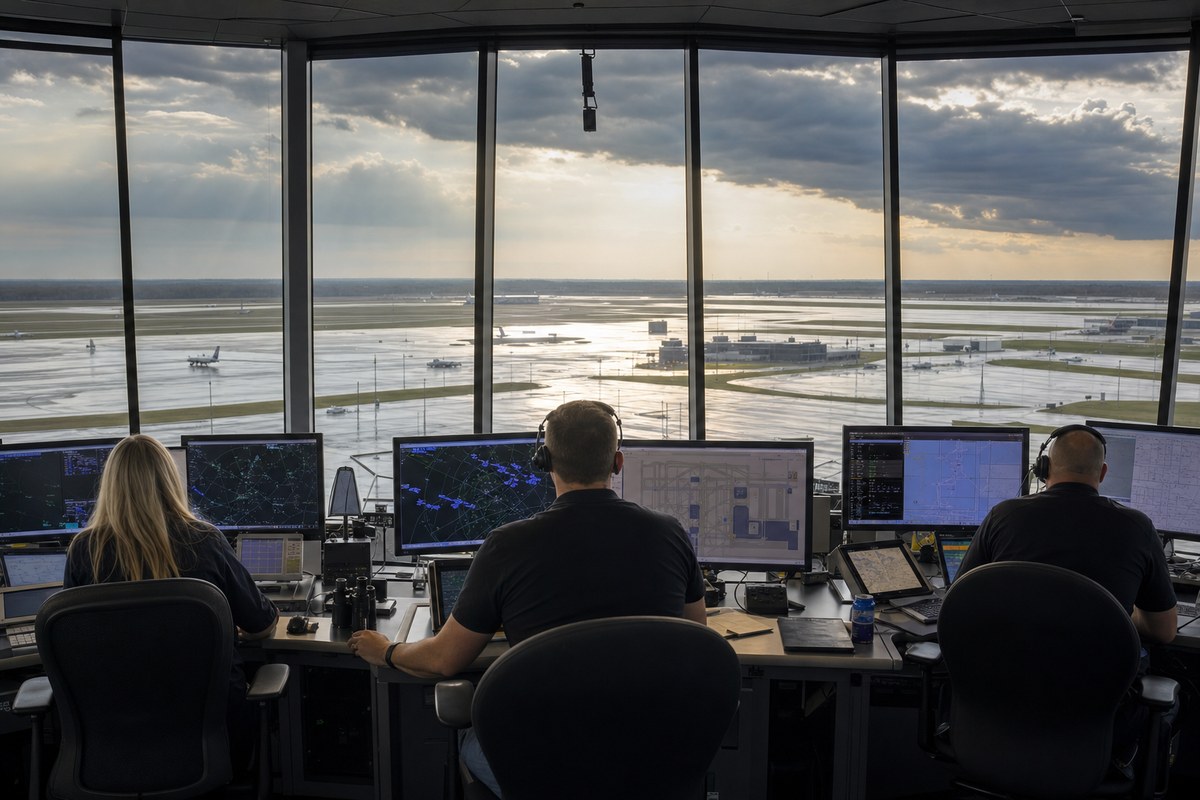
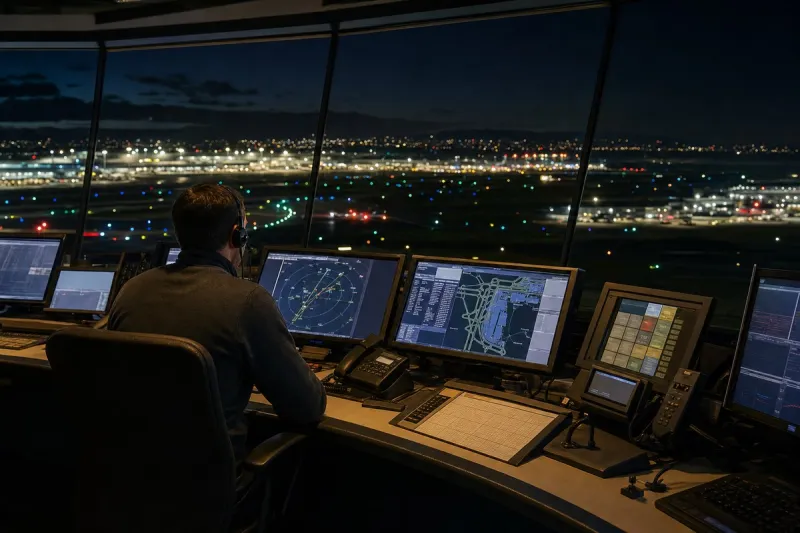
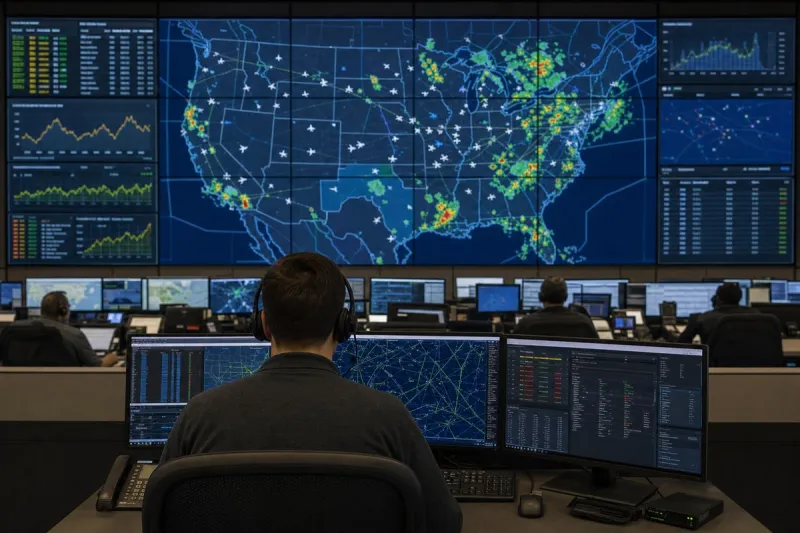
On Monday, Duffy and Federal Aviation Administration Administrator Bryan Bedford had unveiled the AI-powered Strategic Management of Airspace, Routes, and Trajectories system, known as SMART, demonstrating how it analyzes local weather patterns and flight path trajectories. The federal government is beginning to roll out the technology at Washington-area airports. The SMART system uses AI to assist human air traffic controllers by predicting weather patterns, airport capacity, and airplane travel, and it is part of a broader upgrade called the Flow Management Data and Services program.
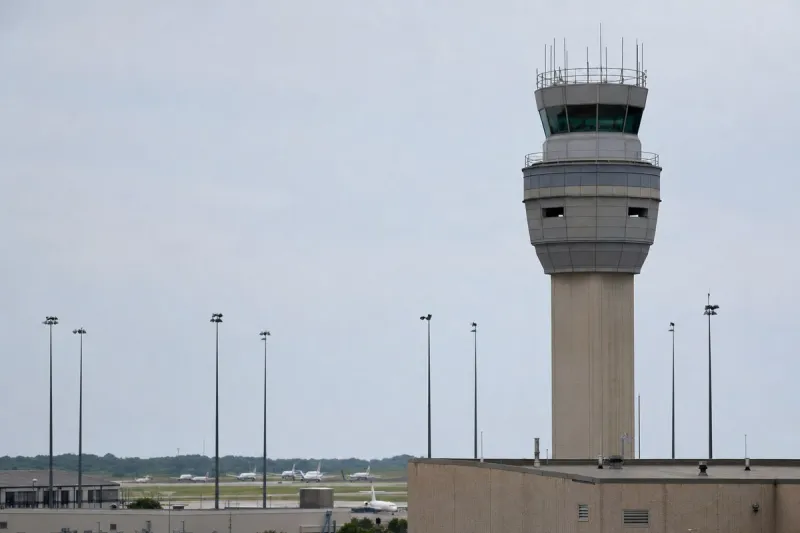
In June, Duffy awarded a $875.6 million, 12-year contract to Air Space Intelligence to implement the new system, describing the technology as providing "predictive tools to help humans better manage the airspace" and saying improved decision-making should result in fewer delays and cancellations for travelers. The Washington region has been at the center of aviation safety discussions since a mid-air collision between a U.S. Army Black Hawk helicopter and an American Airlines passenger flight descending into Reagan National Airport killed all 67 people aboard both aircraft, a crash that occurred just hours into Duffy's tenure as transportation secretary, after which he vowed to modernize the technologies governing aircraft communications.
Industry impact & what to watch
Introducing predictive AI into air traffic operations while publicly insisting that humans retain final authority is a familiar pattern for safety regulators bringing new automation into a system where public trust is fragile after a fatal accident. The emphasis on human control is not incidental messaging; it reflects how aviation safety systems are generally certified and operated, with automation limited to forecasting and decision support rather than direct control of aircraft separation or routing.
How the Flow Management Data and Services program performs at Washington-area airports will be the practical test of that framing. If SMART's weather and capacity predictions measurably reduce delays and cancellations, as Duffy has said is the goal, that outcome will matter more to airlines, air traffic controllers, and travelers than the rhetoric around AI's role. Whether Air Space Intelligence's system delivers on that during the life of its 12-year contract, and whether it expands beyond the Washington region, will show whether this approach becomes the model for the rest of the national airspace system.