Lithuania's KlasJet Wins FAA Approval for Charter and ACMI Operations to and from the US
Why It MattersThe approval shows how ACMI capacity providers use single regulatory clearances to unlock an entire region's seasonal charter demand rather than route-by-route authorizations.
What happened
Lithuanian airline KlasJet has received approval from the US Federal Aviation Administration to conduct charter and ACMI operations to and from the United States, covering its Boeing 737NG fleet. Diako Rad, director of flight operations at KlasJet, said the company is "now ready to operate to and from the US," calling the FAA approval "the final step needed to deploy our approved aircraft for charter and ACMI operations involving the United States and surrounding regions."

Earlier this year, CEO Justinas Bulka indicated that US approval would also open routes to neighbouring countries such as the Bahamas. Rad pointed to the opportunity in the Americas, noting that "North and South America is one of the largest aviation markets in the world, with huge seasonal variations in demand and constant movement in available capacity," and said KlasJet is well positioned to manage seasonal peaks, capacity shortages, aircraft availability issues, and operational disruptions.
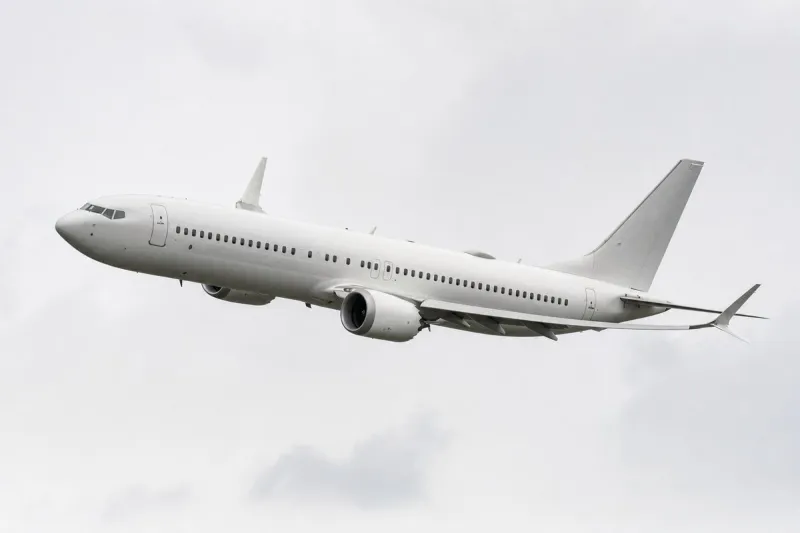
Flight-activity records show KlasJet operates two Boeing 737-300s, three Boeing 737-500s, and seven Boeing 737-800s. The carrier was founded in 2013 as an executive charter specialist and expanded into ACMI operations in 2023.
Industry impact & what to watch
This approval fits the pattern of European ACMI and charter operators seeking US market access to capture seasonal demand swings that domestic carriers cannot always absorb with their own fleets. ACMI arrangements let an airline like KlasJet lease out aircraft, crew, maintenance, and insurance to another operator on short notice, which is precisely the flexibility Rad described as addressing capacity shortages and disruptions.
The US and wider Americas market is large and seasonally uneven, meaning outside capacity providers can fill gaps during peak periods without needing a permanent US presence. KlasJet's mixed 737NG fleet, spanning older -300s and -500s alongside newer -800s, gives it multiple aircraft sizes to match differing charter and ACMI demand.
What happens next will depend on which specific US or regional carriers KlasJet signs ACMI or charter deals with, and whether the Bahamas and other neighbouring markets Bulka referenced materialize into confirmed routes.