IADA Panel: Business Aircraft Financing Grows More Complex as Rates, Values and Structures Diverge
Why It MattersAs aircraft values and financing terms diverge by platform, lenders and lessors are shifting from uniform underwriting toward asset-specific structures tailored to each buyer and airframe.
What happened
A panel convened by the International Aircraft Dealers Association (IADA) brought together four senior aircraft finance executives — from PNC Aviation Finance, JSSI Aviation Capital, First American Equipment Finance and Global Jet Capital — to discuss how business aviation financing has shifted. PNC Aviation Finance's Gentile said April inflation reached 3.8%, the labour market stayed strong with the US economy adding 172,000 jobs in May, and inflation subsequently rose to 4.2%, which he linked in part to energy costs tied to the Middle East conflict. He said the five- and ten-year swap rates have stayed broadly flat year over year despite intra-period volatility, and that the market is "much more likely to see higher rates than lower rates over the next 12 months," with current aircraft financing rates in the high four-percent area.
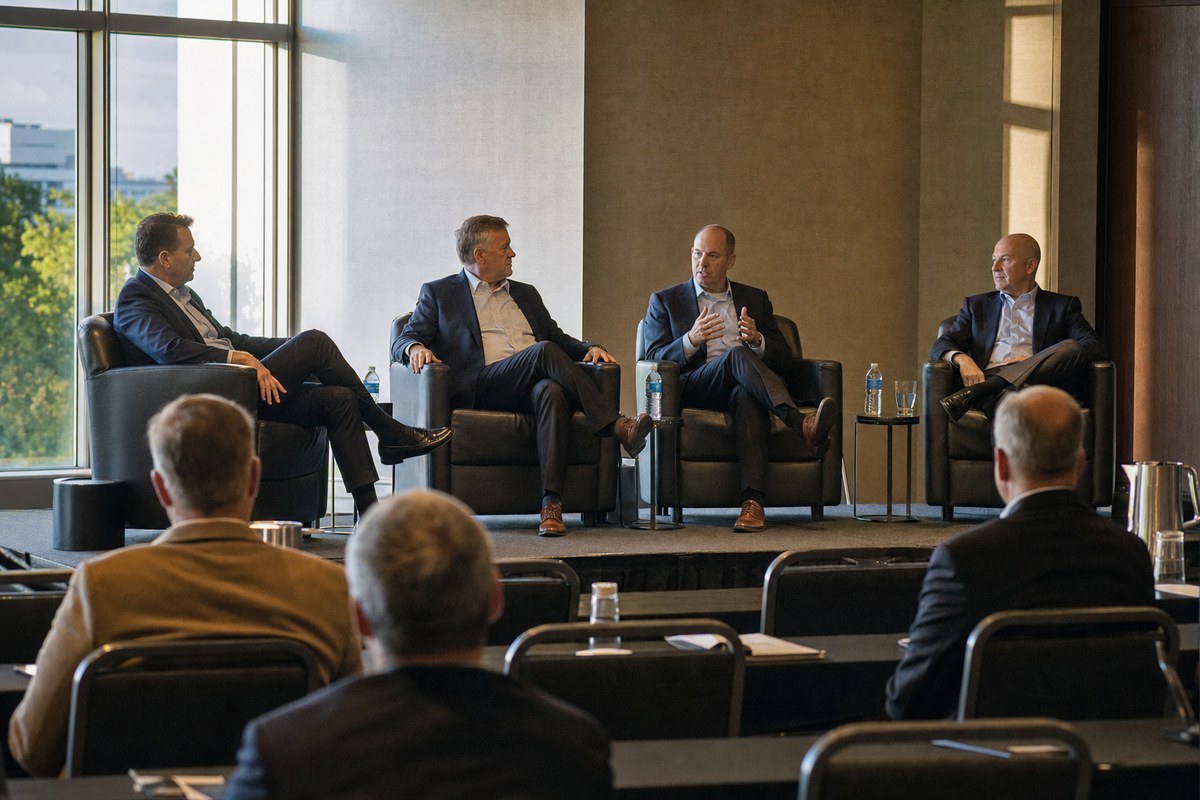
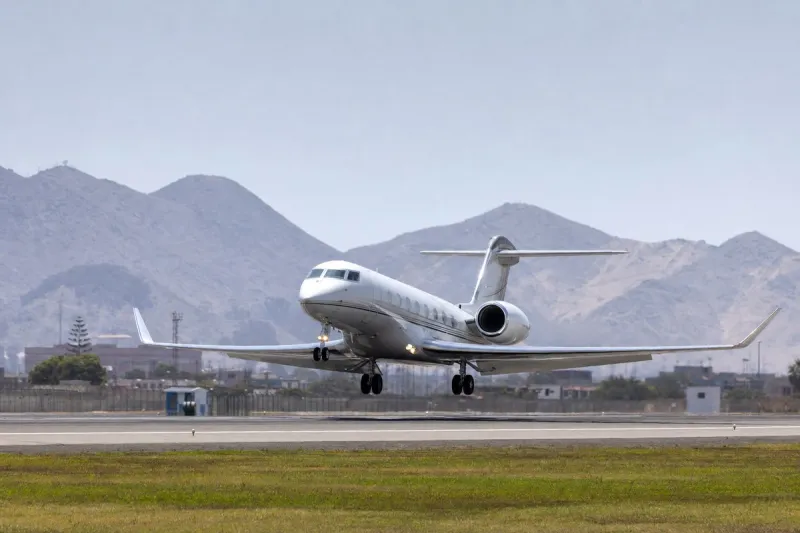
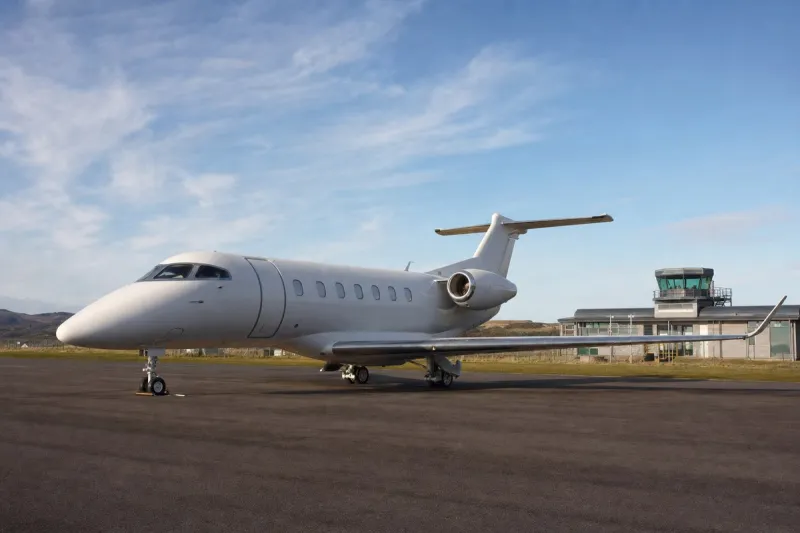
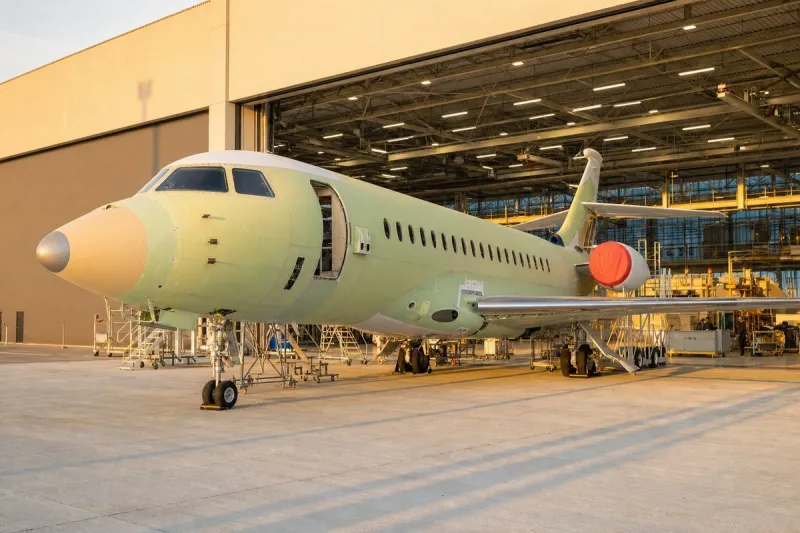
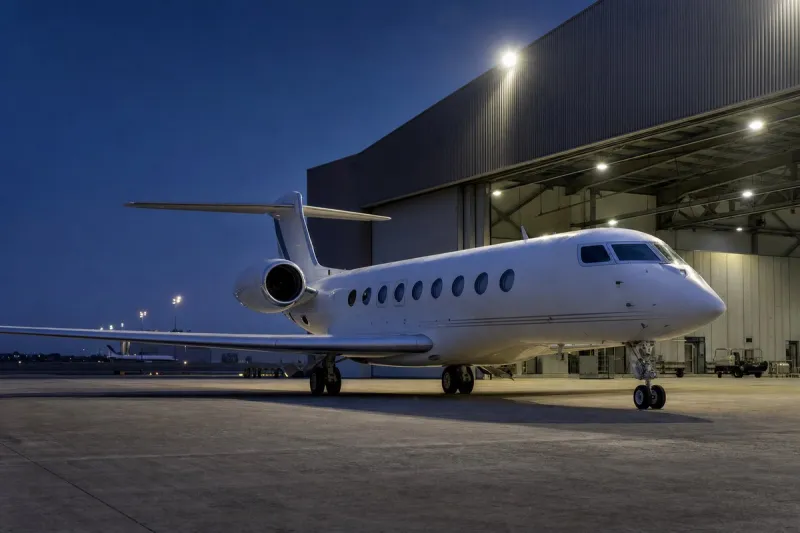
JSSI Chief Investment Officer Ben Hockenberg said the market has continued to look through geopolitical disruptions, and stressed that approximately 150 distinct aircraft platforms are in operation in business aviation today, meaning no single loan-to-value or valuation approach applies uniformly across all of them. JSSI's asset-based model draws on the organization's experience monitoring maintenance programmes and residual values to assess each aircraft individually. First American Equipment Finance's Sarah Yarnes described a sponsor-quality-centred underwriting approach evaluating liquidity, leverage and cash flow for ultra-high-net-worth individuals, corporations and fractional ownership clients, and noted that during the post-pandemic market correction some clients fell outside loan-to-value covenants as aircraft values moved, requiring discussions about additional equity contributions. Global Jet Capital's Mike Christie addressed leasing as a capital solution for buyers whose needs extend beyond conventional lending.
A common finding across all four perspectives was that no universal financing solution exists; the optimal structure depends on aircraft type, age and maintenance pedigree, the buyer's financial profile, the intended operational mission, the jurisdiction of operation and the owner's long-term objectives. Jay Mesinger noted that depending on make, model and age, some aircraft prices have risen considerably, others have remained flat and others have declined.
Industry impact & what to watch
The panel's account describes a financing market moving away from blanket underwriting rules toward asset-by-asset assessment, a shift that tracks how aircraft values themselves have split apart by make, model and age rather than moving together. When roughly 150 platforms each carry their own residual-value and maintenance profile, a single loan-to-value grid cannot price risk consistently across them, which is why lenders described in the panel lean on individualized monitoring of maintenance programmes and cash-flow analysis specific to the buyer.
This segmentation also explains why underwriting has broadened beyond the aircraft itself: sponsor liquidity, leverage and cash flow now sit alongside asset value as primary credit drivers, and buyers who cleared covenants when values were rising can find themselves needing fresh equity when values normalize. Leasing structures gain relevance in this environment precisely because they shift residual-value exposure away from buyers whose needs do not fit conventional lending terms.
Whether financing costs move as Gentile expects — flat-to-higher benchmark rates over the next 12 months — will depend on how inflation and labour data evolve from the levels cited on the panel. The more durable signal is the divergence in aircraft values themselves, which will keep pushing lenders toward bespoke structures rather than standardized terms as long as platform-level pricing continues to move independently.