Budget Disruptions Leave Deep Marks on US Aviation: Controller Shortages, Shutdowns and a Proposed Fix
Why It MattersRecurring budget lapses compound over years into structural staffing gaps that faster hiring pipelines alone cannot close while controller counts trail rising flight volumes.
What happened
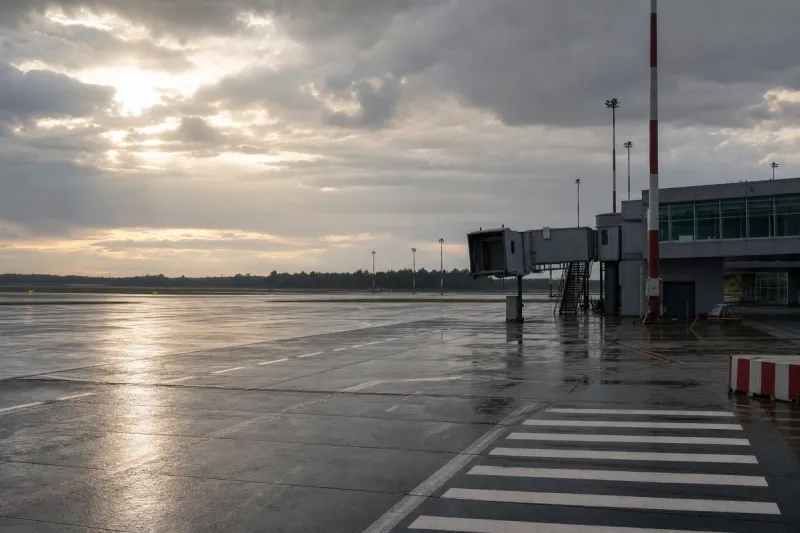
Repeated federal budget disruptions have left lasting effects on the US national airspace system, with air traffic controller staffing, safety oversight and airport infrastructure all affected. The most recent partial Department of Homeland Security funding lapse lasted 11 weeks and affected airport-facing agencies including the Transportation Security Administration before ending on April 30 with legislation funding key agencies through September 30. By that point, more than 1,000 TSA officers had departed, according to Reuters.
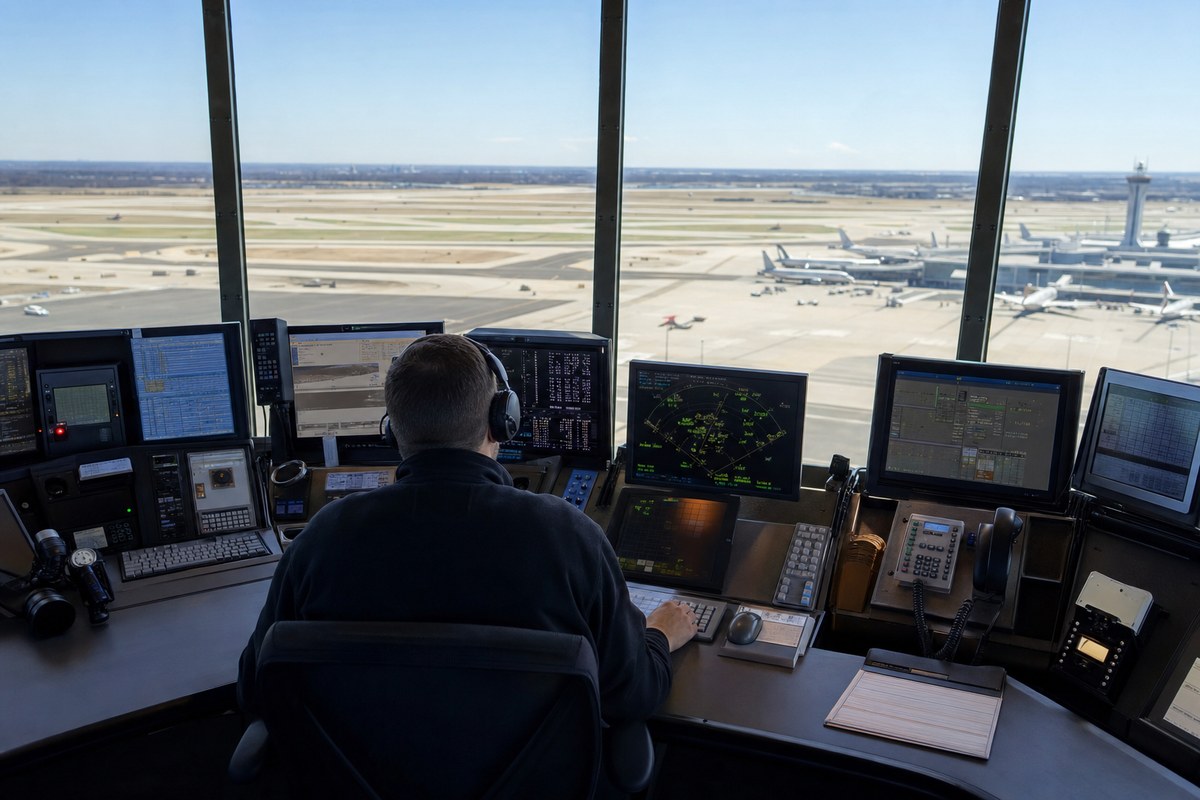
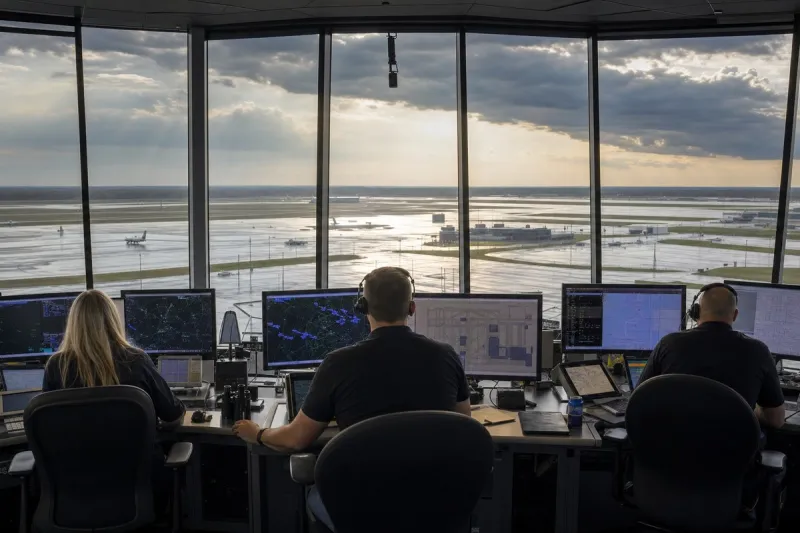
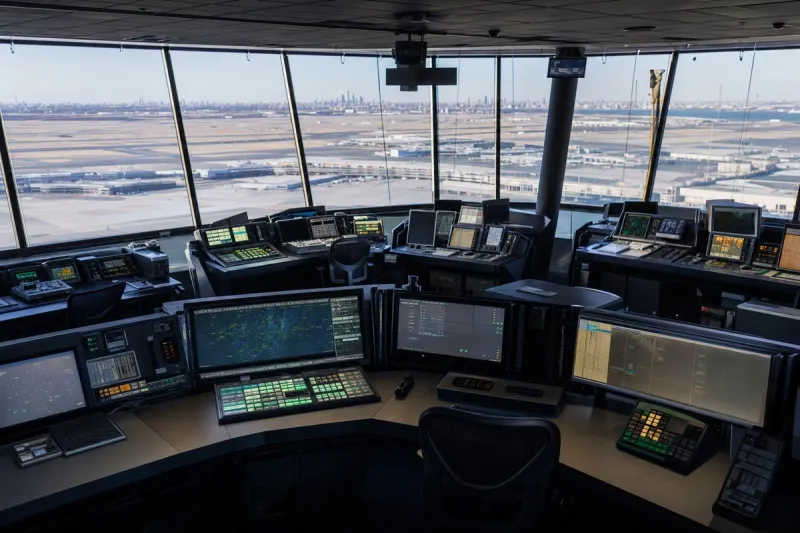
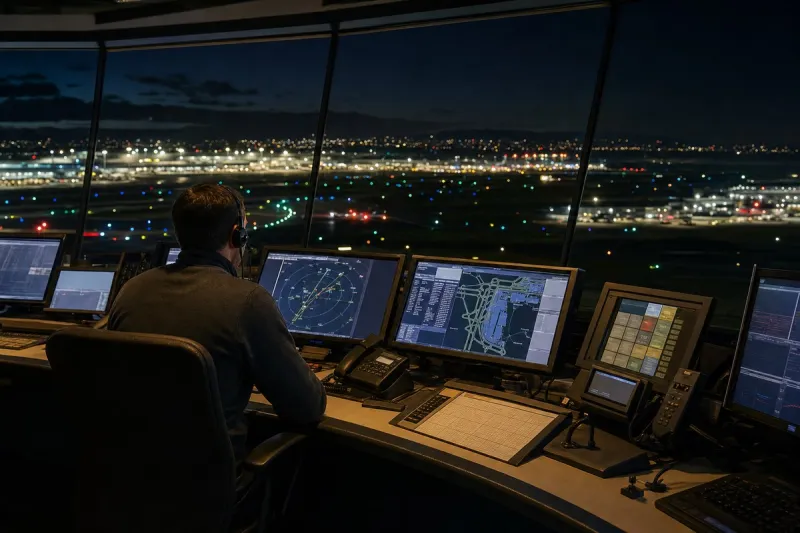
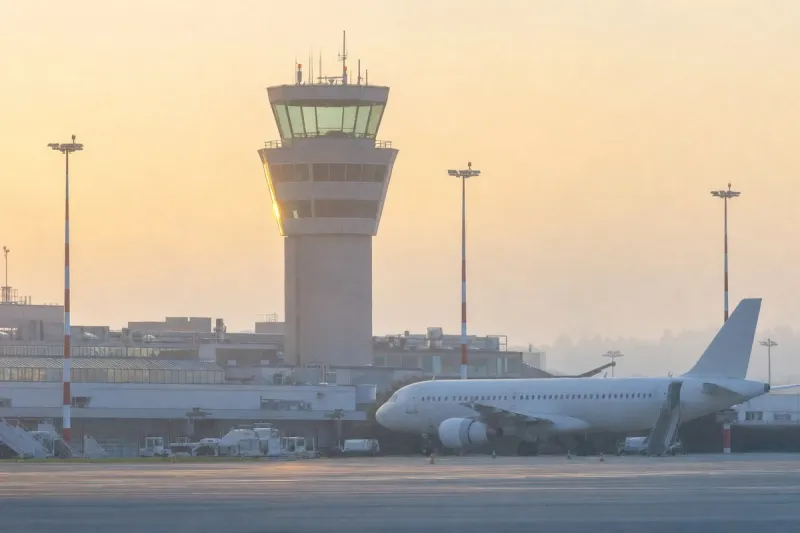
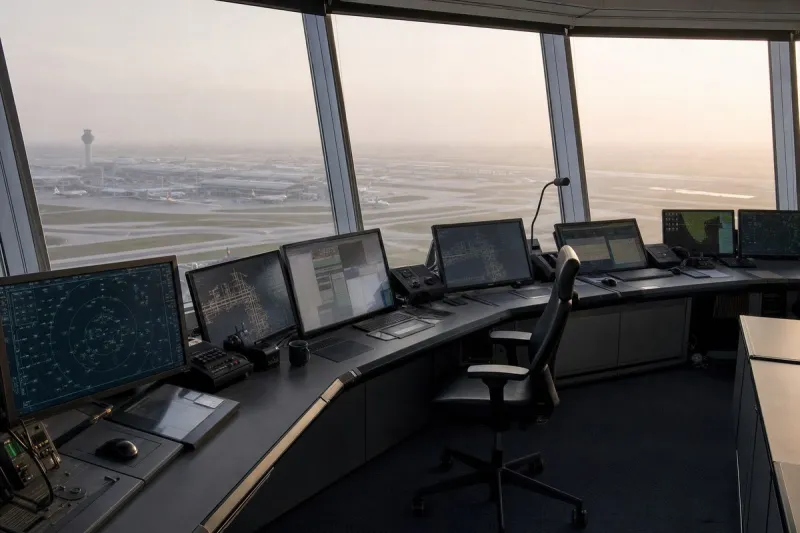
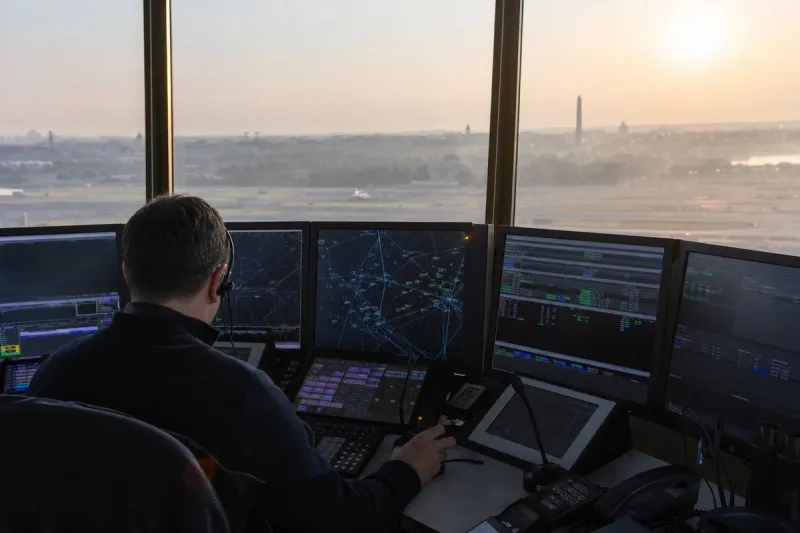
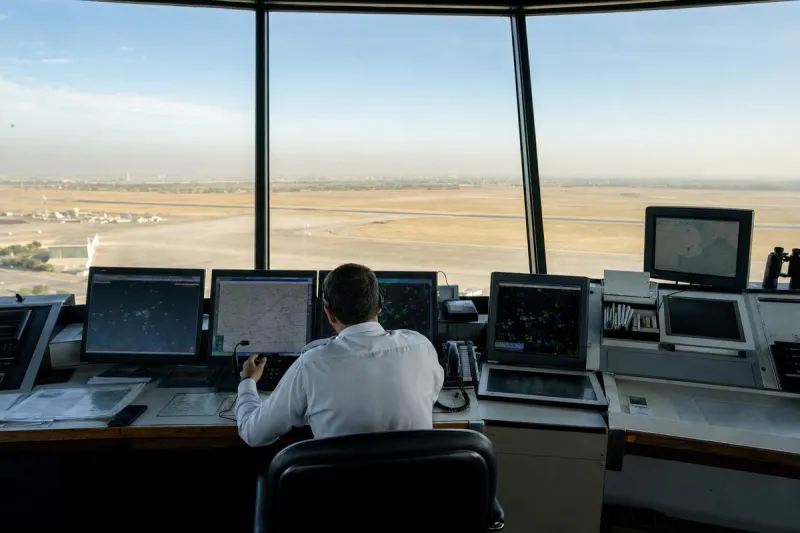
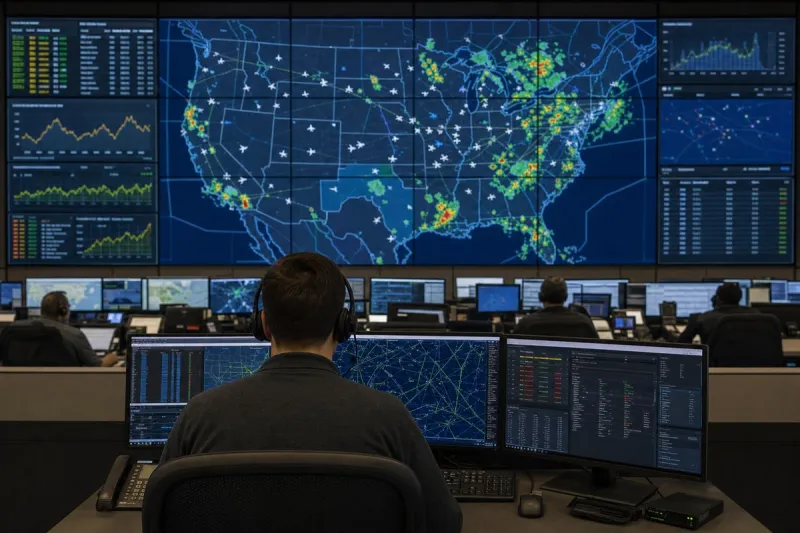
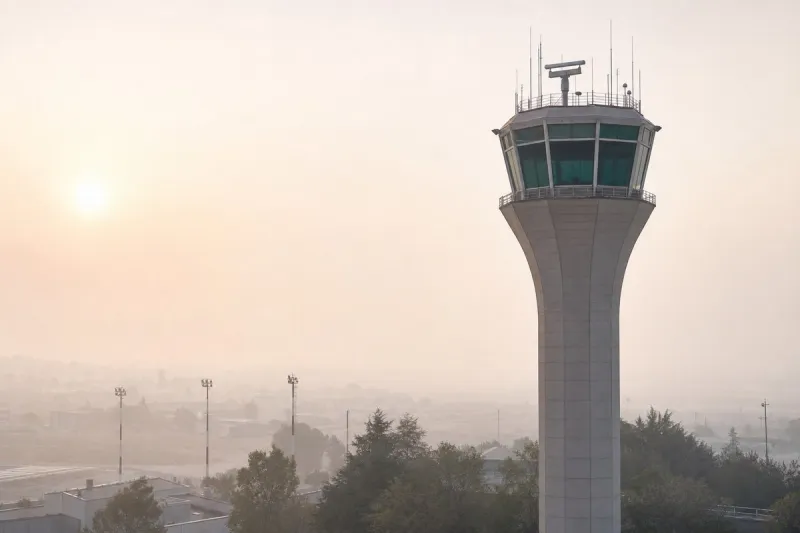
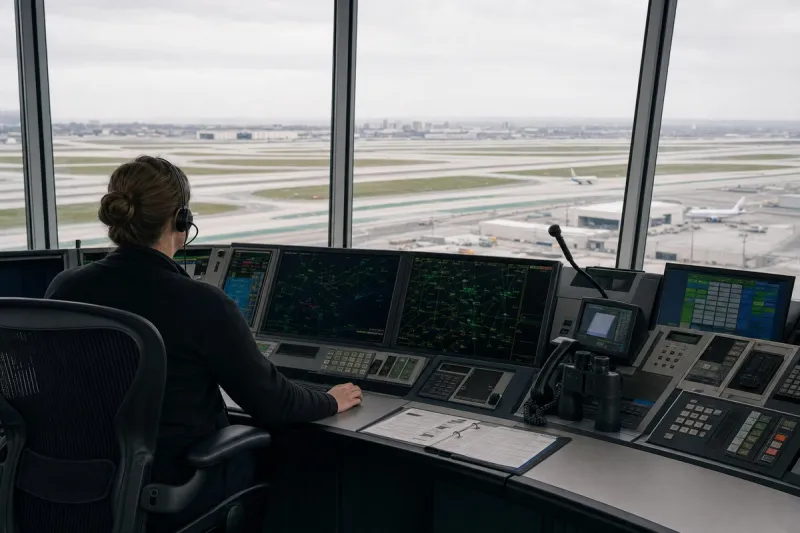
On the air traffic control side, the Government Accountability Office reported that the Federal Aviation Administration ended fiscal year 2025 with 13,164 air traffic controllers — about 6% fewer than in 2015 — while total flights using the air traffic control system increased approximately 10% between fiscal years 2015 and 2024. The FAA's 2023 National Airspace System Safety Review Team found that the 2013 sequestration cuts and a 16-day shutdown suspended controller hiring for 10 months. The 2018–19 partial shutdown again suspended hiring and training, followed by a four-month closure of the FAA training academy and an eight-month training pause during the pandemic. Cumulatively, those disruptions halted hiring for more than a year and training for roughly two of the last 10 years.
Certifying a new air traffic controller can take more than two years depending on facility complexity, according to the FAA's 2026–28 Air Traffic Controller Workforce Plan. As of April 2026, approximately 11,000 certified professional controllers were deployed across more than 300 FAA air traffic facilities, with about 4,000 more still in the training pipeline. The FAA's current hiring plan includes partnerships with colleges and technical schools, improved graduate placement at understaffed facilities, and simulator-based training intended to reduce new-controller training times by up to 27%. Congress earlier this year approved full-year Department of Transportation funding, and the Aviation Funding Stability Act of 2025 has been introduced, which would provide continuing appropriations to the FAA from the Airport and Airway Trust Fund during any lapse in appropriations, allowing prior-year funded programs to continue for up to 30 days or until regular appropriations are enacted.
Industry impact & what to watch
This case sits inside a broader pattern of federal funding gaps translating into workforce attrition that persists long after the immediate lapse ends. A shutdown does not simply pause operations for its duration — it interrupts hiring pipelines and training cycles that take years to rebuild, as the decade of cumulative hiring and training halts documented by the FAA's own safety review shows.
The controller workforce illustrates how staffing in air traffic control is uniquely exposed to funding interruptions: certification takes more than two years, so any pause in hiring or training compounds into a shortfall that shows up years later, even as flight volumes keep climbing. Full-year Department of Transportation funding secures the FAA's own budget, but the DHS lapse showed that airport operations depend on multiple agencies whose funding fights are not synchronized.
Whether the Aviation Funding Stability Act of 2025 becomes law will determine whether the FAA gains a standing buffer against future lapses, drawn from the Airport and Airway Trust Fund rather than subject to each year's appropriations cycle. Passage would signal Congress treating air traffic control staffing as a continuity issue rather than a line item; its fate in the current session is the next milestone to track.