Aspen-Pitkin County Airport Expansion to Require $100 Million in Local Funds, Commissioner Warns
Why It MattersThe funding gap shows how airport modernization costs can escalate well beyond early estimates even after voters approve financing structures meant to avoid new taxes.
What happened
Pitkin County Commissioner Francie Jacober has disclosed that approximately $100 million in local money will be needed to complete the runway expansion and terminal project already underway at Aspen-Pitkin County Airport. That figure is well above the $30 million previously cited when higher parking fees and other non-tax revenue measures were announced.
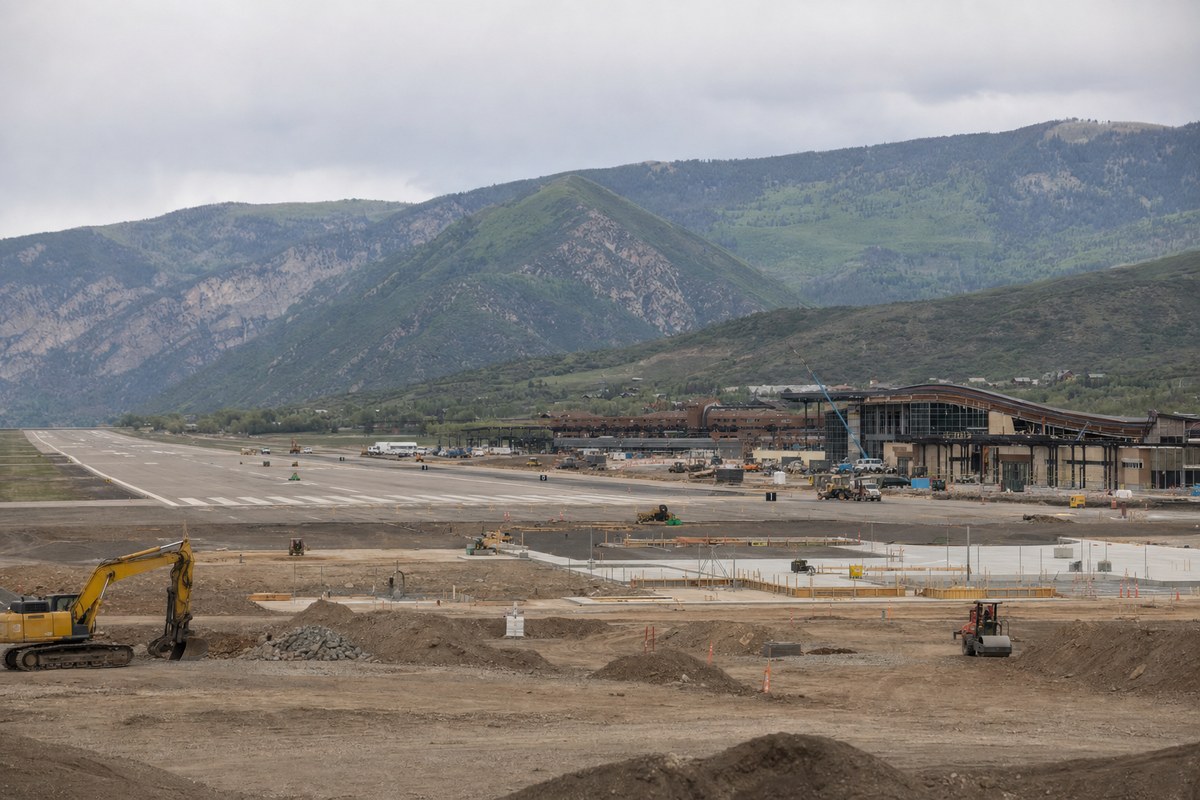
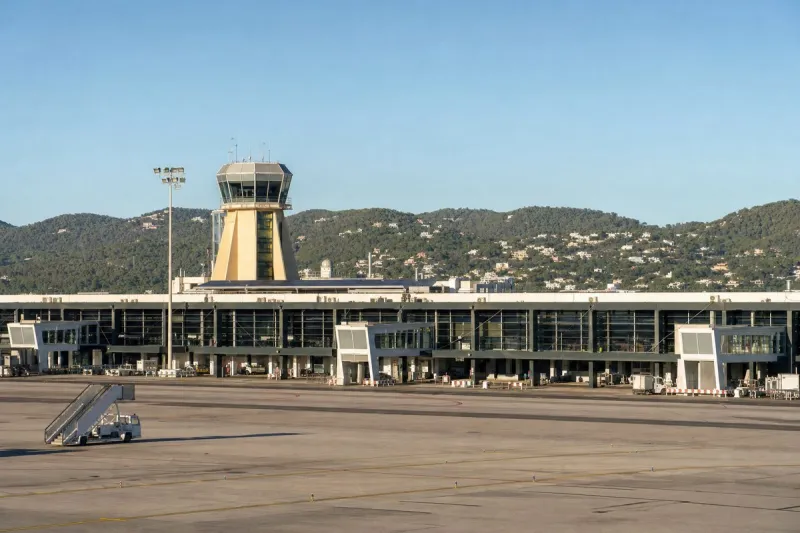
In November 2024, voters in Pitkin County approved transferring final decision-making authority over the airport project to the elected Pitkin Board of County Commissioners, reversing a practice under which voters had held final say on curfew and expansion proposals on three previous occasions. That vote was not on a specific expansion plan but on whether commissioners should hold that authority; only the Woody Creek precinct voted against the measure. Separately, in November 2025, county voters approved a plan to issue $340 million in revenue bonds to finance construction of a new terminal — the "landside" component — using airport enterprise revenues such as user fees, fuel charges, and private-plane terminal rents rather than property tax increases. Supporters had emphasized that no new property taxes would be levied, a point they stressed as local property values were rising rapidly.
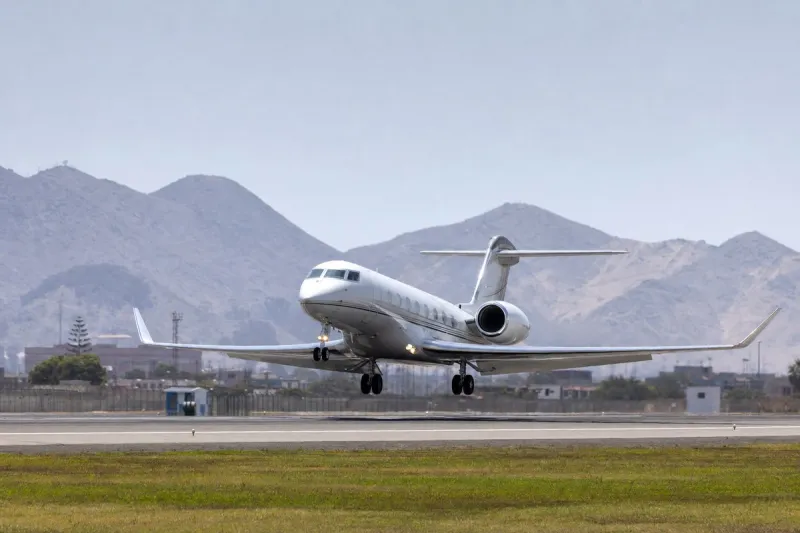
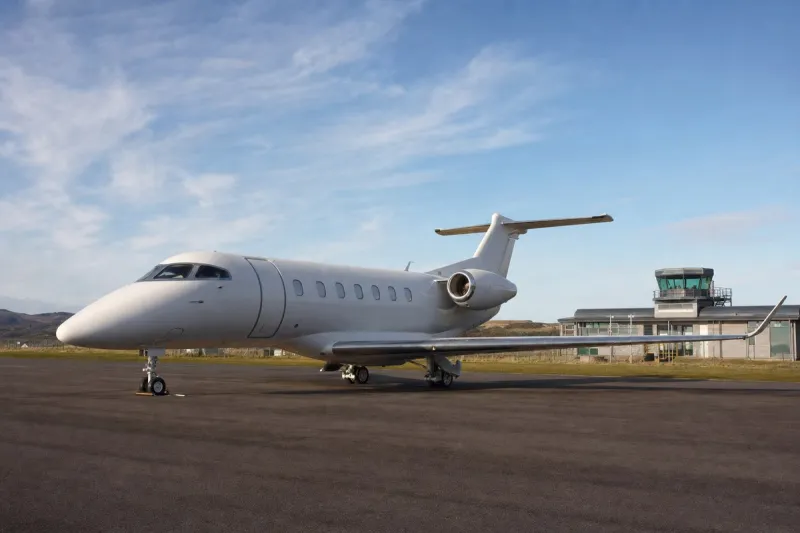
The total cost of airport projects has been described as approaching nearly a billion dollars. Jacober and fellow commissioner Patti Clapper plan to travel to Washington, D.C., to seek federal funding to offset the local shortfall. The airport is scheduled for an eight-month closure to accommodate the modernization work. The runway expansion would allow the airport to accommodate larger aircraft; county voters had previously rejected a similar proposal in a 1995 public election.
Industry impact & what to watch
This case illustrates how airport capital projects financed through revenue bonds and enterprise funds can still expose local governments to funding gaps that surface only after voters have already locked in the financing structure. The shift from a $30 million shortfall estimate to a $100 million one shows how early non-tax revenue assumptions — parking fees, user charges — can prove far short of what a runway and terminal project actually costs once construction is underway.
Runway and terminal expansions at general-aviation-heavy airports typically depend on layered funding: local enterprise revenue, state or federal grants, and bond proceeds, with voter approval often covering only one piece of that stack. When local commissioners seek federal money after a local shortfall becomes public, it signals that the original financing plan did not anticipate the full cost, a dynamic that can recur wherever governance authority has moved from direct voter approval to elected boards making incremental funding decisions.
What happens next depends on the outcome of Jacober and Clapper's Washington trip and whether federal funding materializes to close the gap. Economic analysts' skepticism that the eight-month closure will meaningfully affect the local economy has already raised questions locally about whether the project's scale matches its stated justification, a debate likely to intensify if the federal funding request falls short.